Cenozoic
noun and adjective (n. / adj.)
Definition
The Cenozoic era, or Tertiary era (in the broad historical sense), is the geological era spanning from -66 Ma to the present day (we are still in this era). This division of the geological time scale belongs to the Phanerozoic eon; within it, the Cenozoic follows the Mesozoic. It began about 66 million years ago and extends to the present.
A Cenozoic life scene:

The current geological era on our planet, the Cenozoic era, began after the catastrophic mass extinction at the Cretaceous-Paleogene boundary, wiping out most dinosaurs and other dominant reptile groups. This gave mammals the opportunity to diversify and dominate.
Explanations
The name Cenozoic comes from the Greek language and means "new life". The former Tertiary period, now abandoned in the official nomenclature of the International Commission on Stratigraphy, corresponded to the Cenozoic era, with the exception of the last 2.58 million years corresponding to the Quaternary period.
During the Cenozoic era, India collided with Asia 55–45 million years ago, and Arabia collided with Eurasia, closing the Tethys sea about 35 million years ago. This resulted in the major Alpine orogeny that formed the main mountain ranges of southern Europe and Asia, such as the Pyrenees, the Alps, and the Himalayas.
The Cenozoic is also called the age of mammals, animals which, when non-avian dinosaurs disappeared at the end of the Cretaceous, underwent an extraordinary adaptive radiation and became the dominant fauna. About 30 million years ago, the first anthropoid primates appeared (the earliest primitive primates were already present over 65 million years ago), although Homo sapiens appeared only about 300,000 years ago (200,000 to 300,000 years ago).
The Cenozoic has been an era of long-term cooling. At the very beginning of the era, particles ejected by the K-Pg (K/T) boundary impact blocked solar radiation. After the tectonic opening of the Drake Passage, when Australia completely separated from Antarctica during the Oligocene, the climate cooled considerably due to the onset of the Antarctic Circumpolar Current, which caused a major cooling of the Southern Ocean (Antarctic Ocean).
In the Miocene, there was a slight warming due in part to the destabilization of methane hydrates releasing carbon into the atmosphere. When South America joined North America during the formation of the isthmus of Panama, the Northern Hemisphere and Arctic region cooled due to the reorganization of ocean currents (such as the Humboldt Current and the gulf Stream), leading to the Quaternary glaciations and the Last Glacial Maximum.
Synonyms, antonyms
Spanish translation: Cenozoico
1 synonym (similar meaning) for "cenozoic":
0 antonyms (opposite meaning).
Related words and expressions to CENOZOIC are directly connected by general or specific meaning.
The word CENOZOIC is listed on page 1 of words starting with C in the dictionary glossary.
Related to "Cenozoic"
Jurassic

The Jurassic is a geological period of the Mesozoic Era in Earth's history. The Jurassic began approximately 201. 3 million years ago and ended about...
Mesozoic

The Mesozoic is a geological era spanning from -252 to -66 Ma. This name given to the Secondary era groups together the Triassic, Jurassic, and Cretaceous...
Paleozoic
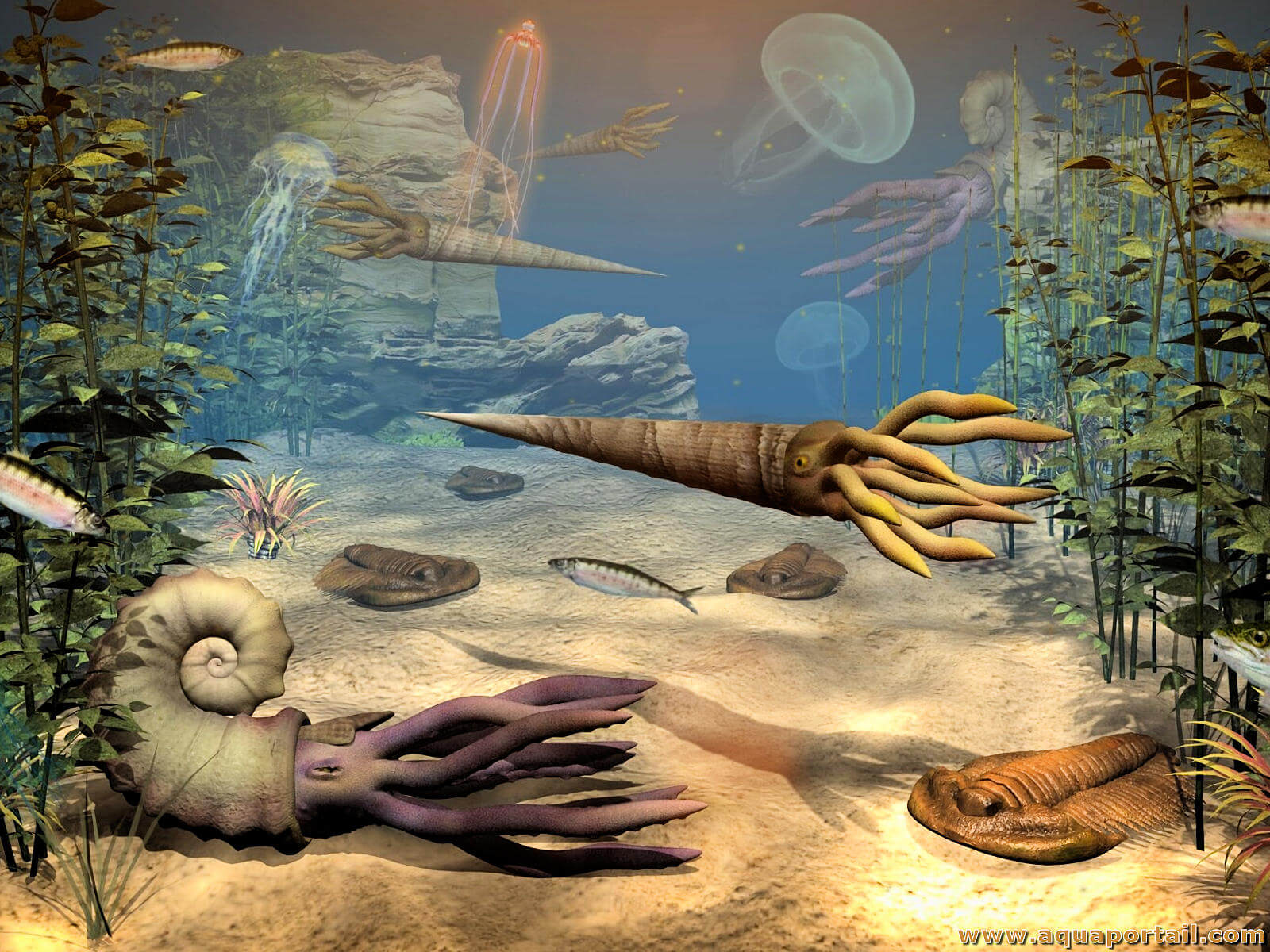
The Paleozoic is a geological era spanning from -541 to -251 Ma. This name, given to the primary era, groups 6 systems : Cambrian, Ordovician, Silurian...
Triassic
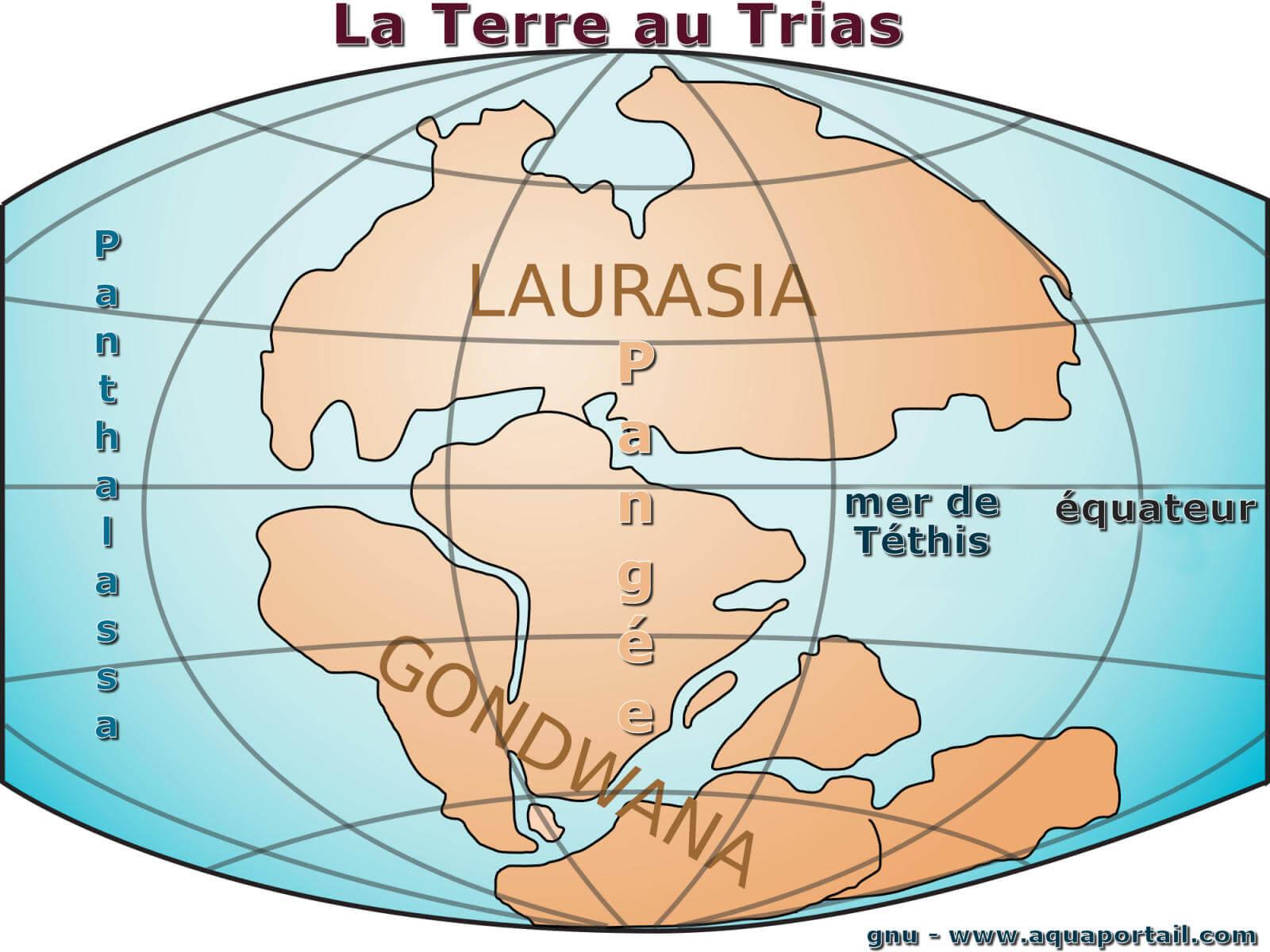
The Triassic is a geological period of Earth during the Mesozoic Era, spanning from 252 to 201 million years ago (Ma).
