Pseudogene
noun (n.)
Definition
A pseudogene is a non-functional copy of a gene that mutations prevent from being expressed, yet it is not eliminated and persists in the genome. It derives from other already known genes whose functions differ, having either lost their functionality or radically altered it.
Types of pseudogenes:
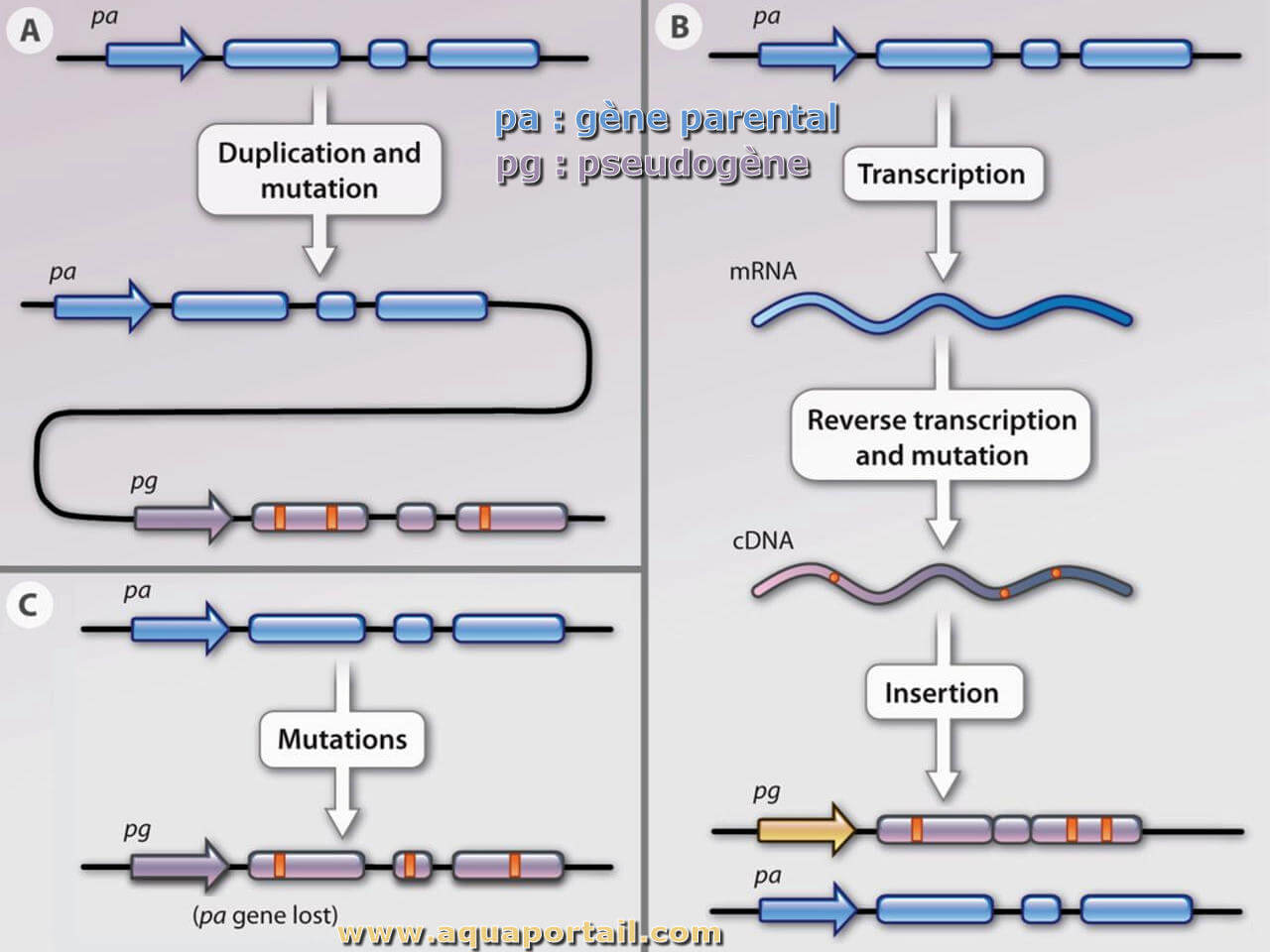
A pseudogene is a section of a chromosome that is an imperfect copy of a functional gene. See the types of pseudogenes below.
Explanations
In other words, pseudogenes are sections of DNA structured like a gene, but no longer serving as templates for a functional protein.
Origin of the pseudogene
Several scenarios have been proposed to explain the origin of a pseudogene:
- messenger RNA transcript fragments from a gene can be spontaneously reverse-transcribed and inserted into chromosomal DNA (called retrotransposition). These pseudogenes are called processed. Because these pseudogenes lack normal gene promoters, they are not expressed normally
- a gene duplication event can mean that a genome possesses two copies of a gene when it needs only one. Mutations that inactivate one of the copies will therefore not be selected against (and might even confer a selective advantage by being inactivated). Furthermore, the replication event may be incomplete, so the copy contains incomplete promoters. These pseudogenes are called duplicated (or unprocessed)
- a gene can cease to be functional or become inactivated if such a mutation becomes fixed in the population. This can occur through normal mechanisms such as natural selection or genetic drift. This is the same mechanism by which unprocessed genes are inactivated.
The two pathways described above (duplication and retrotransposition) can increase the number of genes in a living organism. However, the duplicated gene is not subject to the same selective pressure as the original gene, because loss of the duplicate is not deleterious as long as the original gene still functions.
Mutations can therefore accumulate relatively easily in the duplicate. These can rapidly render the duplicate non-functional (and thus transform it into a pseudogene) without negatively impacting the phenotype.
Conversely, mutations in duplicated genes sometimes allow the emergence of advantageous new functions.
For example, green opsin: mammalian genes emerged from red opsin genes through gene duplication.
Types
Pseudogenes are structurally similar to genes that encode functional proteins, yet pseudogenes contain "defects" that, in most cases, render them incapable of encoding fully functional proteins. Three categories of pseudogenes have been identified: unprocessed (duplicated), processed (retrotransposed), and unitary pseudogenes.
The three types of pseudogenes are:
- unprocessed (duplicated) pseudogenes derive from gene duplication and are located on the same chromosome as the parental gene from which they originated
- processed pseudogenes arise through retrotransposition and are located on a different chromosome from the parental gene
- unitary pseudogenes derive from mutations in the parental gene, which is in turn lost. Blue boxes and lines, parental gene (pa) and mRNA; gray boxes and lines, pseudogene (pg) and RNA; orange dots and boxes, mutations; yellow arrow, independent promoter.
Difference between gene and pseudogene
Pseudogenes are heritable genetic elements similar to functional genes, yet non-functional because they do not code for proteins. Their biogenesis results from duplication of a parental gene or retrotransposition of an mRNA sequence into different genomic loci.
Genetic studies
Pseudogenes can complicate molecular genetics studies. For example, a researcher wishing to amplify a gene by PCR may simultaneously amplify a pseudogene sharing similar sequences. Moreover, pseudogenes are sometimes annotated as genes during genome sequencing.
It is typical in molecular biology to find rare examples that challenge any simple definition of a term, and pseudogene is no exception. There is some division among geneticists regarding the nature of the final product. If the final product must be a protein, certain pseudogenes can function as RNA.
For example, Hirotsune (2003) discovered a sequence in the human genome that had been identified as a pseudogene but apparently plays a regulatory role for its homologous coding gene. However, this definition excludes tRNA or rRNA pseudogenes as used by other geneticists.
See also the mechanism of pseudogamy.
Synonyms, antonyms
Spanish translation: pseudogén
0 synonyms (similar meaning) for "pseudogene".
0 antonyms (opposite meaning).
Related words and expressions to PSEUDOGENE are directly connected by general or specific meaning.
The word PSEUDOGENE is listed on page 1 of words starting with P in the dictionary glossary.
Related to "pseudogene"
Pseudocrenilabrinae

Pseudocrenilabrinae is a subfamily of the family Cichlidae from Central and East Africa, notably from the East African Rift zone with Lake Tanganyika and Lake...
pseudofilament
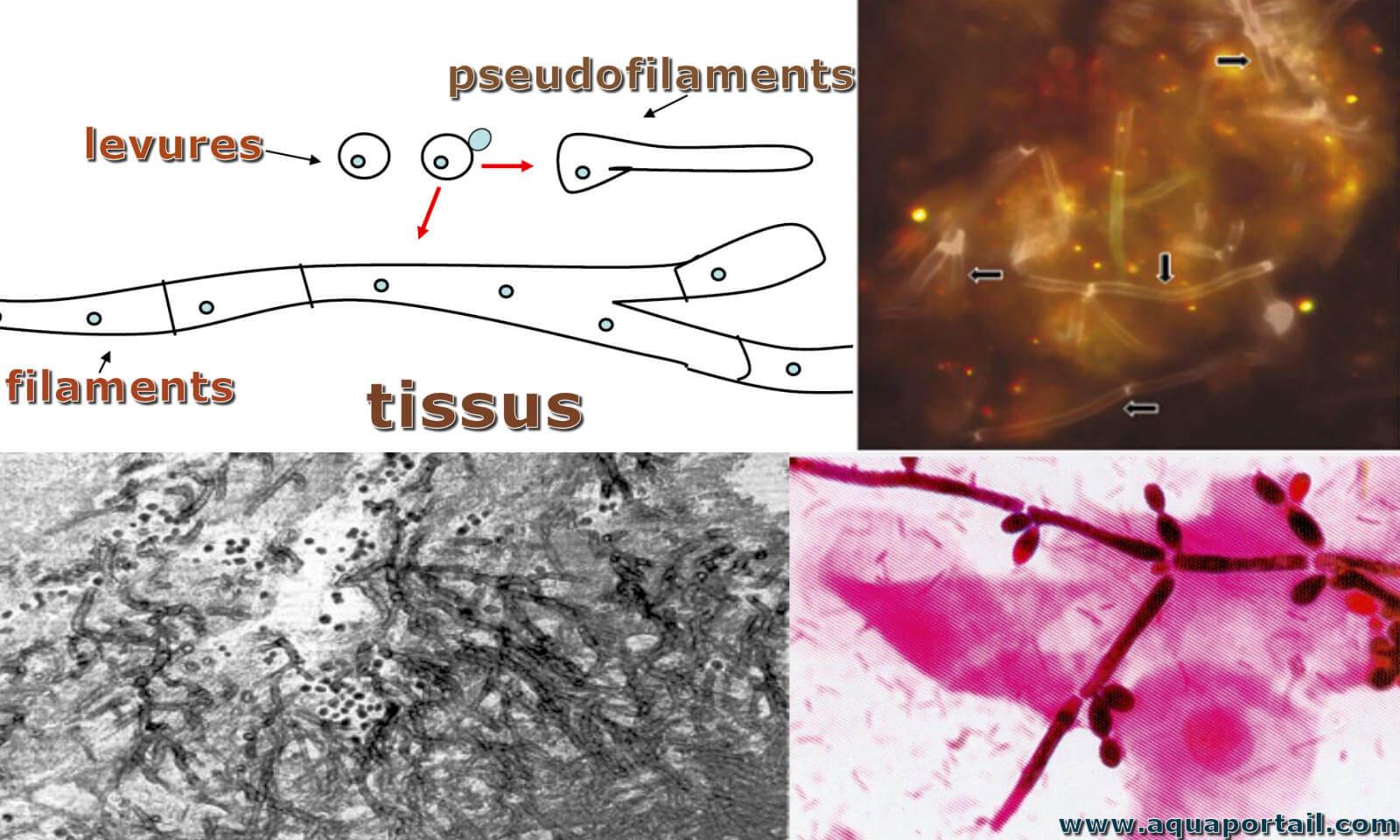
A pseudofilament corresponds to a juxtaposition of cells resembling a filament. The cells of these pseudofilaments do not share a common wall; their...
Pseudomonas

Bacilli of the genus Pseudomonas are straight or slightly curved rod-shaped bacteria that are Gram-negative, oxidase-positive, and strictly aerobic, although...
pseudoparenchyma
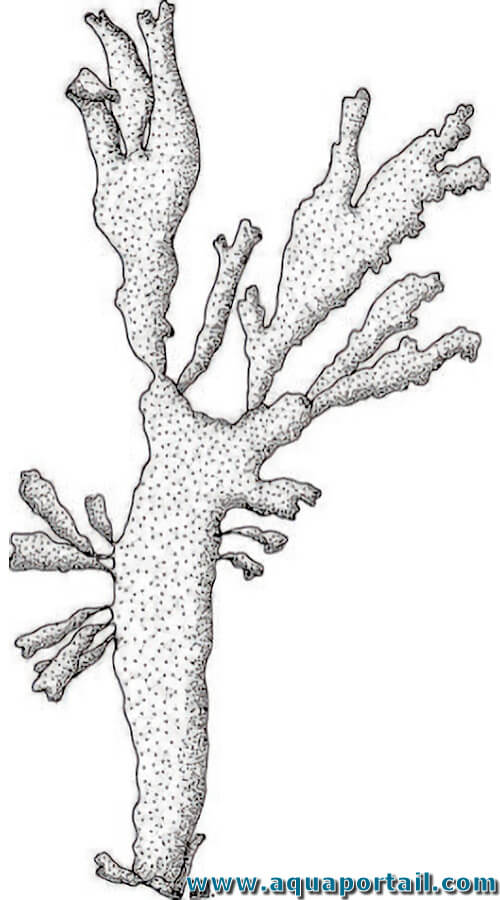
A pseudoparenchyma is a vegetative structure whose uniseriate filaments are appressed and/or interwoven, giving the appearance of forming a parenchyma.
