Pseudopod
noun (n.)
Definition
A pseudopod is a retractile protoplasmic extension emitted by certain cells that enables them to move. It is therefore a cytoplasmic expansion of the cell used for locomotion (amoeba) or phagocytosis in certain protists and in macrophage white blood cells.
Shapes and types of pseudopods:
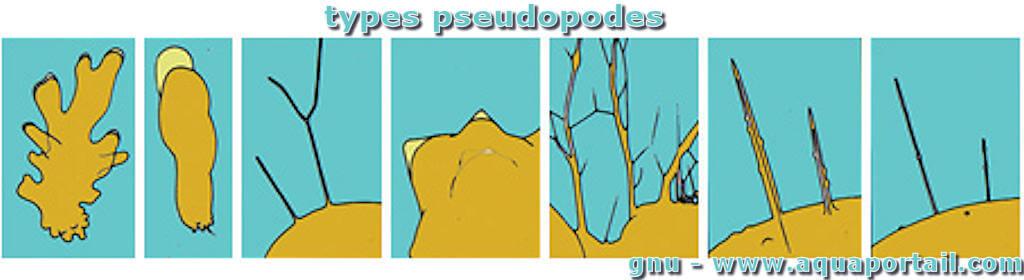
The different shapes of pseudopods (from left to right): polypodial lobopodia, monopodial lobopodia, filopodia, lamellipodia, reticulopodia, rejuvenated axopodia, non-conical axopodia.
Explanations
Pseudopods, or "false feet", are cytoplasmic projections of eukaryotic cells. In protists, they are morphologically very diverse and fulfill numerous functions, notably in movement and metabolism. They are also important in tissue migration and cell migration.
A pseudopod is an extension of the cytoplasm of a eukaryotic cell that plays a role in locomotion and nutrition, present in amoebae. In phagocytes, it forms during the ingestion stage. In foraminifera and amoebae, the projection is used for capturing food, whereas in free-living forms it serves for locomotion.
Essentially, five types of pseudopods can be distinguished:
- lobopodia are found mainly in amoebozoans (Amoebozoa). They taper to a point or are tube-, tongue-, or finger-shaped and can change their shape very rapidly. Inside, the cytoplasm flows very quickly. They are formed either individually (monopodial species) or in larger numbers (polypodial species). Lobopodia are used notably for movement
- filopodia can be found in radiolarians and are filamentous protrusions of the cell, usually straight, sometimes curved, and rarely weakly branched. They lack a microtubule axoneme. In macrophages, filopodia act like tentacles, pulling cell-bound objects toward the cell for phagocytosis
- lamellipodia are very flat, broad-based cellular projections, mainly found in certain Aconchulina
- reticulopodia are specialized forms of pseudopods found notably in foraminifera as unicellular organisms. The pseudopods branch and can fuse back together. Thus, they form extensive networks (pseudopodial networks) used for prey capture, movement, intracellular organelle transport, and anchoring to the substrate. Reticulopodia always display granule streaming and internal microtubules
- axopodia, sometimes called actinopodia, are found among other groups in heliozoans (Heliozoa) and radiolarians (Radiolaria or Radiozoa) and are particularly long and straight with a microtubule axoneme. In addition to catching prey, they serve to increase resistance to water in order to slow sinking and assist locomotion.
Functions
The functions of pseudopods are:
- locomotion: pseudopods are one of the three modes of locomotion in unicellular organisms (along with flagella and cilia). Many amoebae move by generating a large pseudopod at the front of the cell while cytoplasm is retracted at the rear. The process repeats sequentially and the amoeba advances. Other amoebae extend and contract several small pseudopods that, in contact with the substrate, allow the body to move "by walking"
- nutrition (feeding">feeding): pseudopods can surround food until it is enclosed within a vacuole (phagocytosis). When filaments contract, they cause an invagination of the plasma membrane and a depression in the cytoplasm that the organism can use to engulf food particles. Phagocytosis occurs in various groups of protists, as well as in certain cells of multicellular organisms, such as phagocytes present in blood and other animal tissues.
Amoebae are used to illustrate cellular processes: amoebae have an outer hyaline ectoplasm, which is in a gel state, and an inner granular endoplasm, which is in a sol state. actin and myosin filaments are located in the boundary layer between the endoplasm and ectoplasm, their sliding and adhesion being similar to the contraction and relaxation of muscle cells, causing stiffening of the affected zone.
An actin-binding protein (ABP) cross-links a gel-like network. If calcium levels rise, gelsolin is released, which degrades the actin filaments. Consequently, within the sphere of action of gelsolin, the ectoplasm transitions to a sol state and disappears (aggregation state). The actin-myosin interaction is resolved at this site.
At the opposite end, the physiological posterior end (uroid, which is tail-shaped) of the cell, this interaction persists and contracts. As a result, the endoplasm is displaced and flows forward, where no ectoplasm, i.e., no gelatinous envelope, remains. The endoplasm can thus pass through the actin-myosin network in this area, unlike granular inclusions and cellular organelles.
This cytoplasmic flow retracts cytoplasm from the uroid. This leads to folding of the cell membrane and the formation of new pseudopods at the leading edge via protrusion of the cell membrane. Pseudopods disappear only when ABP rebuilds the actin filaments.
See also apodan, diplopod...
Synonyms, antonyms
Spanish translation: pseudópodo
1 synonym (similar meaning) for "pseudopod":
0 antonyms (opposite meaning).
Related words and expressions to PSEUDOPOD are directly connected by general or specific meaning.
The word PSEUDOPOD is listed on page 1 of words starting with P in the dictionary glossary.
Related to "pseudopod"
amoeboid

What is amoeboid resembles an amoeba in appearance or characteristics. For example, amoeboid movement describes movements resembling those of amoebae that...
Pseudocrenilabrinae
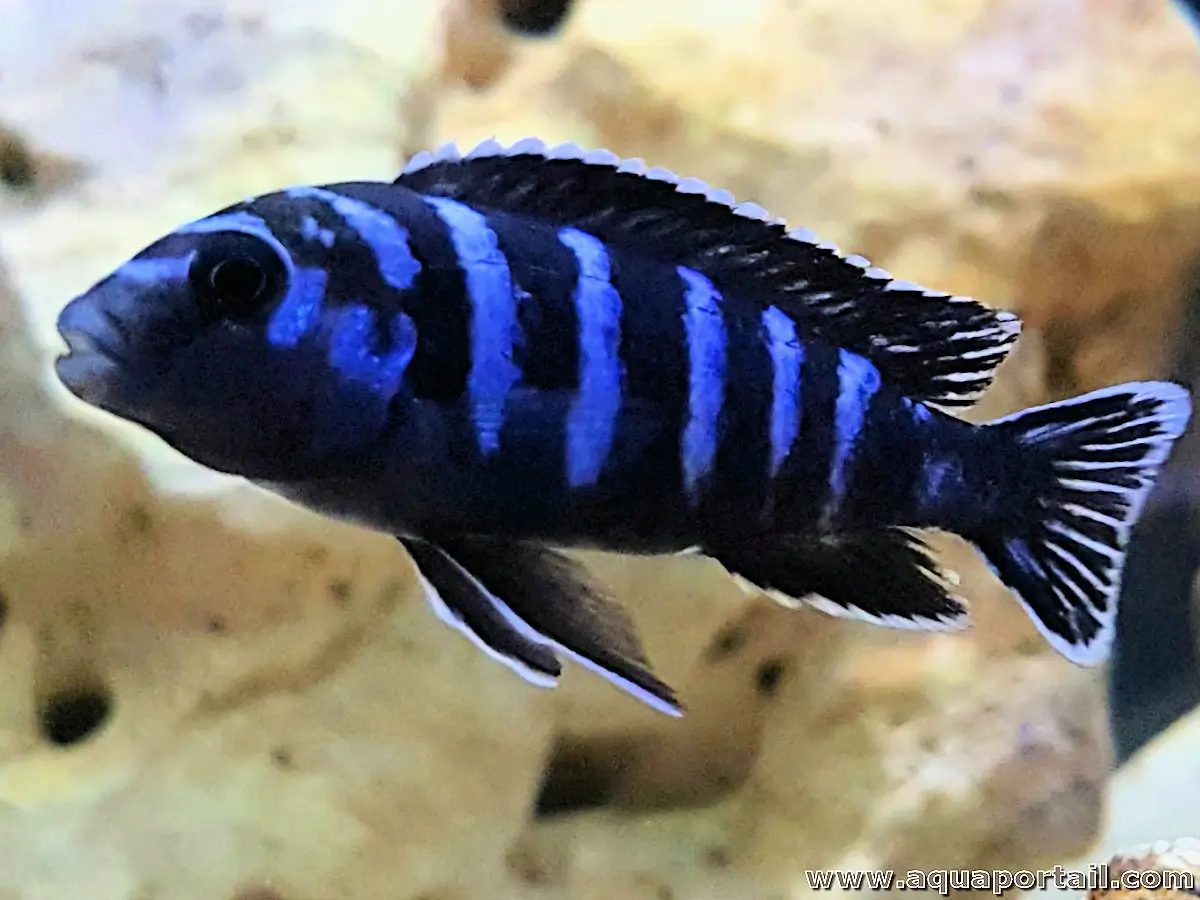
Pseudocrenilabrinae is a subfamily of the family Cichlidae from Central and East Africa, notably from the East African Rift zone with Lake Tanganyika and Lake...
pseudofilament
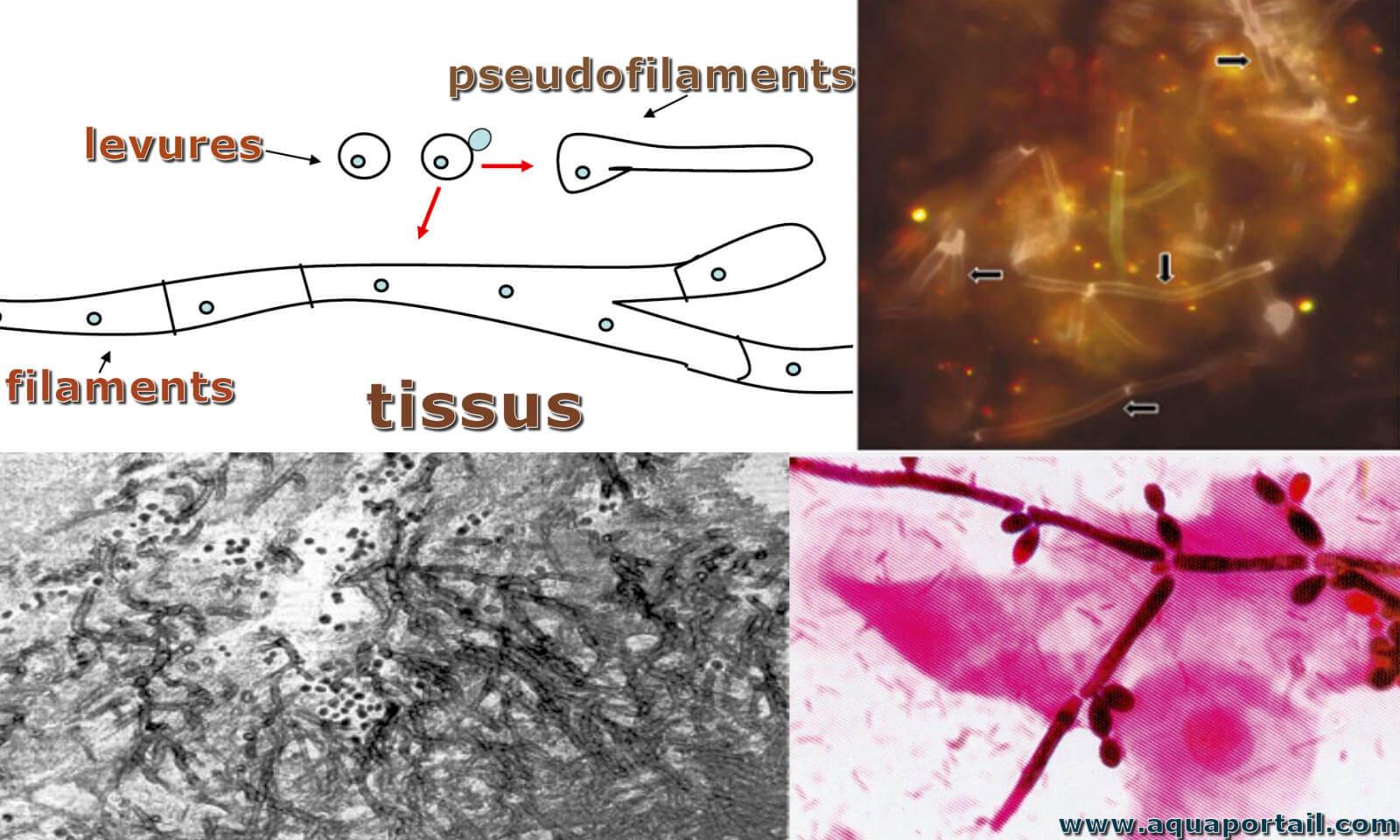
A pseudofilament corresponds to a juxtaposition of cells resembling a filament. The cells of these pseudofilaments do not share a common wall; their...
pseudogene
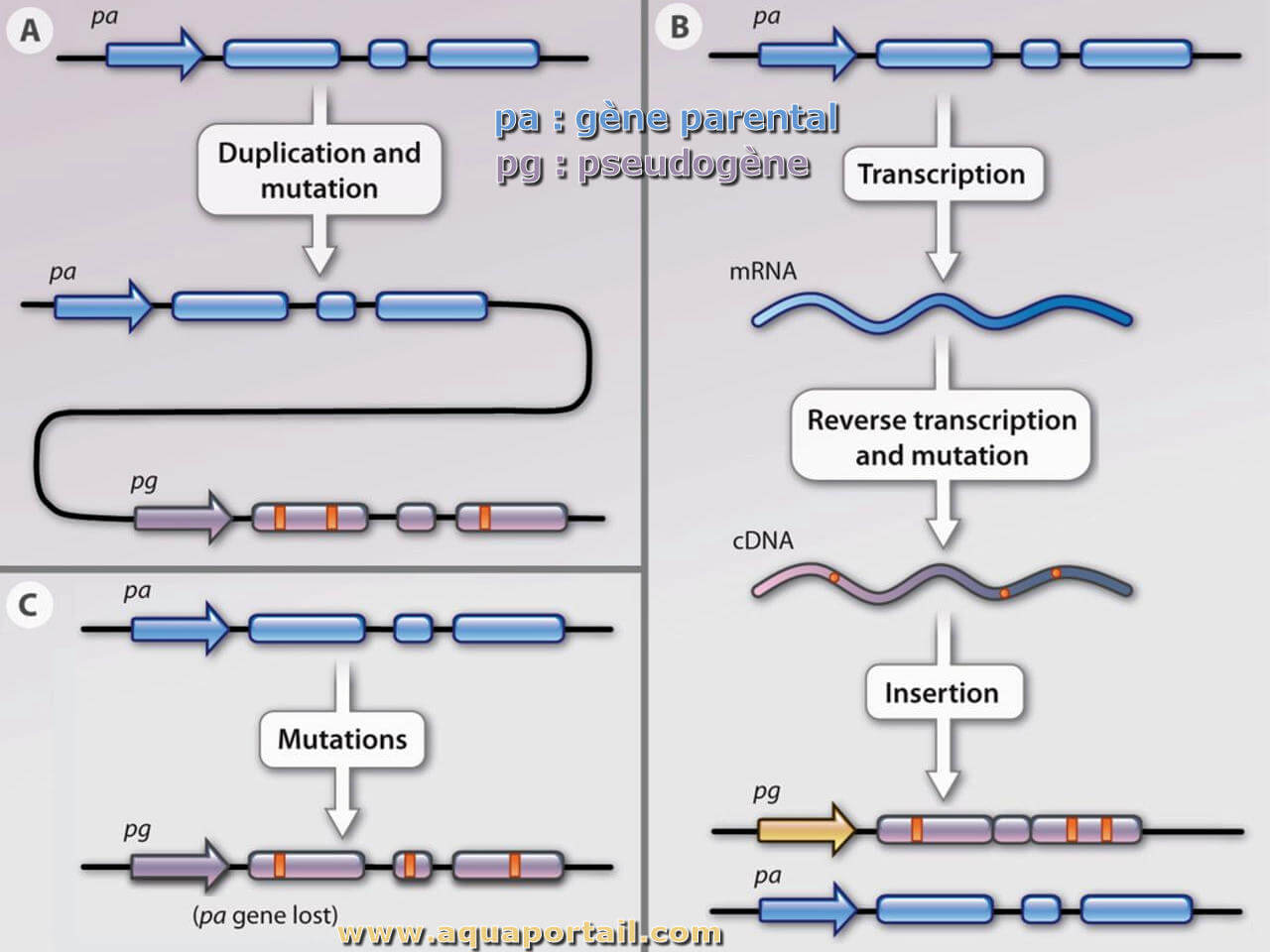
A pseudogene is a non-functional copy of a gene that mutations prevent from being expressed, yet it is not eliminated and persists in the genome.
