Urease
noun (n.)
Definition
Urease is the enzyme that splits urea (catalyzing the hydrolysis of urea) into ammonia and carbon dioxide or into ammonium carbamate and carbonate; since the reaction takes place in aqueous solution, hydrogen carbonate ions are also formed in some cases.The two typical reactions are:
- H2N-CO-NH2 + H2O → 2 NH3 + CO2
- H2N-CO-NH2 + 2 H2O → 2 NH4+ + CO32-
The hydrolysis of urea occurs in two steps. In the first step, ammonia and carbamate are produced. Carbamate spontaneously and rapidly hydrolyzes into ammonia and carbonic acid. Urease activity increases the pH of its environment as ammonia, which is basic, is produced.
The urease molecule:

Ureases (EC 3.5.1.5) belong functionally to the superfamily of amidohydrolases (hydrolases) and phosphotriesterases (esterases).
Explanations
Urease belongs to the amidase group and is often found in plant seeds, bacteria, crabs, and marine bivalve mollusks.
Plant urease in botany
⭐ In botany, plant urease is an enzyme catalyzing the breakdown of urea (with nitrogen) in streptophytes (Streptophyta) and ulvophytes (Ulvophyceae), whereas this role is performed by a urea amidolyase in chlorophytes (Chlorophyceae) and Trebouxiophyceae. It is abundantly present in soils with higher activity in the rhizosphere. The trace element nickel is one of the constituents of urease.
✅ Plant urease acts as an insecticide independently of its urea-splitting function and induces platelet aggregation in mammalian blood.
Jack bean urease was the first enzyme to be purified and crystallized by James Batcheller Sumner (Nobel Prize in Chemistry) in 1926.
Description
In particular, urease in soil bacteria plays an important role in the nitrogen cycle, because without it, nitrogen fertilization would not be possible due to urea, a component of slurry, which resists decomposition in the absence of enzymes. On the other hand, urease-positive bacteria in feces are the cause of undesirable ammonia emissions in livestock farming (in Germany in 2005, approximately 490,000 tons out of 590,000 of total ammonia emissions).
The catalytic activity of the enzyme increases the reaction rate dramatically by a factor of 1014. Bean urease (and likely bacterial urease as well) is a metalloenzyme and contains nickel.
Because of the structure of the nickel-containing center in organometallic chemistry, urease is regarded as a possible model system for the catalytic activation of carbon dioxide. N-carbamate complexes (binding of the electron-poor carbon atom of carbon dioxide to the electron-rich nitrogen atom of imines/amines) with nickel (0 or divalent) as the central atom exist and are structurally characterized; infrared spectroscopic studies have shown a reduction in energy (activation) of the thermodynamically very stable C=O double bonds. However, proof of the transfer of this "activated" carbon dioxide to other substrates is still pending.
Medical significance
Organisms (for example Helicobacter pylori, a cause of stomach and duodenal ulcers) that possess urease are often pathogens of the digestive system, as they can survive in the acidic environment of the stomach due to the released ammonia. The same applies to pathogenic species of the genus Proteus (not to be confused with the animal called the olm!), which thus colonize the urogenital tract. This alkaline reaction of ammonia is also used to detect these organisms.
Importance for agriculture
Urease in soil bacteria is the prerequisite for excreta to act as nitrogen fertilizer, because only the hydrolytic cleavage of urea makes nitrogen available in the form of ammonium ions. However, the intermediate ammonia is gaseous and only small amounts of gas can be absorbed by soil moisture. Some of the ammonia therefore always escapes and is lost as fertilizer. This proportion is greater the more concentrated the raw urea is, and thus the most ammonia is lost from soil and farmyard manure.
Since ammonia is also harmful to the environment in several ways and international agreements have been concluded to limit emissions, efforts are being made, among other things, with urease inhibitors (to solve the problem and reduce emissions from barns).
Kinetics
The reaction of urease with urea can be used to illustrate the time dependence of the reaction rate when choosing a urea solution with a high concentration.
Since ions form when urea decomposes in aqueous solution, the increase in ions can be tracked by measuring conductivity. Conductivity increases linearly over an extended period of time.
The reaction can also be monitored photometrically. Bromothymol blue is added as an indicator, turning an increasingly intense blue during the reaction. Absorbance, a measure of concentration, also increases linearly over an extended period of time.
When urea breaks down, the reaction rate remains constant over an extended period of time. This is a zero-order reaction.
However, it is crucial that the substrate concentration, here that of urea, is not too low. For lower substrate concentrations, these experiments can be used to illustrate the concentration dependence of the reaction rate, with time held constant, in accordance with Michaelis-Menten theory.
History
The effects of urease were discovered by Fourcroy and Vauquelin in 1798 and associated by Louis Pasteur in 1861 with microorganisms first described by Van Tieghem in 1864 under the name Micrococcus ureae. In 1876, bacterial urease was isolated by Musculus and the catalytic reaction was defined. Only the discovery of soybean urease by T. Takeuchi in 1909 and its subsequent production in large quantities allowed thorough studies to be conducted.
Synonyms, antonyms
Spanish translation: ureasa
0 synonyms (similar meaning) for "urease".
0 antonyms (opposite meaning).
Related words and expressions to UREASE are directly connected by general or specific meaning.
The word UREASE is listed on page 1 of words starting with U in the dictionary glossary.
Related to "urease"
disease

A disease is any harmful deviation from the normal structural or functional state of an organism, generally associated with certain signs and symptoms...
ultraviolet
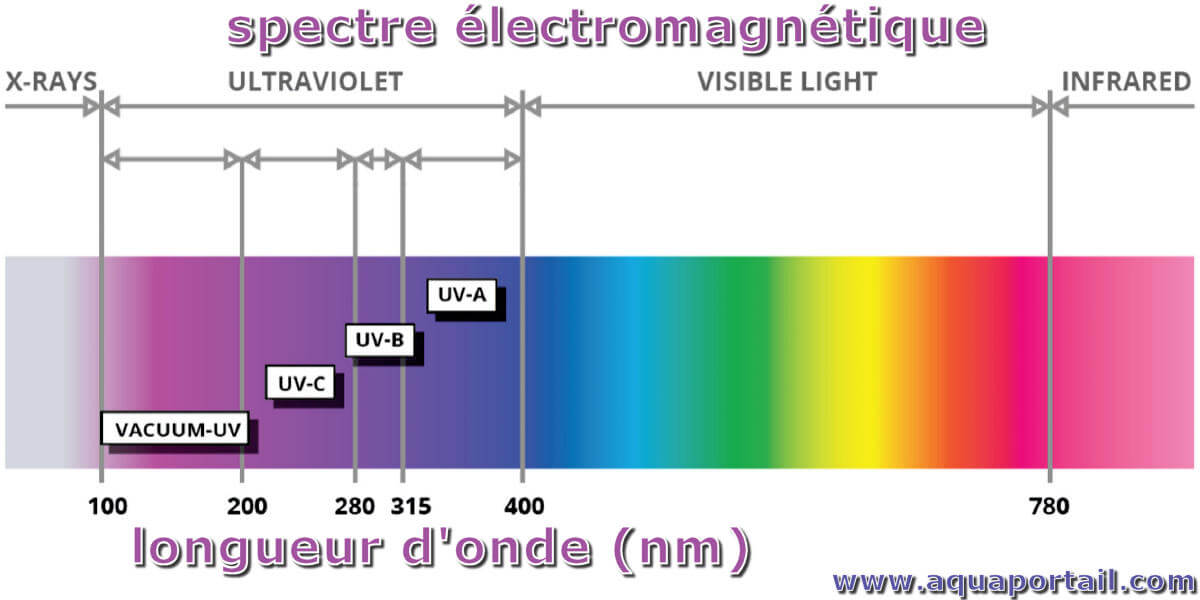
Ultraviolet, also abbreviated UV, refers to electromagnetic radiation with wavelengths between those of the violet end of the visible spectrum and those...
umami

Umami is one of the five basic tastes sensed by humans, alongside sour, sweet, bitter, and salty.
umbilicated
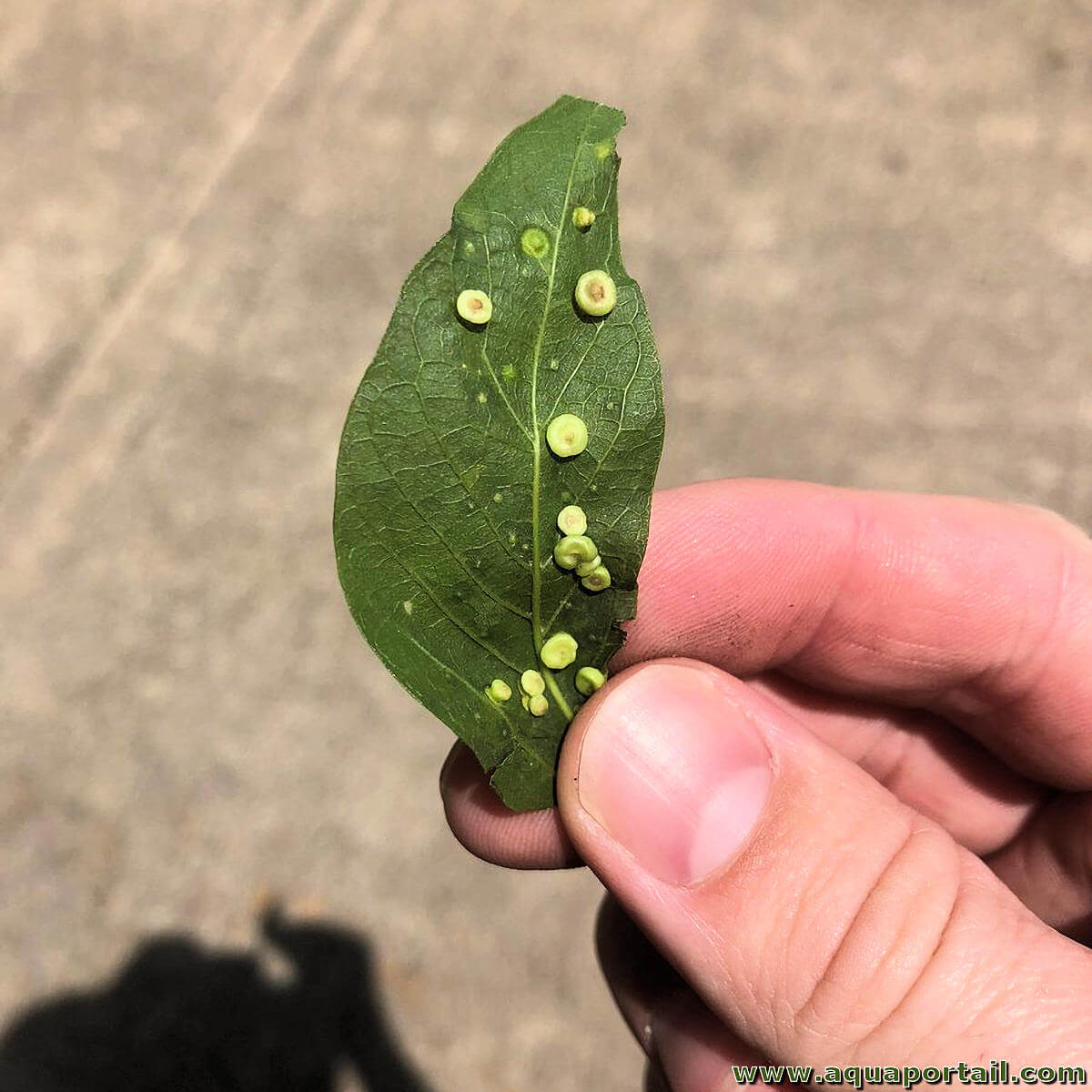
An umbilicated shape resembles an umbilicus. In botany, an umbilicated leaf blade exhibits a depression at its center, like an umbilicus.
