Urea
noun (n.)
Definition
Urea is a small nitrogen-containing molecule which, in animals, constitutes the final breakdown product of amino acids. It is eliminated from metabolism via urine. Blood urea levels reflect kidney function. Ureas are diamides of carbonic acid, constituting a form of elimination of purine or protein nitrogen.A urea-based fertilizer:

Urea-based fertilizers are widely used in agriculture. They are considered a cost-effective source of nitrogen.
Explanations
Urea (or carbamide) is a waste product of many living organisms and constitutes the main organic component of animal urine. Indeed, urea lies at the end of the chain of reactions that break down the amino acids making up proteins.
Urea is an essential organic compound
As an organic compound [CO(NH2)2], urea originates from the breakdown of amino acids in the liver. In nature, urea is excreted in mammalian urine. Commercial urea-based fertilizers are produced by reacting ammonia with carbon dioxide. It is used industrially for the synthesis of certain plastics and especially for the manufacture of nitrogen fertilizers. This substance can be used as an organic fertilizer source by a large number of algae, for example.
In mammals, anurans, fish, and certain insects, urea is a white, crystalline non-protein organic nitrogen compound artificially manufactured from ammonia and carbon dioxide. It was first synthesized by Wöhler in 1828. This non-electrolytic compound contains 46% N that is readily water-soluble in the amide form (NH2). It is the most concentrated solid nitrogen fertilizer. It is produced as prills or granules of varying sizes. It is hydrolyzed in the soil by the enzyme urease to produce ammonium and subsequently nitrate ions. Used as a solid nitrogen fertilizer in soils, for foliar application, and as a component of NP/NPK complexes, it produces an acidifying effect on soils. It can sometimes be enriched with zinc and iron.
⭐ See also compounds based on urea and formaldehyde: urea-formaldehyde.
✅ Acylurea is a class of insect growth regulators.
Ureas and thioureas (polyureas) are available under various names, such as diuron, fluometuron, isoproturon, linuron, buturon, chlorbromuron, chlortoluron, chloroxuron, difenoxuron, fenuron, methiuron, metobromuron, metoxuron, monuron, neburon, parafluron, siduron, tebuthiuron, tetrafluron, and thidiazuron. In general, polyureas have low acute toxicity and are unlikely to pose any hazard under normal use, with the exception of tebuthiuron, which may be slightly hazardous.
Properties
In solid form, urea is supplied as prills or granules. Granules are slightly larger and denser than prills. Both prilled and granular urea fertilizers contain 46% N.
Nitrogen leaching and volatilization rates are generally higher when using the granular form. Consequently, granular urea fertilizers are 15 to 20% more effective than prills.
Urea fertilizers are highly soluble (solubility of 1,079 g/L at 20 °C / 68 °F). Therefore, in addition to soil applications, urea fertilizers can also be used in fertigation or foliar application. However, urea fertilizers should not be used in soilless culture, as urea will immediately leach out of the container.
The NPK grade of a solid urea fertilizer is 46–0–0. Another fertilizer containing a high concentration of urea is urea ammonium nitrate (UAN). UAN is a liquid fertilizer containing between 28% and 32% nitrogen; 50% of the nitrogen is urea, 25% is ammoniacal nitrogen, and 25% is nitric nitrogen.
Ureas have low acute toxicity and do not cause developmental or reproductive toxicity, with the exception of monolinuron, linuron, buturon, and tebuthiuron, which are known to cause certain developmental malformations in laboratory animals. Linuron produced a high incidence of malformations in rat fetuses when administered by gavage, though the chemical showed no teratogenic potential in rabbits fed via diet. Monolinuron caused cleft palate in mice. Minor abnormalities were reported in rat fetuses born to mothers exposed to isoproturon during the organogenesis period (GD 6 to 15). In general, cattle are more sensitive to polyurea herbicides than sheep, cats, and dogs.
Urea amidolyase
Urea amidolyase is an enzyme catalyzing the breakdown of urea in chlorophytes, whereas this role is performed by urease in streptophytes and ulvophytes.
Neem-coated urea
Neem-coated urea specifies that urea granules are coated either with an extract obtained from neem seeds or with finely powdered neem cake. The coated product is more efficient than uncoated urea granules, reduces nitrogen losses, and increases nitrogen (N) use efficiency. It is a more environmentally friendly product, particularly under conditions favoring significant nitrogen losses.
Synonyms, antonyms
Spanish translation: urea
3 synonyms (similar meaning) for "urea":
0 antonyms (opposite meaning).
Related words and expressions to UREA are directly connected by general or specific meaning.
The word UREA is listed on page 1 of words starting with U in the dictionary glossary.
Related to "urea"
urease

Urease is the enzyme that splits urea (catalyzing the hydrolysis of urea) into ammonia and carbon dioxide or into ammonium carbamate and carbonate; since...
murine
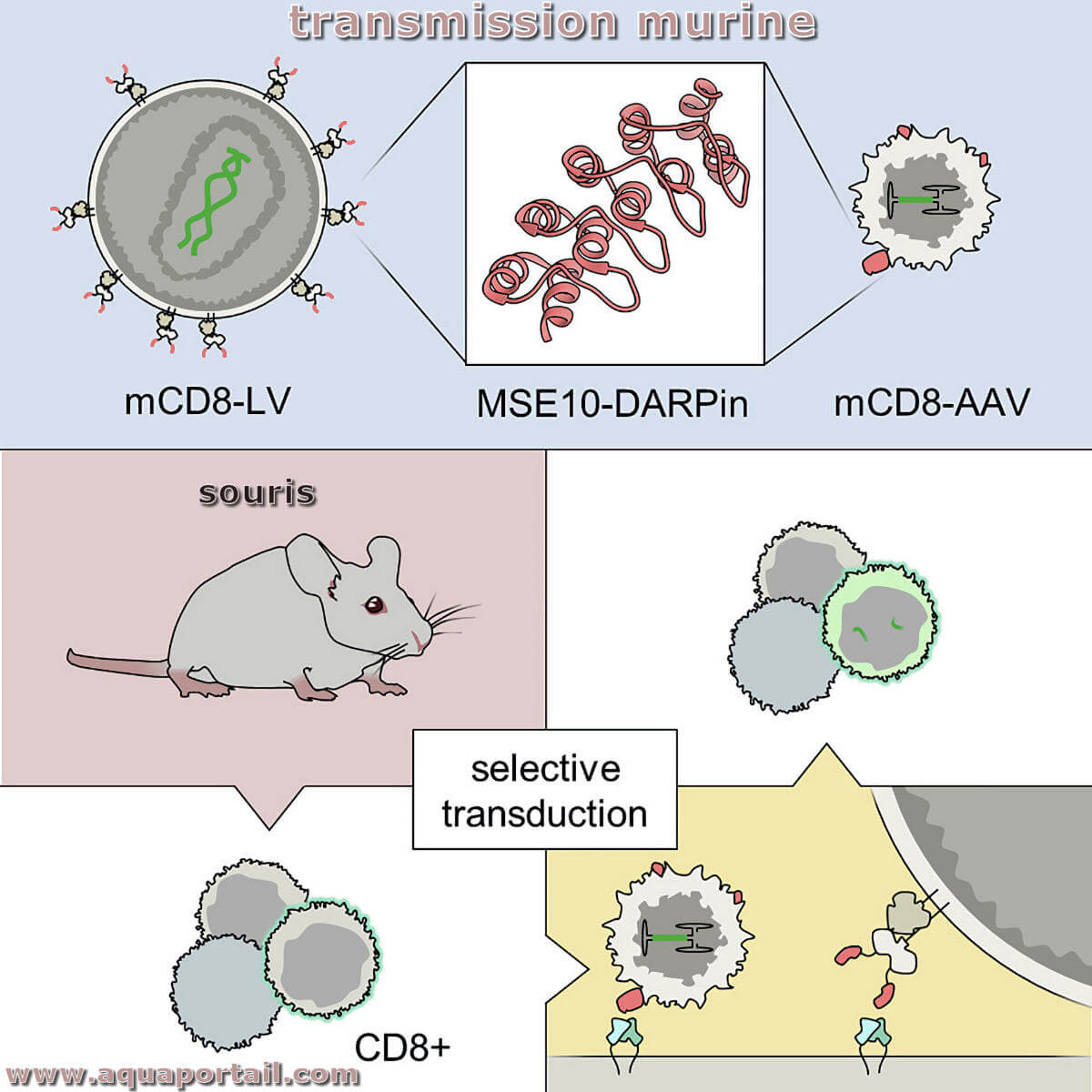
Murine pertains to or affects mice, rats, or related rodents (family Muridae), and bats. For example, murine leukemia is caused and transmitted by the house...
ultraviolet
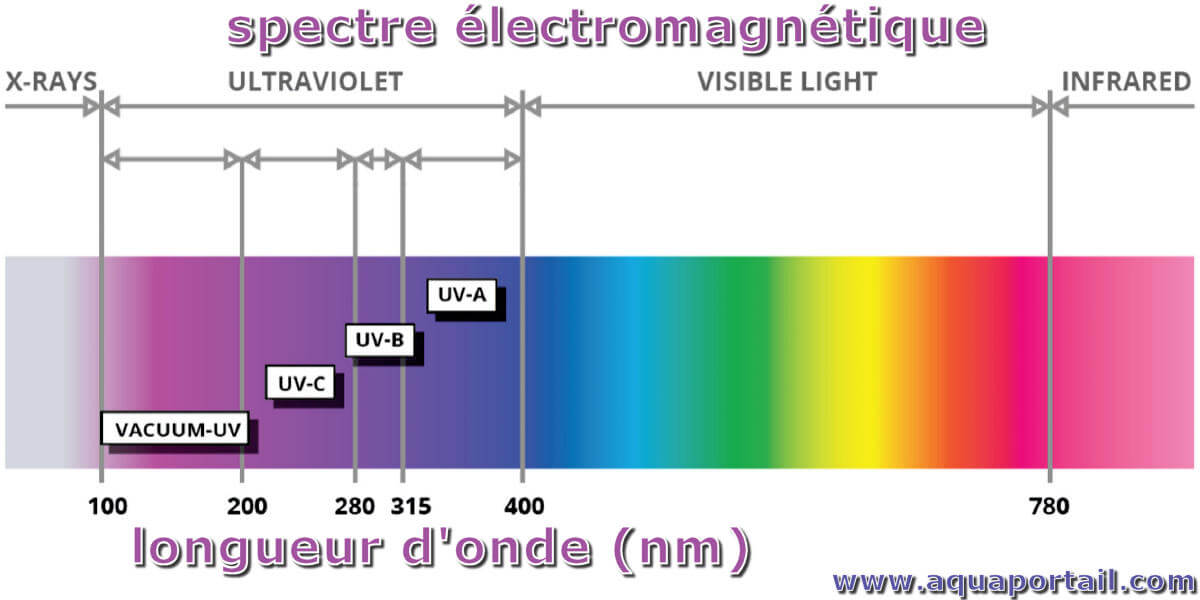
Ultraviolet, also abbreviated UV, refers to electromagnetic radiation with wavelengths between those of the violet end of the visible spectrum and those...
umami

Umami is one of the five basic tastes sensed by humans, alongside sour, sweet, bitter, and salty.
