Sheep
noun (n.)
Definition
The sheep is a domesticated ruminant, the species Ovis aries within the Caprinae, living in flocks and recognizable by its thick woolly fleece. A male sheep is called a ram, a female is a ewe, and a young sheep is a lamb.
A domestic sheep:
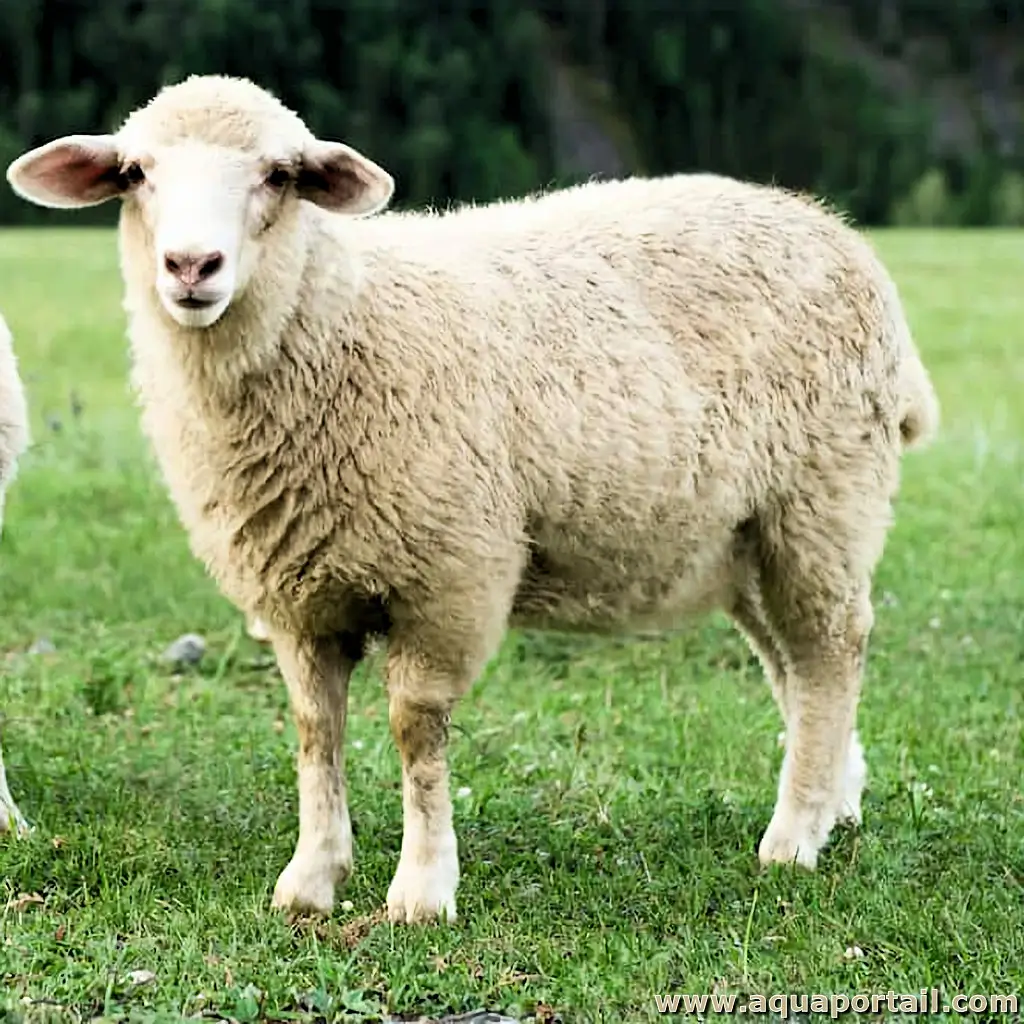
Sheep, known scientifically as Ovis aries, are domesticated mammals renowned for their woolly fleece and widespread presence around the world. These animals have played a vital role in human society for millennia, primarily for their wool, meat, and milk. Members of the family Bovidae, they are closely related to goats, although they exhibit marked differences in behavior and physical traits.
Explanations
Sheep are domesticated ungulate mammals equipped with a four-chambered stomach. Domestic sheep are raised primarily for their wool, milk, and meat. These herbivorous animals are frequently associated with pastoral farming (eco-grazing) and have been an integral part of agriculture for millennia across diverse cultures and regions.
Sheep generally possess a compact, robust build and a stocky stature that supports effective adaptation to varied environments. They bear a thick fleece of wool which, beyond its thermoregulatory function, represents a major commercial resource for humans, processed into textiles and garments. This wool is distinguished by its crimp and elasticity, granting it broad versatility.
A ram:
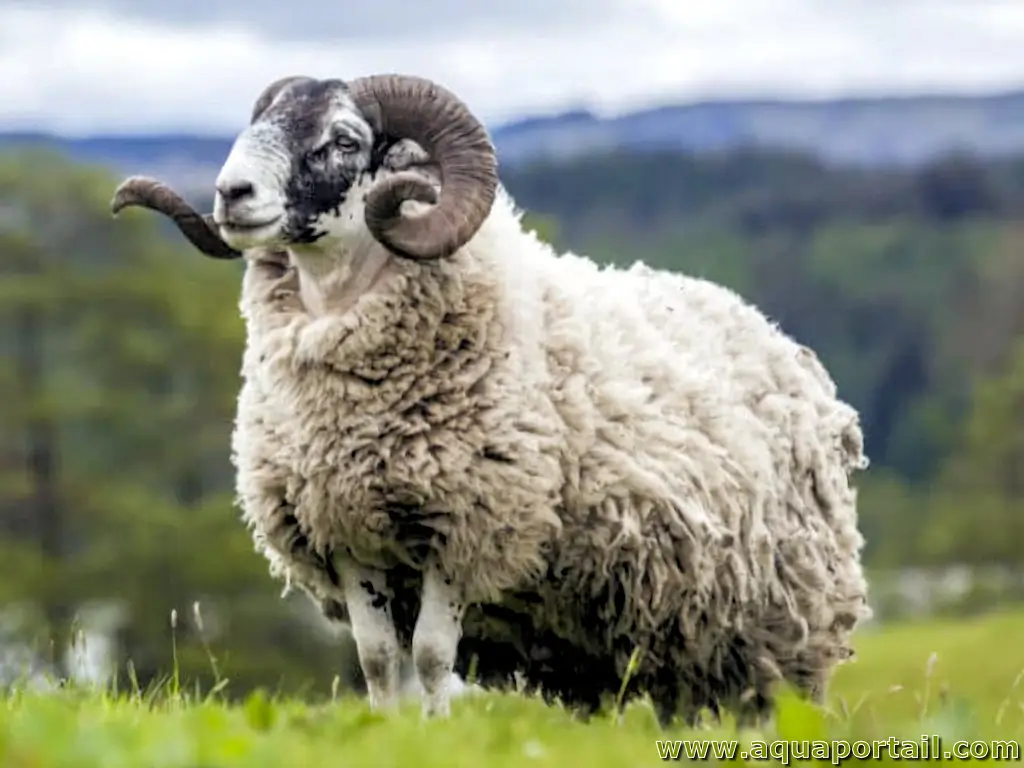
The adult male sheep, called a ram, differs from females and especially lambs by its prominent horns that grow larger with age.
Numerous sheep breeds exist worldwide, each adapted to specific climates and purposes. Some breeds are prized especially for wool production, whereas others are raised mainly for meat or milk. For instance, the Merino sheep is world-renowned for the fineness of its wool, while breeds such as Suffolk or Dorset are typically raised for meat.
Sheep are herbivores whose diet consists primarily of grasses and other low-growing vegetation. Their grazing habits can benefit agriculture by helping maintain pasture health and curbing weed proliferation, though careful grazing management is necessary to prevent soil degradation.
Naturally social animals, sheep exhibit a strong flocking instinct. They rely heavily on this group behavior to move together and defend against predators. Herders frequently leverage this grouping tendency by using herding dogs and lead animals to guide flocks during grazing or transhumance.
Reproduction is seasonal; females, called ewes, typically give birth to one or two offspring, known as lambs. The lambing season is a critical period for breeders, requiring close monitoring and care to ensure the health and survival of both mothers and their young.
Despite their utility, sheep face survival threats from predators such as wolves and coyotes. To counter this, herders often employ protective measures including livestock guardian animals and secure enclosures. Sheep are also susceptible to various diseases, requiring regular veterinary care to prevent outbreaks within the flock.
Sheep hold an important place both culturally and economically across societies. In many cultures, they symbolize purity and innocence; religious texts frequently mention them, reinforcing their spiritual symbolism. Economically, they form a cornerstone of rural economies worldwide, supporting industries such as wool processing, meat production, and dairy manufacturing (e.g., cheese) from their milk.
Synonyms, antonyms
Spanish translation: oveja
4 synonyms (similar meaning) for "sheep":
0 antonyms (opposite meaning).
Related words and expressions to SHEEP are directly connected by general or specific meaning.
The word SHEEP is listed on page 1 of words starting with S in the dictionary glossary.
Related to "sheep"
eco-grazing
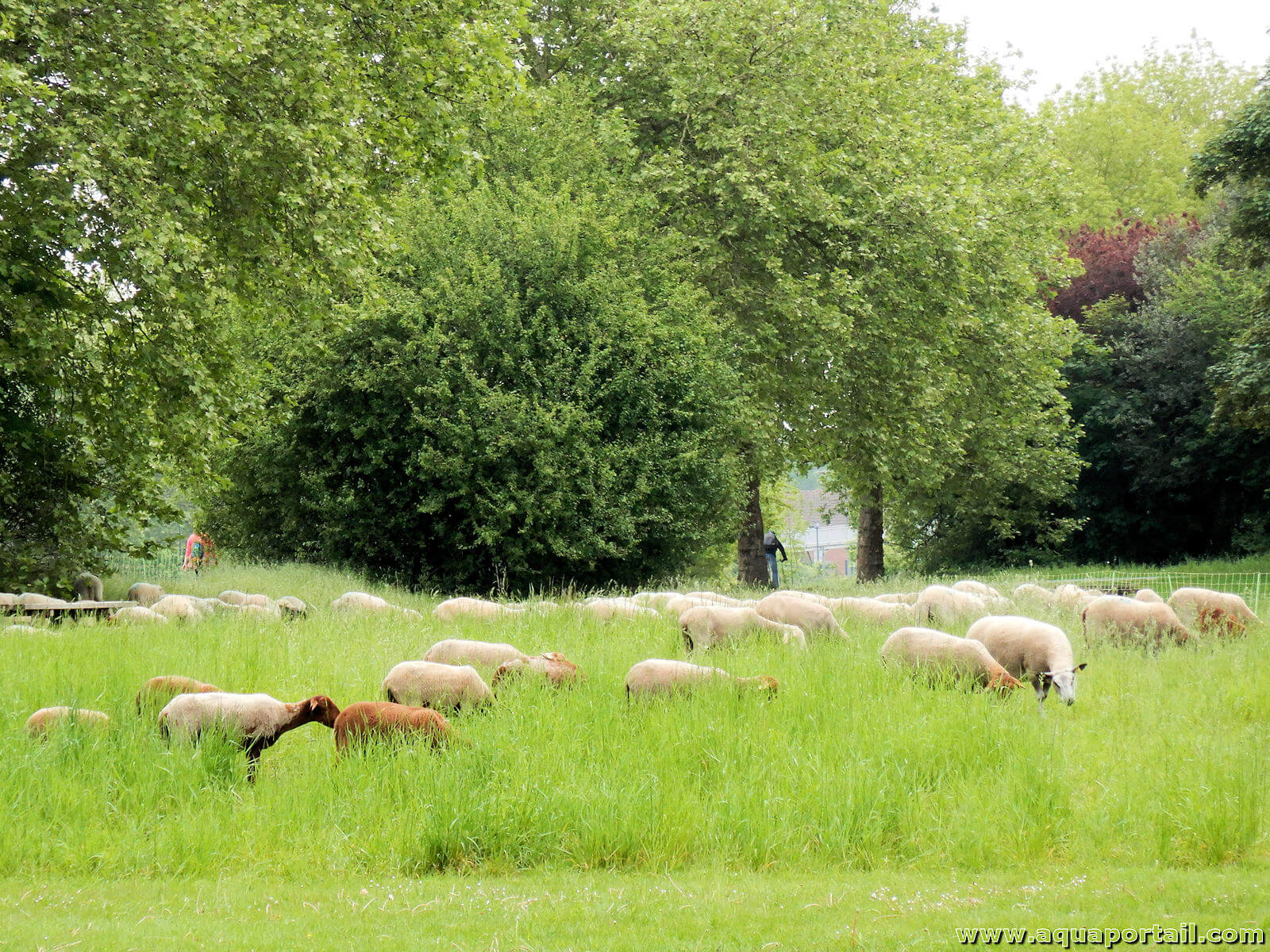
Eco-grazing is ecological grazing carried out with small ruminants on a meadow or green space in an urban environment.
salt marsh lamb
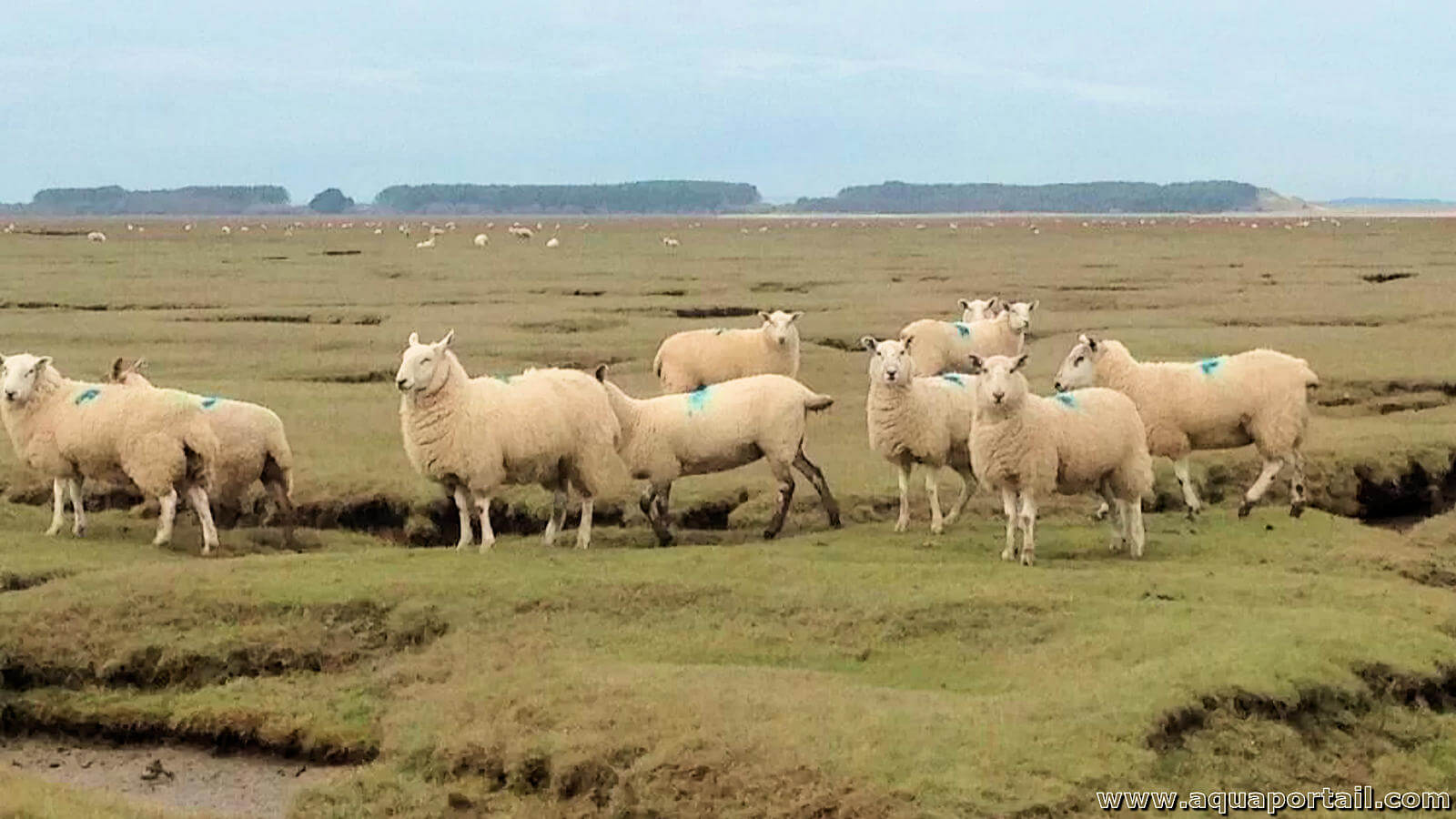
A salt marsh lamb (pré-salé) is a sheep that grazes habitually on coastal salt marshes, feeding on salt-tolerant grasses and herbs.
saccharide

A saccharide is a carbohydrate, a biomolecule composed of carbon, hydrogen, and oxygen atoms, usually with a hydrogen-to-oxygen atomic ratio of 2 :1.
sagittocyst

A sagittocyst is a capsule containing a spindle-shaped needle produced by epidermal cells of certain flatworms (acoels).
Simple summary
Sheep are ruminant mammals belonging to the genus Ovis, specifically the species Ovis aries, known for their woolly fleece and worldwide domestication. Individuals are distinguished by sex and age: the male is called a ram, the female a ewe, and the young a lamb. Sheep have played an essential role in agricultural practices throughout history, valued for their wool, meat, and milk. Their domestication has fostered substantial genetic diversity, adapting these animals to diverse environments and uses within human society.
