Lysosome
noun (n.)
Definition
A lysosome is a membrane-bound vesicular organelle containing hydrolases involved in intracellular digestion. It defines an organelle enclosing digestive enzymes.
Lysosomes are relatively large organelles formed by the Golgi apparatus that contain hydrolytic and proteolytic enzymes responsible for degrading intracellular material of external origin (heterophagy) or internal origin (autophagy) delivered to them.
An animal cell lysosome:
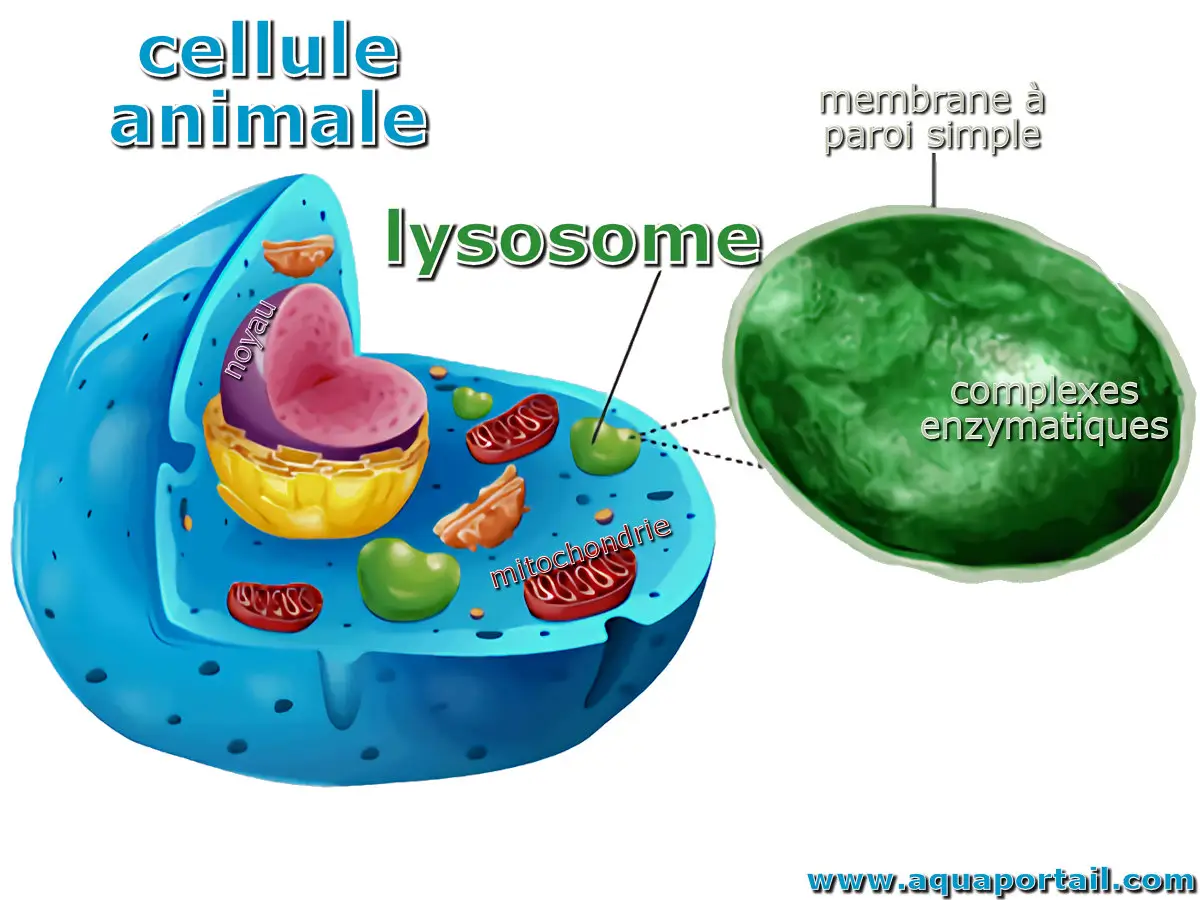
Lysosomes are membrane-bound organelles housing various enzymes capable of degrading all types of biological polymers, including proteins, nucleic acids, carbohydrates, and lipids. Acting as the cell's digestive system, lysosomes serve a dual function: processing substances taken up from outside the cell and digesting damaged cellular components. Although often depicted as dense spherical vacuoles in their simplest form, lysosomes can vary widely in size and shape depending on the nature of the digested material. Despite this structural diversity, their primary function—degrading intracellular substances—remains shared.
Explanations
Lysosomes are responsible for cellular digestion. They are spherical structures enclosed by a single membrane. They are enzyme-filled vesicles that, if massively released, would destroy the entire cell. This implies that the lysosomal membrane protects the rest of the cell from these enzymes. The size of a lysosome ranges between 0.1 and 1.2 μm.
Lysosomes were discovered by the Belgian biochemist Christian de Duve in 1955 (Nobel Prize in 1974). Initially, lysosomes were thought to be identical in all cells, but their dimensions and contents were found to be highly variable. They are present in nearly all animal cells.
In eukaryotes, a lysosome has an internal pH around 5 and contains acid hydrolytic enzymes. These enzymes are inactive at neutral intracellular pH (around 7.2), preventing autolysis of the cell in the event of minor leakage from the lysosome into the cytosol.
Lysosomal enzymes
The pH inside lysosomes is approximately 4.8 (much more acidic than the neutral cytosol) because hydrolases function optimally at acidic pH. The lysosomal membrane stabilizes this pH by pumping H+ ions from the cytosol (via an ATP-dependent proton pump) and also protects the cytosol and the rest of the cell from the digestive enzymes inside the lysosome.
Lysosomal enzymes can digest bacteria and other substances that enter the cell via phagocytosis or other endocytic processes.
Lysosomes use their enzymes to recycle various cellular organelles, engulfing them, digesting them, and releasing their breakdown products into the cytosol. In this way, cellular components are continuously renewed through the organelle-digestion process called autophagy. For example, organelles in liver cells are continuously renewed over a cycle of a few days to two weeks.
The most important enzymes of the lysosome are:
- lipases, which digest lipids
- glycosidases (glucosidases), which digest carbohydrates
- proteases, which digest proteins
- nucleases, which digest nucleic acids.
Certain lysosomal enzymes, particularly cysteine cathepsins, require at least one, and sometimes several, free -SH groups from cysteine residues for full activity. Such enzymes are called sulfhydryl (or thiol, -SH) enzymes. If the -SH groups are oxidized to disulfide bonds (-S-S-) or blocked by an alkylating agent such as iodoacetamide (ICH2CONH2 + E-SH → E-SCH2CONH2 + HI), enzymatic activity is destroyed. These enzymes are also highly sensitive to metal ions such as Cu2+ and Hg2+, which bind to -SH groups.
Primary lysosomes are organelles derived from the endomembrane system. Each primary lysosome is a vesicle budding from the Golgi apparatus containing hydrolytic enzymes (hydrolases). Hydrolases are synthesized in the rough endoplasmic reticulum and travel to the Golgi apparatus via vesicular transport.
There they undergo terminal glycosylation (a chemical process in which a carbohydrate is added to another molecule) yielding oligosaccharide chains bearing mannose-6-phosphate (mannose-6-P). Mannose-6-P is the molecular tag that directs enzymes into the lysosomal pathway.
A disorder has been studied (mucolipidosis type II) in which hydrolases lack this marker; Golgi receptors fail to recognize them and package them into secretory vesicles for exocytosis, causing patients with this condition to accumulate hydrolases in the extracellular space while their lysosomes lack them.
Secondary lysosomes and cellular digestion
Secondary lysosomes contain various hydrolytic enzymes capable of degrading nearly all organic molecules. These hydrolases are brought into contact with their substrates when primary lysosomes fuse with other vesicles, forming a secondary lysosome. Consequently, digestion of organic molecules takes place within secondary lysosomes, as they contain both substrates and enzymes capable of breaking them down.
There are several forms of secondary lysosomes, depending on the origin of the vesicle fusing with the primary lysosome:
- phagolysosomes: arise from the fusion of a primary lysosome with a phagocytic vesicle, called a phagosome. They are found, for example, in white blood cells capable of engulfing foreign particles that are subsequently digested by these cells
- autophagolysosomes: result from the fusion of a primary lysosome with an autophagic vacuole or vesicle (autophagosome). Certain cytoplasmic organelles are engulfed in vesicles, whose membranes derive notably from endoplasmic reticulum cisternae, to be recycled when these autophagic vesicles fuse with primary lysosomes.
What remains of the secondary lysosome after digestion is a residual body. Residual bodies contain indigestible waste (exogenous or endogenous) that accumulates in the cytosol as the cell ages. Examples of residual bodies are lipofuscin granules observed in long-lived cells such as neurons.
Lysosomal diseases
These are diseases caused by the dysfunction of certain lysosomal enzymes or by the uncontrolled release of these enzymes into the cytosol, resulting in cell lysis.
In some cases, enzyme release plays a physiological role, enabling the resorption of structures that are no longer needed, such as the tadpole tail during metamorphosis.
Lysosomes are membrane-bound organelles containing more than 40 different digestive enzymes that catalyze the breakdown of nucleic acids, proteins, polysaccharides, and lipids. A number of human syndromes are caused by mutations in genes encoding lysosomal enzymes. These syndromes, called lysosomal storage diseases, are generally caused by recessive mutations. The best-known syndrome of this type is Tay-Sachs disease, caused by homozygosity for a recessive mutation in a gene on chromosome 15 at position 15q23-q24.
Synonyms, antonyms
Spanish translation: lisosoma
2 synonyms (similar meaning) for "lysosome":
- autophagolysosome
- phagolysosome
0 antonyms (opposite meaning).
Related words and expressions to LYSOSOME are directly connected by general or specific meaning.
The word LYSOSOME is listed on page 1 of words starting with L in the dictionary glossary.
Related to "lysosome"
bacterial artificial chromosome
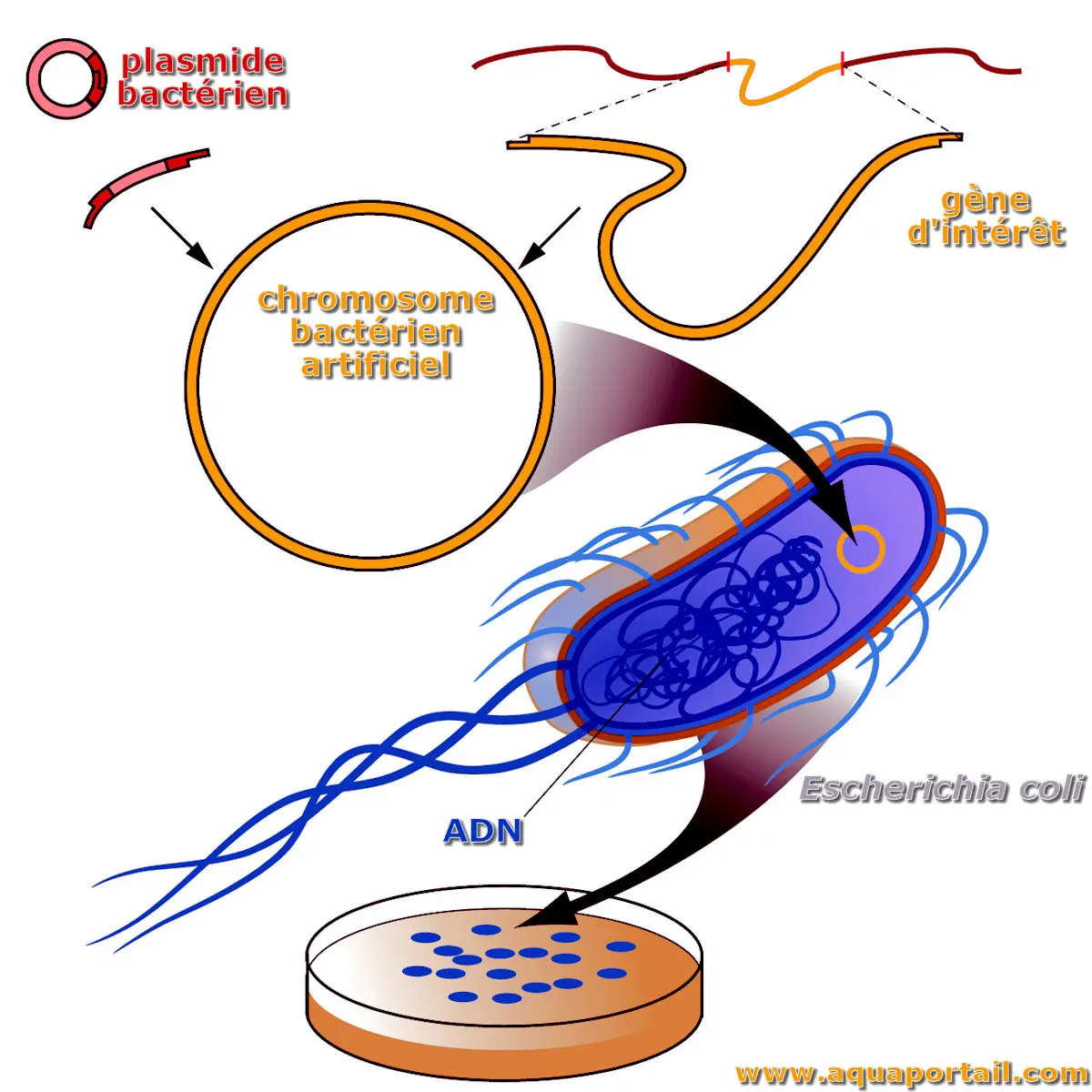
A bacterial artificial chromosome (BAC) is a DNA construct, based on a functional fertility plasmid or F-factor, used for transformation and bacterial cloning...
centrosome
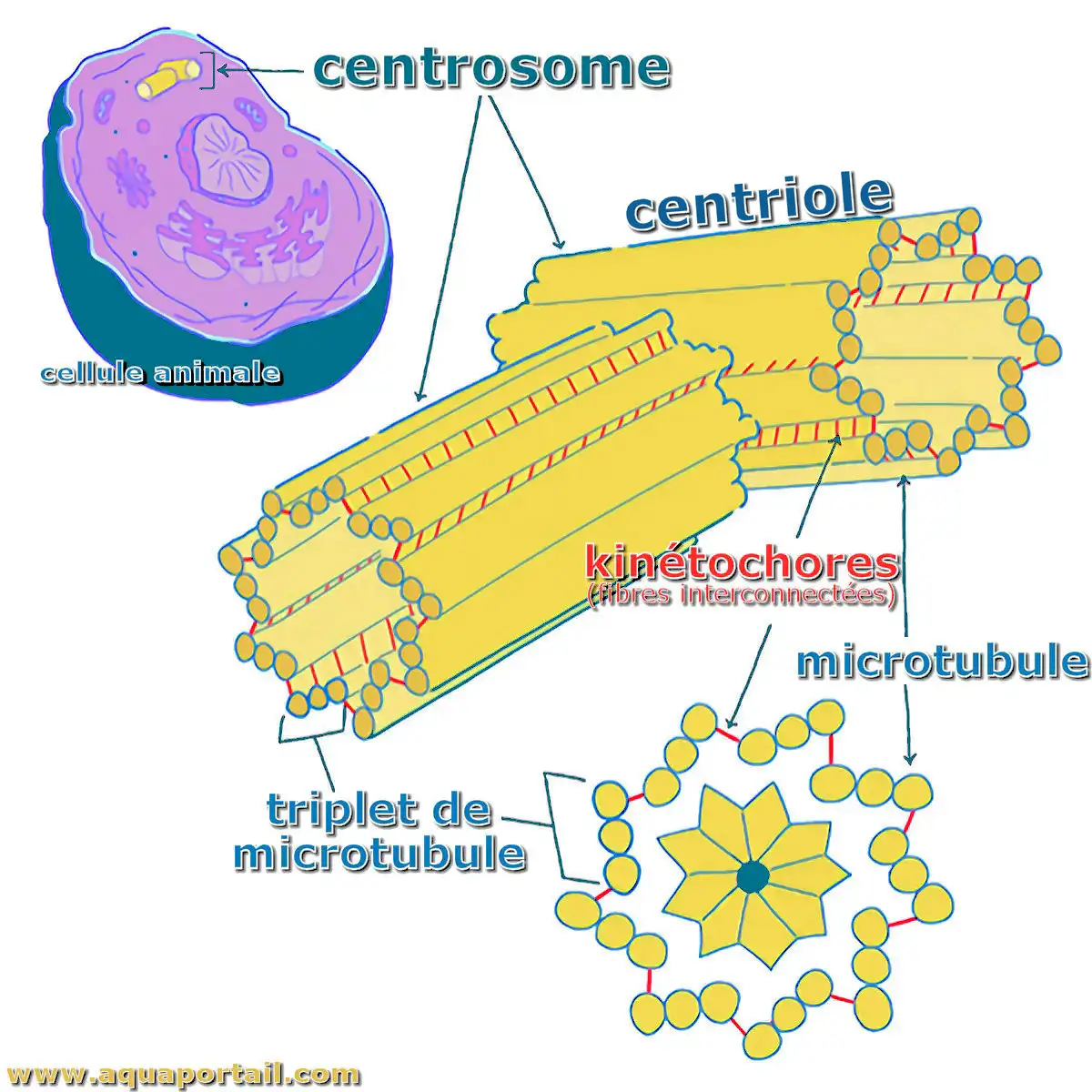
The centrosome is a cytoplasmic cellular organelle that acts as a microtubule-organizing center for nucleation in animal cells.
dictyosome
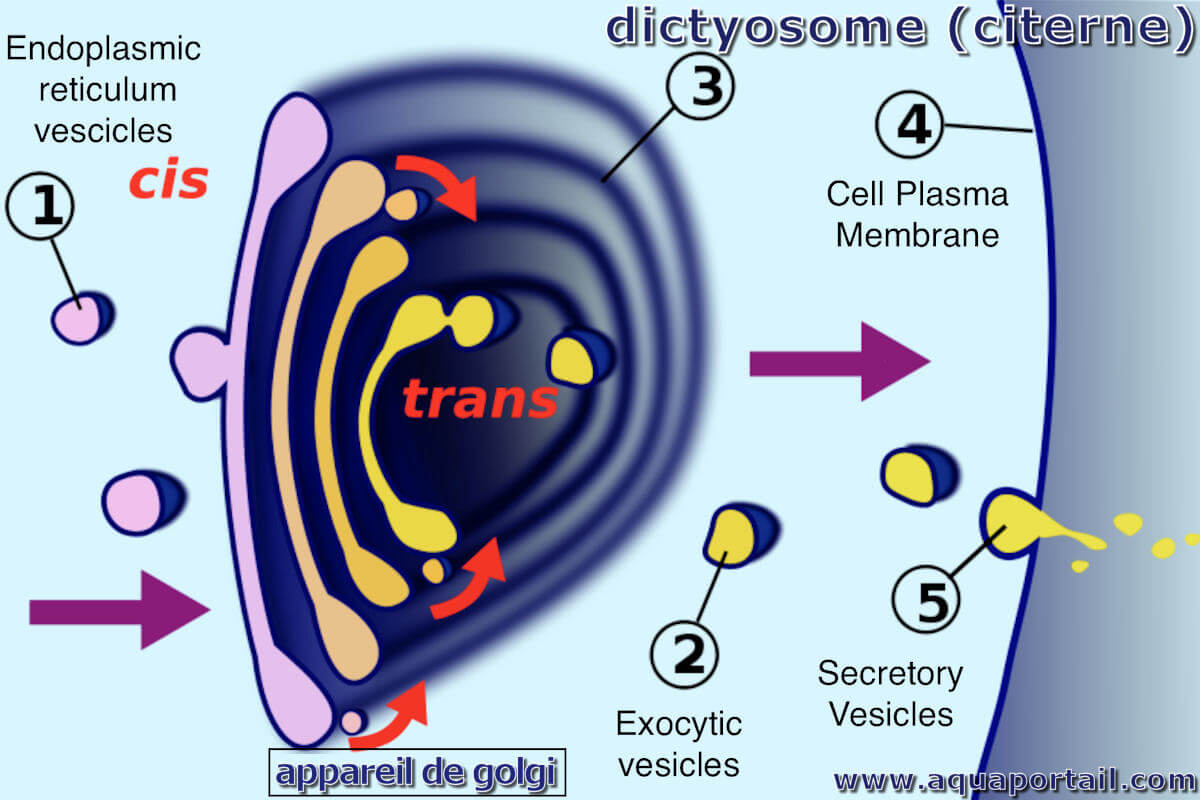
A dictyosome is a stack of flattened, membrane-bound cellular cavities shaped like small concave disks; these cavities are called cisternae.
ejectosome
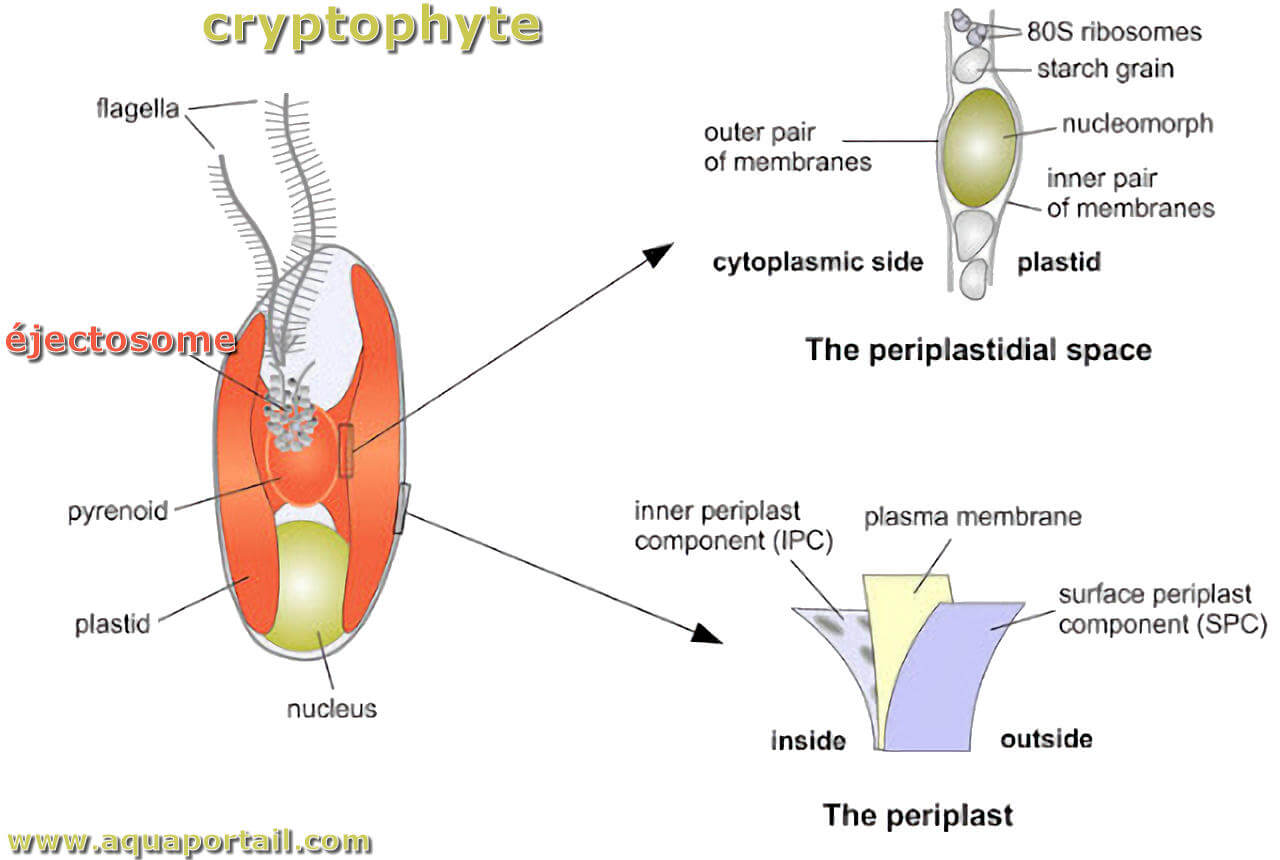
An ejectosome is a cellular organelle responsible for ejecting its contents from the cell. In cryptophytes, it is also referred to as a trichocyst.
