Lugol
proper noun
Definition
Lugol's solution is a reagent composed of molecular iodine I2 and potassium iodide KI in aqueous solution in reverse osmosis or distilled water, or in alcoholic solution, staining amylose blue-black and staining amylopectin, glycogen, as well as cyanophycean and floridean starches brown.
Lugol's reagent is the source of iodine water and serves as an iodo-iodide reagent for amyloid detection.
By definition, Lugol's reagent is a substance used in chemical and biological analytical laboratories as a stain to label cellular structures during microscopic observation or to detect the presence of starch. The reagent is a light brown aqueous iodine solution, an odorless iodine water.
A bottle of Lugol's solution:

Lugol is marketed as an aqueous solution at a concentration of 5% to 15%. The 5% Lugol's solution is the most common. The percentage indicates the iodine concentration. It was first prepared in 1829 and is named after the French physician Jean Guillaume Auguste Lugol (1788–1851), who suggested its use in treating tuberculosis.
Explanations
The product "Lugol" is commonly used as a disinfectant and antiseptic in pharmacopoeia, and as an iodine test reagent in medical and laboratory diagnostics. It serves as a histological stain or qualitative analytical reagent; in laboratory practice, there is some variability in the proportions of its constituent substances. This solution is used as an indicator in the iodine test to identify polysaccharides such as starches, glycogen, and certain dextrins, forming a thermolabile inclusion complex characterized by different colors depending on the branching present in the polysaccharide molecule. Lugol's reagent does not react with simple sugars such as glucose or fructose.
It has also been used to treat iodine deficiencies; however, the use of pure potassium iodide is preferred due to the absence of diatomic iodine, the molecular form that can be toxic with continuous intake.
Lugol's solution can be used as a cellular stain, making the cell nucleus more visible under microscopy and preserving phytoplankton samples. Lugol's solution can also be used to observe how the cell membrane carries out osmosis, phagocytosis, and diffusion.
Lugol's solution consists of 20 grams (0.71 oz) of diatomic iodine and 40 grams (1.41 oz) of potassium iodide dissolved in one liter (0.26 gal) of distilled water. The chemical formulation with potassium iodide facilitates the dissolution of diatomic iodine due to the formation of triiodide ions I3-.
Lugol's solution must not be confused with tincture of iodine, which is diatomic iodine consisting of salts and iodine dissolved in a mixture of water and ethyl alcohol (ethanol). Lugol's solution contains no alcohol.
A drop of Lugol's solution on a slice of bread:

A slice of bread onto which a drop of Lugol's reagent is poured reveals the presence of starch. Starch produces a very intense blue-violet coloration, tending toward black, due to the presence of amylose.
Starch is composed of two macromolecules, amylose and amylopectin. The triiodide ion I3- tends to complex with amylose by binding inside the helical chain of the glucose monomer structure. The resulting complex absorbs light, producing a deep dark blue color.
Synonyms, antonyms
French translation:
lugolSpanish translation: lugol
3 synonyms (similar meaning) for "lugol":
- Betadine
- iodine water
- Lugol's solution
0 antonyms (opposite meaning).
Related words and expressions to LUGOL are directly connected by general or specific meaning.
The word LUGOL is listed on page 1 of words starting with L in the dictionary glossary.
Related to "Lugol"
amylopectin

Amylopectin is a fraction of starch composed of molecules (glucans) related to amylose but branched.
amylose
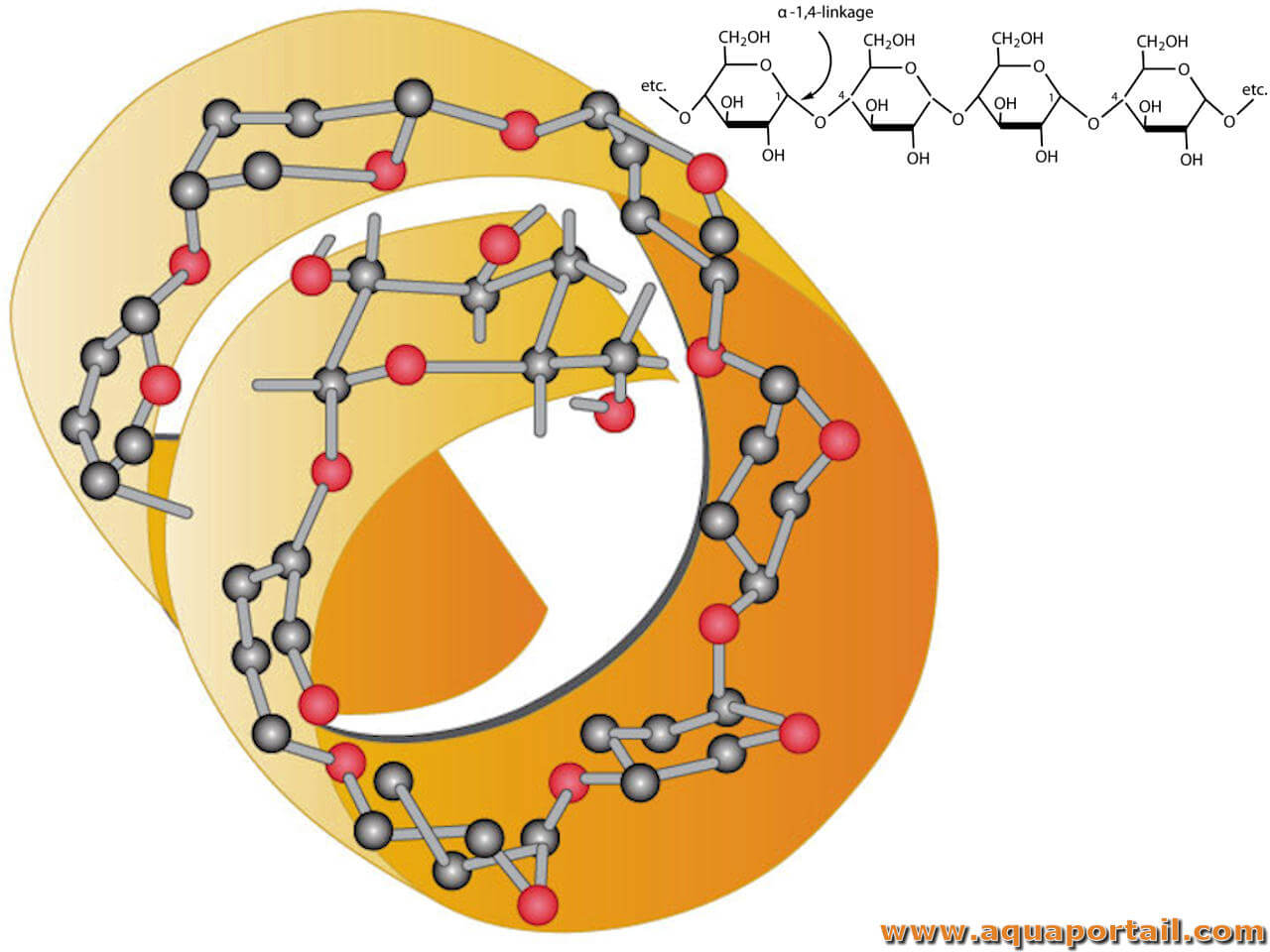
Amylose is a fraction of starch composed of unbranched polysaccharides (glucans) of 300 to 1,000 glucose units joined by α-(1,4) linkages.
starch
Starch, with the chemical formula (C₆H₁₀O₅)n, is a reserve carbohydrate substance in various organisms, composed of more or less branched glucan molecules.
L-form bacteria
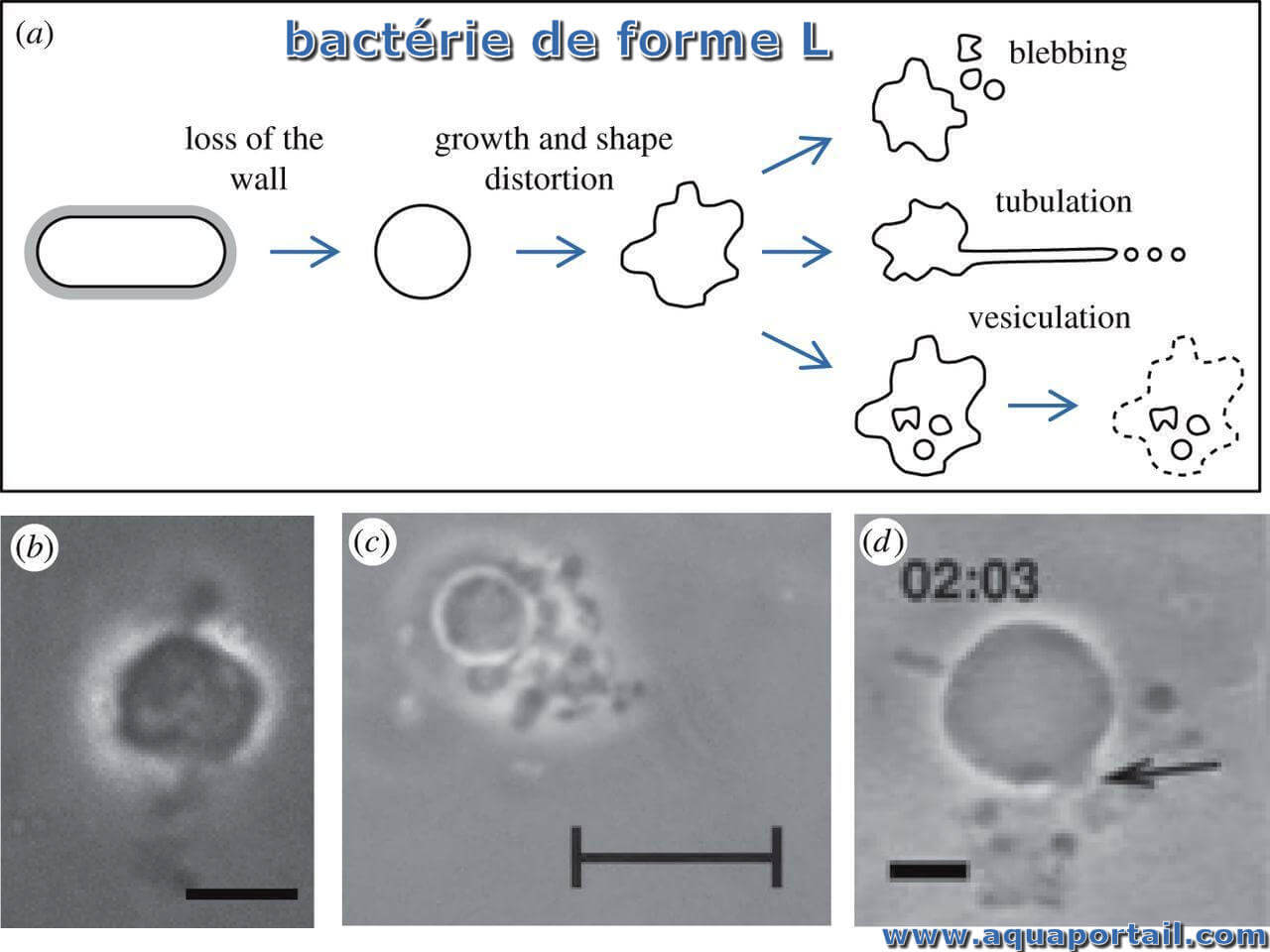
L-form bacteria originate from a strain of bacteria that lack cell walls while retaining the ability to grow.
