LUCA
abbreviation (abbr.)
Definition
LUCA is an English acronym for Last Universal Cellular/Common Ancestor. LUCA designates the most recent common ancestor of all living organisms, hypothesized to have lived on Earth in aquatic environments approximately 3.8 to 4.2 billion years ago. It is defined as the hypothetical ancestral organism from which all modern cellular lineages descend.
The LUCA cell:

The most recent universal common ancestor, called LUCA, lived approximately 3.8 to 4.2 billion years ago in the primordial oceans. This ancestral cell, lacking a nucleus (prokaryote-like), already possessed a DNA genome, RNA, and ribosomes. This diagram is a simple illustration.
Explanations
This primordial ancestor is hypothetically the last common parental form of all present-day cellular organisms. It is postulated by monophyletic theories of the origin of life, which assume that all living beings on Earth (bacteria, archaea, plants, animals, fungi, and unicellular eukaryotes) can be traced back to a single cellular archetype, whereas all other contemporary, equally primitive lineages that likely existed on early Earth left no descendants in the modern biosphere.
As such, LUCA is the most recent common ancestor of all extant living organisms and likely also of all those known as fossils, although it cannot theoretically be ruled out that traces of other cellular lineages of equal or greater antiquity may one day be identified. The oldest widely recognized fossils of living organisms are the stromatolites of Greenland, dated to approximately 3,700 Ma.
According to molecular clocks and phylogenetic analyses, modern archaea and bacteria diverged very early, implying that LUCA lived around 4,100 to 4,200 million years ago.
The concept of the last universal common ancestor has also been extended not only to species of organisms, but also to the constituent systems of these organisms, and even to their organs or apparatuses. The Argentine neurobiologist Mario Crocco proposed using the concept in this context in the 1960s when he highlighted the bioelectric system controlling (rather than merely coordinating) the ciliary swimming of predatory protozoa, a control mechanism that enables them to track prey and position themselves to ingest it.
Under this framework, this mechanism represents the functional last universal common ancestor of the nervous system of multicellular animals, meaning that regardless of whether the initial morphologies of nervous systems arose independently on multiple occasions across various animal phyla, they retained the electropotential variation mechanisms that, in certain taxa, became specialized for higher neural functions. Similarly, though in a different comparative sense, the pharyngeal (branchial) arches constitute the shared ancestral structure of the hyoid apparatus and the Eustachian tube in vertebrates.
Synonyms, antonyms
Spanish translation: LUCA
2 synonyms (similar meaning) for "LUCA":
- DACU
- last universal common ancestor
0 antonyms (opposite meaning).
Related words and expressions to LUCA are directly connected by general or specific meaning.
The word LUCA is listed on page 1 of words starting with L in the dictionary glossary.
Related to "LUCA"
glucan
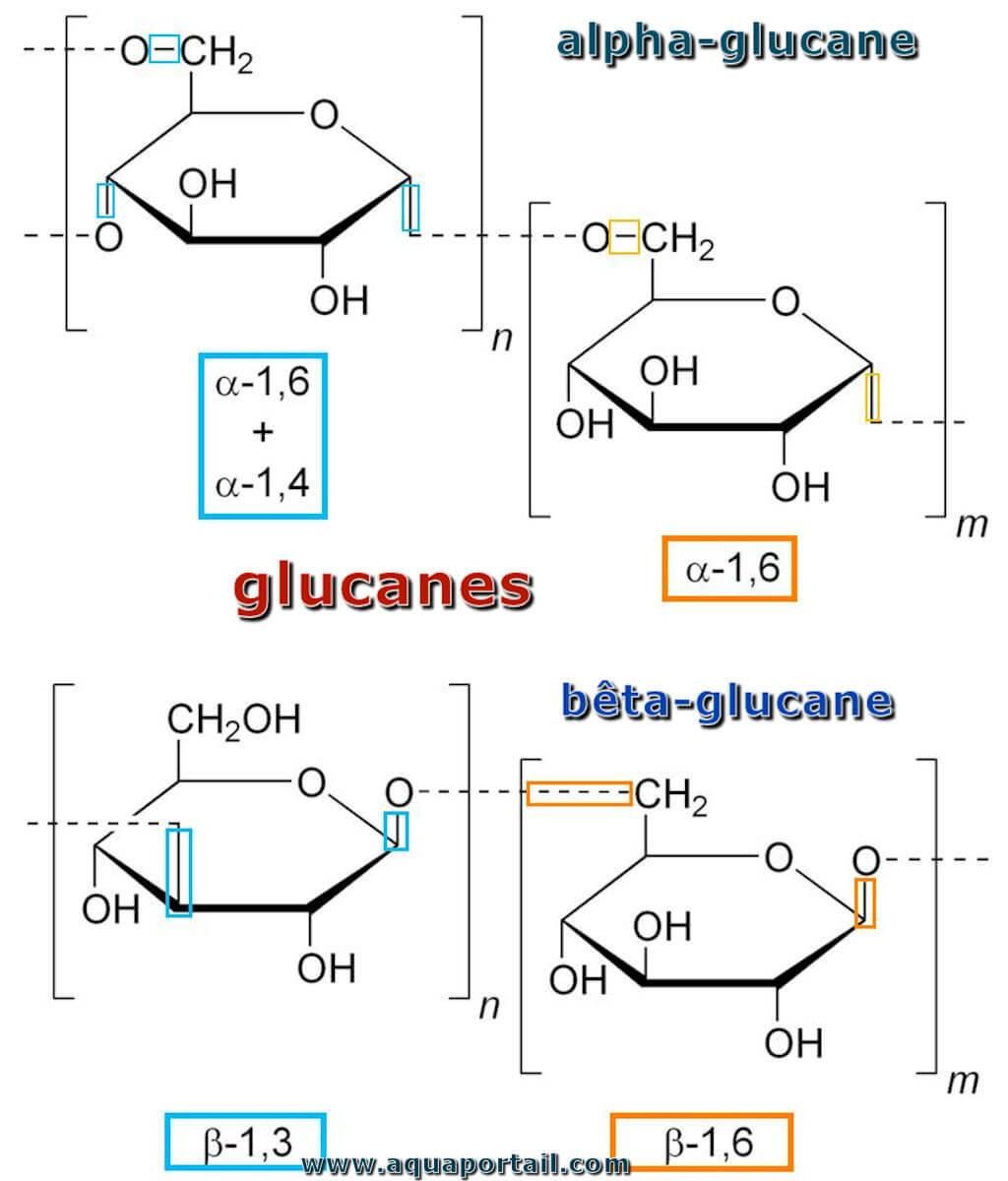
A glucan is a polymer of glucose that acts as a polysaccharide and serves as an immune cell activator.
L-form bacteria
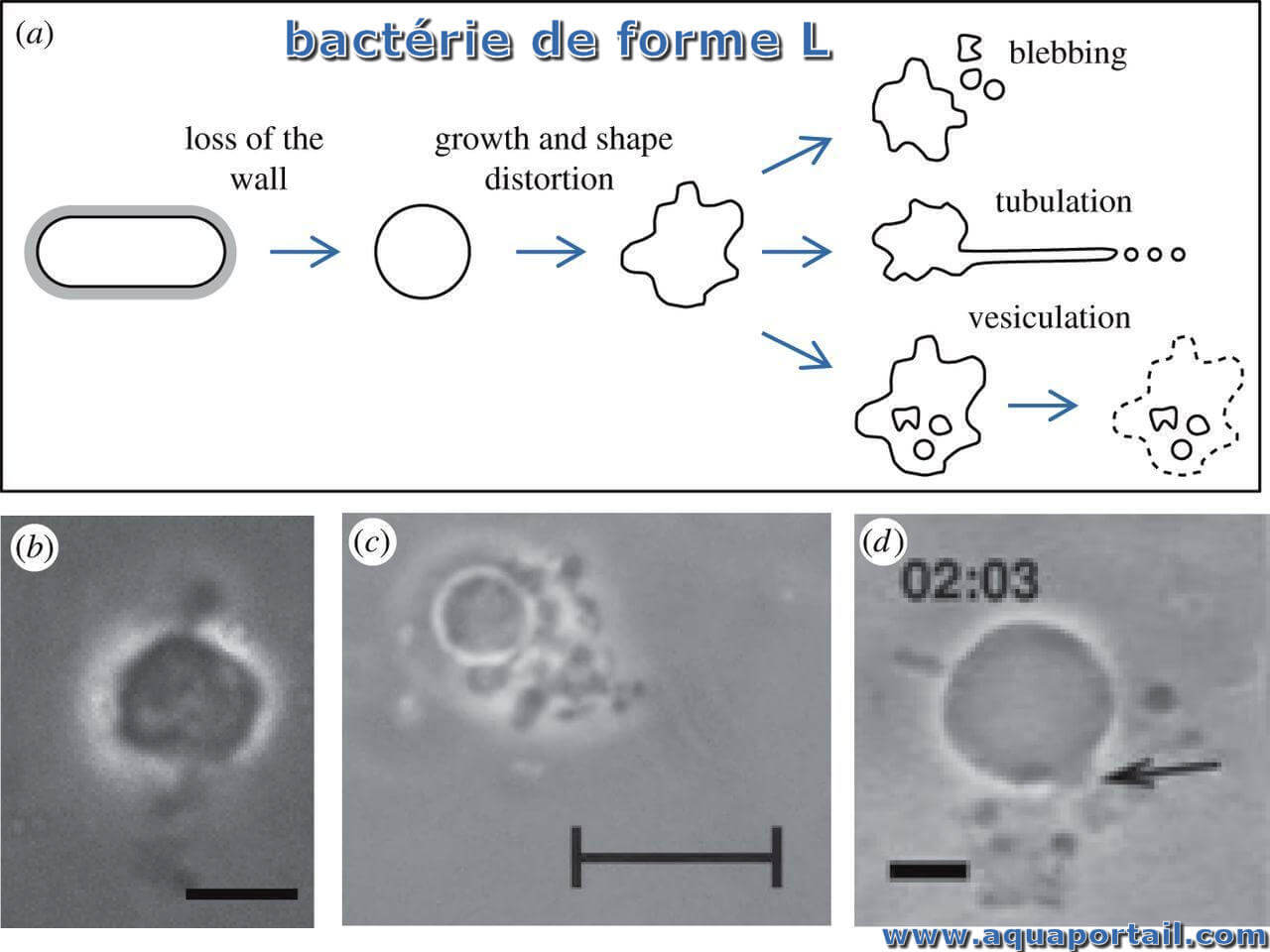
L-form bacteria originate from a strain of bacteria that lack cell walls while retaining the ability to grow.
lacustrine

A lacustrine organism lives, grows, or thrives in or near a lake. The lacustrine environment sometimes designates any body of calm, standing (lentic) water...
ladybug

The ladybug (ladybird or lady beetle) refers to a group of hemispherical coleopteran insects belonging to the family Coccinellidae.
