Lutein
noun (n.)
Definition
Lutein is an orange-yellow xanthophyll and, alongside β-carotene and lycopene, one of the most common carotenoids. It is a carotenoid pigment of plants and certain green and red algae, always absent in cyanobacteria. Lutein is used as a food coloring (E161b, yellow dye) and as a feed additive, particularly for poultry to impart a yellow color to egg yolks.The xanthophyll lutein is found in leaves, flowers, egg yolk, and the corpus luteum. Widely distributed in nature, it is always accompanied by zeaxanthin.
Foods containing lutein (and zeaxanthin):
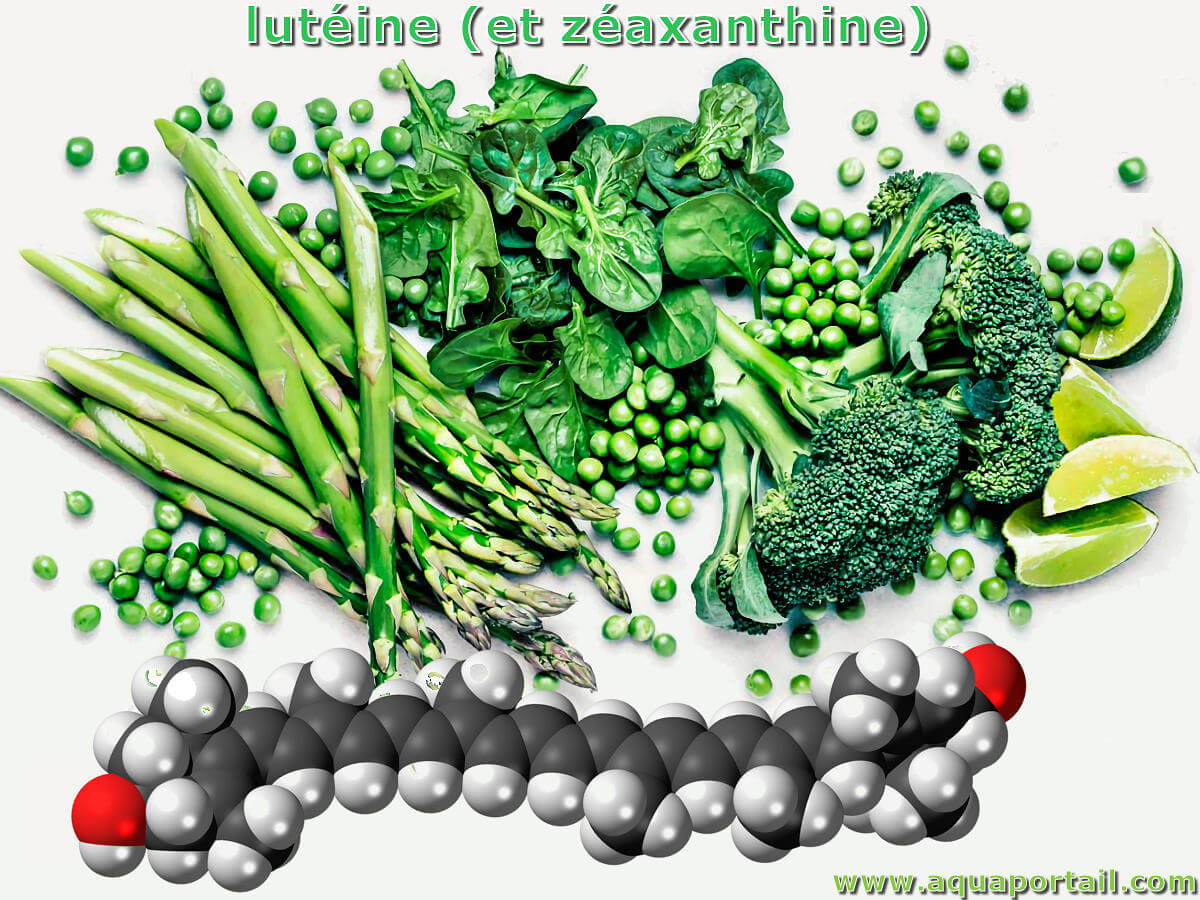
Lutein and zeaxanthin are powerful antioxidants that defend your body against unstable molecules called free radicals.
Explanations
In animal organisms, dietary lutein is accumulated, for example, as a yellow pigment in egg yolk.
Lutein is biosynthesized from α-carotene by hydroxylation of both ionone rings by specific hydroxylases. This biosynthesis, like that of α-carotene, occurs only in photosynthetic organisms (plants and algae). Industrially, it is obtained by extracting lutein-rich plant parts, notably Tagetes petals. It forms orange-yellow crystals that are oxidizable and heat-sensitive.
Lutein is also present in the corpus luteum and thus plays a role in ovarian physiology during the luteal phase. See also luteinization and its opposite, luteolysis.
Where to find lutein
High levels of lutein are found in dark green leafy vegetables (e.g., kale up to 0.25 mg/g fresh weight, spinach up to 0.12 mg/g fresh weight). Marigold petals (French marigold Tagetes patula, for example) contain up to 8.5 mg/g fresh weight and are used for industrial lutein production.
Lutein is found in eggs and vegetables such as spinach, endive, kale, and broccoli. Kiwis, grapes, and oranges also contain lutein, though this compound is found in smaller amounts in fruits than in vegetables.
Lutein and zeaxanthin
Lutein and zeaxanthin protect the body's proteins, lipids, and DNA against oxidative stress and can help preserve glutathione, another key antioxidant in the body.
Lutein and zeaxanthin are the only carotenoids present in the macula of the eye. One study showed that lutein and vitamin C may reduce the risk of cataracts in women. Thus, it is used as an active ingredient in preparations for the nutritional management of age-related macular degeneration (AMD), although its exact mechanism of action remains under study. Research has shown that lutein intake may help prevent and mitigate macular degeneration, even in older adults.
A dietary supplement
As a dietary supplement, lutein is used against age-related macular degeneration (AMD), often alongside zeaxanthin. However, zeaxanthin is more abundant at the center of the macula lutea (fovea) and lutein more toward the periphery. Zeaxanthin may therefore play an even more central role than lutein in macular protection.
⛔ At extreme doses of lutein, a yellow-orange discoloration of the skin (carotenodermia) may occur.
Lutein in botany
In botany, lutein is part of the light-harvesting complexes in chloroplasts, where it participates in energy transfer and plays a photoprotective role. It also imparts an attractive coloration to petals and fruits.
Synonyms, antonyms
Spanish translation: luteína
2 synonyms (similar meaning) for "lutein":
- corpus luteum
- progesterone
0 antonyms (opposite meaning).
Related words and expressions to LUTEIN are directly connected by general or specific meaning.
The word LUTEIN is listed on page 1 of words starting with L in the dictionary glossary.
Related to "lutein"
luteal phase

The luteal phase of an ovarian or menstrual cycle occurs immediately after ovulation and the ovulatory phase.
L-form bacteria
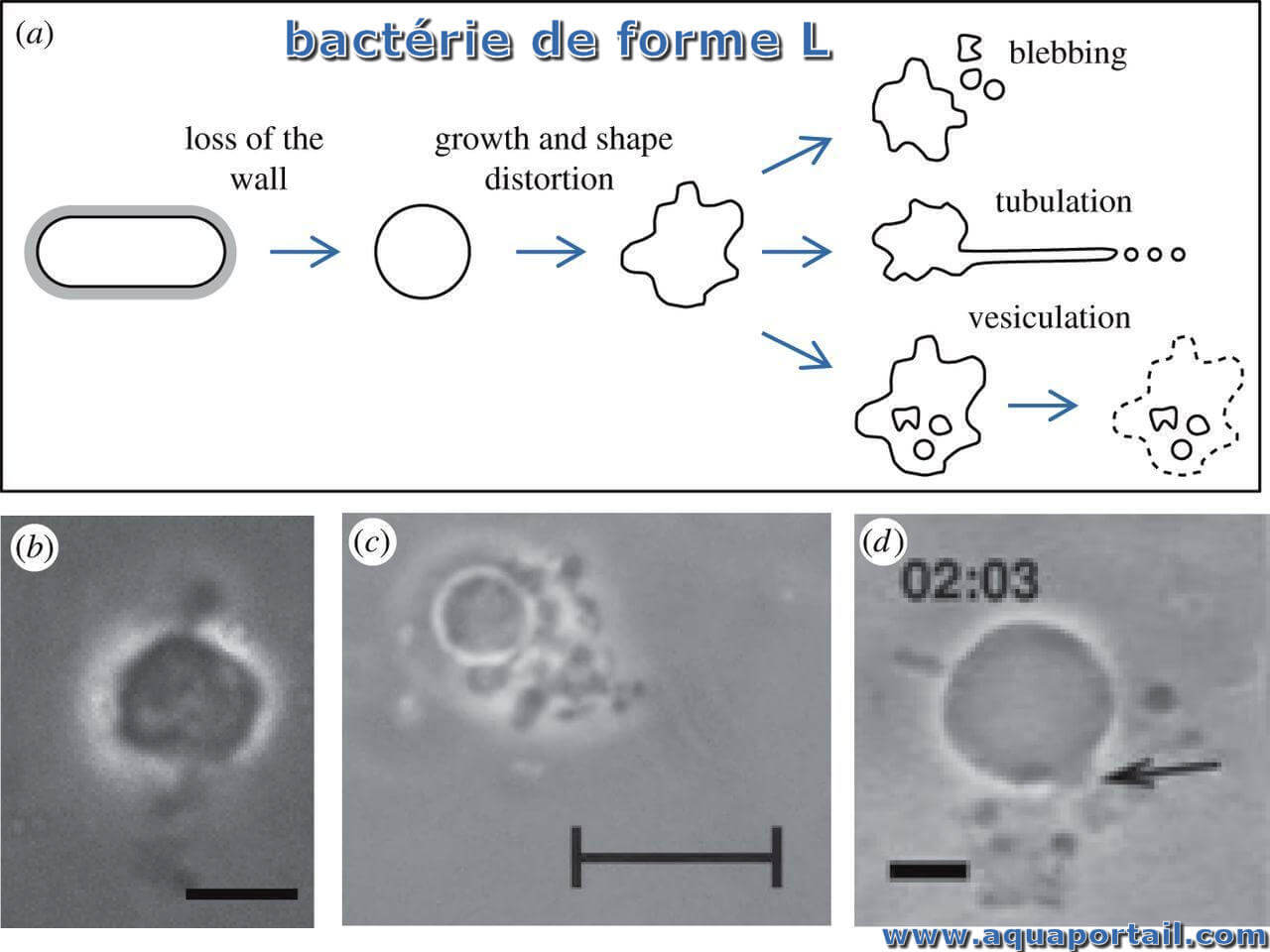
L-form bacteria originate from a strain of bacteria that lack cell walls while retaining the ability to grow.
lacustrine

A lacustrine organism lives, grows, or thrives in or near a lake. The lacustrine environment sometimes designates any body of calm, standing (lentic) water...
ladybug

The ladybug (ladybird or lady beetle) refers to a group of hemispherical coleopteran insects belonging to the family Coccinellidae.
