Luciferase
noun (n.)
Definition
Luciferase is an oxidative enzyme catalyzing the conversion of luciferin into oxyluciferin with light emission during bioluminescence. In fireflies, luciferase oxidizes luciferin with an expenditure of ATP (which can be regenerated from pyrophosphate by the enzyme ATP sulfurylase).Luciferase:

Luciferase converts luciferin in the presence of ATP and dioxygen into oxyluciferin with emission of light.
Explanations
Luciferases are structurally diverse enzymes through which luciferins react with dioxygen to form unstable, high-energy dioxetane or dioxetanone intermediates (oxidation). They are used primarily in laboratories (EC 1.13.12.7) and are produced naturally notably by fireflies (Photinus pyralis) and glowworms (Lampyris noctiluca).
Indeed, the oxidation reaction releases light of a different wavelength depending on the structure of the luciferin and luciferase, accounting for the emission of different colors across organism species.
Luciferase is mainly used as a reporter gene in transcriptional regulation studies. The regulatory sequence of interest (from a promoter, enhancer, or silencer) is inserted upstream of the modified firefly luciferase gene in a plasmid. The recombinant plasmid is transfected into cells in the presence of a substrate containing Mg2+ ions and ATP. The amount of light produced depends on the activity of the upstream element or promoter of interest. Renilla reniformis luciferase often serves as an internal control when cloned into a second vector under the control of a constitutive promoter in the same cell. Across different animal species, the chemical composition of luciferase and luciferin varies, producing different emission colors.
🚩 It is distinct from a photoprotein. In bacteria, see luminous bacteria, light organs, and photophores.
✅ The most common reporter genes are bioluminescent reporters whose detection relies on the enzymatic reaction catalyzed by luciferase with its substrate, luciferin. The most widely used luciferase enzymes are derived from the firefly Photinus pyralis and the sea pansy Renilla reniformis. The bioluminescent signal emitted by this reporter enzymatic reaction can be readily quantified.
Applications of luciferase assays include:
- non-invasive gene tagging in living animals
- cell viability assays
- measurement of intracellular ATP or calcium
- gene expression analysis
- promoter structure analysis
- functional analysis of promoter SNPs
- studying cellular signaling pathways
- studying RNAi and non-coding RNAs.
Firefly luciferase
Firefly luciferase produces light by first converting the beetle luciferin substrate into its corresponding adenylate (luciferyl adenylate), which it subsequently oxidizes into excited oxyluciferin, the bioluminescence emitter. Mechanistic studies have confirmed that the oxidation step is initiated by the formation of a carbanion intermediate and involves a hydroperoxide anion. Furthermore, structural evidence explains dioxygen delivery to the substrate active site, involving the superoxide anion in a single-electron transfer pathway during the critical oxidative process.
Synonyms, antonyms
Spanish translation: luciferasa
0 synonyms (similar meaning) for "luciferase".
0 antonyms (opposite meaning).
Related words and expressions to LUCIFERASE are directly connected by general or specific meaning.
The word LUCIFERASE is listed on page 1 of words starting with L in the dictionary glossary.
Related to "luciferase"
luciferin
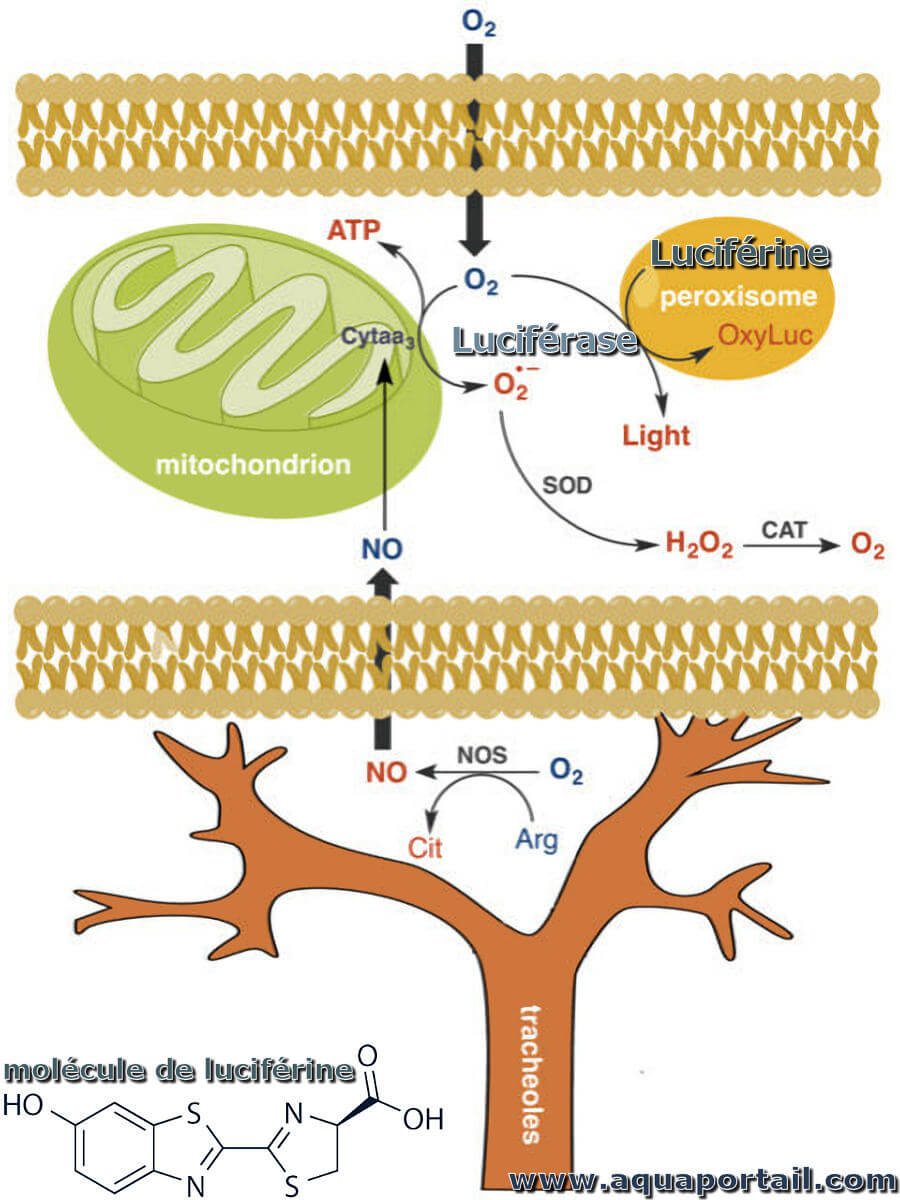
Luciferin is a substance producing the luminescence of certain insects (firefly, glowworm) and other marine or terrestrial organisms.
bioluminescence
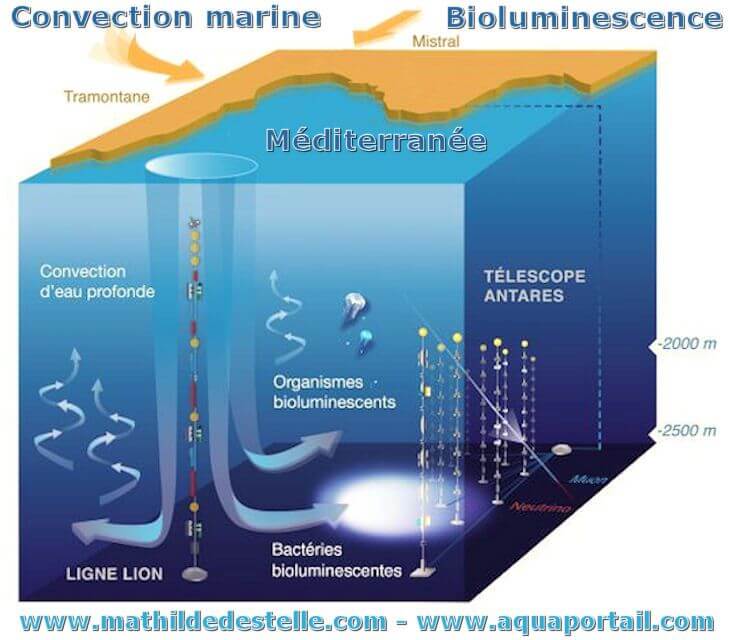
Bioluminescence consists of the production of visible light by chemiluminescence in certain living organisms.
firefly

A firefly is a winged coleopteran insect of the family Lampyridae that emits a yellow-green light.
acetyltransferase
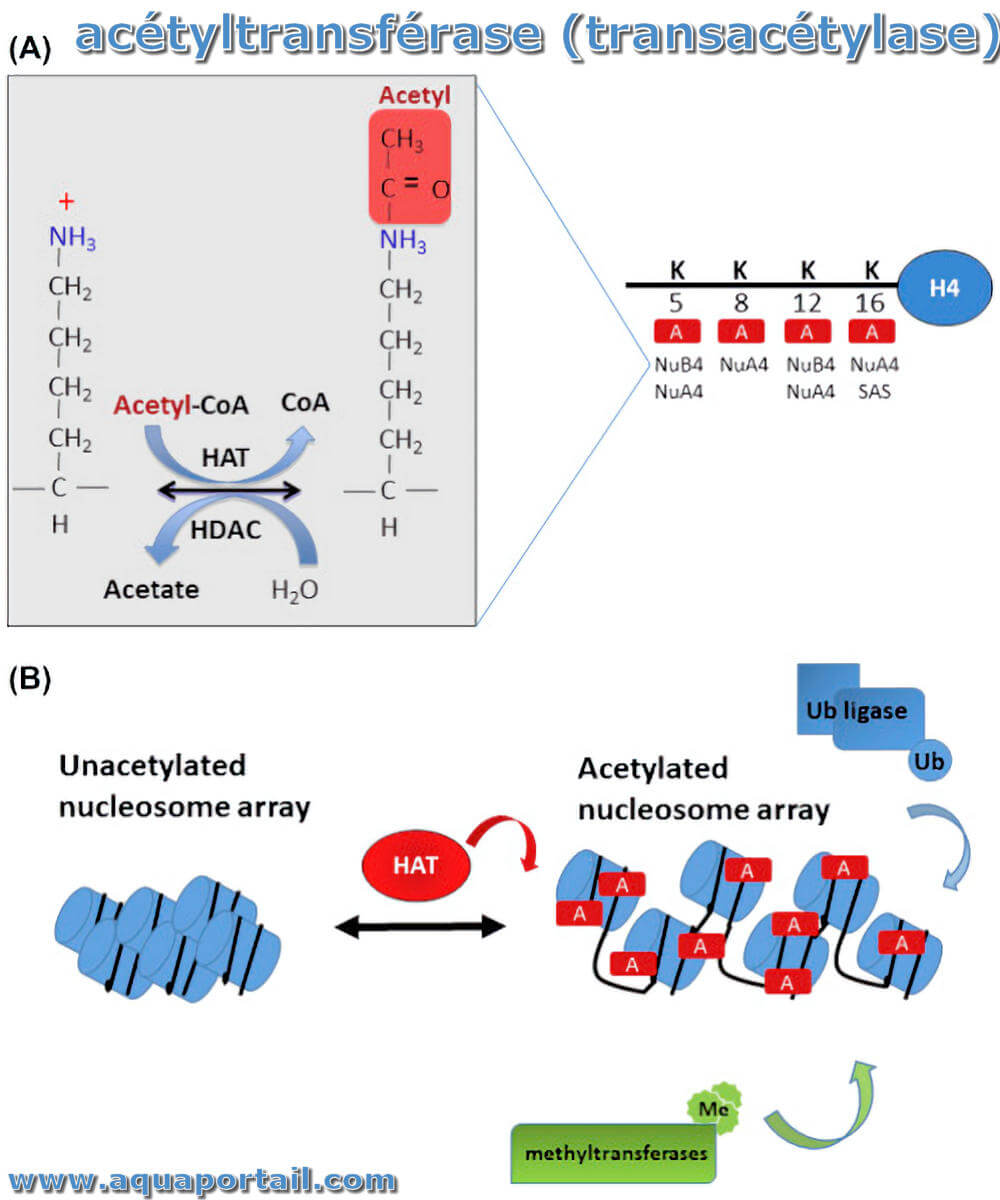
An acetyltransferase is an enzyme that transfers an acetyl group from acetyl-CoA to lysine amino acids.
