Endomeiosis
noun (n.)
Definition
Endomeiosis is a small, specialized meiosis occurring in parthenogenetic females that produce sexual males. This meiosis involves only the X chromosomes, one of the two being expelled into the polar body. During the first reductional division, meiosis is not followed by a telophase.The second equational division therefore yields a diploid oocyte and a diploid polar body, with the diploid oocyte able to develop without fertilization.
Explanations
Endomeiosis, unlike mitosis (and endomitosis), allows recombination between homologous chromosomes, providing evolutionarily advantageous genetic diversity.
It occurs notably in aphids. In Anopheles mosquitoes, between 5 and 7 hours after a blood meal, the diploid zygote undergoes endomeiosis that begins like conventional meiosis but does not end in cell division, the final product being a single cell. Only the zygote is therefore diploid, and all subsequent stages are haploid.
See also apomeiosis, which is an abnormal meiosis without chromosome reduction.
✅ parthenogenesis in aphids cannot be considered ameiotic, since maturation of the parthenogenetic egg proceeds through a meiotic process called endomeiosis. This genetic variability appears to result from chromosomal crossing over during chromosome pairing.
Synonyms, antonyms
Spanish translation: endomeiosis
2 synonyms (similar meaning) for "endomeiosis":
0 antonyms (opposite meaning).
Related words and expressions to ENDOMEIOSIS are directly connected by general or specific meaning.
The word ENDOMEIOSIS is listed on page 1 of words starting with E in the dictionary glossary.
Related to "endomeiosis"
apomeiosis

Apomeiosis (or ameiosis) corresponds to the absence of meiosis or an incomplete meiosis that does not result in a reduction in chromosome number.
endosymbiosis
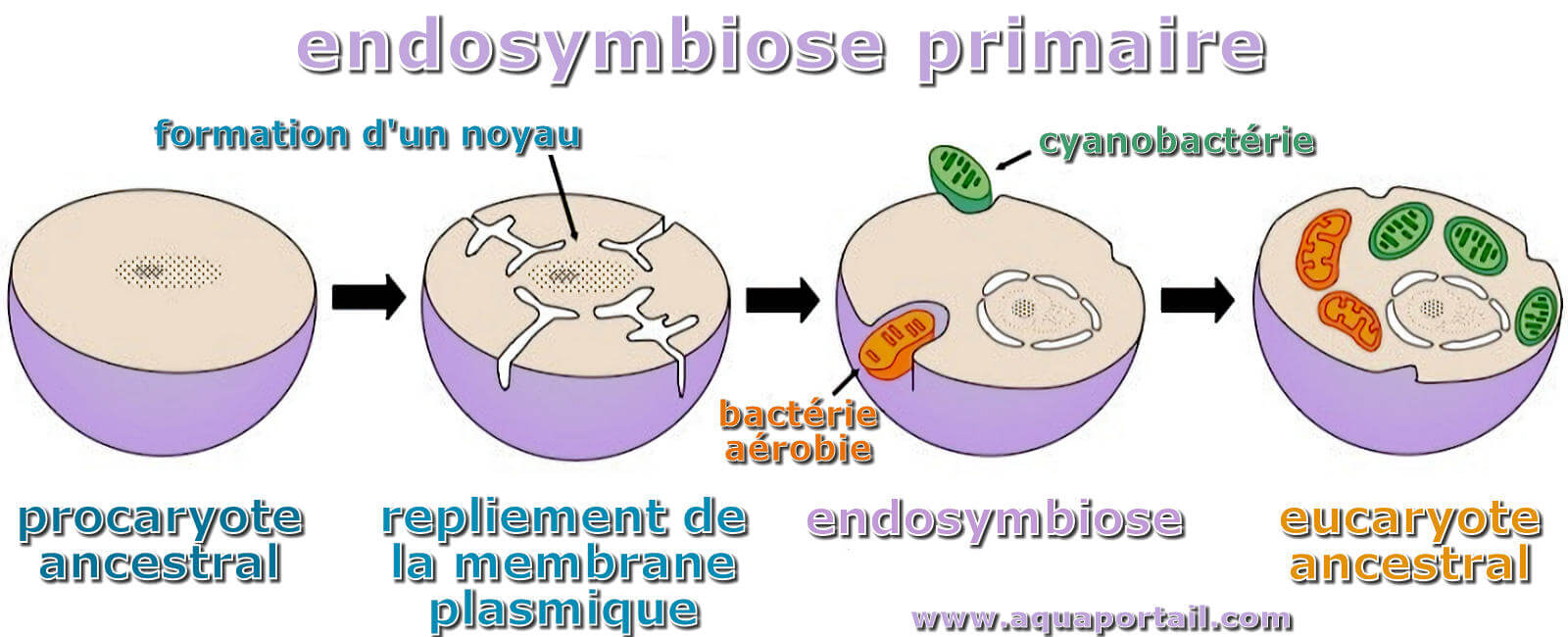
Endosymbiosis refers to an evolutionary theory proposing that the plastids and mitochondria of eukaryotic cells originated from endosymbiotic bacteria.
symbiosis

Symbiosis is an interactive relationship between two different organisms living in close physical association.
E=mc2
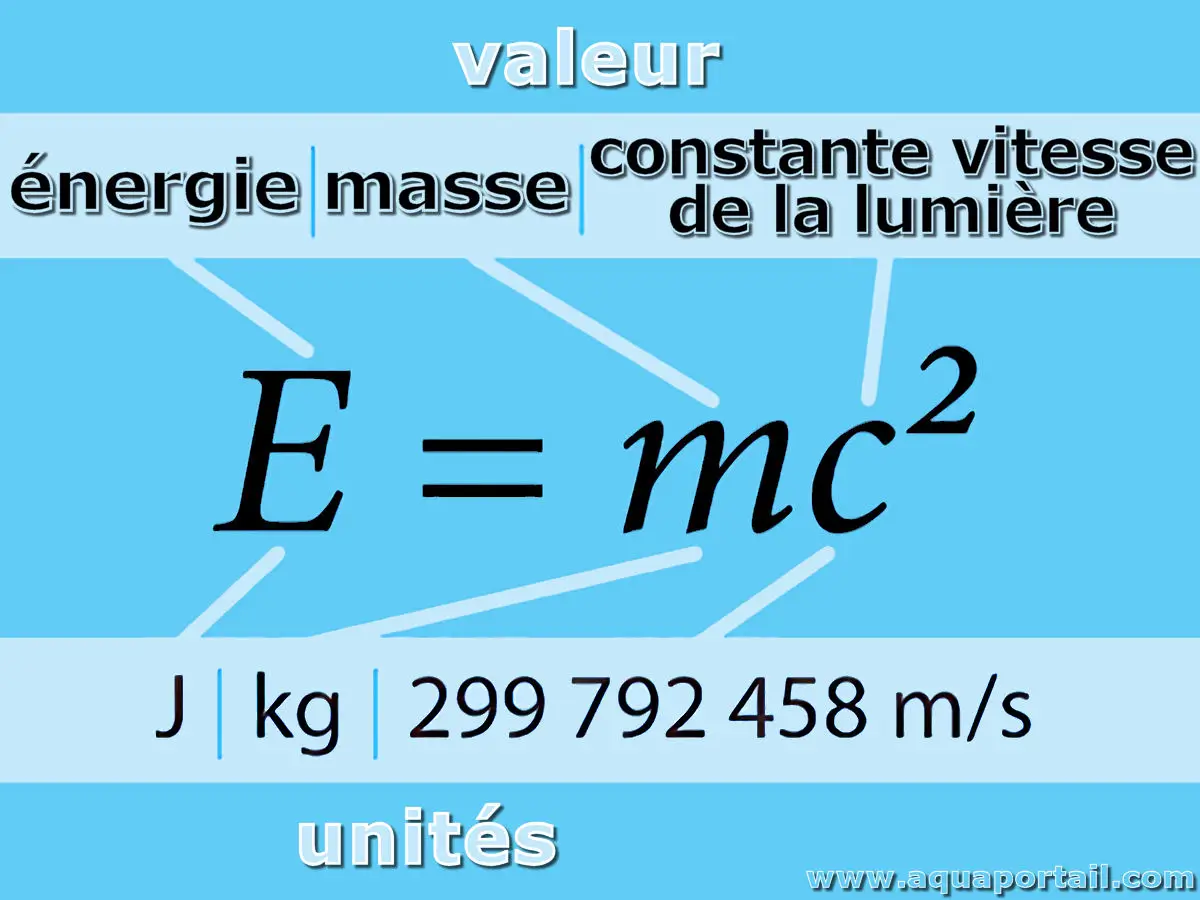
The formula E=mc2 (E = m. c²) is a mass-energy equivalence equation according to the theory of relativity developed by Albert Einstein. It expresses that...
Simple summary
Endomeiosis is a type of cell division in which chromosomes duplicate without being followed by the standard separation into two daughter cells observed during meiosis. This process can result in cells exhibiting an increased ploidy level, such as those found in certain plant tissues. It is a variant of normal meiosis that allows organisms to manage their genetic material differently, often to fulfill specific biological functions or adaptations.
