Photosystem 1
noun phrase (n. phr.)
Definition
Photosystem 1 (PSI) is a reaction center, an essential component, of photosynthesis containing the pigment P700. There is a second photosystem: photosystem 2. It enables the formation of organic substances using light as an energy source present in plants, algae, photosynthetic protists, and photosynthetic bacteria.The model of a photosystem 1 (PSI):

Photosystem I (first photosystem, photosystem 1, PSI), or plastocyanin-ferredoxin oxidoreductase, is the second functional complex of the electron transport chain (ETC) of chloroplasts. It takes an electron from plastocyanin and, by absorbing light energy, forms a powerful reducing agent (excited P700), capable of reducing NADP+ through a chain of electron carriers. Thus, with the participation of PSI, an electron source (NADPH) is synthesized for subsequent carbon reduction reactions in the chloroplasts of the Calvin cycle. In addition, PSI can carry out cyclic electron transport coupled to ATP synthesis, providing additional ATP synthesis in chloroplasts.
Explanations
Photosystem 1 is a particularly structured system consisting of a light-harvesting complex and a reaction center. In photosystem I, a powerful reducing agent (NADPH) is formed for the synthesis of organic substances from carbon dioxide and water, and light energy is converted into an appropriate energy source for this biosynthesis in the form of adenosine triphosphate (ATP).
Properties
Photosystem I (PSI) is a protein complex composed of several membrane proteins that catalyzes the oxidation of plastocyanin and the reduction of ferredoxin by photons absorbed during photosynthesis. It is found in plant cells within the thylakoid membrane of chloroplasts and consists of 15 proteins. It serves to absorb photons and direct them toward the P700 reaction center, a molecular complex containing chlorophyll a and characterized by absorption at a wavelength of approximately 700 nm. It acts as a photosensitizer. After excitation by photons, a secondary radical pair forms in less than 100 picoseconds, decaying at room temperature in 300 nanoseconds or in 300 µs at 77 kelvins.
The remaining chlorophyll a molecules, as well as other chlorophylls, biliproteins, and carotenoids, perform an antenna function, meaning they transfer absorbed radiant energy toward the reaction center. They are arranged to capture light in the thylakoid membrane in two parallel layers (luminal and stromal). However, in the electron transport domain, they are arranged in a C2 pseudo-symmetry orthogonal to the membrane. Most important for photosynthesis here is the transfer of photochemical excitation energy to neighboring molecules. In this case, the fluorescence spectrum of the donor molecule must overlap the absorption spectrum of the acceptor molecule, and the chlorophyll molecules are tightly packed in the membrane. Both energy transfer and electron transfer processes take place.
At room temperature, the fluorescence spectrum of chlorophyll a shows a strong emission band at 685 nm and a weaker one at 740 nm (if spectra are determined at low temperature, bands appear at 685, 695, and 720 nm, the first two belonging to photosystem II and the one at 720 nm being assigned to photosystem I).
The pigment composition of photosystems in higher plants is as follows:
- photosystem I: carotenes, chlorophyll a, chlorophyll b
- photosystem II: xanthophyll, chlorophyll a, chlorophyll b.
Photosystems differ not only in the absorption spectrum of the pigment in the reaction center, but also in the composition of antenna pigments. For example, photosystem II is richer in chlorophyll b. Photosystem I is less sensitive to temperature increases than photosystem II.
Composition
Two proteins of photosystem I, PsaA and PsaB, each have eleven transmembrane helices and a mass of about 80 kDa. They form a heterodimer and bind as cofactors about 90 chlorophyll a molecules and about 20 β-carotene molecules for light absorption, while six chlorophyll a molecules, two phylloquinones, and a 4Fe-4S cluster serve for electron transfer. The other thirteen proteins are relatively small, with masses ranging between four and eighteen kilodaltons.
Photon and electron transport
The substances of photosystems acting as antennas are grouped in a light-harvesting complex (LHC). Thanks to this, the light-absorbing surface area is increased. Reaction centers are the active redox systems of photochemical electron transport. The P700 reaction center of photosystem I is a powerful reducing agent (the standard reduction potential in the ground state is about +0.45 V; in the photochemically excited state, the value is -0.6 V). It absorbs two photons and then acts as a primary electron donor, transferring a total of two electrons to the primary acceptor A0 and then to iron-sulfur proteins, with two photon excitations. These carriers are capable of reducing membrane-bound ferredoxin. This means that ferredoxin is the electron acceptor here. From there, electrons are transferred to a FAD-containing enzyme (ferredoxin-NADP+ reductase).
⭐ This catalyzes the following reaction: NADP+ undergoes transition to NADPH + H+ by taking up one proton and two electrons.
⭐ The reaction product of photosystem I is also energy-storing ATP: in a phosphorylation reaction, ATP is formed from ADP and phosphate.
ATP is the energy supplier for light-independent reactions (Calvin cycle). Electron compensation takes place subsequently in cooperation with photosystem II, where plastocyanin acts as the electron donor. It is a protein with redox properties containing a bound copper ion in its active center. It receives its electrons from the cytochrome b6f complex, which in turn is reduced by plastoquinol. Plastoquinone itself is converted into plastoquinol upon electron uptake. This closes the chain and balances the electron budget. In the overall reaction of photosynthesis, oxygen is also produced, notably in the light reaction in photosystem II, formed from water. The carotene present in photosystem I alongside chlorophyll absorbs and quenches the singlet oxygen formed, which is toxic to plant leaves.
Various light-independent reactions follow, for example the enzymatic utilization of fixed carbon, which integrates photosynthesis into a cyclic process called the Calvin cycle, named after its main discoverer. Overall, the process occurring in photosystem I can be classified within an electron transport chain. Notably, photosynthesis is a photoreaction with a primary quantum yield greater than 90%.
The proton gradient required for ATP production can be generated not only via the linear electron transport chain, but also via cyclic electron transport in photosystem I.
Differences compared to photosystem 2 (PSII)
The main function of photosystem II is the generation of a powerful oxidizing agent, which initiates the oxidation of water and the transfer of its electrons onto the membrane carrier. The main function of photosystem I is to re-energize these low-energy electrons in order to use them to reduce NADP+. Since the energy of the overall process is too high to be supplied by a single reaction center, two photosystems evolved that separately carry out different parts of this reaction. Their specific functions determine the characteristics of their structure.
✅ Photosystem I is symmetrical, meaning it has two electron transport branches, making it much faster, whereas photosystem II is asymmetrical and has only one active branch, which slows down electron transport but makes it more regulatable. The two photosystems differ significantly in antenna structure, additional subunits, regulatory methods, and their position in the membrane.
Thus, photosystem I possesses an integral antenna whose chlorophylls are located directly on the core proteins of the complex, PsaA and PsaB, whereas in photosystem II they are placed on the external proteins CP47 and CP43. In terms of the number of small additional regulatory subunits, PSII far exceeds PSI, which is associated with the need to precisely regulate the water oxidation process, potentially extremely hazardous to the cell. This also explains the heterogeneous distribution of photosystems in the thylakoid membrane: while PSI is mainly located in the marginal, end, and stromal membranes, PSII is found almost entirely in the appressed membrane region (grana), providing the cell with additional protection against active oxygen species produced by it.
The main difference between photosystem II and photosystem I is the presence of a large lumen-facing domain, which contains a manganese cluster and the protective proteins surrounding it. This is where the process of photochemical water oxidation begins, accompanied by the release of oxygen and protons.
History of discovery
Non-cyclic electron transport begins with the manganese cluster of photosystem II oxidizing pure water while reducing the plastoquinone pool. Furthermore, the cytochrome b6f complex (plastoquinol-plastocyanin reductase) oxidizes plastoquinol, and an electron via plastocyanin is transferred to photosystem I where it is used for NADPH synthesis. The apparent inversion in photosystem numbering is due to the fact that photosystem I was discovered before photosystem II.
The earliest data indicating the existence of PSI appeared in the 1950s, but at that time no one could yet grasp the significance of these discoveries. The idea of the existence of two photosystems in chloroplasts emerged as early as the 1940s based on experiments from R. Emerson's laboratory, which had discovered the effect of a decrease in the quantum yield of photosynthesis when chloroplasts were illuminated with monochromatic red light (λ > 680 nm), and an increase in quantum yield upon adding light of a wavelength around 650 nm, which excited PSII (the effect known as the Emerson effect). Mention should also be made of the light-induced EPR signal discovered by Commoner in 1956, called signal I. Coincidentally, signals I and II originated from PSI and PSII centers, respectively. It was not until 1960 that Louis Duysens proposed the concept of photosystem I and photosystem II, and that same year, Fay Bendall and Robert Hill organized the results of earlier discoveries into a coherent theory of sequential photosynthetic reactions. Hill and Bendall's hypothesis was subsequently confirmed by the experiments of Duysens and Witt in 1961.
After this, systematic attempts were made to physically isolate photosystem I in order to determine its three-dimensional and fine structure. In 1966, research in this field began to expand: Anderson and Boardman subjected chloroplast membranes to sonication followed by digitonin treatment, Vernon used Triton X-100, and Ogawa used dodecyl sulfate. However, the first extracts obtained contained impurities of light-harvesting complexes, as well as cytochromes f and b6. It took considerable time to realize that the extracts were a mixture.
In 1968, reed and Clayton succeeded in isolating the reaction center from a purple bacterium, which greatly stimulated the study of oxygenic photosynthesis. However, the question remained open: what was the true isolated reaction center, what were the antenna complexes, and what were the additional subunits. For a long time, pure isolation of the photosystem I reaction center remained an unsolved problem. Ultimately, it proved easier to accomplish in cyanobacteria, as they lacked membrane-embedded external antennas. After numerous attempts with various species, the most promising species in this regard proved to be representatives of Synechocystis and Synechococcus, and photosystem I isolated from Thermosynechococcus elongatus constituted a highly stable reaction center suitable for crystallization and X-ray analysis.
Synonyms, antonyms
Spanish translation: fotosistema 1
1 synonym (similar meaning) for "photosystem 1":
1 antonym (opposite meaning):
Related words and expressions to PHOTOSYSTEM 1 are directly connected by general or specific meaning.
The word PHOTOSYSTEM 1 is listed on page 1 of words starting with P in the dictionary glossary.
Related to "photosystem 1"
oxygenic photosynthesis
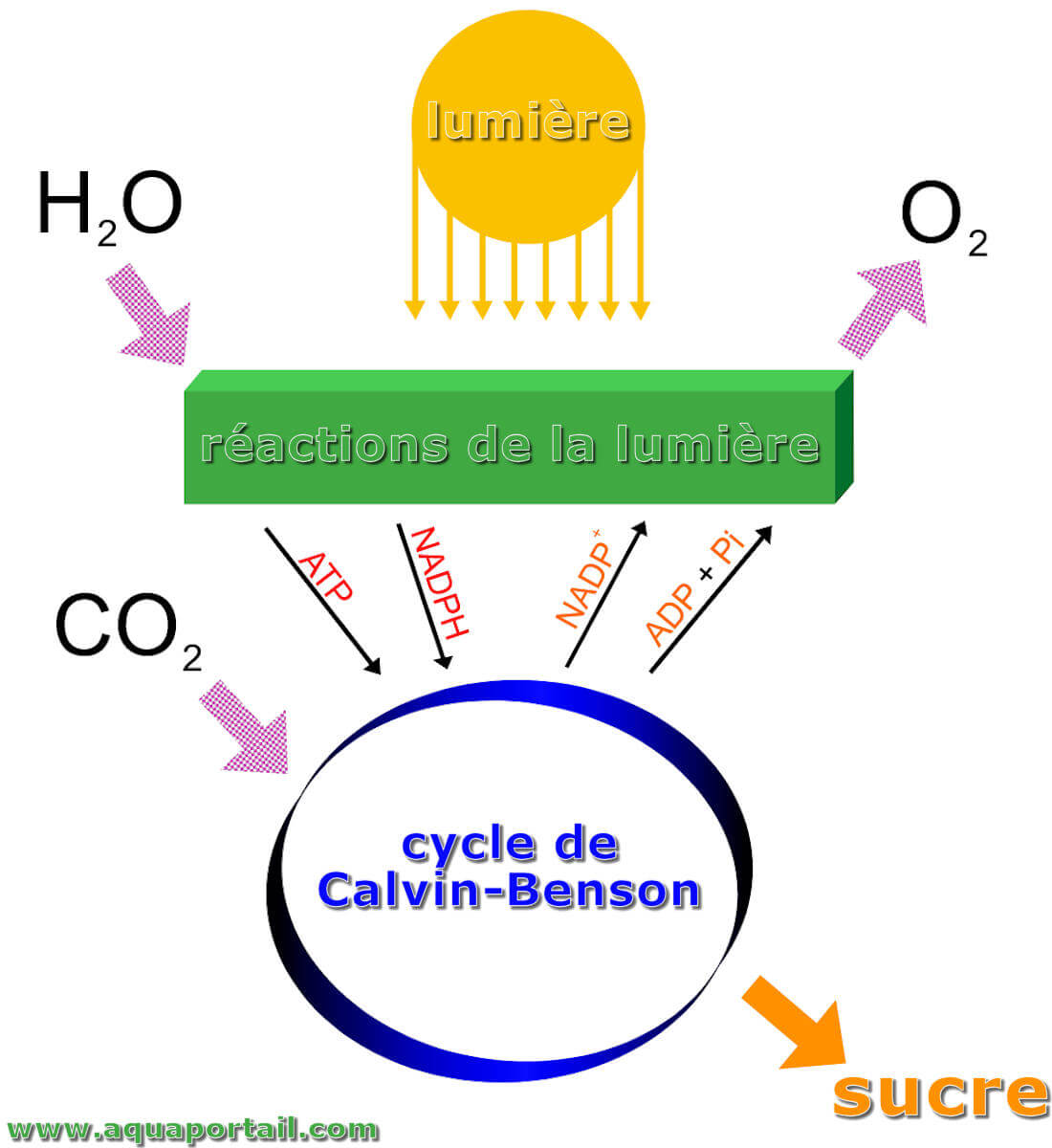
Oxygenic photosynthesis releases oxygen through the absorption of CO₂ via a non-cyclic photosynthetic electron chain in which the electron donor is water.
photosynthesis
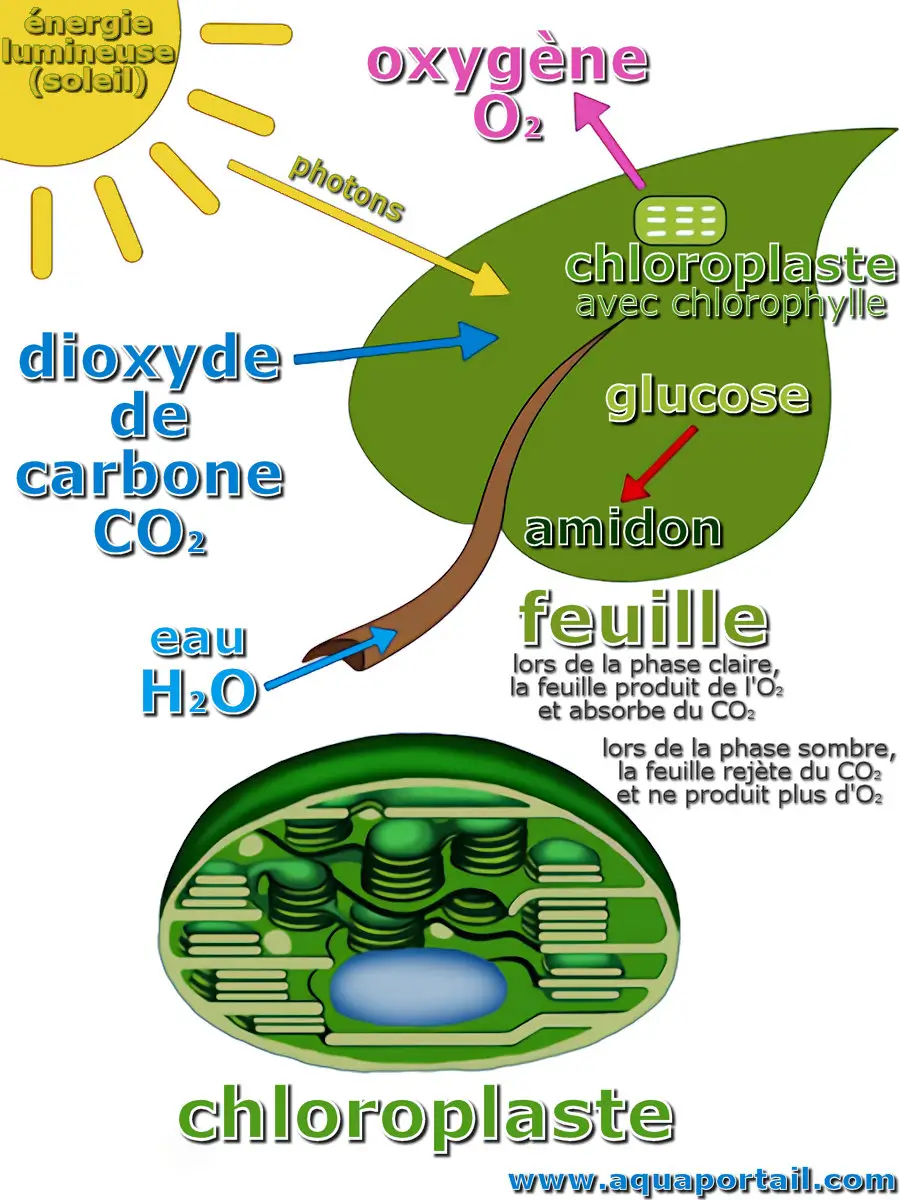
Photosynthesis is the bioprocess of converting inorganic substances (CO₂, water) into sugar while releasing oxygen (O₂) using the photonic energy of light.
photosystem
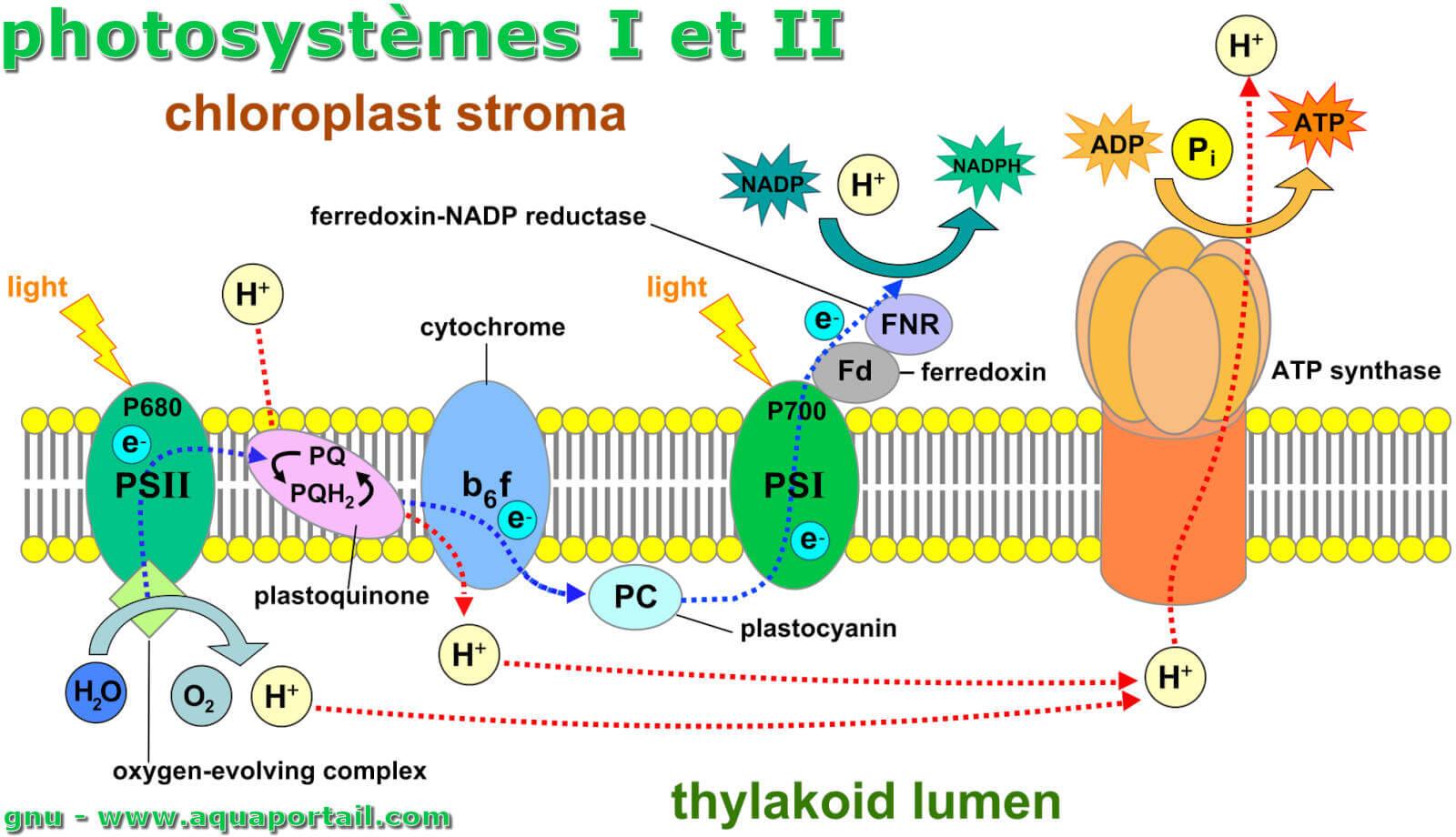
A photosystem designates the functional unit of photosynthesis, each of the protein complexes in photosynthetic cells formed of an antenna (the...
photosystem 2
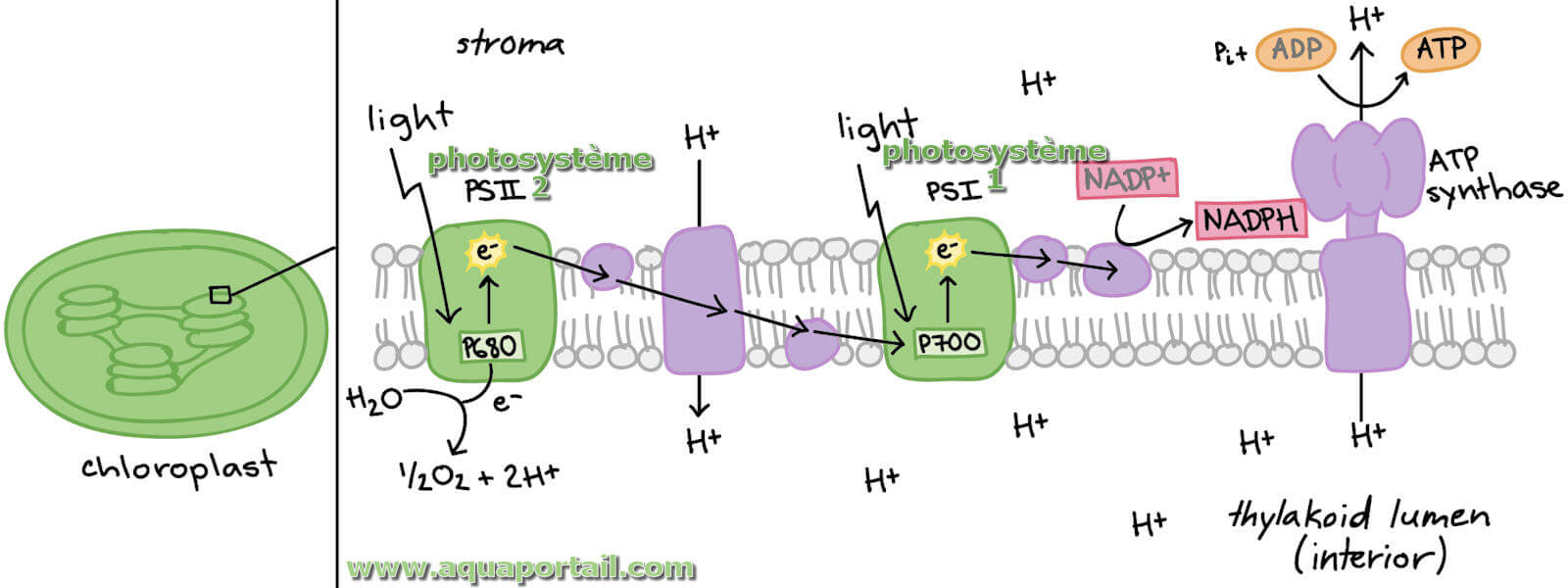
Photosystem II (PSII) is a membrane protein supercomplex that executes the initial reaction of photosynthesis in plants.
