Photosynthesis reaction centers
plural noun (n.pl.)
Definition
Photosynthesis reaction centers are specialized sites of photosynthesis where oxidation-reduction reactions take place. They play an essential role in the primary processes of photosynthesis. These photosynthetic reaction centers are natural solar batteries.Photosynthesis reaction centers:

The role of the chlorophyll complex with photosynthesis reaction centers is to absorb different wavelengths of light and transfer that energy rapidly and efficiently to the photosynthesis reaction center.
Explanations
Photosynthesis reaction centers form assemblies comprising an association of chlorophyll "a" molecules possessing particular photochemical properties (P680-P700). They are positioned close to an electron-donor compound and another electron-acceptor compound.
The reaction center, for a photosystem, containing the P700 pigment is photosystem 1, while the one containing the P680 pigment is photosystem 2.
A photosynthetic reaction center is a protein complex that is the site of the light reactions of photosynthesis. The reaction center contains pigments such as chlorophyll and pheophytin (phytin). These absorb light, promoting an electron to a higher energy level within the pigment.
Photosynthetic reaction centers are membrane-bound pigment-protein complexes that use light to catalyze transmembrane electron transfer against a steep thermodynamic gradient. They are found in plants and photosynthetic bacteria, and have evolved into two types.
Type II reaction centers use a mobile quinone as the terminal electron acceptor. Type I reaction centers use an interpolypeptide [4Fe–4S] cluster (FX) as an intermediate electron acceptor and two iron–sulfur [4Fe–4S] clusters (FA and FB) as terminal electron acceptors.
Photosystems
Sunlight strikes photosystem 2 (PS2) and photosystem 1 (PS1), causing the excitation and release of electrons from the primary pigment reaction center (photosynthesis reaction center) of each photosystem. These electrons are passed along an electron transport chain, notably via the carrier protein ferredoxin.
As they move along the electron transport chain, ATP is formed. Electrons originating from PS2 replace those lost by PS1. Electrons from PS1 reduce NADP+ to NADPH at the enzyme ferredoxin-NADP+ reductase (with H+).
See also artificial photosynthesis.
Bioenergy
Photosynthetic reaction centers are nature's solar batteries. These nanoscale energy producers are responsible for transforming solar energy into a form usable by biological systems. They thus power almost all biological activity on the planet, with exceptions limited to archaebacteria that harness solar energy via light-driven proton-pumping bacteriorhodopsin, and "permanently dark" ecosystems that draw their energy from a continuous source of reducing power, such as those relying on hydrogen sulfide emanating from deep-sea hydrothermal vents.
Photosynthetic reaction centers (RCs) appear to have evolved only once in Earth's history, probably because they are rather complex structures of proteins, lipids, cofactors, and metals optimized via intricate mechanisms to capture and convert light energy. There are four major different types of photosynthetic reaction centers described in the literature, yet they all share a similar core protein structure (in terms of the number and arrangement of transmembrane α-helices) and a similar overall organization of chlorophylls, quinones, and other redox cofactors that catalyze photochemistry.
Related to "photosynthesis reaction centers"
P680-P700
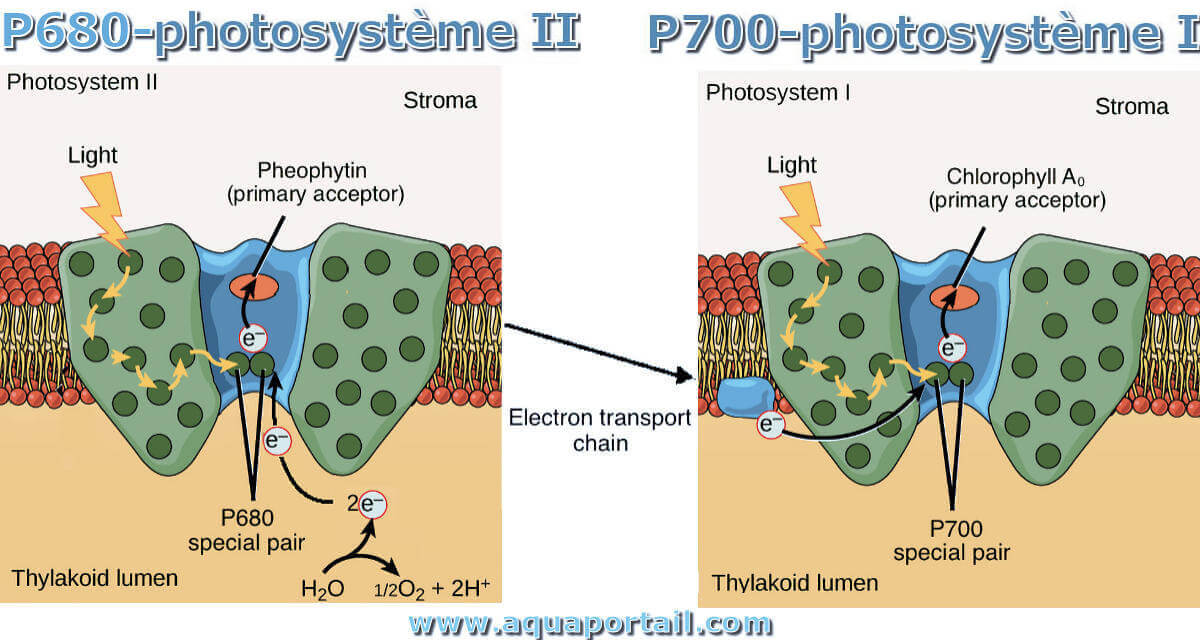
P680-P700 is an association of chlorophyll a molecules absorbing at 680 nm and 700 nm, respectively, possessing particular photochemical properties.
cell center
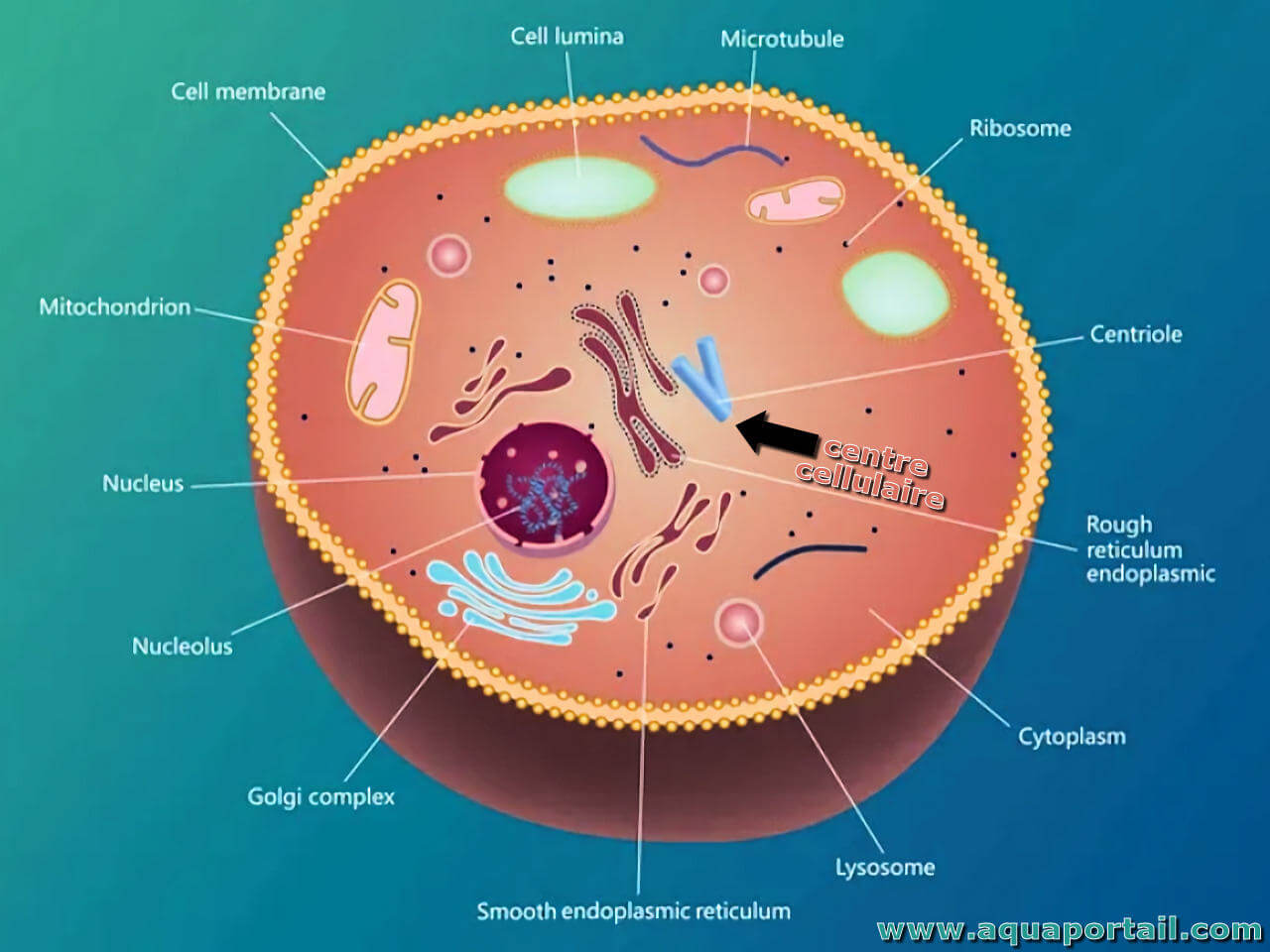
The cell center is a central region of the cytoplasm (cytocenter) containing the centrioles and generally adjacent to the cell nucleus.
microtubule-organizing center
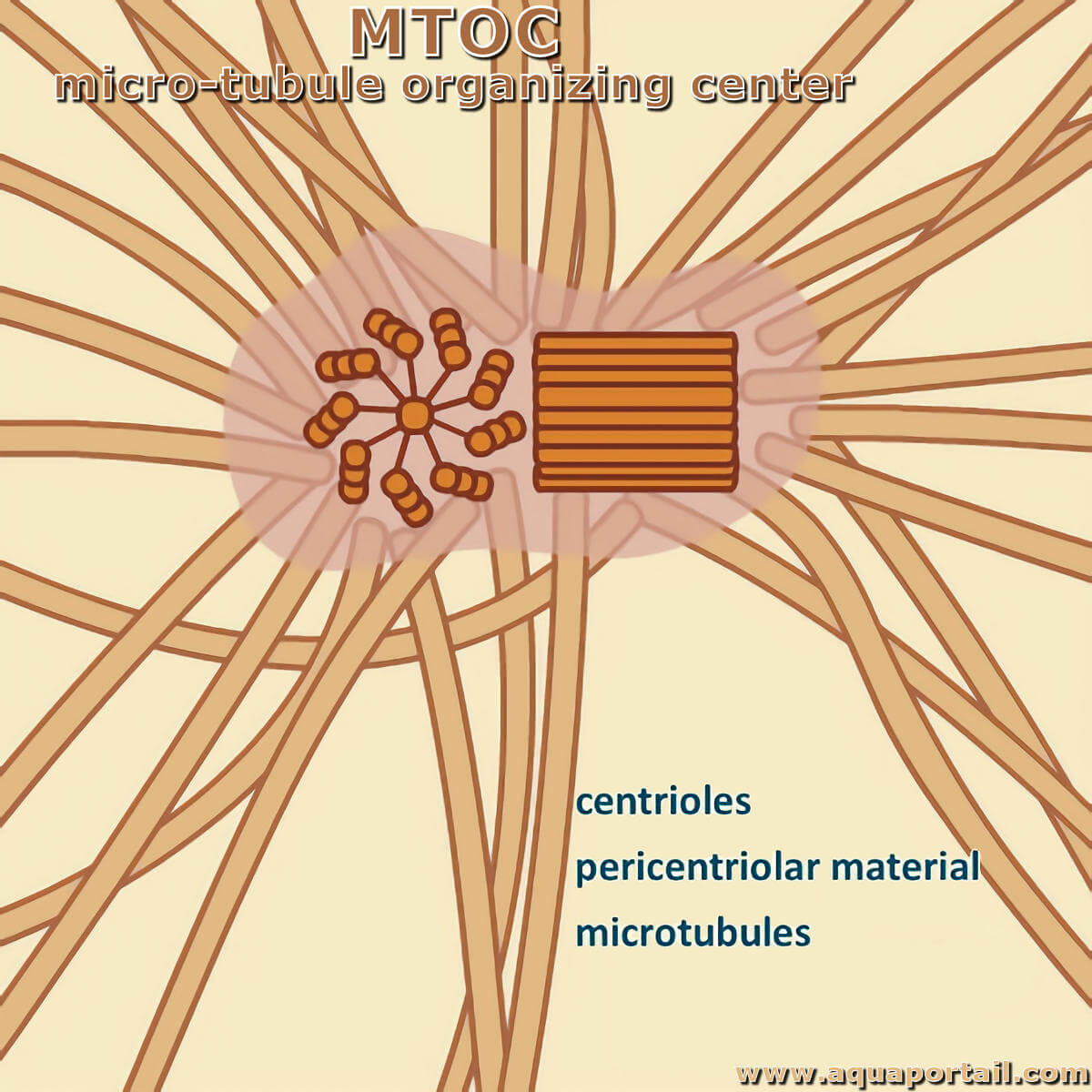
MTOC (from microtubule-organizing center) refers to microtubules, and specifically to microtubule-organizing centers.
photosystem 1

Photosystem 1 (PSI) is a reaction center, an essential component, of photosynthesis containing the pigment P700.
