Photoperiod
noun (n.)
Definition
Photoperiod is a regular and defined succession of alternating periods of light (day, diurnal) and darkness (night, nocturnal). It corresponds to the daily duration of sunlight, considered from the standpoint of its biological effects.The photoperiod of a plant:
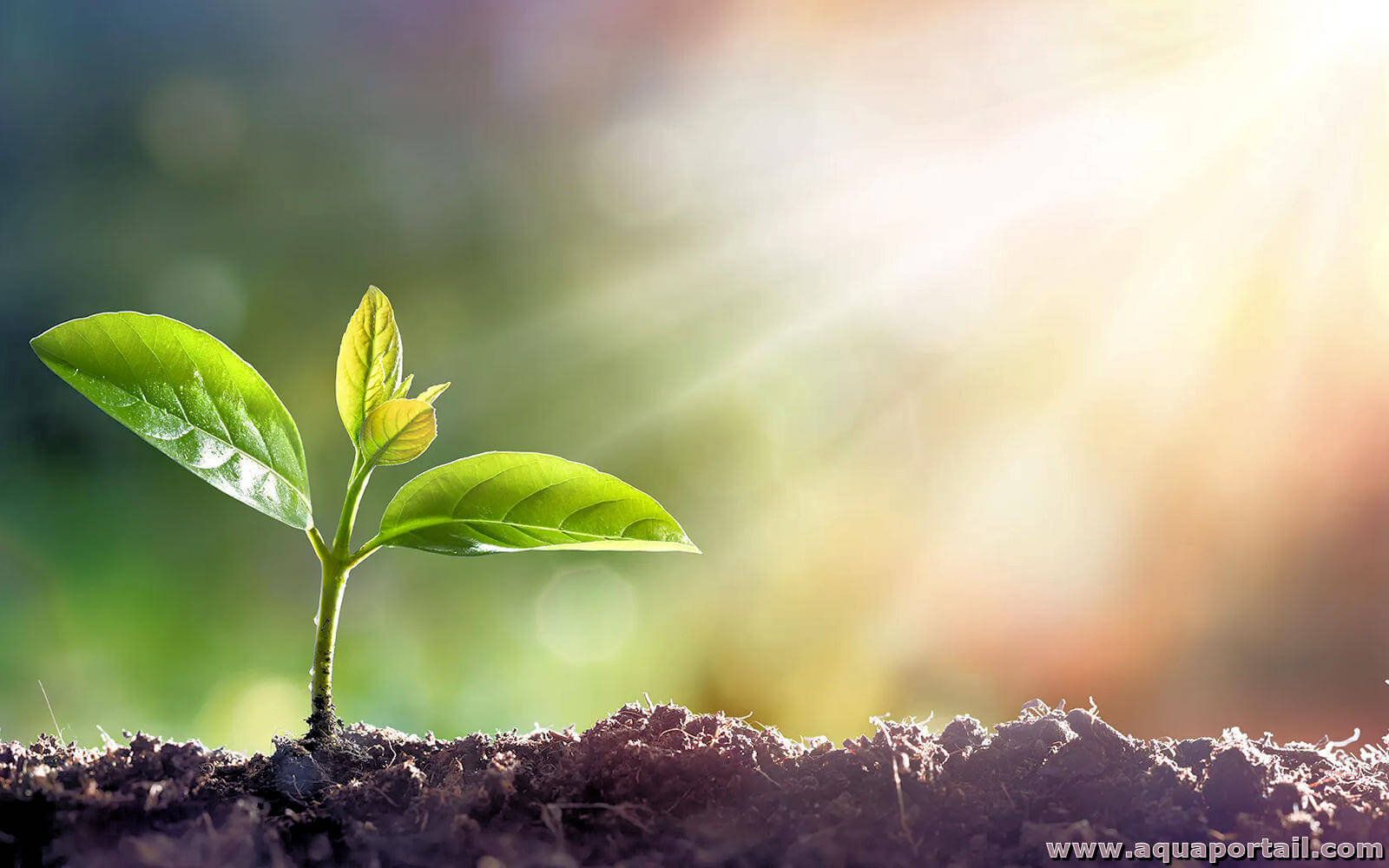
Photoperiod is defined as the day length or daily period of illumination received by an organism, and it remains constant from year to year (seasonality) at a given geographical location.
Explanations
Photoperiod also indicates a ratio between the daily durations of light and dark periods. This is then referred to as photoperiodism. During this distribution of day and night, that is, over a nycthemeron, the diurnal photophase is distinguished from the nocturnal scotophase. These phases define photoperiodism and are studied in chronobiology and scotobiology.
Photoperiod is the duration, during a given day, for which cultured organisms are exposed to light and then to darkness according to a measurable cycle. The light source may be natural or artificial.
Importance of photoperiod in fish farming
Many aquarists wonder (and ask) whether lighting duration and intensity are favorable or not to the growth and development of fry in aquariums and in the aquatic environment!
This question has been the subject of numerous scientific studies in the field of aquaculture, with the aim of improving fry survival rates and growth speed.
A thesis, entitled "Influence of abiotic factors, photoperiod and light intensity, on the survival and growth of larvae, post-larvae and juveniles of European perch Perca fluviatilis", publicly defended on November 9, 1999 by Stéphane Jourdan, at the Animal Sciences Laboratory of the Institut National Polytechnique de Lorraine, based at the Muséum-aquarium of Nancy, for an INPL Doctorate, covers the topic thoroughly in aquaculture.
Without going into the details of this 150-page thesis! (with a bibliography of 432 references, a very large number of which deal with the influence of the studied environmental parameters on perch development), and without extrapolating completely to aquarium fish, it can be accepted, along with a majority of authors, and as also demonstrated by Stéphane Jourdan in larvae, post-larvae, and juveniles of European perch reared in recirculating water at 23 °C (73.4 °F), that generally speaking, increasing day length (long photophase = illumination duration of 16 to 18 h, even up to 24/24 h) and splitting feed rations promote prey capture by larvae and thus better growth, while limiting size heterogeneity.
This technique also significantly improves fry survival through a marked reduction in cannibalism and limits aggressive behaviors!
Other remarks from which aquarists may optionally draw inspiration: when there is a nycthemeral alternation (day–night cycle), most food consumption, based on brine shrimp nauplii, is concentrated in the first half-hour after lights turn on, while light intensity does not affect, within the tested range (10–400 lux), the survival, feeding performance, and growth of juveniles.
Photoperiod or photophase of plants
Whether terrestrial plants or aquatic plants, all (potentially) flowering plants require a photophase of at least 6 hours for photosynthesis, and 12 hours of continuous aquarium lighting constitutes an optimum.
Many flowering plants (angiosperms) use a photoreceptor protein, a phytochrome or a cryptochrome, to detect seasonal changes in day and night length, or photoperiod, which they take as flowering signals.
This requires photoperiodic plants to be illuminated long enough: they strictly need a sufficiently long night duration, or conversely a very short one, before flowering, whereas facultative photoperiodic plants are more likely to flower without altered photoperiodism conditions.
In 1920, scientists published their findings on photoperiodism and believed day length was critical, but it was later discovered that night length is also a determining factor. Photoperiodic flowering plants are divided into long-day (long-photophase) plants or short-day (short-photophase) plants, even though night is the critical factor, due to the initial misunderstanding regarding daylight being the determining factor.
Each plant has a critical photoperiod of different length, or a critical night length.
Modern biologists believe that active forms of phytochrome or cryptochrome, created by light during the day, combined with circadian clock rhythms, enable plants to measure night length. Besides flowering, photoperiodism in true plants includes stem or root growth during certain seasons and leaf drop. Artificial lighting can be used to induce extra-long days.
Synonyms, antonyms
Spanish translation: fotoperiodo
1 synonym (similar meaning) for "photoperiod":
0 antonyms (opposite meaning).
Related words and expressions to PHOTOPERIOD are directly connected by general or specific meaning.
The word PHOTOPERIOD is listed on page 1 of words starting with P in the dictionary glossary.
Related to "photoperiod"
periodic table
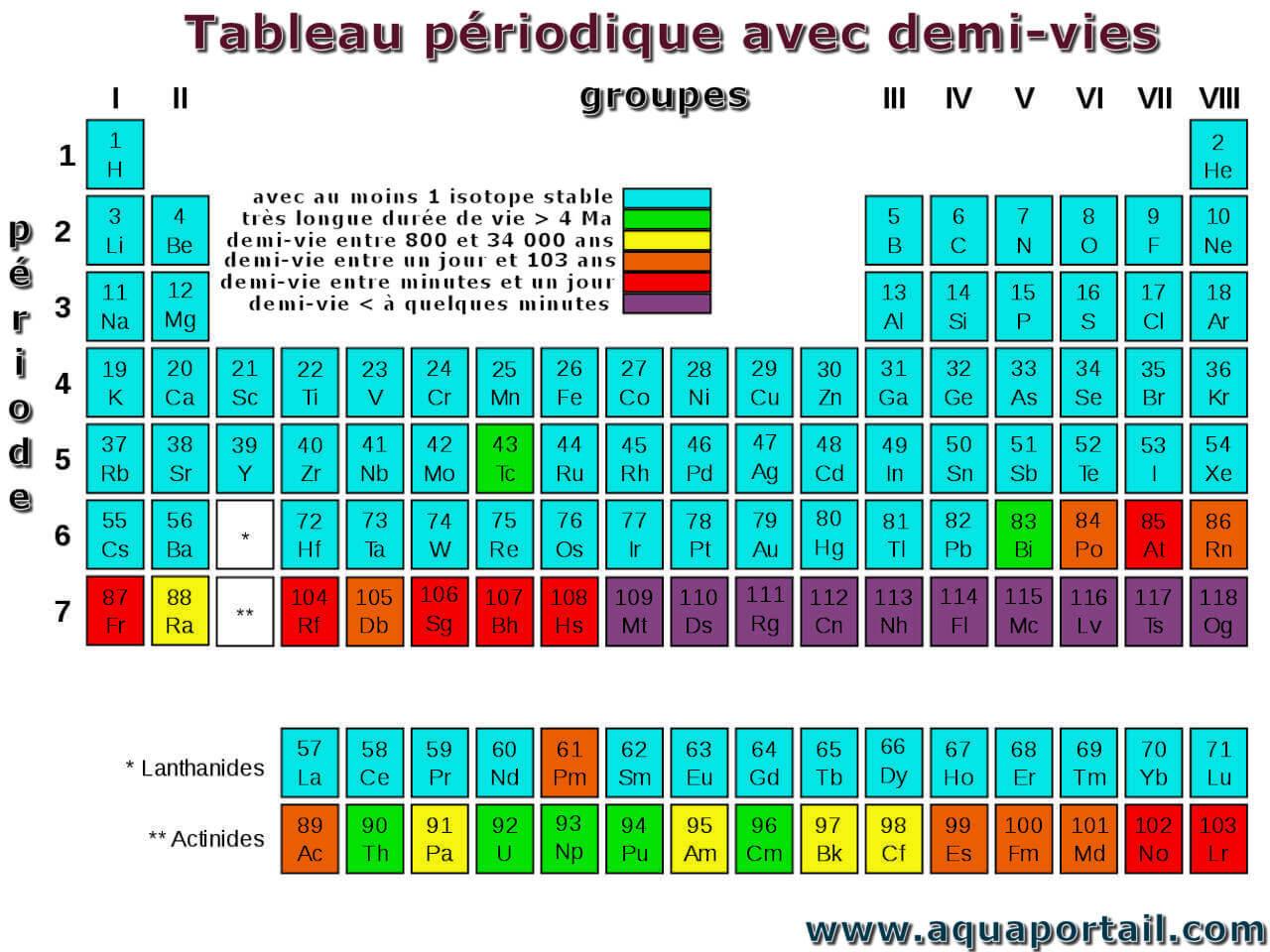
The periodic table of elements is an arrangement of chemical elements in tabular form, ordered by their atomic number (number of protons), electron...
photophilous
A photophilous organism appreciates light and grows best in full light. It requires significant lighting and develops only in a location well exposed...
photochemistry
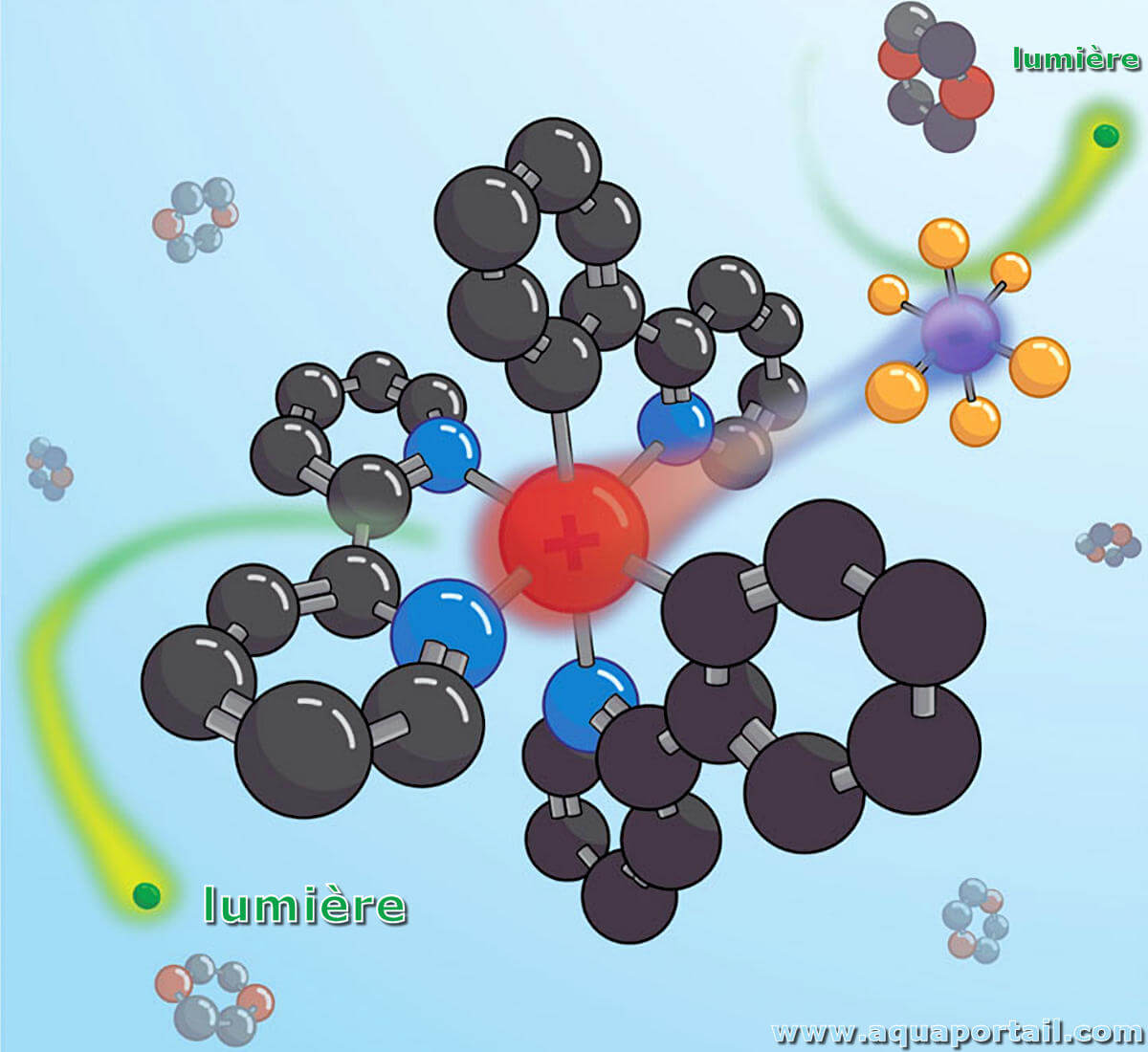
Photochemistry is the study of chemical reactions, isomerizations, and physical behavior that can occur under the influence of visible or ultraviolet light.
photodecomposition

Photodecomposition, a form of photolysis similar to photodissociation, is a chemical decomposition of molecules by the radiant energy of visible light.
