Glutathione
noun (n.)
Definition
Glutathione (GSH) is an important tripeptide composed of the amino acids cysteine, glutamic acid, and glycine. Widely present in mammalian tissues, it plays a multifunctional role as a potent antioxidant, free radical scavenger, and detoxifying agent.The structure of glutathione:

Glutathione (GSH) is a non-protein tripeptide formed from glutamic acid (glutamate), cysteine, and glycine (in the case of the reduced form GSH), participating in diverse reactions. Glutathione contains an unusual peptide bond between the amino group of cysteine and the side-chain carboxyl group of glutamate.
Explanations
Structurally, glutathione consists of glutamic acid linked via its side chain to the N-terminus of cysteinylglycine, giving it distinct biochemical properties. It is recognized for its diverse biological roles, including as a skin-lightening agent, human metabolite, mouse metabolite, Escherichia coli metabolite, anti-aging agent (geroprotector), antioxidant, and cofactor.
Glutathione is nucleophilic at its sulfur atom and attacks toxic electrophilic conjugate acceptors. thiol groups are maintained in a reduced state at a concentration of approximately 5 mM in animal cells. Indeed, glutathione reduces any disulfide bond formed within cytoplasmic cysteine proteins by acting as an electron donor. In the process, glutathione is converted to its oxidized form, called glutathione disulfide (GS-SG). Within cells, glutathione is found primarily in the reduced state (GSH) and, to a much lesser extent, in the oxidized state (GS-SG).
This is because the enzyme that "reduces" the tripeptide from its oxidized form, glutathione reductase, is constitutively active and inducible under oxidative stress. In fact, the GSH/GS-SG ratio in cells is often used as an "indicator" of cellular oxidative state and toxicity.
In its oxidized form, two glutathione molecules are joined by a disulfide bond between the two cysteines (GS-SG). A selenium-containing enzyme, glutathione peroxidase, catalyzes the reduction of free radicals and peroxides through the dehydrogenation of glutathione.
Glutathione is not an essential nutrient, as it can be synthesized from the amino acids L-cysteine, L-glutamic acid, and glycine. The sulfhydryl (thiol) group (SH) of cysteine serves as an electron donor and is responsible for the biological activity of glutathione. The availability of this amino acid is the rate-limiting factor in cellular glutathione synthesis, since cysteine is scarce in food products. Moreover, if released as a free amino acid, cysteine is toxic and spontaneously catabolizes in the gastrointestinal tract and blood plasma.
Roles
Glutathione is the primary antioxidant in cells; it is ubiquitous and helps protect them from reactive oxygen species, such as free radicals and peroxides.
Glutathione participates in various physiological processes, notably as a cofactor for the enzyme glutathione peroxidase, promoting amino acid absorption and contributing to leukotriene synthesis. As a substrate for glutathione S-transferase, it reacts with harmful chemical substances such as halides, epoxides, and free radicals, converting them into inactive, harmless byproducts. In red blood cells, these reactions are important for reducing oxidative damage by neutralizing methemoglobin and peroxides.
Furthermore, glutathione is involved in the formation and stabilization of disulfide bonds in proteins and facilitates amino acid transport across cell membranes.
Synthesis
Classified as a tripeptide, thiol, and L-cysteine derivative, it fulfills multiple metabolic functions. In addition, it exists as the conjugate acid of glutathionate(1-).
Glutathione is synthesized in two adenosine triphosphate-dependent steps:
- first, gamma-glutamylcysteine is synthesized from L-glutamate and cysteine via the enzyme gamma-glutamylcysteine synthetase (also known as glutamate-cysteine ligase, or GCL). This reaction is the rate-limiting step in glutathione synthesis
- second, glycine is added to the C-terminus of gamma-glutamylcysteine via the enzyme glutathione synthetase
Glutathione is sold in tablets:
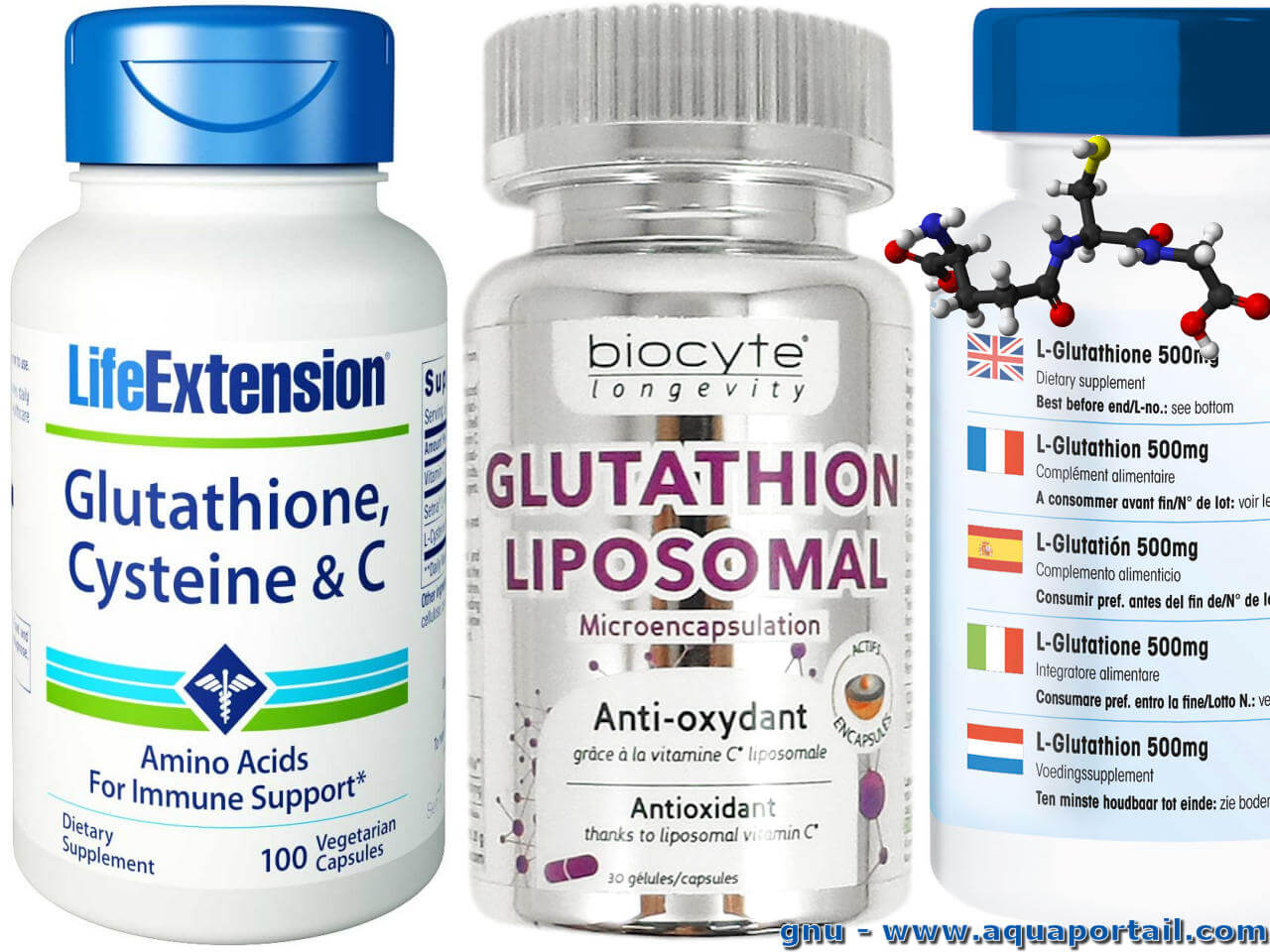
Glutathione supplementation has been challenging, as research suggests that oral glutathione is poorly absorbed by the gastrointestinal tract. However, plasma and hepatic glutathione concentrations can be restored with oral administration of S-adenosyl methionine.
In animals and insects, glutamate-cysteine ligase (GCL) is a heterodimeric enzyme composed of a catalytic subunit (GCLC) and a modulatory subunit (GCLM). The GCLC subunit accounts for all enzymatic activity, whereas the GCLM subunit increases the catalytic efficiency of GCLC. mice lacking GCLC (i.e., lacking all de novo GSH synthesis) die before birth. Mice lacking GCLM exhibit no overt phenotype, but show a marked decrease in GSH and increased sensitivity to toxicity.
Although all cells in the human body are capable of synthesizing glutathione, hepatic glutathione synthesis has been shown to be essential. Mice with postnatally induced genetic loss of GCLC (i.e., GSH synthesis) exclusively in the liver die within one month of birth.
Plant glutamate-cysteine ligase (GCL) is a redox-sensitive homodimeric enzyme conserved across the plant kingdom. In an oxidizing environment, intermolecular disulfide bonds form and the enzyme transitions to the active dimeric state. The midpoint potential of the critical cysteine pair is -318 mV.
In addition to redox control, GCL is subject to feedback inhibition by GSH. GCL is found only in plastids, while glutathione synthetase is located in both plastids and the cytosol; consequently, GSH and gamma-glutamylcysteine are exported from plastids. Both glutathione biosynthetic enzymes are essential in plants.
The glutathione biosynthesis pathway is present in certain bacteria, such as cyanobacteria and proteobacteria, but is absent in many others. Most eukaryotic organisms synthesize glutathione, including humans, though not all, such as legumes, Entamoeba, and Giardia.
Synonyms, antonyms
Spanish translation: glutatión
0 synonyms (similar meaning) for "glutathione".
0 antonyms (opposite meaning).
Related words and expressions to GLUTATHIONE are directly connected by general or specific meaning.
The word GLUTATHIONE is listed on page 1 of words starting with G in the dictionary glossary.
Related to "glutathione"
tripeptide
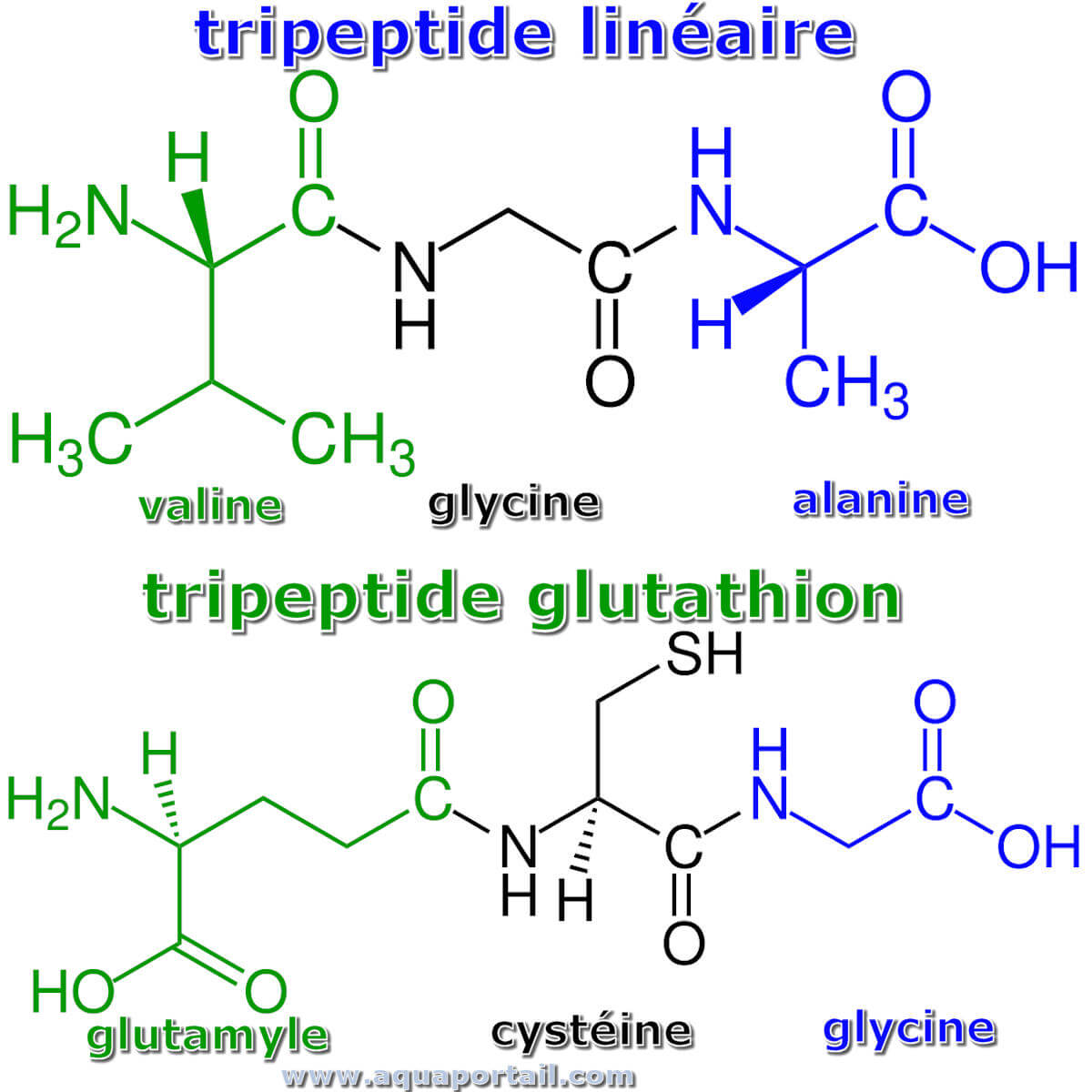
A tripeptide is a group of three amino acid molecules linked by the elimination of water and the formation of two amide bonds (H-N-C=O).
glutamine
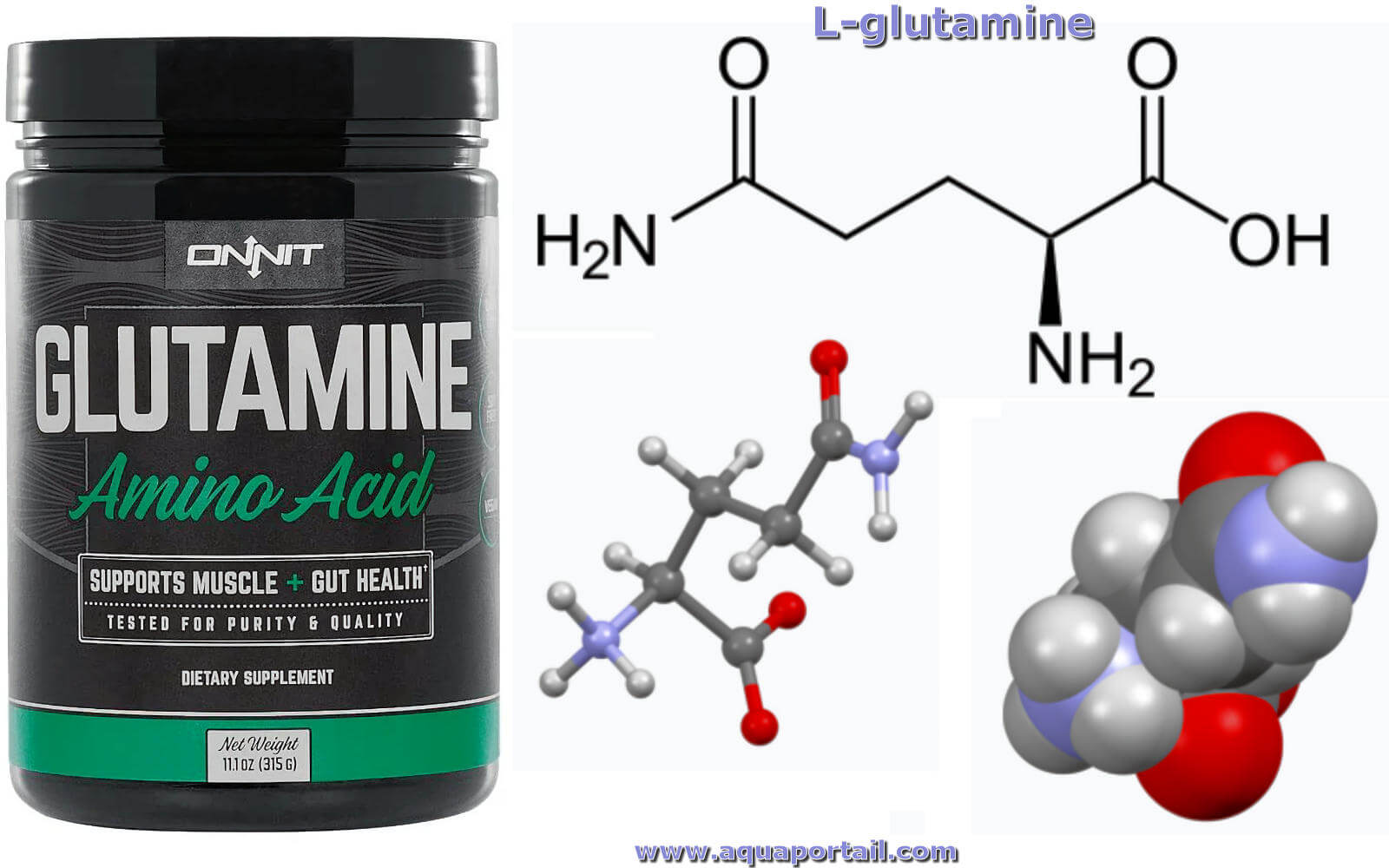
Glutamine is a non-essential amino acid in humans, occurring as the γ-monoamide of L-glutamic acid.
gabelle

The gabelle was an ancient excise tax on salt. This indirect tax remained the main source of revenue for the French monarchy until the Revolution of 1789...
galactan
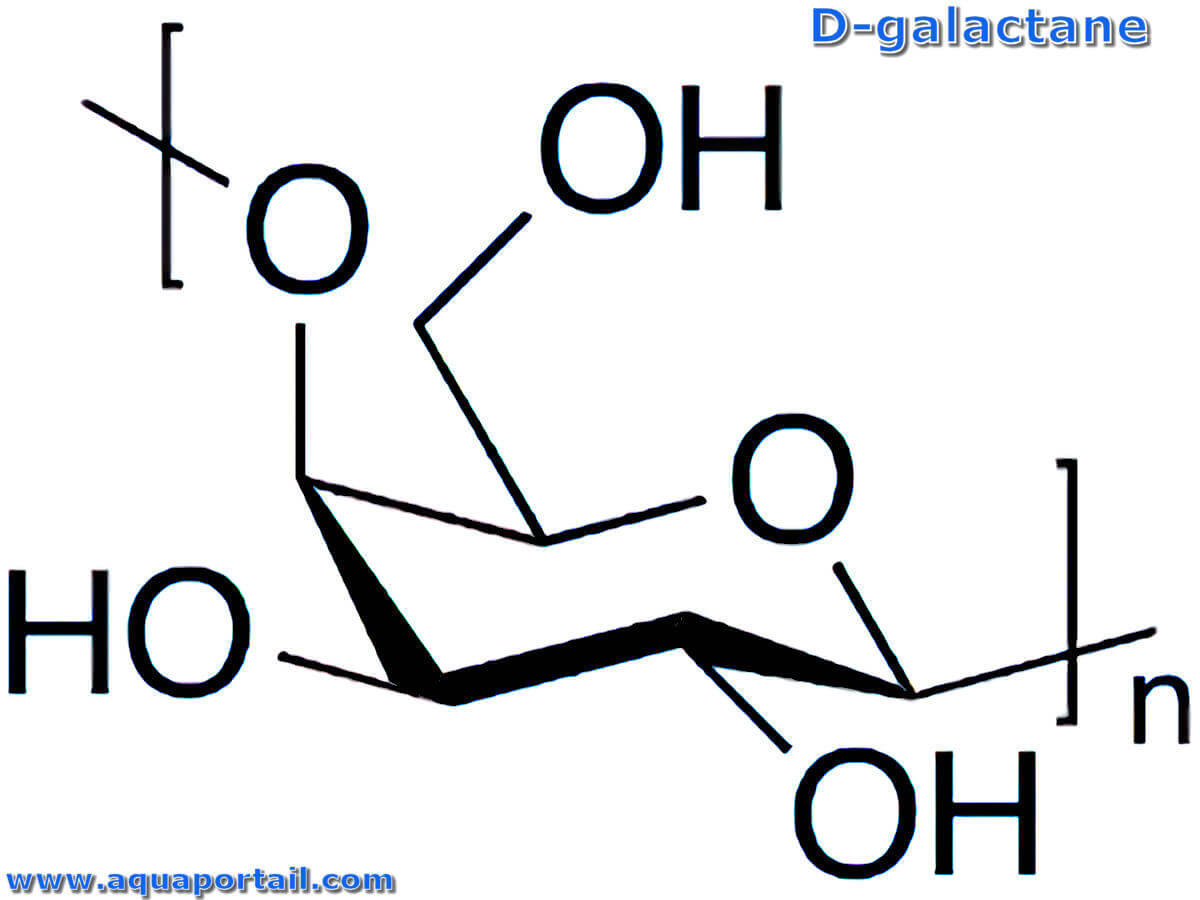
A galactan (galactosan) is a polymer composed of L- and D-galactose, a water-soluble hemicellulose made up of branched hydrosoluble polysaccharides.
