Tripeptide
noun (n.)
Definition
A tripeptide is a group of three amino acid molecules linked by the elimination of water and the formation of two amide bonds (H-N-C=O). Tripeptides are involved in regulating the functional activity of blood cells. An oligopeptide includes tripeptides.
Two linear tripeptides:
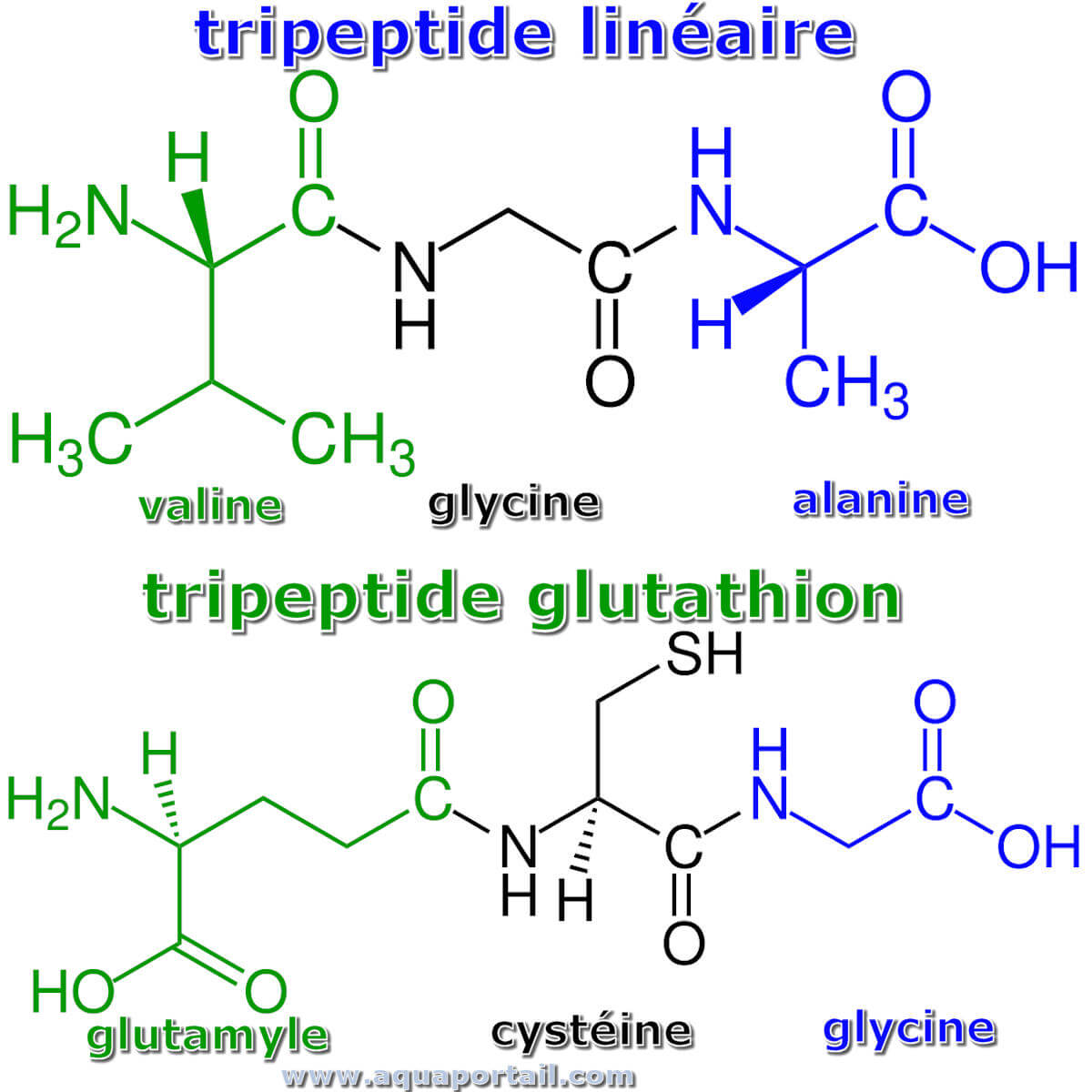
At the top, a linear tripeptide (such as Val-Gly-Ala) with the N-terminal α-amino acid residue marked in green (L-valine) and the C-terminal α-amino acid residue marked in blue (L-alanine). At the bottom, glutathione is a tripeptide with the N-terminal γ-L-glutamyl residue marked in green and the C-terminal glycyl residue marked in blue.
Explanations
The effect of small tripeptides (which are fragments of many natural compounds such as collagen and neurohormones) is regulatory on the aggregation state of blood cells. The structure of tripeptides is of fundamental importance as a first step toward understanding their role in protein formation mechanisms and biochemical functions.
The biological activities of natural dipeptides and tripeptides have applications in the food industry. Research is currently ongoing to identify new sources of bioactive peptides, as well as methods of preparation, bioavailability, biological activity, and mechanisms of action.
⭐ Most proteins, after digestion, are absorbed across the luminal membranes of intestinal epithelial cells as dipeptides, tripeptides, and a few free amino acids. The ability of absorptive cells in the small intestine to take up intact dipeptides and tripeptides went unappreciated for a long time. Functional evidence for peptide absorption in the small intestine originally came from in vivo studies of patients with genetic defects in amino acid absorption.
Dipeptides, tripeptides, and tetrapeptides
apical absorption of dipeptides, tripeptides, and tetrapeptides occurs via an H+-driven cotransporter. Virtually all absorbed protein products exit the villous epithelial cell and enter the bloodstream as individual amino acids. Substantial portions of these amino acids are released into the small intestinal lumen by luminal proteases and brush-border peptidases and, as seen below, move across the apical membranes of enterocytes via several amino acid transport systems. However, significant amounts of protein are absorbed from the intestinal lumen as dipeptides, tripeptides, or tetrapeptides, and then hydrolyzed into amino acids by intracellular peptidases.
Dipeptide and tripeptide comparison:
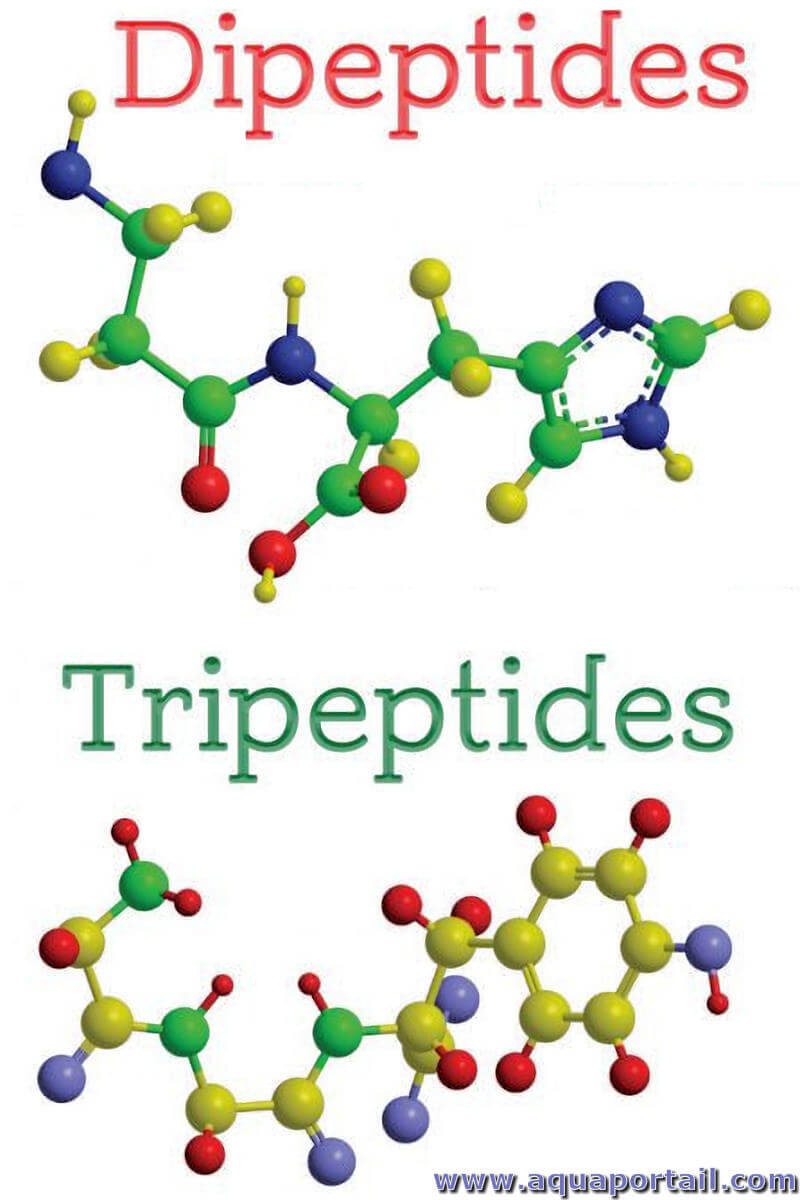
Comparison of the molecular structures of a dipeptide and a tripeptide.
Evidence for a specific transport process for dipeptides, tripeptides, and tetrapeptides comes from direct measurements of oligopeptide transport, molecular identification of the transporter, and studies of inherited disorders of amino acid transport, cystinuria, and Hartnup disease.
Glutathione tripeptide
The tripeptide glutathione (γ-Glu-Cys-Gly) is the most abundant soluble thiol in animal cells. A substantial amount of glutathione exists in the intestinal lumen, though it does not originate from dietary proteins. Luminal glutathione comes primarily from biliary secretions.
The tripeptide glutathione is found in virtually all mammalian tissues. It contains a reactive nucleophilic thiol group, and one of its functions appears to be scavenging harmful electrophilic compounds ingested or produced by metabolism.
Current interest in the intestinal transport of glutathione stems from the following observations: glutathione functions as an important antioxidant protecting cellular molecules, particularly membrane lipids, from reactive electrophiles; glutathione is absorbed intact to an appreciable extent across the intestine; manipulating glutathione levels in the intestinal lumen modulates plasma levels of this tripeptide and may therefore prove useful in preventing cellular damage involving free radicals and oxidative injury; glutathione is essential for normal intestinal function and for preventing the absorption of lipid hydroperoxides; and glutathione levels are decreased in the intestine in pathological conditions such as ulcerative colitis and Crohn's disease.
The characteristics of the glutathione transport systems present in the intestinal brush border and basolateral membranes are well known. These transport systems are unique and distinct from the systems available for small peptides derived from dietary proteins. Glutathione, although a tripeptide, contains an amide bond formed by the γ-carboxyl group of glutamate rather than the α-carboxyl group. The glutathione transport systems present at both poles of the enterocyte do not recognize normal dipeptides and tripeptides as substrates. Similarly, the intestinal peptide transport system does not accept glutathione as a substrate.
🚩 Xenobiotics conjugated to the tripeptide glutathione are either highly electrophilic as such or are first metabolized into an electrophilic product prior to conjugation. toxicity can result from the reaction of cellular nucleophiles with electrophilic metabolites if glutathione does not first intercept these reactive compounds.
Synonyms, antonyms
Spanish translation: tripéptido
1 synonym (similar meaning) for "tripeptide":
2 antonyms (opposite meaning):
Related words and expressions to TRIPEPTIDE are directly connected by general or specific meaning.
The word TRIPEPTIDE is listed on page 1 of words starting with T in the dictionary glossary.
Related to "tripeptide"
glutathione

Glutathione (GSH) is an important tripeptide composed of the amino acids cysteine, glutamic acid, and glycine.
peptide

A peptide is a molecule comprising at least two amino acid residues linked by a CO-NH peptide bond, formed by dehydration condensation between the NH₂ group...
glycopeptide
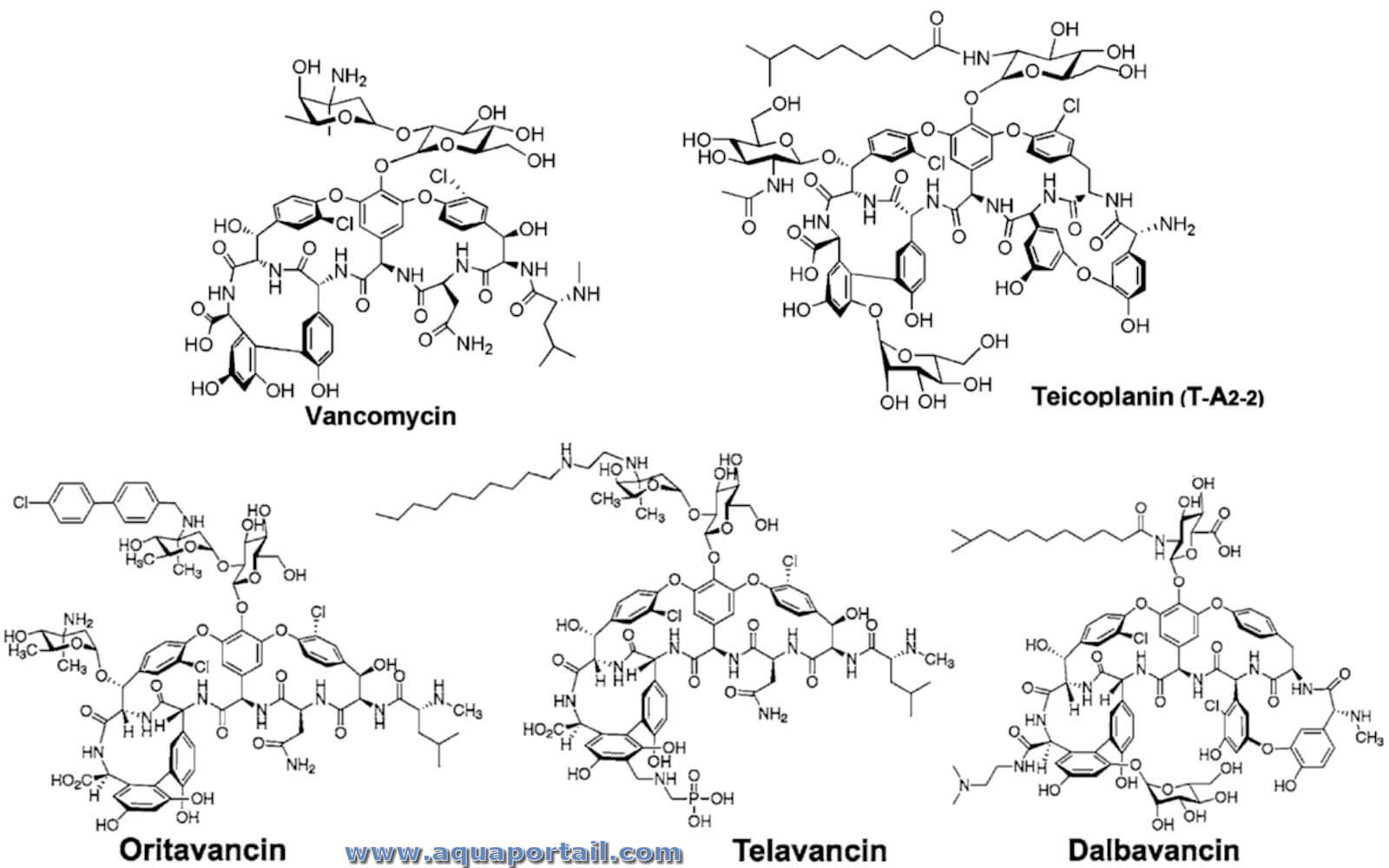
A glycopeptide is a compound formed of a peptide covalently linked to a carbohydrate moiety.
tagma

A tagma is a group of fused segments formed by series of metameres differentiated from the rest of an arthropod's body.
