Glycine
noun (n.)
Definition
Glycine is the simplest amino acid (C2H5NO2) but is non-essential because the body produces it naturally. It plays a crucial role in protein and collagen synthesis, neurotransmission, and the formation of compounds such as creatine and purines.Glycine is a non-chiral amino acid:
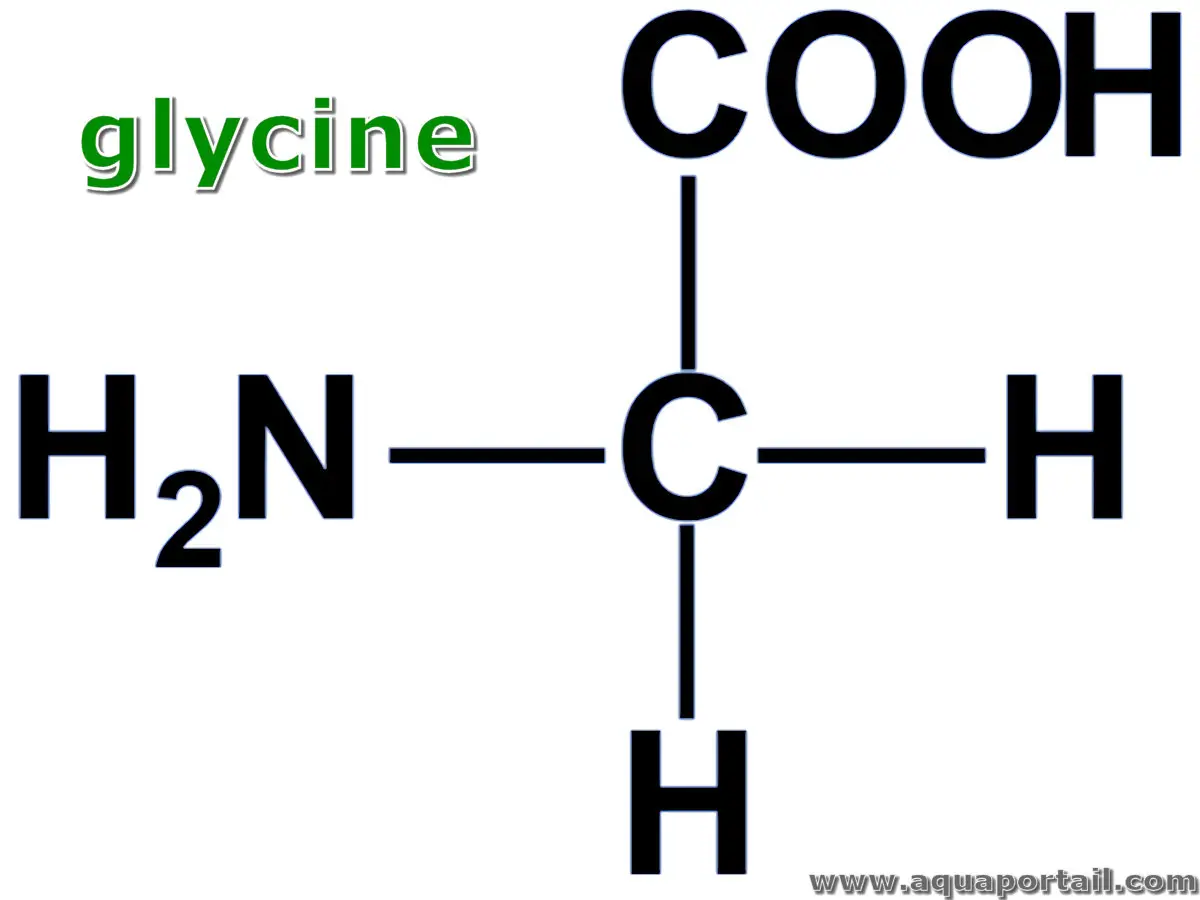
Glycine is characterized by a hydrogen side chain that makes it non-chiral. Glycine is sweet, nonpolar, uncharged, and synthesized from amino acids such as serine. It contributes to protein synthesis, acts as an inhibitory neurotransmitter, and serves as a precursor to energetic and structural biomolecules. Available as a dietary supplement, it promotes collagen production, improves sleep quality, and supports metabolic health.
Explanations
Glycine is classified as a non-essential amino acid. As one of the 22 proteinogenic amino acids, glycine is essential for the formation of proteins, including collagen, the most abundant protein in the human body. It acts as an inhibitory neurotransmitter in the central nervous system, helping to regulate neuronal activity.
Glycine serves as a precursor to essential biomolecules, such as creatine (important for muscle energy), purine nucleotides, and phospholipids.
✅ All α-amino acids, except glycine, have four different substituents attached to the α-carbon and are therefore chiral molecules. Glycine is unique among amino acids due to its side chain consisting of a single hydrogen atom, making it the only non-chiral amino acid.
Glycine, with the symbol "Gly" or "G", is the simplest of the twenty protein-building amino acids, the variable radical being a hydrogen atom. It is a precursor to many molecules: creatine, purine bases, heme, glutathione. It can conjugate with many molecules: cholic acid to yield glycocholic acid, benzoic acid to form hippuric acid. It is also an inhibitory neurotransmitter in the central nervous system. The corresponding codons are: GGU, GGC, GGA, GGG. The chemical formula of glycine is: H2N-CH2-COOH.
An adequate intake of glycine promotes collagen production, contributing to the health of skin, joints, and bones. It can improve sleep by promoting relaxation. Studies have linked high levels of glycine to a reduced risk of type 2 diabetes.
⭐ Glycine betaine is a compound, with the formula (CH3)3N+-CH2-COO-, considered a cellular osmoregulator in planktonic algae.
Glycine (Wisteria plant)
In botany, wisteria (glycine) is a green flowering plant of the genus Wisteria in the family Fabaceae. Flowering wisterias comprise about ten species of alpine legumes native to the eastern United States, China, Korea, and Japan.
Wisteria is an ornamental climbing plant:

Wisteria of the genus Wisteria is valued in cultivation, notably among climbing plants for decorating a wall that it eventually covers or for shading an arbor or pergola.
Some species are popular ornamental plants. A flowering aquatic plant with the common name water wisteria is actually Hygrophila difformis, in the family Acanthaceae.
Synonyms, antonyms
Spanish translation: glicina
2 synonyms (similar meaning) for "glycine":
- glycocoll
- α-aminoacetic acid
0 antonyms (opposite meaning).
Related words and expressions to GLYCINE are directly connected by general or specific meaning.
The word GLYCINE is listed on page 1 of words starting with G in the dictionary glossary.
Related to "glycine"
gabelle
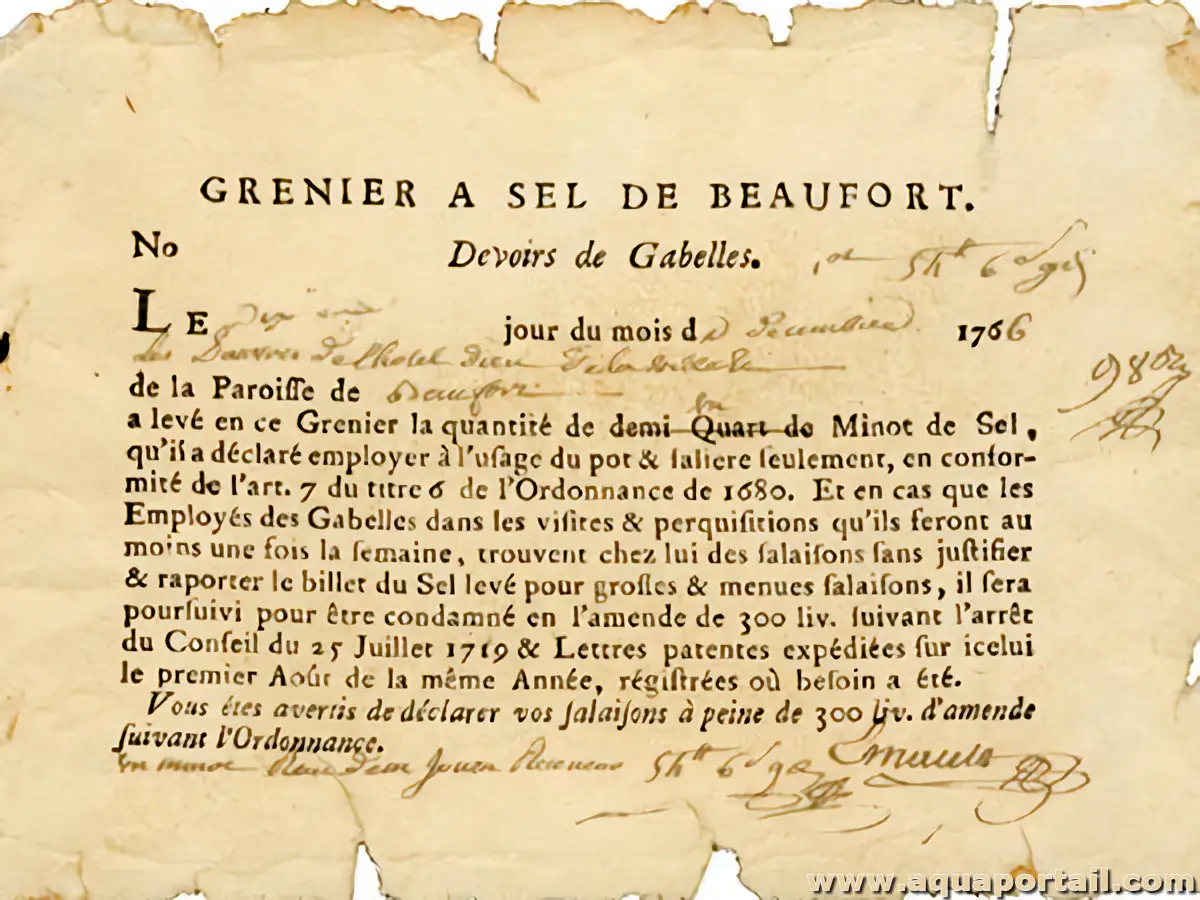
The gabelle was an ancient excise tax on salt. This indirect tax remained the main source of revenue for the French monarchy until the Revolution of 1789...
galactan
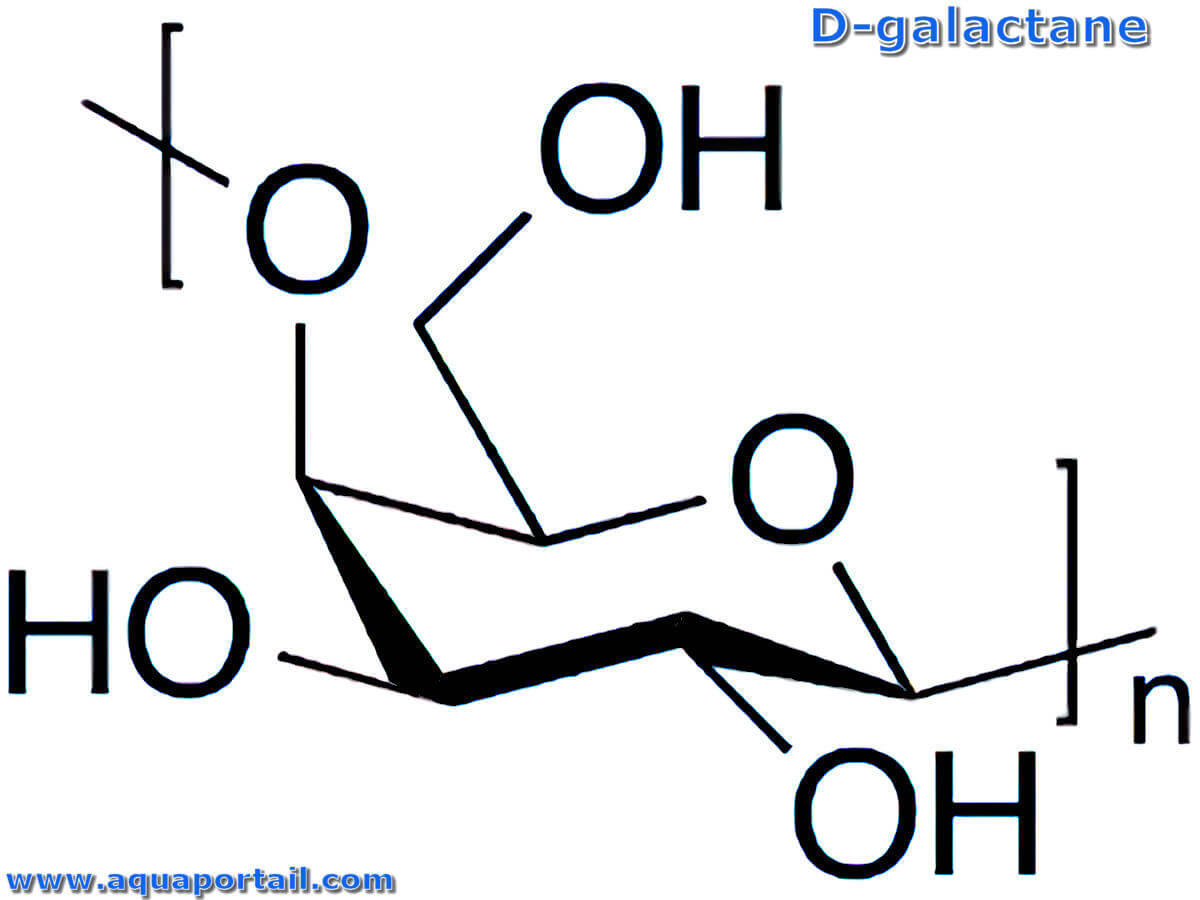
A galactan (galactosan) is a polymer composed of L- and D-galactose, a water-soluble hemicellulose made up of branched hydrosoluble polysaccharides.
gametangium

In botany, a gametangium is an organ or cell structure in which gametes are produced, as seen in mosses and liverworts.
gamete

A gamete is a male or female reproductive cell. This sexual cell is produced in the sex glands, or gonads. The male gamete is the spermatozoon, produced...
