Animal husbandry
noun phrase (n. phr.)
Definition
Animal husbandry is the captive breeding and management of domesticated animal species for growth or reproduction. Husbandry encompasses housing the animal, feeding it, and providing veterinary care. The captive breeding of wild (non-domesticated) animals falls within the domain of zoos.A cattle farm:
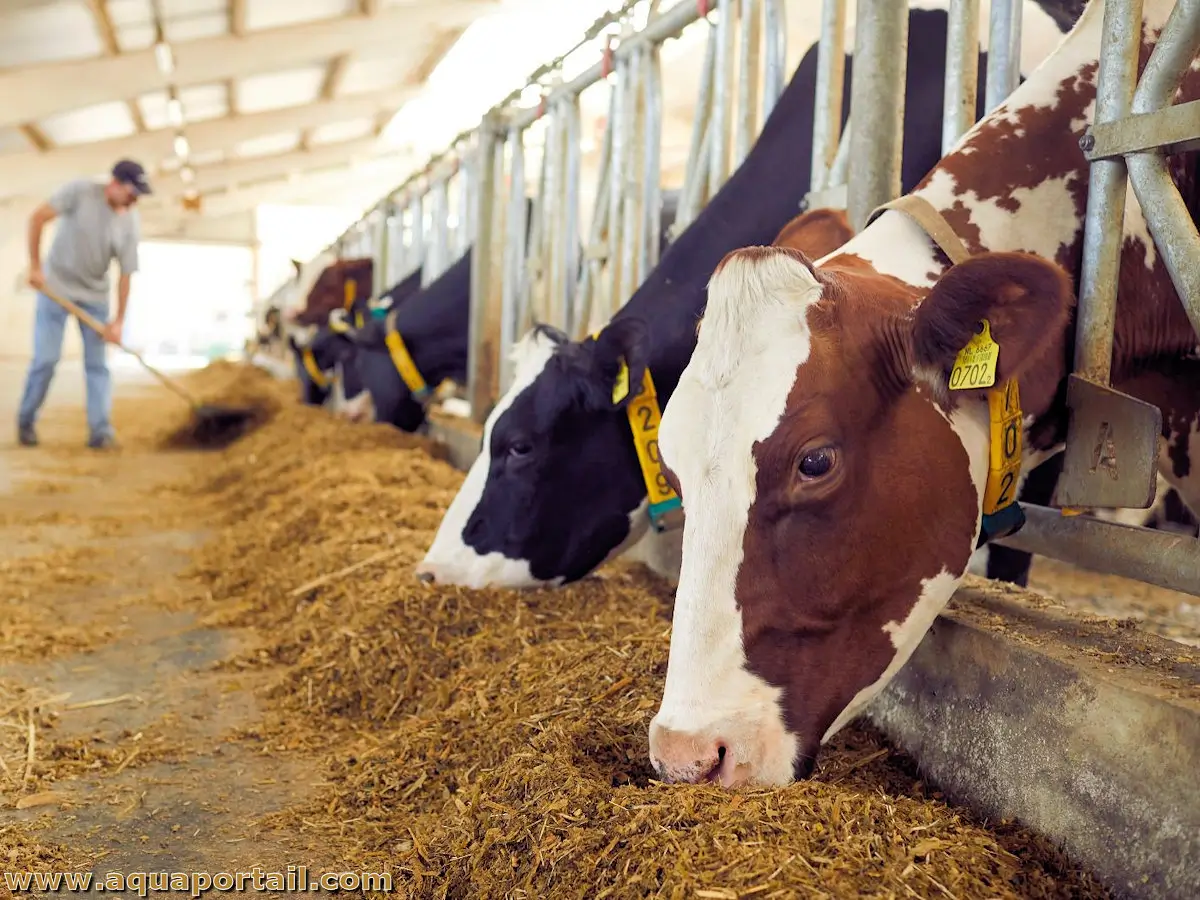
Animal husbandry is the practice of selective breeding and managing farm animals for various purposes, generally for food production (meat, milk, etc.), fiber (such as wool), or leather. It involves managing animals such as cattle, sheep, goats, pigs, poultry, and others in intensive or extensive systems to ensure their welfare and optimal productivity.
Explanations
Depending on the animals raised, livestock farming takes different names: pastoral farming for grazing livestock (cattle, sheep, pigs, etc.), poultry farming for birds (chickens, turkeys, ducks, etc.), beekeeping (apiculture) for bees, and aquaculture for aquatic animals (fishes in fish farming, shellfish in oyster farming, crustaceans, etc.). In oyster farming, grow-out rearing is a specific phase occurring between intermediate nursery culture and finishing.
For plants, the equivalent (and preferable) term to animal husbandry is cultivation.
A fish farm:
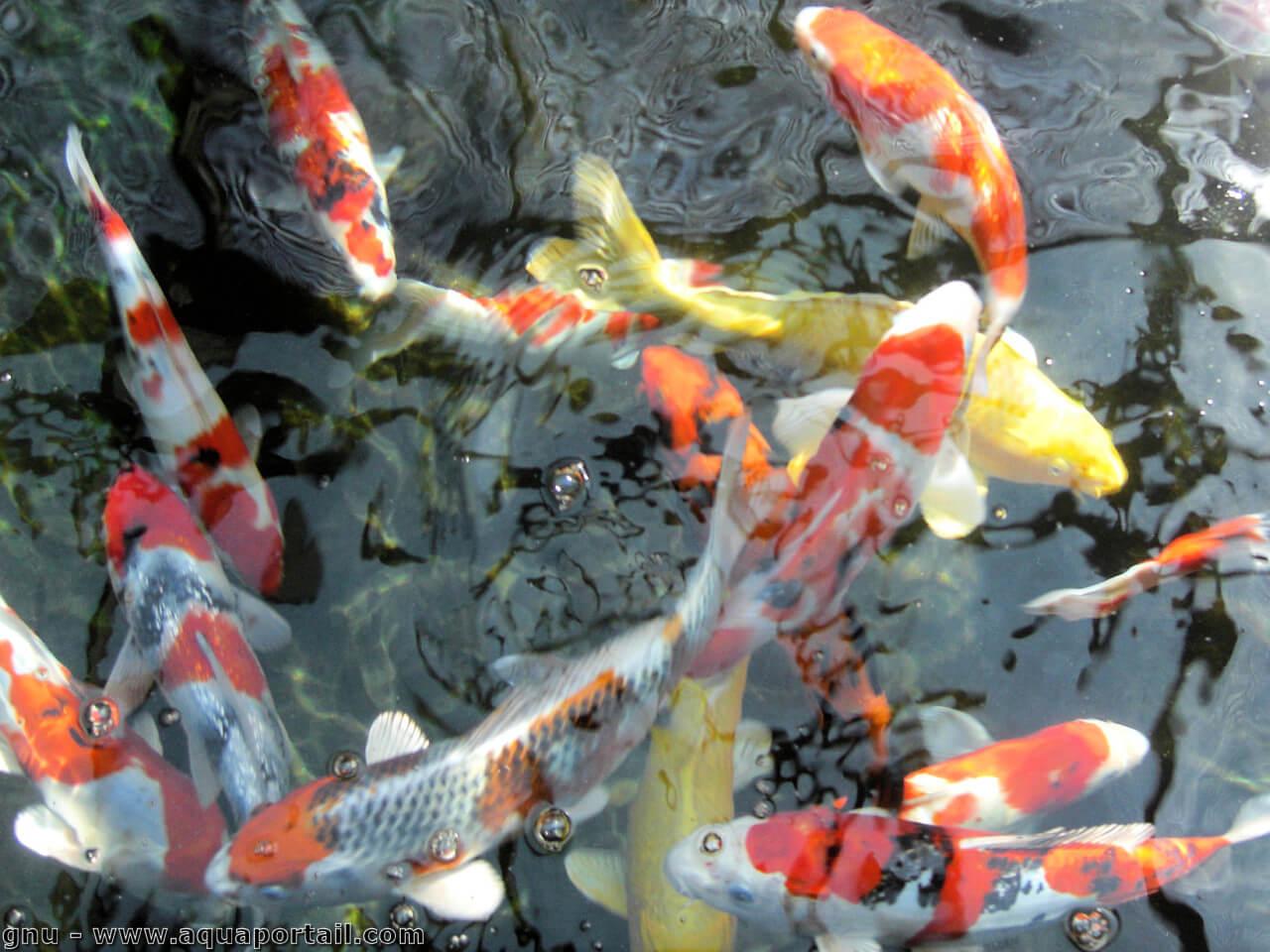
Fish farming in aquaculture aims at growing out fish, starting from the fry stage, feeding them to maturity, and subsequently breeding them.
Derived expressions
Intensive farming (intensive animal husbandry) is a commercial activity dedicated to livestock production. Husbandry is closely tied to agriculture, as both can be integrated on a farm: livestock produce manure used as fertilizer for crops, while crops supply feed for the animals.
Raceway culture is an intensive farming technique for penaeid shrimp. Suited to shrimp living in flow-through systems or on pond bottoms in tropical temperatures, raceway culture involves high aeration levels, high water quality, and an abundant food supply.
Pond culture is a term used to describe raising organisms in land-based earthen ponds. Various pond configurations are used at different developmental stages, such as spawning, overwintering, nursery, and grow-out ponds. Pond culture is frequently used for future restocking of water bodies. See also nursery ponds and rearing pond.
Mixed-sex culture is the rearing of males and females of the same species within the same production unit.
Single-cohort (separate age-class) culture is a fish-farming method in which uniform batches of fish of similar size and age are grown out in separate ponds or tanks.
Mixed-age (multi-cohort) culture is the rearing of fish at different growth stages, of varying sizes, and from different spawns within the same body of water.
Batch culture, in fish farming, is a production system in which a complete harvest takes place after a set period. If the rearing unit can be drained, it is emptied before restocking; if draining is not possible, the water is generally treated chemically to remove remaining fish prior to restocking.
Clear-water culture is a larval rearing method for fish, mollusks, or crustaceans in which live prey (such as microalgae and rotifers) are cultured separately in tanks and added to the larval rearing units at regular intervals.
See also monosex culture, integrated farming, breeding pen, green water (green-water culture), and aquaculture production system.
⭐ An example of beetle rearing is given for the darkling beetle Ulomoides dermestoides.
The case of livestock
Livestock and livestock feed production occupy one-third of Earth's ice-free land. Animal agriculture is a leading driver of species extinction, oceanic dead zones, water pollution, and habitat destruction, contributing to biodiversity loss in multiple ways.
In addition to massive habitat loss caused by deforestation and land conversion to feed crops and pastures, predators and "competing" wildlife species are frequently targeted and hunted due to perceived threats to livestock profits.
The widespread use of pesticides, herbicides, and chemical fertilizers in forage crop production often disrupts animal reproductive systems and contaminates waterways.
Overexploitation of wild species through commercial fishing and the bushmeat trade, alongside the impact of animal agriculture on climate change, contributes to global species and resource depletion.
Livestock and their by-products account for at least 32,000 million metric tons (35,274 million short tons) of carbon dioxide (CO2) equivalent per year, or 51% of all global greenhouse gas emissions according to certain estimates. Animal husbandry is responsible for 65% of all emissions related to nitrous oxide, a greenhouse gas with 296 times the global warming potential of carbon dioxide that persists in the atmosphere for 150 years. Cattle produce an average of 150 billion liters (40 billion US gal) of methane per day.
Animal agriculture accounts for 20 to 33% of global freshwater consumption today, and is responsible for up to 91% of Amazon rainforest destruction!
Synonyms, antonyms
Spanish translation: ganadería
2 synonyms (similar meaning) for "animal husbandry":
- cultivation
- livestock farming
0 antonyms (opposite meaning).
Related words and expressions to ANIMAL HUSBANDRY are directly connected by general or specific meaning.
The expression ANIMAL HUSBANDRY is listed on page 1 of words starting with A in the dictionary glossary.
Related to "animal husbandry"
abiotic

In biology and ecology, abiotic refers to what is not biotic, that is, not part of living beings.
aboral

Aboral refers to what is situated away from or opposite the mouth in zoology, and especially in marine biology.
absence

Absence refers to non-presence at an expected location, or the complete non-existence of something.
acetyltransferase
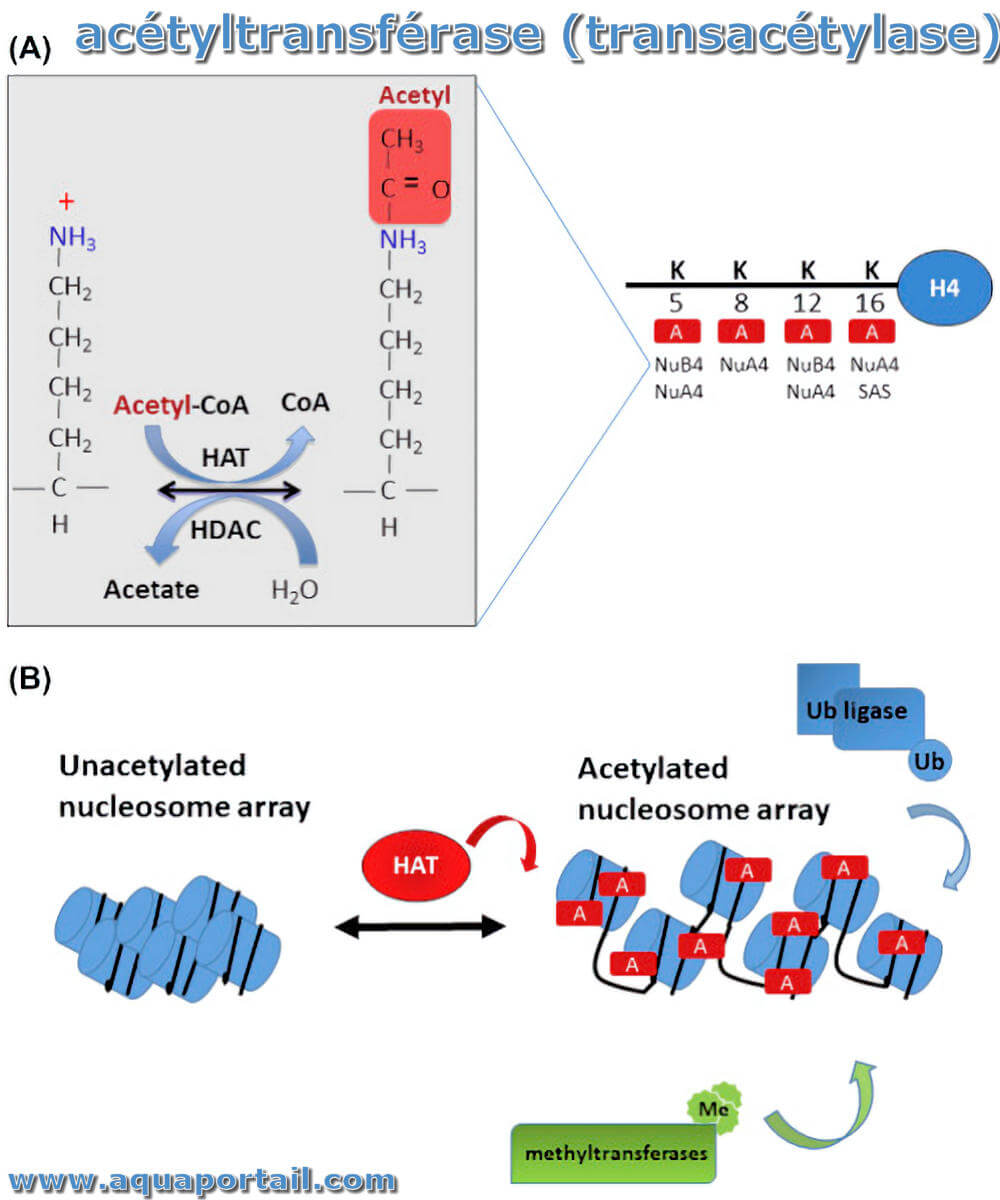
An acetyltransferase is an enzyme that transfers an acetyl group from acetyl-CoA to lysine amino acids.
