Bromide
noun (n.)
Definition
The bromide ion is a bromine atom with an electrical charge of -1, that is, with one extra electron. Bromides are compounds in which bromine acts in the -1 oxidation state. They are also salts of hydrobromic acid HBr. The bromide ion is an anion and is also abbreviated as bromide. It belongs to the halides.
Diagram of benzyl bromide:

In this structural formula of benzyl bromide, bromine is covalently bonded. Benzyl bromide is also called α-bromotoluene or bromomethylbenzene.
Explanations
Bromides can be ionic compounds, such as cesium bromide CsBr, or they can be covalent, such as sulfur dibromide SBr2.
Bromides have been used as sedatives since the 19th and 20th centuries. Clidinium bromide is among the most commonly used modern antispasmodics.
In nature
Bromides are generally found naturally in seawater, along with chlorides, at a concentration of about 65 mg/L (65 ppm), which represents about 0.2% of all dissolved salts in seawater. Marine foods generally contain high amounts of bromides, whereas terrestrial foods contain variable amounts.
Silver bromide AgBr occurs in nature as silver bromite (bromargyrite).
Chemistry
To test for the presence of bromide ion in solution, dilute nitric acid HNO3 is added, followed by silver nitrate AgNO3. A cream-colored precipitate appears at the bottom of the container. If inorganic bromides are heated with concentrated sulfuric acid, brown vapors form (elemental bromine).
A more selective test is performed by oxidizing fluorescein after first oxidizing the bromide to bromine with concentrated potassium permanganate and sulfuric acid. When the solution is heated, bromine is released, imparting a deep pink color to the fluorescein.
This presence can also be quantified using ion-selective electrodes (ISE) for said ion, which must be calibrated with standard solutions to compare against the sample content.
Other methods include column chromatography to separate anions and the phenol red colorimetric method, which uses chloramine T in the presence of phenol red to oxidize bromide to molecular bromine. This formed bromine produces a bromination of phenol red. It is buffered at a pH of 4.5 to 4.7 using a sodium acetate buffer, and the color changes from red to violet. Concentration is quantified in a colorimeter by comparison with standard solutions.
To detect bromide by wet chemical methods, halide detection reactions are used.
There are also organic bromides, organobromides, in which bromine is present as a bromide ion, for example in hydrobromides or tetramethylammonium bromide.
In organic bromides that are not salts, bromine is covalently bonded to a carbon atom. Production takes place by reacting alcohols with hydrobromic acid, adding hydrogen bromide to alkenes, photobromination of alkanes, catalytic bromination of aromatic compounds, or the Sandmeyer reaction.
A bromide salt contains bromide ions Br- in its ionic lattice, which are singly negatively charged. They form, for example, during the reaction of metals with bromine or hydrobromic acid. Neutralization of metal oxides or hydroxides with hydrobromic acid also produces bromide salts of those metals.
Medical uses
Bromides, particularly potassium bromide, were frequently used as sedatives in the 19th and 20th centuries. This gave the word "bromide" its colloquial connotation, and popular belief regarding its functions LED to overuse.
The bromide ion is antiepileptic, and bromide salts are still used for this function, particularly in veterinary medicine. The half-life of bromides in humans (12 days) is long compared to many drugs, making the dose difficult to adjust (a new dose can take several months to reach equilibrium).
Bromide ion concentrations in cerebrospinal fluid are about 30% of those in blood and are strongly influenced by chloride intake and metabolism.
Chronic bromide toxicity can trigger bromism, a syndrome with multiple neurological symptoms. Bromide toxicity can also cause skin rashes. See potassium bromide.
Lithium bromide was used as a sedative in the early 20th century, but became obsolete in the 1940s when heart patients died after using it as a salt substitute. Lithium and lithium chloride have been used as treatments for bipolar disorder.
In biology
The bromide ion is required by eosinophils (white blood cells of the granulocyte class specialized in defense against multicellular parasites), which use it to generate brominated antiparasitic compounds through the action of eosinophil peroxidase, an enzyme that preferentially uses bromides. Despite this use by the body, it is unknown whether the bromide ion is strictly necessary for life, as its functions can generally be replaced (though in some cases not very well) by chlorides.
Bromides are salts sometimes used in spas and hot tubs as mild germicidal agents, using the action of an added oxidizing agent to generate hypobromite "in situ", similarly to eosinophil peroxidase.
The average bromide concentration in human blood is 5.3 ± 1.4 mg/L (5.3 ± 1.4 ppm) and varies with age and sex. Much higher concentrations indicate exposure to brominated chemicals (such as methyl bromide). However, the bromide ion occurs at a relatively high concentration in seawater, and blood bromide concentrations are strongly influenced by fish consumption in the diet.
History
In some countries, bromides are still available in pharmacies in solution form, although they have been banned since the 1950s as over-the-counter sedatives in most Western countries.
According to rumor, notably during World War II, British troops allegedly added bromide to their tea to reduce the incidence of erections in men (see anaphrodisiac). Historically, that was indeed the first pharmacological use of bromide a century ago (see history of potassium bromide).
However, such an action is common to all effective sedatives and is not known to be particularly specific to bromide. Furthermore, stories of anaphrodisiacs used for troops in connection with many other chemicals, such as nitrates, have also been told, and nothing has clearly demonstrated their efficacy.
Synonyms, antonyms
Spanish translation: bromuro
0 synonyms (similar meaning) for "bromide".
0 antonyms (opposite meaning).
Related words and expressions to BROMIDE are directly connected by general or specific meaning.
The word BROMIDE is listed on page 1 of words starting with B in the dictionary glossary.
Related to "bromide"
back-and-forth motion

A back-and-forth motion is a repeated reciprocating movement from one point to another. Moving back and forth indicates displacement in one direction and then...
bacterial

A bacterial organism or feature relates to bacteria. In bacteriology, bacterial cultures are grown in Petri dishes, allowing the bacteriologist to study...
bacterial artificial chromosome
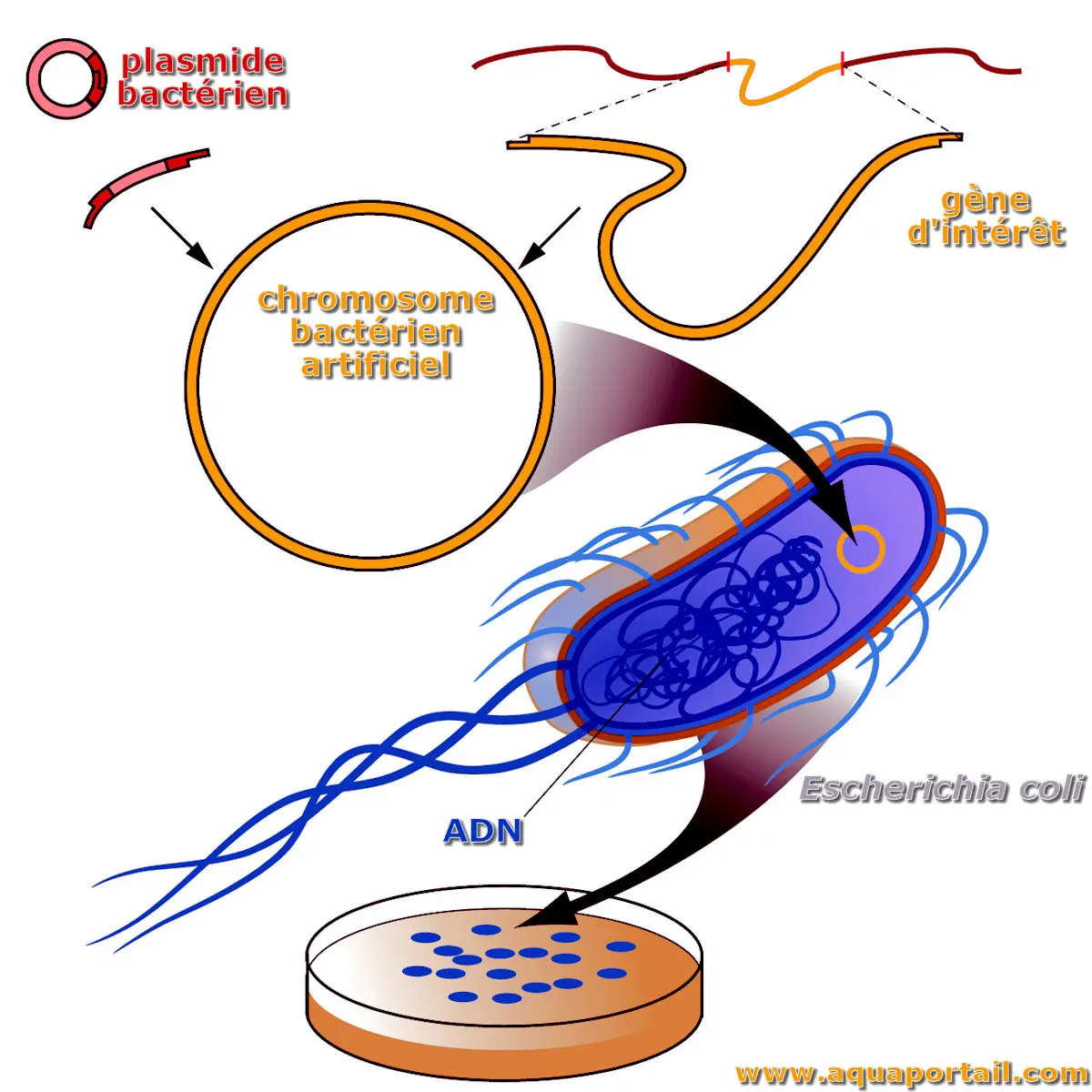
A bacterial artificial chromosome (BAC) is a DNA construct, based on a functional fertility plasmid or F-factor, used for transformation and bacterial cloning...
bacterial flagellum

A bacterial flagellum is a prokaryotic flagellum found in bacteria or monerans. It is essential for motility, adhesion, and colonization, and forms part...
