Hydrogenosome
noun (n.)
Definition
A hydrogenosome is a membrane-enclosed, hydrogen-producing organelle derived from a mitochondrion. It generates molecular hydrogen and ATP and operates under anaerobic conditions. Hydrogenosomes occur in certain anaerobic ciliates, trichomonads (Trichomonas), anaerobic chytrid fungi, and a few microscopic animals.
A metazoan utilizing hydrogenosomes:

Metazoans of the genus Spinoloricus metabolize hydrogen using hydrogenosomes; they lack aerobic mitochondria and live under strictly anaerobic conditions.
Explanations
It is widely accepted that hydrogenosomes evolved from mitochondria. In 2010, scientists reported the discovery of the first known anaerobic metazoans (loriciferans) possessing hydrogenosome-like organelles. Hydrogenosomes were originally discovered in the early 1970s by Donald G. Lindmark and Miklós Müller in 1973 in the United States, as well as by Jaroslav Kulda in Prague.
The hydrogenosomes of Trichomonas (the most thoroughly studied hydrogenosome-bearing microorganisms) produce molecular hydrogen, acetate, carbon dioxide, and ATP through the combined action of pyruvate:ferredoxin oxidoreductase, hydrogenase, and acetate:succinate CoA-transferase / succinyl-CoA synthetase. Superoxide dismutase, malate dehydrogenase (decarboxylating), ferredoxin, adenylate kinase, and NADH are also localized within hydrogenosomes.
⭐ Hydrogenosomes have a diameter of approximately 1 μm. Like mitochondria, they are bounded by a double membrane, with the inner membrane exhibiting cristae-like projections. Hydrogenosomes diverged from mitochondria through the concomitant loss of core mitochondrial features, most notably the loss of their organellar genome.
Specifically, the "hydrogen hypothesis" proposes that endosymbiosis occurred in a primitive host cell prior to the evolution of a true nucleus, involving the engulfment of a hydrogen-producing bacterium by an archaeal host (archaea).
The ancestral endosymbiotic bacteria released abundant molecular hydrogen utilized by the archaeal host, driving a mutually beneficial metabolic partnership.
Within this symbiosis, evolutionary divergence gave rise either to aerobic mitochondria or to anaerobic hydrogenosomes: mitochondria specialized in aerobic respiration, whereas hydrogenosomes retained anaerobic fermentative energy metabolism.
Thus, the hydrogenosome is not merely a degenerate mitochondrion, but rather the outcome of a shared evolutionary diversification yielding either aerobic mitochondria or anaerobic hydrogenosomes.
Synonyms, antonyms
Spanish translation: hidrogenosoma
0 synonyms (similar meaning) for "hydrogenosome".
0 antonyms (opposite meaning).
Related words and expressions to HYDROGENOSOME are directly connected by general or specific meaning.
The word HYDROGENOSOME is listed on page 1 of words starting with H in the dictionary glossary.
Related to "hydrogenosome"
bacterial artificial chromosome
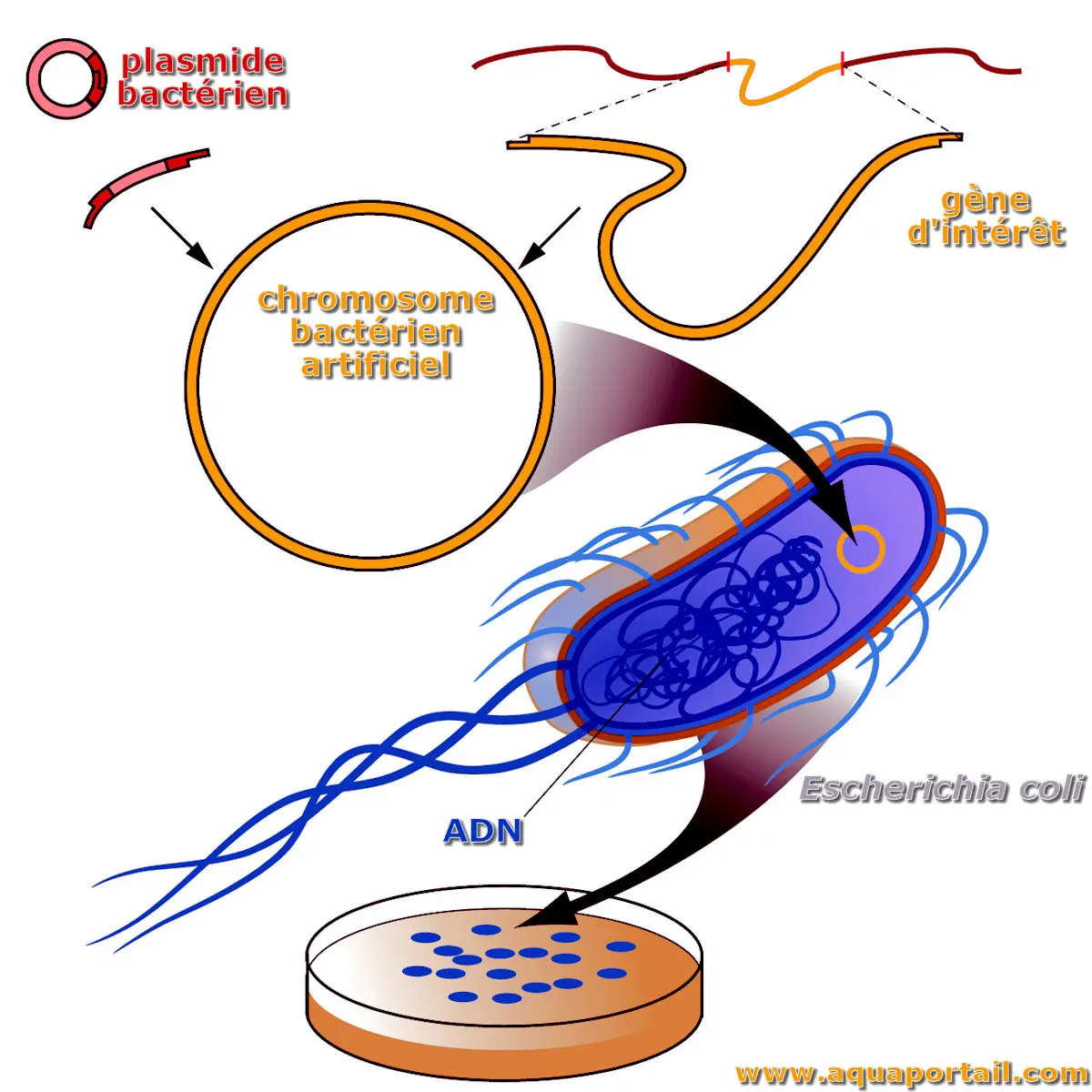
A bacterial artificial chromosome (BAC) is a DNA construct, based on a functional fertility plasmid or F-factor, used for transformation and bacterial cloning...
dictyosome
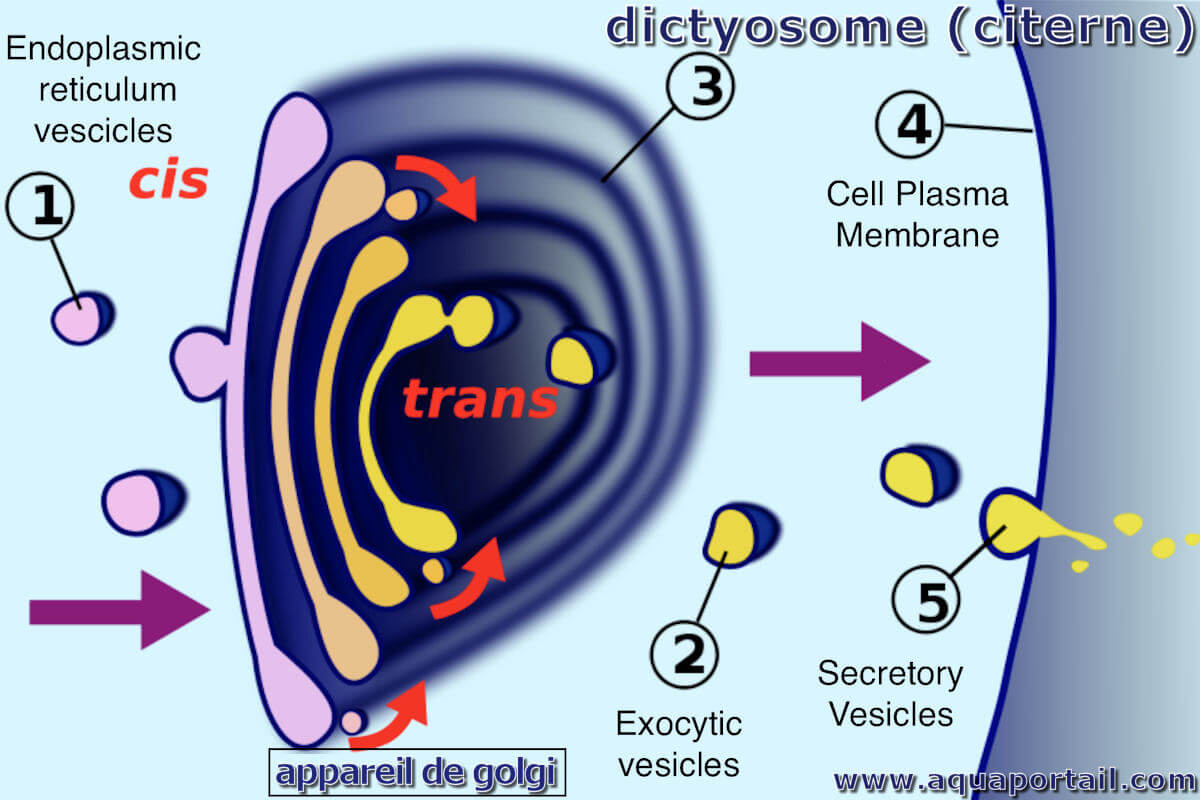
A dictyosome is a stack of flattened, membrane-bound cellular cavities shaped like small concave disks; these cavities are called cisternae.
ejectosome
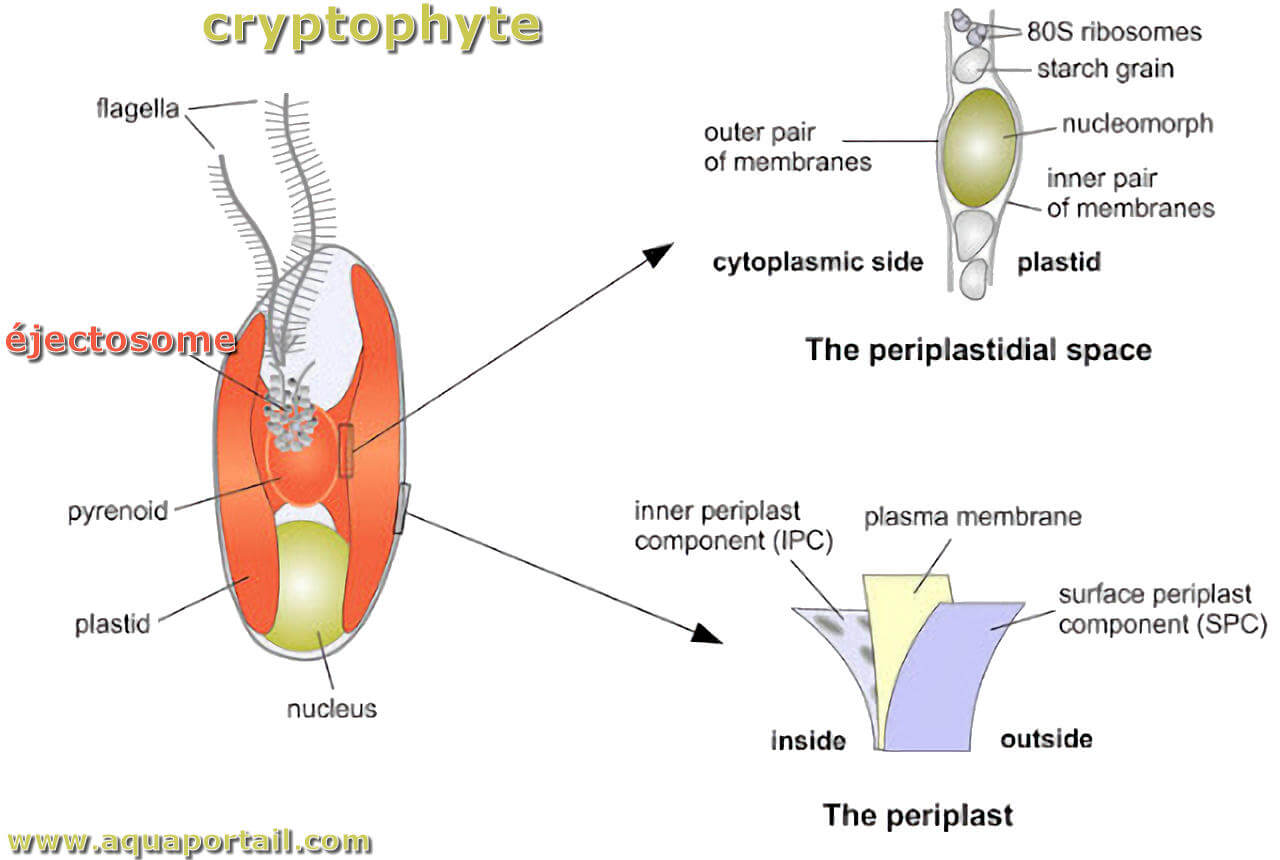
An ejectosome is a cellular organelle responsible for ejecting its contents from the cell. In cryptophytes, it is also referred to as a trichocyst.
hyalosome
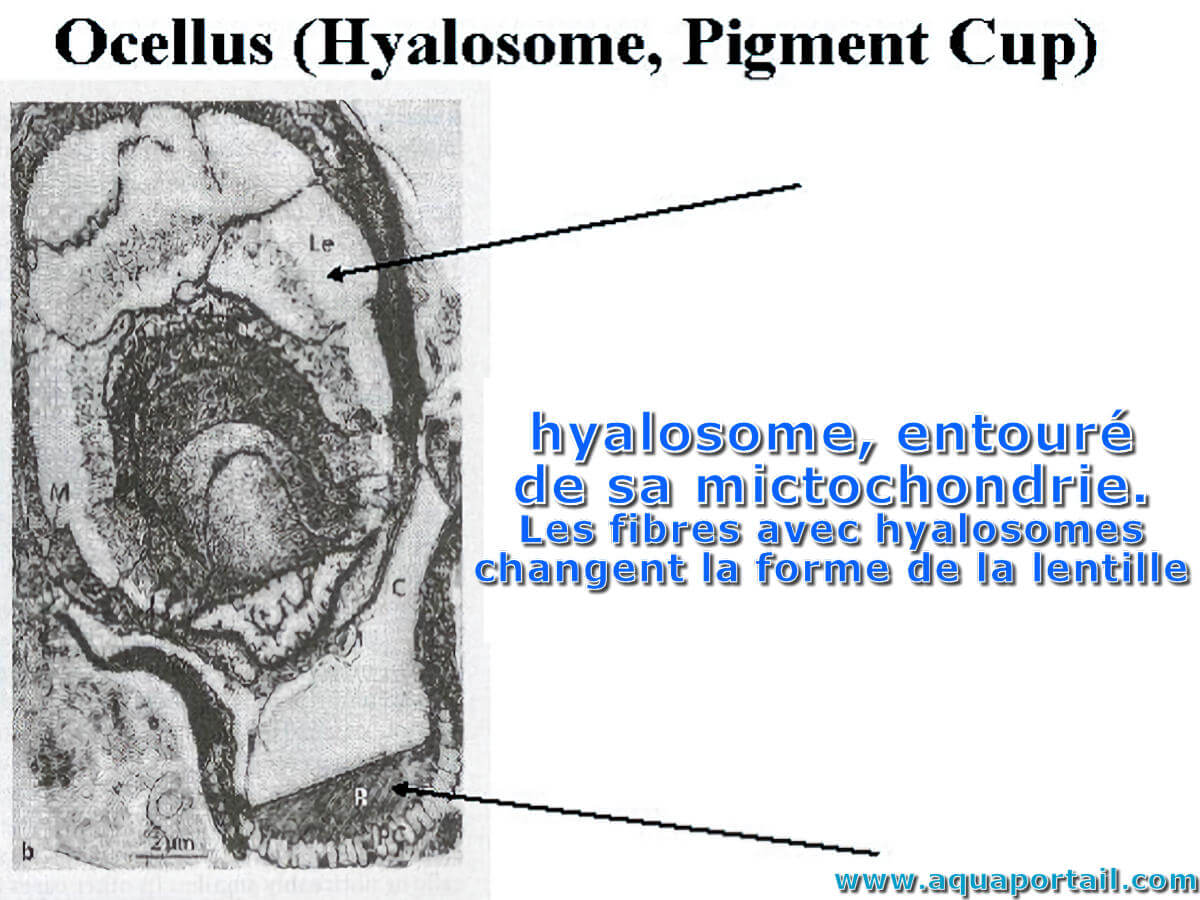
A hyalosome is a glassy, translucent, hyaline body. In cytology, a hyalosome is an oval or spherical structure inside a cell nucleus (intranuclear structure)...
