Homology
noun (n.)
Definition
Homology consists in identifying a shared character—homologous across multiple living organisms—inherited from their common ancestor. It thus represents structural similarity attributable to common ancestry in two or more species.Homology is the expression of a shared genetic and developmental heritage derived from a common ancestor; e.g., homology exists between the human arm and a bat's wing.
Homology of bat wings and human arms:

The homology between a bat's wings and a human's arms lies within mammals; although built on the same skeletal plan, the function of these two forelimbs differs.
Explanations
Sequence homology between protein or DNA sequences is defined similarly in terms of shared ancestry. Two DNA segments can share ancestry either through a speciation event (orthologs) or a gene duplication event (paralogs).
Homology among proteins or DNA is inferred from their sequence similarity: statistically significant similarity provides strong evidence that two sequences are linked by divergent evolution from a common ancestor, and multiple sequence alignments are used to identify homologous regions.
Homology remains debated in animal behavior, though evidence suggests that dominance hierarchies, for example, are homologous across primates.
Contrasting with evolutionary convergence, homology reflects shared developmental pathways or biological structures derived from a common ancestor (opposite of analogy).
In comparative biology, homology is the relationship between two anatomical structures whose genetic determinants share the same evolutionary origin, deriving from the corresponding structure in their common ancestor regardless of functional divergence.
The paired limbs of jawed vertebrates (gnathostomes), from sharks to birds and mammals, are homologous. Similarly, the distal limb of a horse is homologous to the middle digit of the human hand and foot.
Within an evolutionary framework, homologous traits can be traced back to the same character state in the common ancestor of the taxa possessing them or interpreted as a transformation series of that character state.
In mathematics
Homology is a foundational concept across algebra and topology. Historically, the term "homology" was first introduced in a topological sense by the French mathematician Henri Poincaré (1854–1912). To Poincaré, it roughly meant what is now called cobordism, treating homology as a relation between submanifolds mapped inside a manifold that form the boundary of a higher-dimensional submanifold.
To make homology tractable, Poincaré assumed that the spaces he studied admitted a triangulation (i.e., were "simplicial complexes") and restricted attention to subcomplexes built from simplices in that triangulation. Poincaré's original formulation was later superseded by the more general singular homology, which is what mathematicians standardly mean by "homology" today.
In modern usage, the word homology is often shorthand for a homology group—for example, computing the homology of a space Z refers to computing its singular homology groups.
Homology, analogy, and homodynamy
An analogy, by contrast, is a structure resembling another or serving the same function, yet possessing a distinct embryonic origin and developmental pathway; analogous traits do not stem from a common ancestor but arise via convergent evolution.
Homodynamy (developmental induction equivalence) refers to embryonic inductions producing equivalent outcomes in two different organisms—for instance, when embryonic frog epidermis transplanted into the presumptive jaw region of a salamander embryo induces a frog jaw on the salamander's head, demonstrating shared responsiveness to the same developmental inducer.
Examples
Human arms and whale flippers descend from the same ancestral forelimb yet perform different functions: they are homologous.
One of the classic examples of anatomical homology links the gill arches of fishes, the jaw bones of reptiles, and the middle ear ossicles of mammals:
- the gill arches of jawless fishes evolved to form the jaws of gnathostome fishes: situated beneath the mouth, cartilaginous elements supporting the anterior gill slits encircled the oral opening to form the upper and lower jaws
- the upper element of the second gill arch (hyoid arch) became the hyomandibula, bracing the braincase against the jaw. When vertebrates colonized land, they faced new selective pressures—notably hearing airborne sound. Located adjacent to the tympanic cavity and composed of dense bone ideal for sound conduction, the hyomandibula took on a dual role as both cranial strut and sound transmitter; as terrestrial tetrapods modified their posture, locomotion, and jaw suspension, the skull no longer needed hyomandibular bracing, allowing the bone to specialize into the stapes (stirrup)
- in amphibians, reptiles, and birds, the posterior cartilage forms the quadrate bone of the upper jaw and the articular bone of the lower jaw, forming the primary jaw joint. In mammals, however, a new jaw joint evolved between the dentary and squamosal bones, freeing the quadrate and articular bones to acquire new roles: the reptilian quadrate evolved into the mammalian incus (anvil), and the reptilian articular became the malleus (hammer)
Special homology and serial homology
Internal homology also occurs within a single organism or species. Serial homology exists between repeated modular organs, such as successive leaves on a plant or the three pairs of legs in an insect; similarly, the human thumb and big toe are serially homologous.
Meanwhile, special homology exists between the external reproductive organs of both sexes in mammals, arising from shared bipotential embryonic primordia—for example, between the clitoris and the penis, or between the scrotum and the labia majora.
Homeohydric plants
A homeohydric plant is a terrestrial plant that maintains relatively constant internal water content and therefore relies on vascular water transport and atmospheric humidity regulation.
Homeohydry (homoiohydry) refers to the internal regulation of hydration via vascular conduits and a waxy cuticle in vascular plants.
Synonyms, antonyms
Spanish translation: homología
4 synonyms (similar meaning) for "homology":
- bordism
- homologous genes
- orthology
- paralogy
1 antonym (opposite meaning):
Related words and expressions to HOMOLOGY are directly connected by general or specific meaning.
The word HOMOLOGY is listed on page 1 of words starting with H in the dictionary glossary.
Related to "homology"
homologous
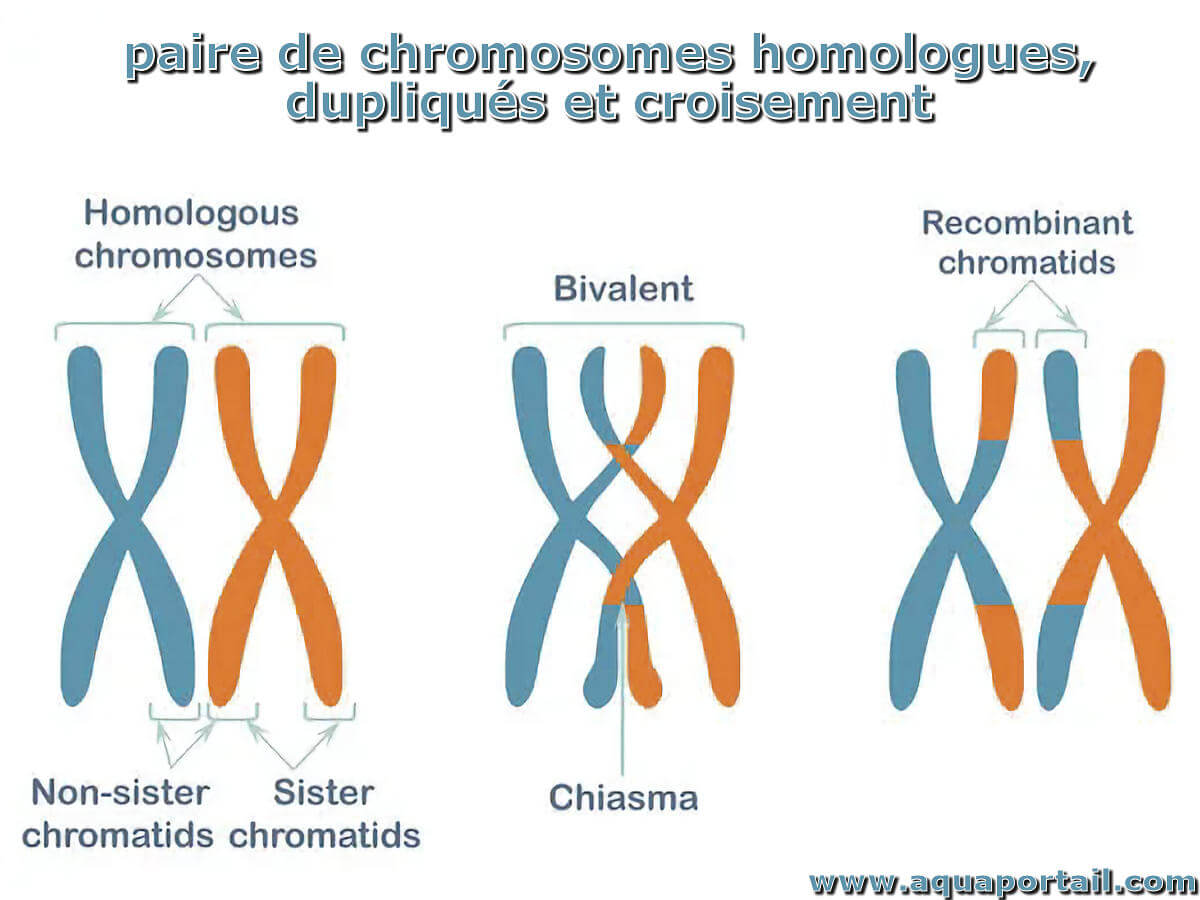
In biology, homologous describes traits or structures inherited from a common ancestor (resulting from homology).
ecophysiology
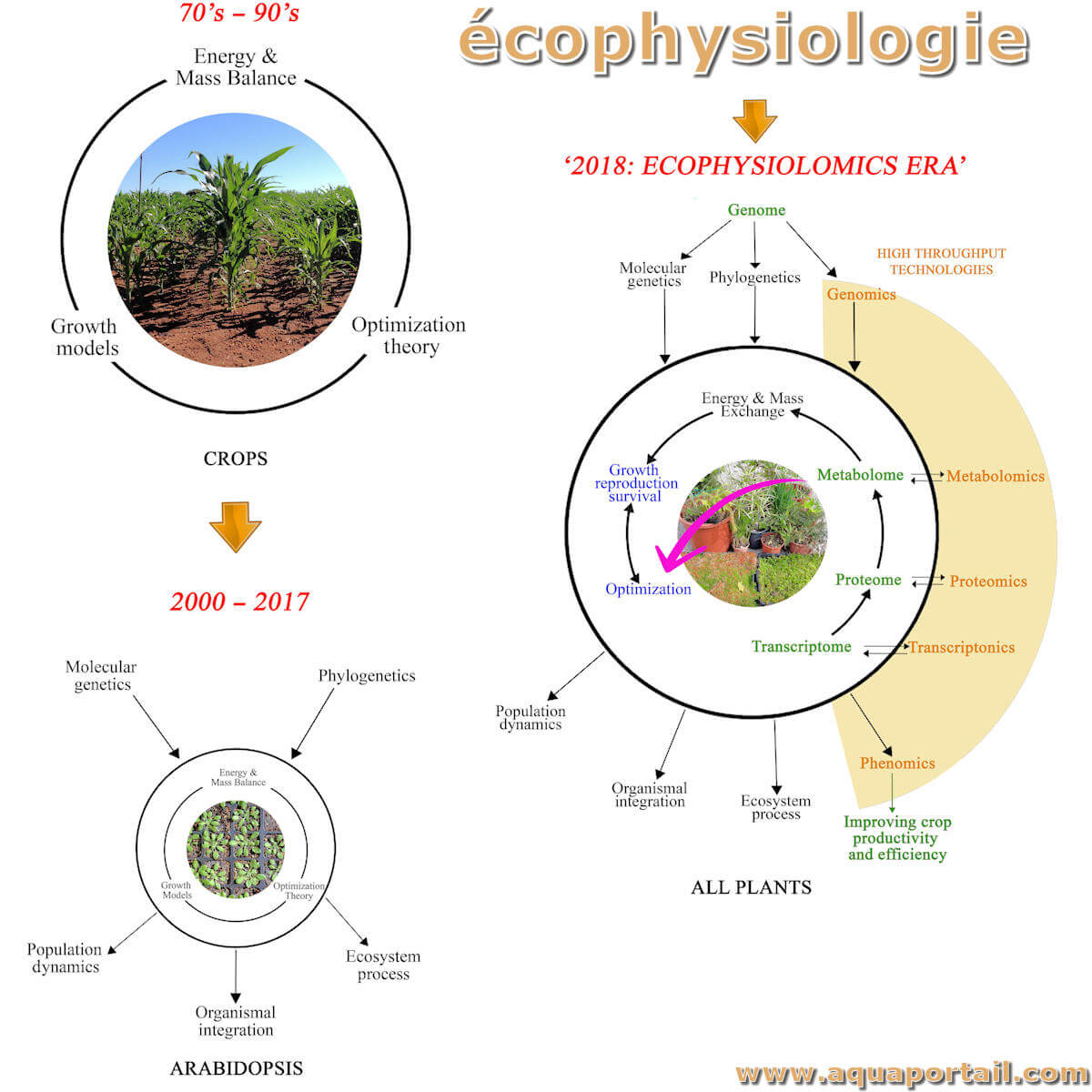
Ecophysiology is the study of the interrelationship between an organism's normal physical function and its environment.
gitology
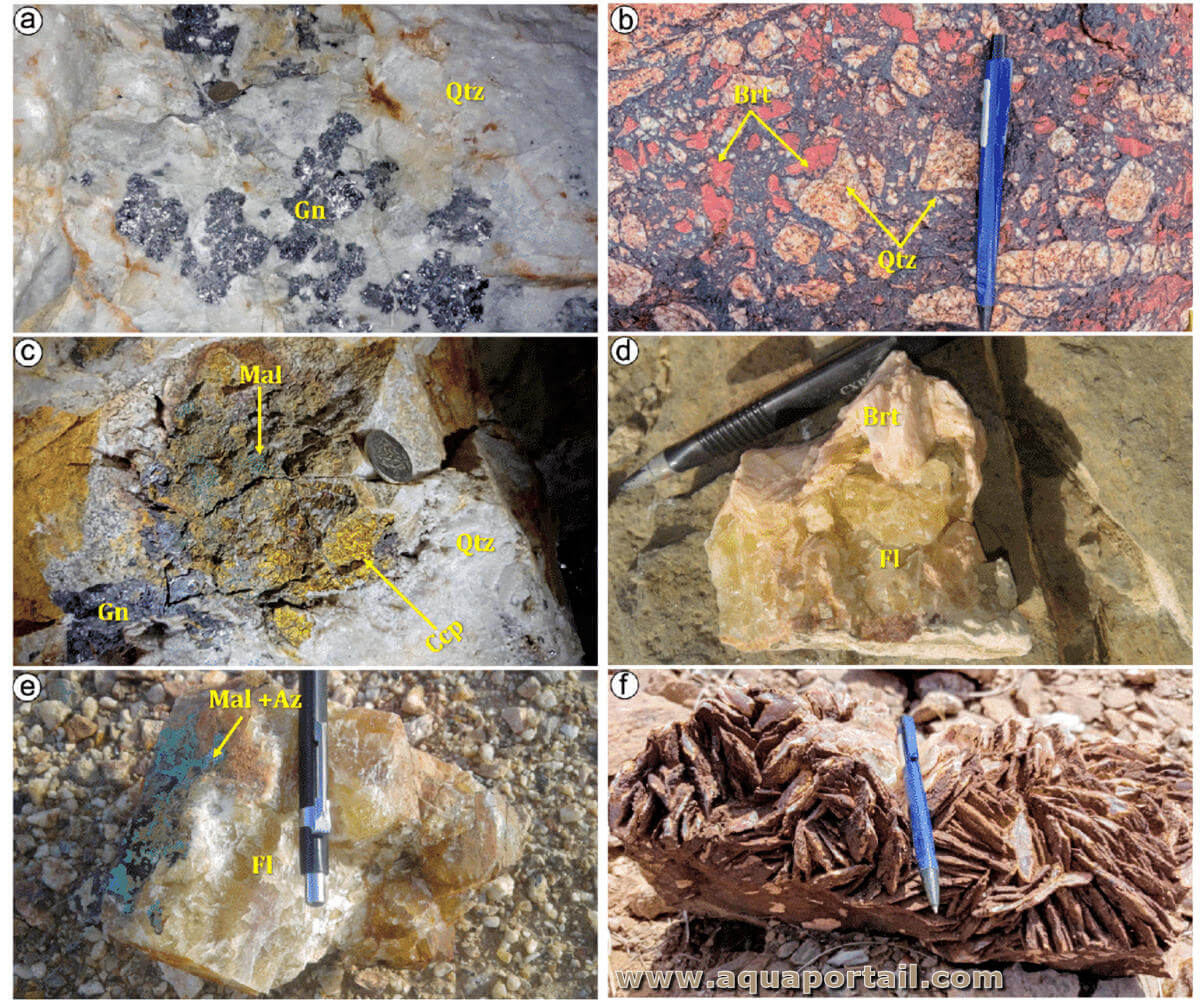
Gitology is the science studying mineral deposits, in the sense of ore deposits. A gitological study in mineralogy helps better determine the ecological...
morphology

Morphology is the field dealing with form, shape (morph), external appearance, or the study thereof.
