For example, there is molecular recognition of the beta-glucans laminarin and pustulan by a SusD-like glycan-binding protein from a bacterium of the marine phylum Bacteroidetes.
The 1.8 Å crystal structure of GMSusD indicates that three tryptophan residues form the putative glycan-binding site. Mutagenesis studies confirmed that these residues are crucial for laminarin recognition. Metagenomes from global surface water datasets were queried for the presence of SusD-like proteins, revealing sequences with all three structurally conserved residues at various ocean locations. The molecular selectivity of GMSusD underscores that specific interactions are required for laminarin recognition. In conclusion, these findings provide insight into the molecular details of β-glucan binding by GMSusD, and bioinformatic analysis reveals that this molecular interaction may contribute to glucan cycling in the surface ocean.
laminaran
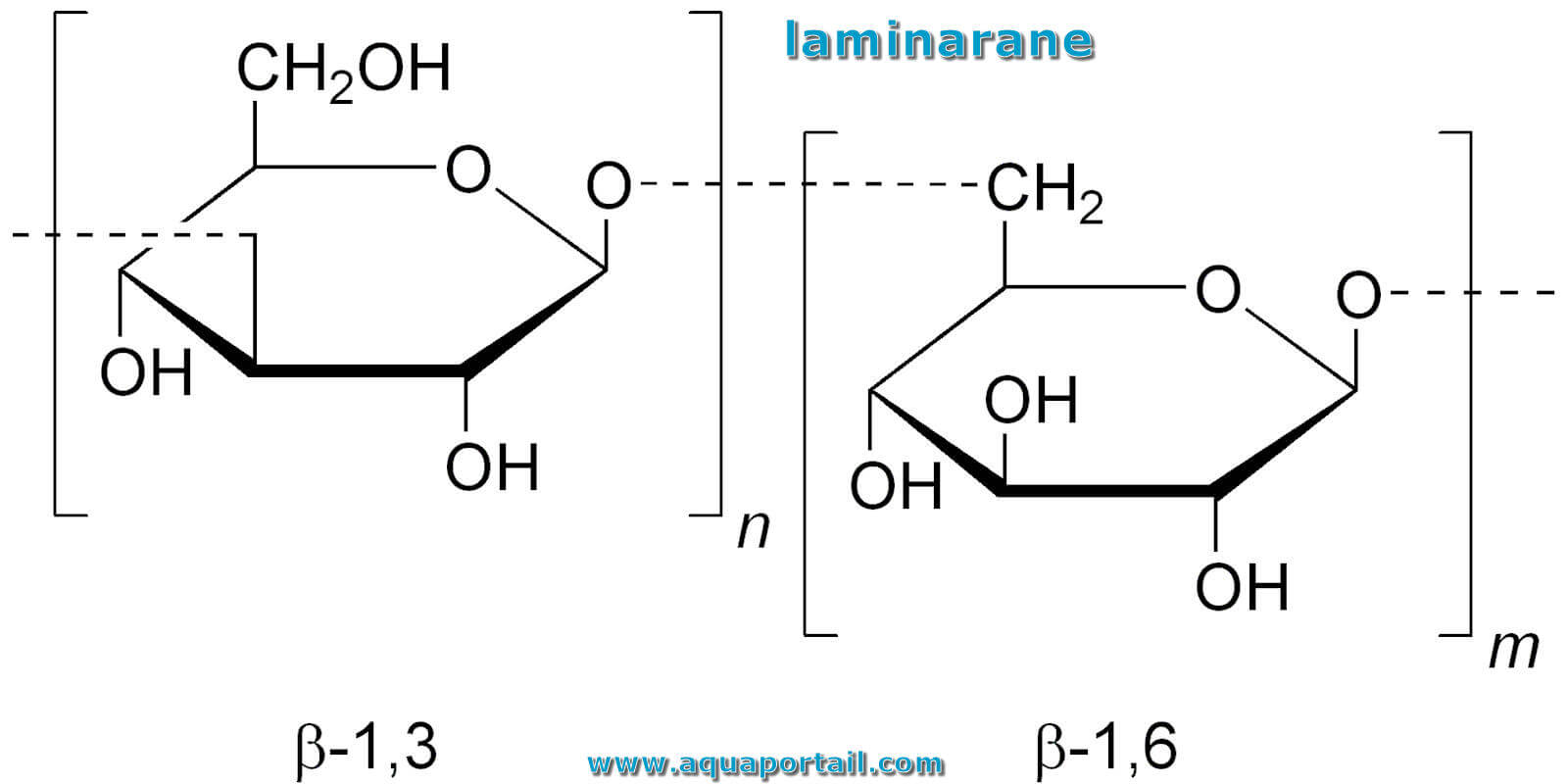
For laminaran, see laminarin, which is preferable to use because it avoids suggesting a polymer of laminarose, a compound that does not exist.
L-form bacteria
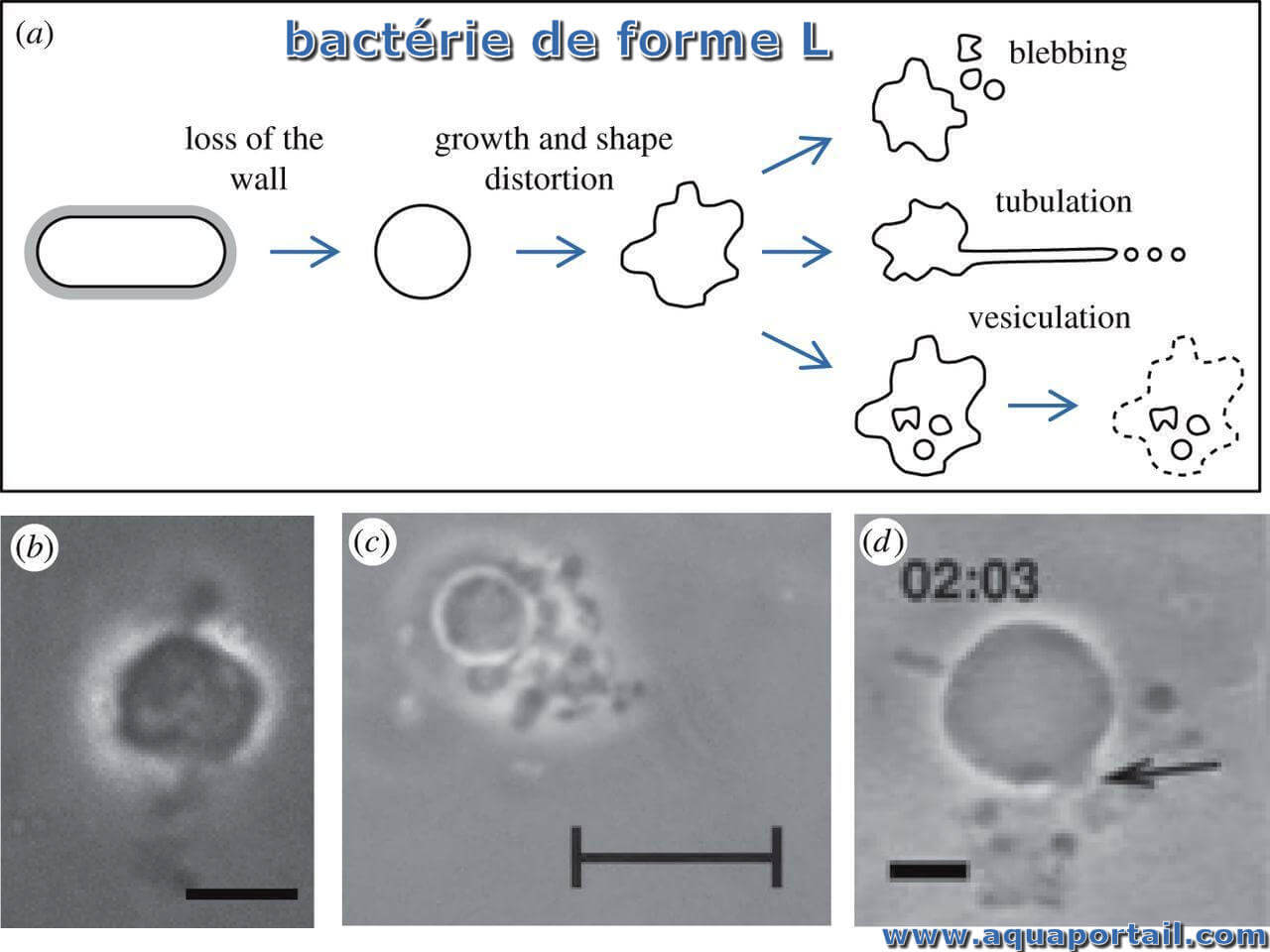
L-form bacteria originate from a strain of bacteria that lack cell walls while retaining the ability to grow.
lacustrine

A lacustrine organism lives, grows, or thrives in or near a lake. The lacustrine environment sometimes designates any body of calm, standing (lentic) water...
ladybug

The ladybug (ladybird or lady beetle) refers to a group of hemispherical coleopteran insects belonging to the family Coccinellidae.
