Transverse tubule
noun phrase (n. phr.)
Definition
A transverse tubule (T-tubule) is a tubular invagination of the sarcolemma in close contact with the sarcoplasmic reticulum and myofibrils. T-tubules extend from the free surface across the cells in a generally transverse direction, running around the myofibrils at the levels of the Z-bands.
The role of transverse tubules is to efficiently conduct the nerve impulse as close as possible to the myofibrils to enable a rapid muscular response.
Transverse tubules (T-tubules):

T-tubules or transverse tubules are structures present in skeletal and cardiac muscle cells. Their morphology consists of sac-like invaginations less than 0.1 μm (0.000004 in) in diameter located along the perimeter of the Z-discs of the sarcomere.
Explanations
A T-tubule or transverse tubule is a deep invagination of the sarcolemma lining skeletal and cardiac muscle cells. These invaginations allow membrane depolarization to rapidly penetrate into the cell.
In skeletal muscle, each transverse tubule (T-tubule) is connected to two sarcoplasmic reticula (intracellular vesicles that store calcium ions), forming a triad. In cardiac muscle, each T-tubule is linked to one sarcoplasmic reticulum, forming a dyad.
⭐ T-tubules facilitate the uniform propagation of the depolarization signal, and the consequent opening of calcium channels in the membrane and sarcoplasmic reticulum, along the sarcolemma and its invaginations, aiming for the orderly and concomitant contraction of the cells. They are membranous invaginations exhibiting an anastomosis that connects the sarcolemma of the muscle fiber, opening the lumen of the tubule to the exterior of the fiber.
The existence of T-tubules was postulated by A.V. Hill (1949), based on the diffusion rate of ions from the sarcolemma into the fiber: due to the speed at which it occurred, Hill concluded that a process (rather than a substance) must act as a coupler for signal transmission from the myofibril surface to the sarcoplasmic apparatus of each muscle fiber. Under the electron microscope, T-tubules appear as an anastomosing system continuous with similar tubules of adjacent cells in the same sarcomere. The opening point is at the boundary between the A and I bands in skeletal muscle and at the level of the Z-disc in cardiac muscle.
T-tubules have a random, mainly longitudinal arrangement between myofibrils during their initial formation, but even at this stage they immediately form junctions with elements of the sarcoplasmic reticulum. The mature position of T-tubules in planes perpendicular to the longitudinal axis of the fiber is gradually acquired during the coordinated differentiation of myofibrils and the membrane system. This reorientation takes up to a month in chick and mouse muscles, and the association of the entire triad with the appropriate location of myofibrils drives it, perhaps via ankyrin and the giant protein obscurin. However, longitudinal remnants of the T-network are still present in adults. T-tubules actually carry an action potential in some fibers though perhaps not all, yet tubule depolarization rather than the action potential is a triggering event in EC coupling.
The structure and function of transverse tubules are severely compromised in human heart failure and in small and large animal models of cardiovascular disease. Animal models of heart failure exhibit T-tubule disorganization that appears to result from various myocardial insults, including sustained tachycardia, spontaneous hypertension, and myocardial infarction.
See also a Malpighian tubule.
Synonyms, antonyms
Spanish translation: túbulo transverso
1 synonym (similar meaning) for "transverse tubule":
0 antonyms (opposite meaning).
Related words and expressions to TRANSVERSE TUBULE are directly connected by general or specific meaning.
The expression TRANSVERSE TUBULE is listed on page 1 of words starting with T in the dictionary glossary.
Related to "transverse tubule"
microtubule-organizing center
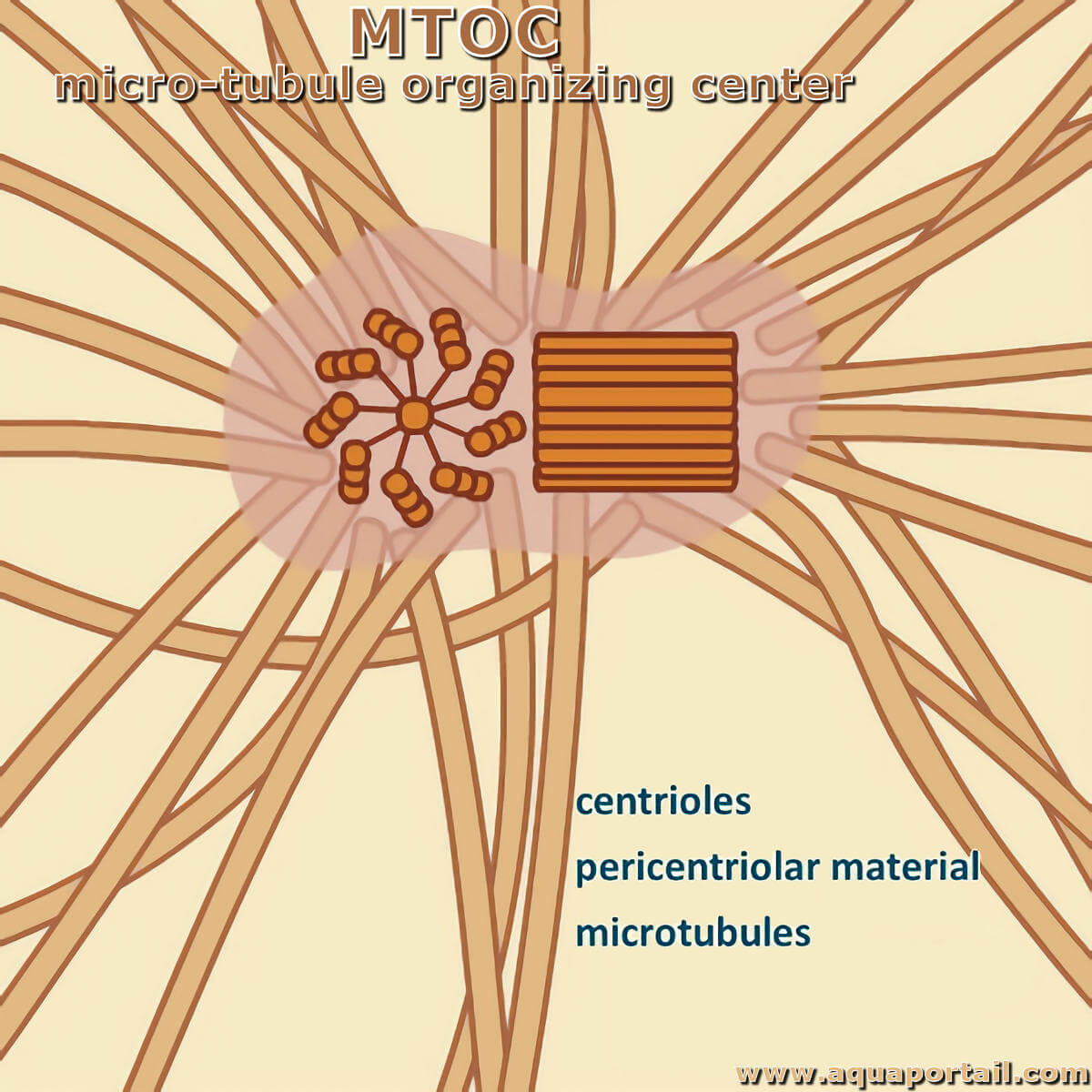
MTOC (from microtubule-organizing center) refers to microtubules, and specifically to microtubule-organizing centers.
tubule
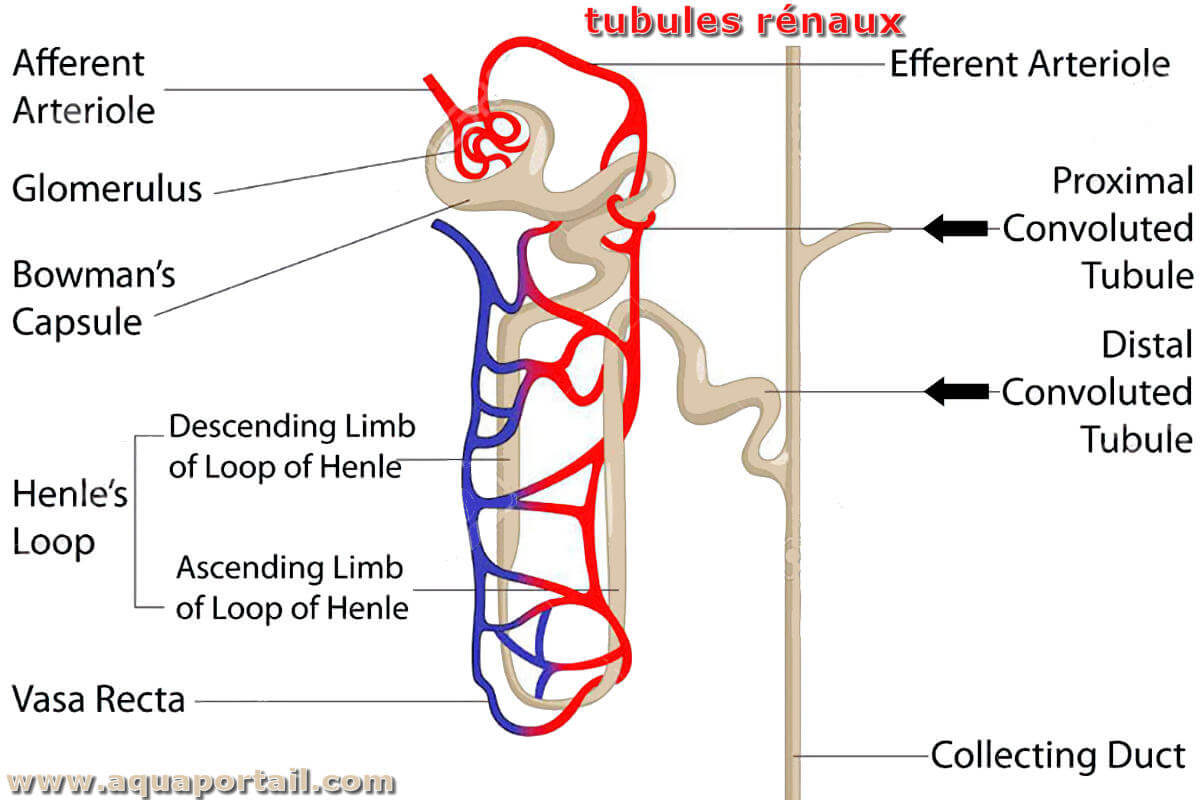
A tubule is a small tube, a canaliculus. The main function of tubules is reabsorption, and the process can occur via either active transport or passive...
transcriptase
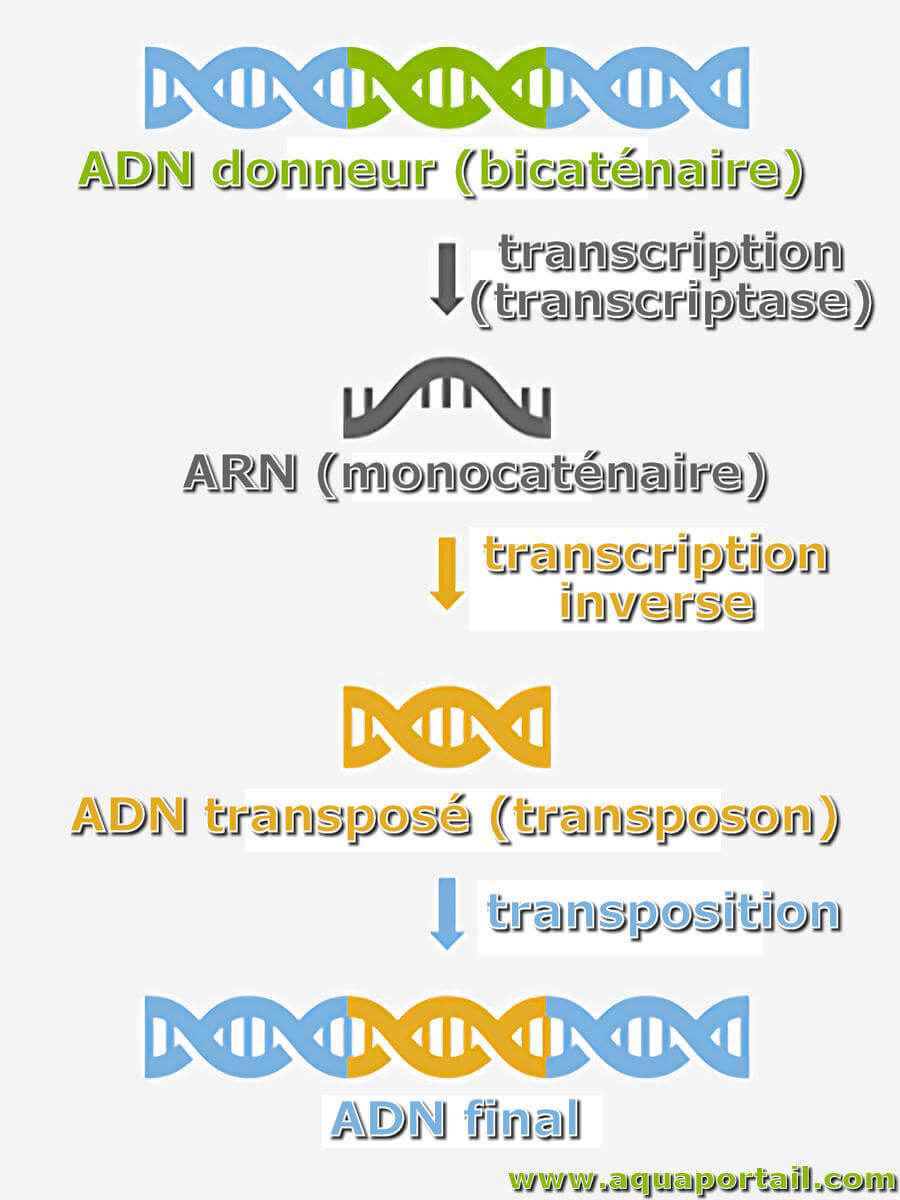
Transcriptase activity within an assembled virion catalyzes the synthesis of progeny positive-strand RNA from the parental double-stranded RNA (dsRNA)...
transit peptide
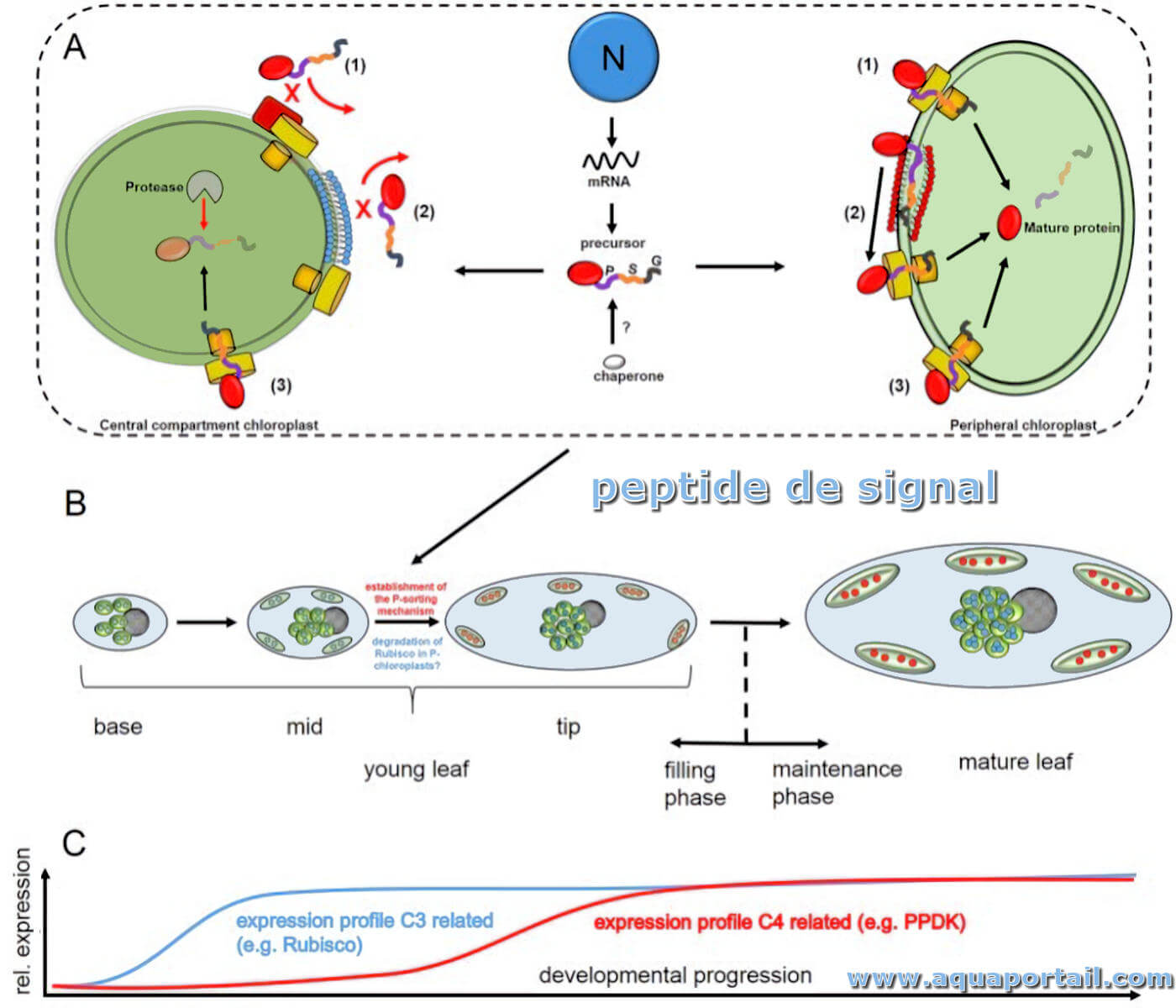
A transit peptide is a peptide enabling a protein to be targeted to a plastid. Transit peptides are responsible for transporting a protein encoded...
