Tubule
noun (n.)
Definition
A tubule is a small tube, a canaliculus. The main function of tubules is reabsorption, and the process can occur via either active transport or passive transport. Additionally, tubule secretions assist in urine formation without affecting the body's electrolyte balance.
The renal tubules:
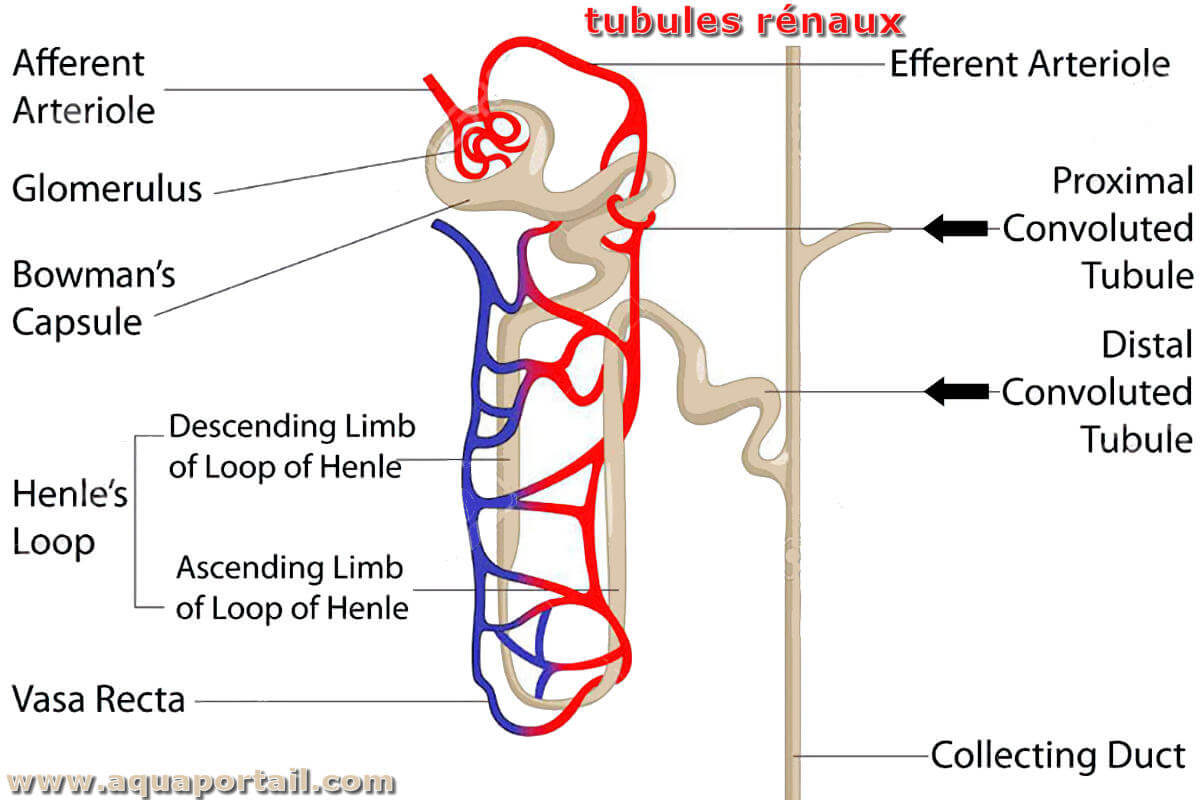
The amount of urea entering the proximal tubule from the glomerular filtration apparatus is nearly identical to its concentration in plasma. Under normal renal physiological conditions, 30 to 50% of filtered urea is excreted. In the proximal tubule, urea concentration increases such that by the time the glomerular filtrate reaches the descending limb of Henle, the urea concentration is 50% higher than it was in the blood. This concentration increase results from water reabsorption in the proximal tubule secondary to salt reabsorption. Urea transport in the proximal tubule is not regulated by vasopressin, but it increases as the level of Na+ and Cl- transport increases.
Explanations
The word tubule is primarily used in botany and biology, for example for the renal tubule located after the glomerulus in the kidney. See also: microtubule, seminiferous tubule, transverse tubule, a tubuliflorous plant.
In biology
In biology, a tubule is a general term referring to a small tube or a similar type of structure. More specifically, tubule can designate:
- a small tube or fistular structure
- a tiny tube lined with glandular epithelium
- any hollow cylindrical body structure
- a tiny channel found in various structures or organs of the body
- a slender elongated anatomical channel
- a tiny tube, particularly as an anatomical structure
For example, renal tubules are the tiny channels composed of a basement membrane and lined with epithelium that make up the substance of the kidney and secrete, reabsorb, collect, and conduct urine.
Renal tubules
The filtrate from Bowman's capsule then flows through the structurally and functionally distinct complex regions of the nephron commonly referred to in its entirety as the renal tubule or tubular filtration system. The renal tubule is composed of at least 14 segments containing at least 16 distinct types of epithelial cells. Starting from the glomerulus, the anatomy of the renal tubule is structurally and functionally characterized by the proximal convoluted tubule (PCT), proximal straight tubule (PST), descending thin limb (DTL) of the loop of Henle, ascending thin limb (ATL) of the loop of Henle, thick ascending limb (TAL) of the loop of Henle, macula densa (MD), distal convoluted tubule (DCT), connecting tubule (CNT), cortical collecting ducts, outer medullary collecting duct, and inner medullary collecting duct. Each of these renal tubule regions consists of specialized epithelial cells whose transport functions are described in the following sections.
Following the epithelial tubular structure of Bowman's capsule, the filtrate enters the proximal tubule residing in the cortical tissue of the kidney. The proximal tubule is anatomically divided into the proximal convoluted tubule (PCT; also known as pars convoluta) and the proximal straight tubule (PST; also known as pars recta). Additional complexity of the proximal tubule arises from the ultrastructural organization of cells along its length, designated as segments S1, S2, and S3, with S1 adjacent to the glomerulus and S3 farthest from the glomerulus and often associated with the short thick portion at the beginning of the descending limb of the loop of Henle. Cellular complexity of the proximal tubule also differs, being highest in segment S1 and lowest in segment S3.
After the proximal tubule, the filtrate flows into the loop of Henle, which penetrates the renal medullary tissue. The loop of Henle consists of a descending limb and an ascending limb. Both limbs of the loop of Henle have thick and thin regions, where the thick segment of the descending limb is short compared to the thin segment. The thin and thick segments of the ascending limb are roughly equivalent in length.
After the loop of Henle, the nephron re-enters the renal cortical tissue where a short segment containing a cluster of specialized epithelial cells forms what is called the macula densa. After leaving the macula densa, the filtered fluid enters the tubular structure called the distal convoluted tubule (DCT). The DCT is followed by the connecting tubule and then the cortical collecting tubule. Along the cortical collecting tubule are several cortical collecting ducts that connect numerous nephrons within a renal pyramid. The cortical collecting ducts combine as the tubule re-enters the renal medullary tissue, at which point the tubule is called the medullary collecting tubule. The medullary collecting tubule becomes the medullary collecting ducts, which merge to form progressively larger ducts that ultimately empty the resulting urine into the renal pelvis through the renal papillae. Approximately 3,000 to 4,000 individual nephrons eventually combine into one of these large medullary collecting ducts.
Proximal tubule transport processes
The proximal tubule is where the vast majority of ions and solutes from the glomerular filtrate are reabsorbed to be returned to the blood. One of the most important ions reabsorbed from the glomerular filtrate via the proximal tubule is Na+, reabsorbed primarily, though certainly not exclusively, by the ubiquitously distributed Na+,K+-ATPase. The proximal tubule is also a major site for regulating the acid-base balance of the glomerular filtrate. This latter function is carried out by the efflux of H+ from proximal tubule epithelial cells into the blood in exchange for bicarbonate ions in the glomerular filtrate.
Regarding proximal tubule function, generally speaking, approximately 70% of all ions and water from the glomerular filtrate are reabsorbed. Proximal tubular reabsorption rates differ for various constituents of the glomerular filtrate. For example, 100% of organic ions, particularly glucose, are reabsorbed, about 60% to 70% of calcium is reabsorbed, about 85% of phosphate ions are reabsorbed, about 65% of potassium ions are reabsorbed, and about 50% of urea is reabsorbed.
The proximal tubule is also where 99% of amino acids from the glomerular filtrate are reabsorbed. The majority of calcium, magnesium, and phosphate reabsorbed by the proximal tubule is accomplished by passive paracellular transport, with only 10% to 15% occurring via active transport across the apical and basolateral membranes. Paracellular transport occurs between cells, as opposed to transcellular transport, which refers to transport across cells. Paracellular transport processes are regulated by tight junctions and by electrochemical gradients established across the tubule via the actions of numerous ion transporters localized in the apical membrane.
Proximal tubular ammoniagenesis
Another important function of the proximal tubule is the generation of ammonia (NH3), which is in equilibrium with the ammonium ion (NH4+). The production of ammonia is termed ammoniagenesis. Although the excretion of ammonia and ammonium ions in urine accounts for part of total waste nitrogen excretion, ammoniagenesis in the kidney is crucially important in acid-base regulation. The production, secretion, and reabsorption of bicarbonate (HCO3-) by the kidney is a major contributor to the renal responsibility of regulating acid-base balance. However, renal bicarbonate production alone is insufficient, hence the need to generate ammonia. The ionization of NH3 to NH4+ is an effective means of reducing the overall H+ load and thus raising blood pH during periods of acidosis.
The primary source of nitrogen for proximal tubule ammoniagenesis is the amino acid glutamine, which can yield two moles of NH4+ through the concerted actions of glutaminase and glutamate dehydrogenase, respectively. Glutamine reabsorption in the proximal tubule from the glomerular filtrate occurs via the apical membrane-associated Na+-dependent neutral amino acid transporter identified as B0AT1 and encoded by the SLC6A19 gene. Mutations in the SLC6A19 gene cause Hartnup disorder. Glutamine is also taken up from the blood by proximal tubule cells via the basolateral membrane Na+-coupled neutral amino acid transporter 3 identified as SNAT3, encoded by the SLC38A3 gene. The biochemistry of ammonia release from glutamine is covered in detail on the Amino acid metabolism page.
In addition to releasing two moles of NH4+, another benefit of renal glutamine metabolism is that bicarbonate (HCO3-) is also generated. HCO3- is derived from the TCA cycle-mediated oxidation of 2-oxoglutarate resulting from the glutaminase and glutamate dehydrogenase reactions. HCO3- is then transported into the blood from proximal tubule cells via the basolateral membrane Na+-coupled bicarbonate transporter identified as NBC1, encoded by the SLC4A4 gene. Mutations in the SLC4A4 gene lead to proximal (type 2) renal tubular acidosis (type 2 RTA). The HCO3- produced by the proximal tubule via glutamine metabolism represents new HCO3- added to the pool already present in the blood, thereby enhancing blood buffering capacity. Approximately 50% of the ammonia/ammonium produced from glutamine in the proximal tubule is extruded into the tubular lumen via the Na+/H+ exchanger 3 (NHE3), encoded by the SLC9A3 gene. The remaining ammonia/ammonium enters the systemic circulation via the renal veins, where it is taken up by the liver and incorporated into urea. Ammonia produced by the proximal tubule and extruded into the lumen can be reabsorbed in the loop of Henle and ultimately excreted by the collecting duct.
Synonyms, antonyms
Spanish translation: túbulo
2 synonyms (similar meaning) for "tubule":
0 antonyms (opposite meaning).
Related words and expressions to TUBULE are directly connected by general or specific meaning.
The word TUBULE is listed on page 1 of words starting with T in the dictionary glossary.
Related to "tubule"
microtubule-organizing center
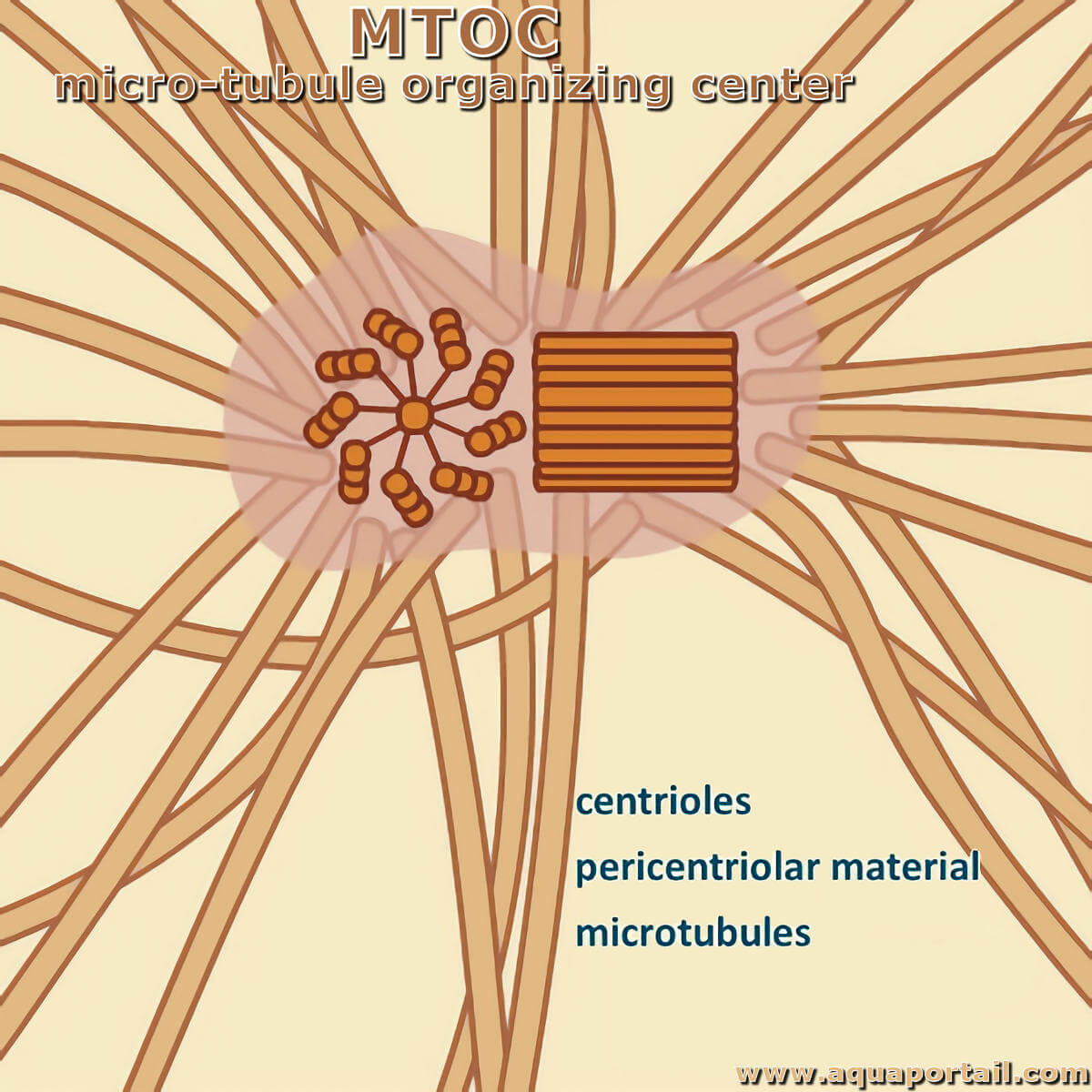
MTOC (from microtubule-organizing center) refers to microtubules, and specifically to microtubule-organizing centers.
transverse tubule

A transverse tubule (T-tubule) is a tubular invagination of the sarcolemma in close contact with the sarcoplasmic reticulum and myofibrils.
tagma

A tagma is a group of fused segments formed by series of metameres differentiated from the rest of an arthropod's body.
tannin
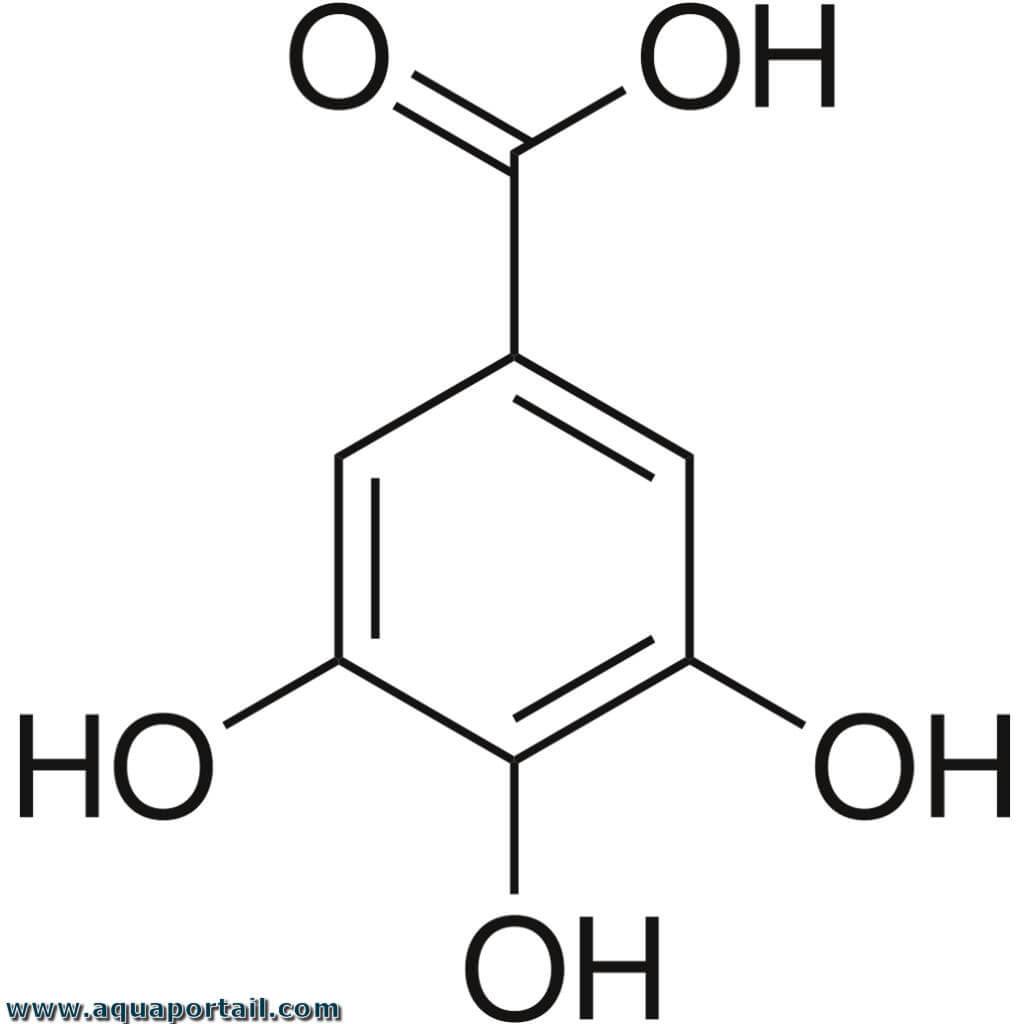
The term tannin was originally used to describe certain organic substances used to transform raw animal hides into leather.
