Hydroskeleton
noun (n.)
Definition
A hydroskeleton is a skeleton supported by fluid pressure, a hydrostatic pressure that makes the term hydrostatic skeleton synonymous. The hydroskeleton is the phylogenetically oldest form of the musculoskeletal system. Hydrostatic muscles, on the other hand, operate without a fluid-filled bladder.
In the sea, a sea anemone has a hydroskeleton:

The hydroskeleton of soft-bodied cnidarians such as this beadlet anemone allows the marine animal to remain in an upright position.
Explanations
Hydroskeletons occur, for example, in nematodes in the form of a uniform fluid space, as well as in annelids, in which fluid spaces are partitioned between individual body segments and have longitudinal subdivision in addition to transverse subdivision (reduction phenomena are, however, widespread). These fluid-filled cavities are voluminous and therefore easily recognizable: in nematodes as pseudocoelomate, in annelids as coelomate (coelom). In particular, coelomate cavities (coelomic cavities) are a common feature of many animal forms. However, many groups exhibit disagreement regarding their homology: they could share a common origin, or they could also arise independently.
In many arthropods, the flexor muscles of joints work against an internal fluid filling, resulting in efficient (energy-saving) running movements, or even broad jumps (often due to a sudden increase in pressure conditions). The fluid extends the leg, while the flexor muscle pushes it back from the leg into the body and thus causes joint flexion. In arthropods, therefore, the hydroskeleton, which evolved earlier in history, is still utilized despite a clearly formed exoskeleton. Especially during the molting process (ecdysis), these hydraulic mechanisms are essential for withdrawing the body from the old chitin exoskeleton along with all bodily appendages.
The gastric space or gastrovascular system of marine cnidarians can also be regarded as a voluminous hydroskeleton. On the other hand, it is formed by fluid-filled hollow spaces in the parenchyma, and the parenchymal cells themselves represent small hydraulic units.
The firmness of herbaceous and non-woody plants is also due to a hydroskeleton. This is based on turgor, the osmotic pressure of water-filled vacuoles, which fill up to 95% of the cell volume and press against the sturdy cellulose cell wall.
Due to its widespread use in the animal kingdom, attempts have been made to progressively trace the evolution of different animal body plans through the development of the hydroskeleton. The idea is that the various fluid cushions in animals always depend in some way on the locomotor apparatus, particularly musculature, as well as on different connective tissue structures that may be associated with muscles, for example.
Since the locomotor apparatus cannot be modified arbitrarily during evolutionary development, hydroskeletal systems offer the possibility of progressively reconstructing functional conversions even in groups that have little prospect of extensive fossil series due to purely soft-bodied construction. This applies to the majority of animal phyla, namely most invertebrates.
Shape change is constrained by connective tissue fibers. Connective fibers, often collagens, are arranged helically in the wall of the hydrostatic skeleton. The helical shape formed by these fibers allows the skeleton to lengthen and shorten while remaining rigid to prevent torsion. As the shape of the cylinder changes, the pitch of the helix">helix changes. The angle relative to the long axis will decrease during elongation and increase during shortening.
In arthropods, the hydrostatic skeleton is formed by the hemocoel or enlarged blood spaces.
Synonyms, antonyms
Spanish translation: hidroesqueleto
1 synonym (similar meaning) for "hydroskeleton":
0 antonyms (opposite meaning).
Related words and expressions to HYDROSKELETON are directly connected by general or specific meaning.
The word HYDROSKELETON is listed on page 1 of words starting with H in the dictionary glossary.
Related to "hydroskeleton"
endoskeleton
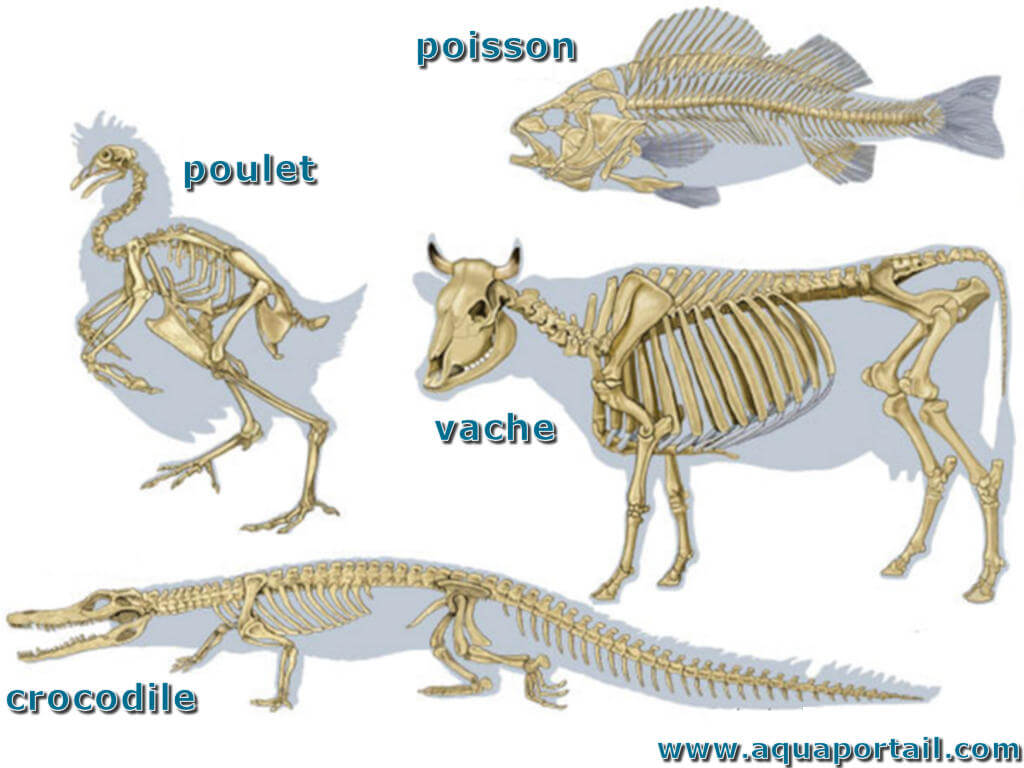
An endoskeleton is an internal skeleton and therefore contrasts with the exoskeleton (external) and the hydroskeleton.
exoskeleton
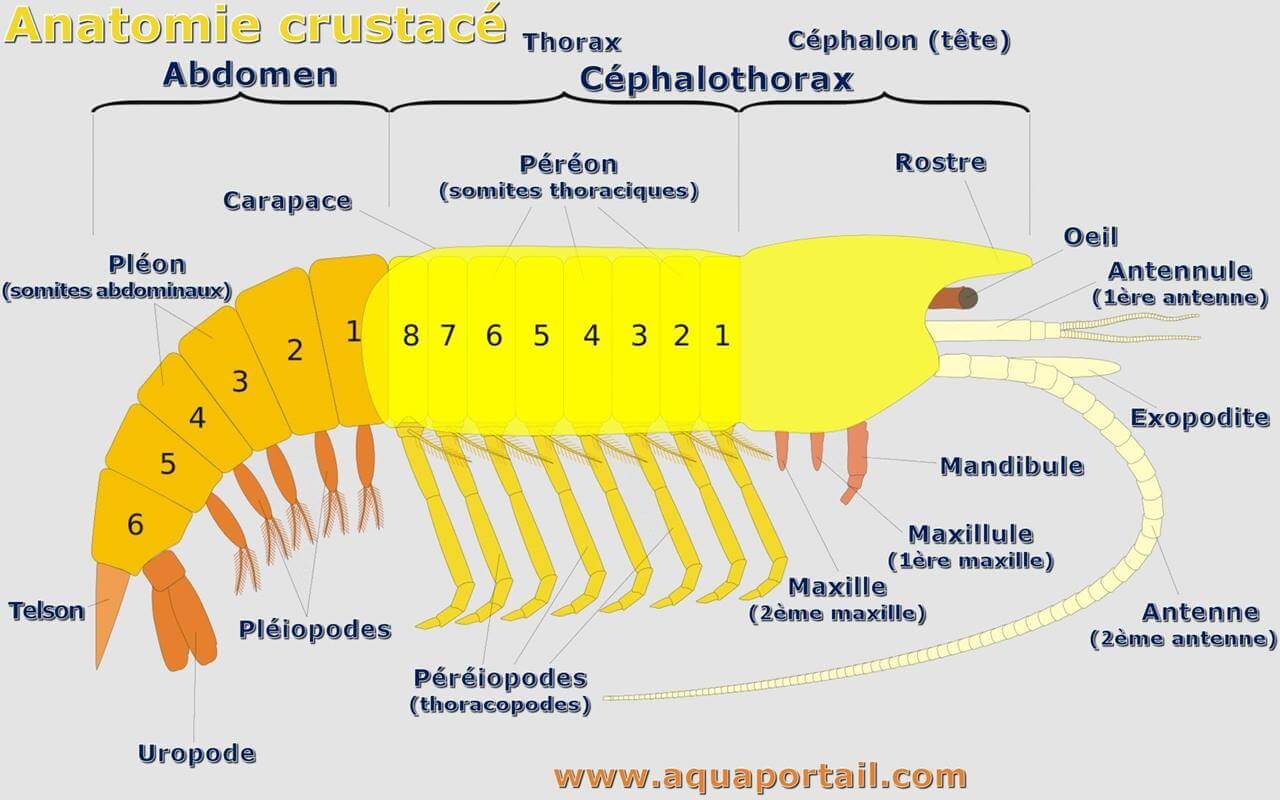
In biology, an exoskeleton is a continuous external skeleton that covers, protects, and supports the body of an animal, fungus, or protist.
skeleton

In biology, the skeleton or skeletal system is the anatomical system that provides support and protection for the soft tissues and muscles of living organisms...
hydrocarbon

A hydrocarbon is an organic molecule composed exclusively of carbon and hydrogen atoms, representing the most fundamental class of organic compounds.
