Haplobiont
noun (n.)
Definition
A haplobiont is an organism represented by a single type of free-living individual in nature, in contrast to a diplobiont. Certain haplobiontic algae, such as several red algae, possess only a single independent generation (the haploid gametophyte), with the zygote or carposporophyte forming the sole diploid (2n) phase. A haplobiont is an organism whose entire life cycle unfolds within a single autonomous individual, so there is no alternation of independent individuals.
Comparison between diplobiont and haplobiont:

Comparison between the life cycle of a haplobiont (such as a charophyte) and a diplobiontic life cycle (embryophyte). Legend: n = chromosome number per haploid cell.
Explanations
Above is a reconstruction of an ancient aquatic-terrestrial landscape with early multicellular land plants (a), alongside a comparison between diplobiontic and haplobiontic life cycles with representative botanical examples (embryophytes and two aquatic charophytes, Coleochaete and Chara, respectively) (b). In the diplobiontic life cycle, both the haploid and diploid phases (gametophyte, G, and sporophyte, S, respectively) are multicellular. In the haplobiontic-haploid life cycle, only the haploid phase is multicellular. The haplobiontic-diploid life cycle (in which only the diploid phase is multicellular, as in humans and other animals) is not shown.
According to the Swedish phycologist Nils Eberhard Svedelius, a distinction can be made between haplobionts and diplobionts based on the alternation of free-living individuals. In diplobionts, two distinct individuals occur sequentially during the life cycle. The alternation of individuals is one of the defining features of life cycles in plants, algae, and fungi, alongside alternation of generations and shifts in nuclear phase. See alternation of generations.
Haplobionts include organisms with a monogenetic life cycle (such as brown algae like Fucus and green algae like Spirogyra), as well as organisms with a digenetic cycle in which one generation lives attached to and dependent upon the other (all mosses and seed plants), and organisms with a trigenetic cycle (many red algae) in which the carposporophyte and meiosporophyte develop directly upon the gametophyte.
🚩 Haplobiont should not be confused with haplont or halobiont, nor diplobiont with diplont.
✅ Extant land plants are unique within the monophyletic clade of photosynthetic eukaryotes—which includes green algae (chlorophytes), charophyte algae, numerous groups of unicellular algae (prasinophytes), and embryophytes—in possessing: first, a life cycle characterized by an alternation between a multicellular haploid (gametophytic) and diploid (sporophytic) generation; second, the formation of female gametes (oospheres) within multicellular structures called archegonia; and third, the retention of the zygote and diploid sporophyte embryo within the archegonium.
Developmental, paleobotanical, and molecular evidence indicates that embryophytes descended from a charophyte ancestor, that this common ancestor had a life cycle featuring only a multicellular haploid generation, and that the earliest land plants (approximately 410 Ma, such as Cooksonia, Rhynia, and Zosterophyllum) had a dimorphic life cycle (meaning their haploid and diploid generations were morphologically distinct).
The multicellular reproductive structures of extant charophytes and embryophytes are developmentally homologous, and those of embryophytes evolved through the co-option and redeployment of ancient algal homeodomain gene networks.
Synonyms, antonyms
Spanish translation: haplobionte
0 synonyms (similar meaning) for "haplobiont".
1 antonym (opposite meaning):
Related words and expressions to HAPLOBIONT are directly connected by general or specific meaning.
The word HAPLOBIONT is listed on page 1 of words starting with H in the dictionary glossary.
Related to "haplobiont"
chlorobiont

A chlorobiont (Chlorobionta) is a green photosynthetic plant organism. The chlorobionts as a whole encompass terrestrial green plants (Embryophyta) as well...
diplobiontic
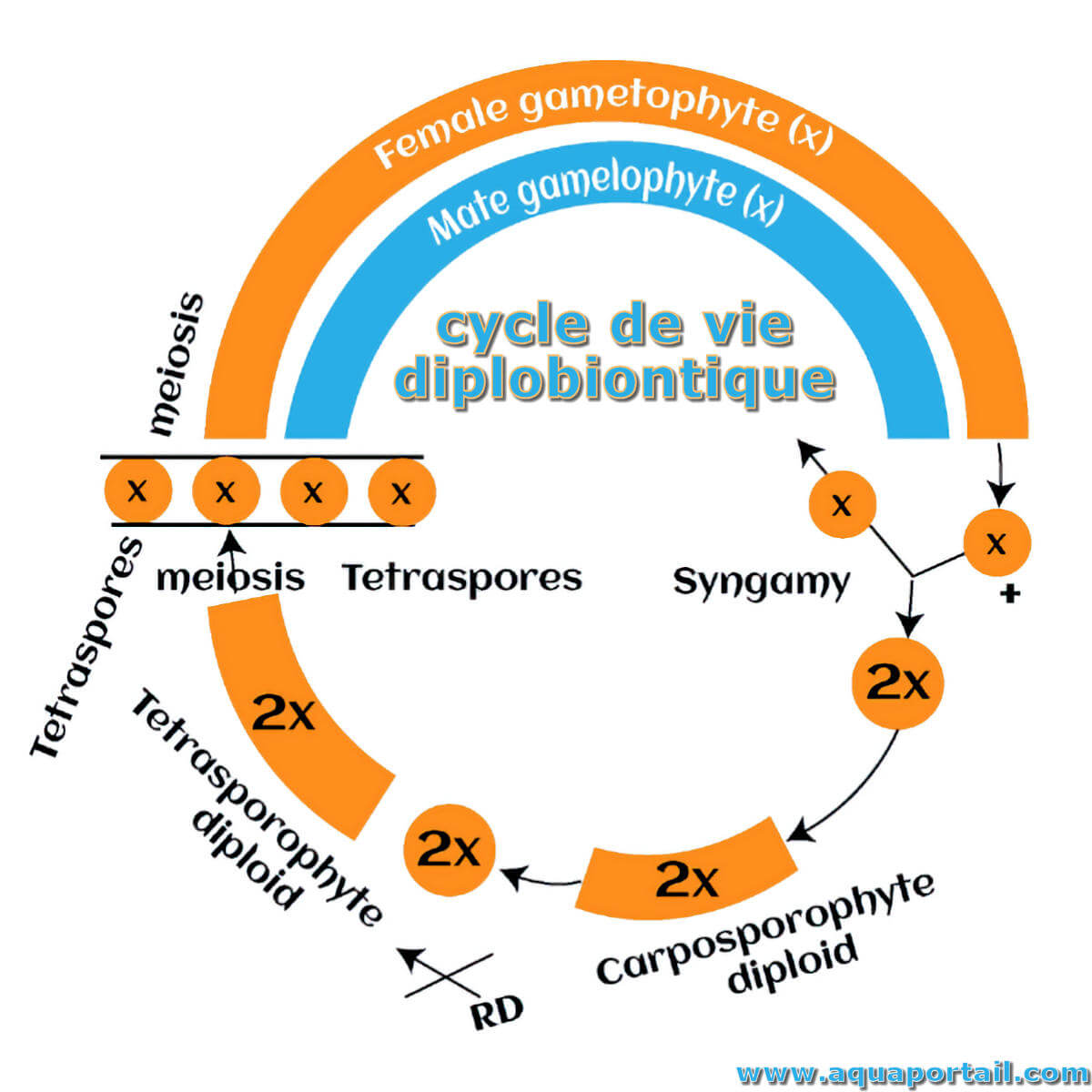
An organism is diplobiontic when it is represented by two types of individuals in nature, as opposed to haplobiontic.
haplodiplont

A haplodiplont, or haplodiplobiont, is an organism that is partly haploid and partly diploid during its life cycle (for example, Batrachospermum borne...
haplodiplontic
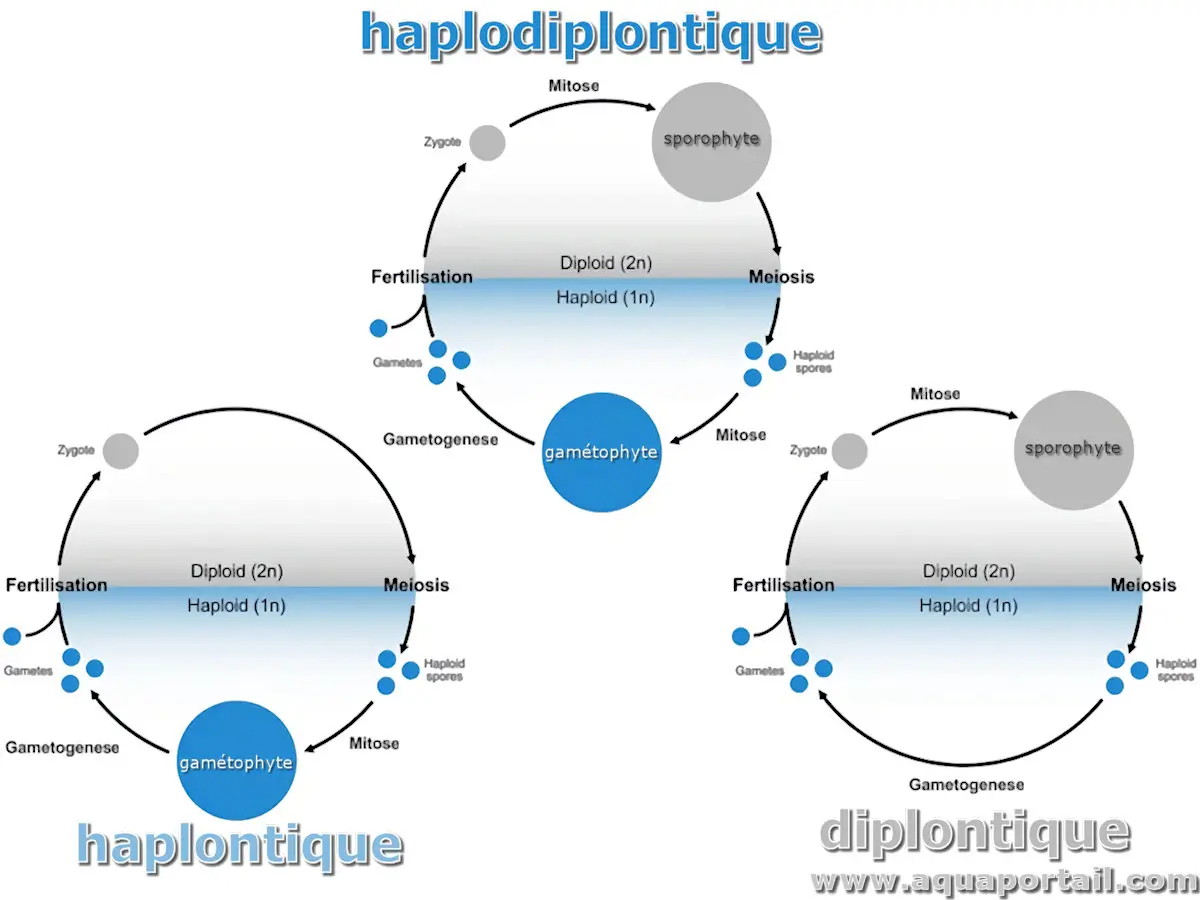
Haplodiplontic, or haplodiplobiontic, describes a developmental life cycle comprising both a haploid phase and a diploid phase, involving an alternation...
