Haplont
noun (n.)
Definition
A haplont is an organism having a diploid zygote that undergoes meiosis to produce haploid cells. It represents the haploid individual in a life cycle containing both a diploid phase and a haploid phase; for example, certain green algae are haplonts.
A haplont is a haploid organism possessing a haplophasic, predominantly haploid reproductive cycle in which the diploid phase is restricted to the fertilized egg cell (zygote). The haplontic cycle contrasts with the diplontic cycle and complements diplohaplonts (diplohaplontic cycle).
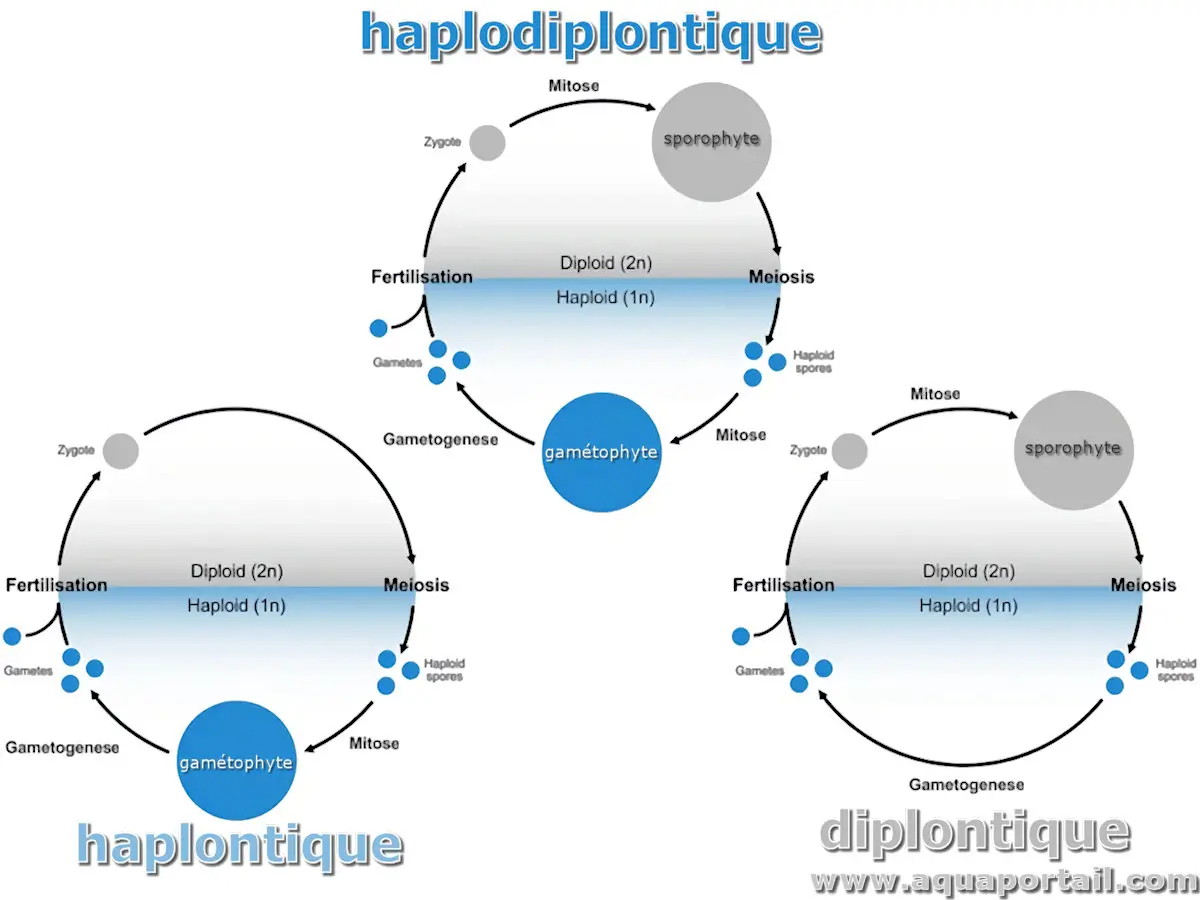
Haplont, diplont, and haplodiplont life cycles:

A haplontic life cycle occurs in most fungi and in certain green algae such as Chlamydomonas.
Explanations
The haplontic life cycle (or zygotic meiosis) is typical of many protists, most fungi, and certain green algae (Chlorophyta). The sole diploid phase of the biological cycle is represented by the zygote.
Haplontic (or haplophasic) describes the developmental cycle of an organism comprising only a vegetative haploid phase (the cycle of a haplont). Haplontic characterizes an organism or, within a developmental cycle, a haploid generation, and thus applies to a monogenetic cycle in which meiosis occurs upon zygote germination.
The zygote arises from the union of two haploid reproductive cells called gametes. Meiosis of the zygote leads to the formation of four haploid cells termed meiospores. Under unfavorable conditions, meiospores remain dormant; improved environmental conditions trigger meiospore germination, which through repeated mitoses develops into a complete, independent haploid individual—the gametophyte. At maturity, the haploid individual produces gametes whose union yields a new zygote, completing the cycle.
In haplonts, mitosis occurs exclusively in haploid cells, resulting in either single haploid cells or a multicellular haploid organism. Haplontic life forms produce gametes via mitosis. Following fertilization, a zygote forms; this single cell is the only diploid cell of the entire life cycle and subsequently undergoes meiosis.
🚩 The term haplont must not be confused with haplobiont.
Organisms from small mosses to humans pass through several biological stages across successive generations. The following biological phases occur during a life cycle: gamete formation (sexual reproductive cells), fusion of male and female gametes (fertilization) into a zygote, and a period of growth and development (cellular differentiation and morphogenesis) occurring at varying temporal sequences depending on the organism's phylogenetic group.
During the life cycle, meiotic divisions transition cells from a diploid to a haploid state; in the diploid stage, two homologous copies of each chromosome are present per cell, whereas in the haploid stage, a single copy of each chromosome is present. Gametes are always haploid, whereas zygotes are diploid. Additionally, mitotic divisions take place throughout the life cycle.
Depending on the phylum to which the organism belongs, these mitotic divisions occur during the haploid phase, the diploid phase, or both.
Synonyms, antonyms
Spanish translation: haplonte
0 synonyms (similar meaning) for "haplont".
1 antonym (opposite meaning):
Related words and expressions to HAPLONT are directly connected by general or specific meaning.
The word HAPLONT is listed on page 1 of words starting with H in the dictionary glossary.
Related to "haplont"
haplobiont

A haplobiont is an organism represented by a single type of free-living individual in nature, in contrast to a diplobiont.
haplodiplont
A haplodiplont, or haplodiplobiont, is an organism that is partly haploid and partly diploid during its life cycle (for example, Batrachospermum borne...
haplodiplontic
Haplodiplontic, or haplodiplobiontic, describes a developmental life cycle comprising both a haploid phase and a diploid phase, involving an alternation...
haploid
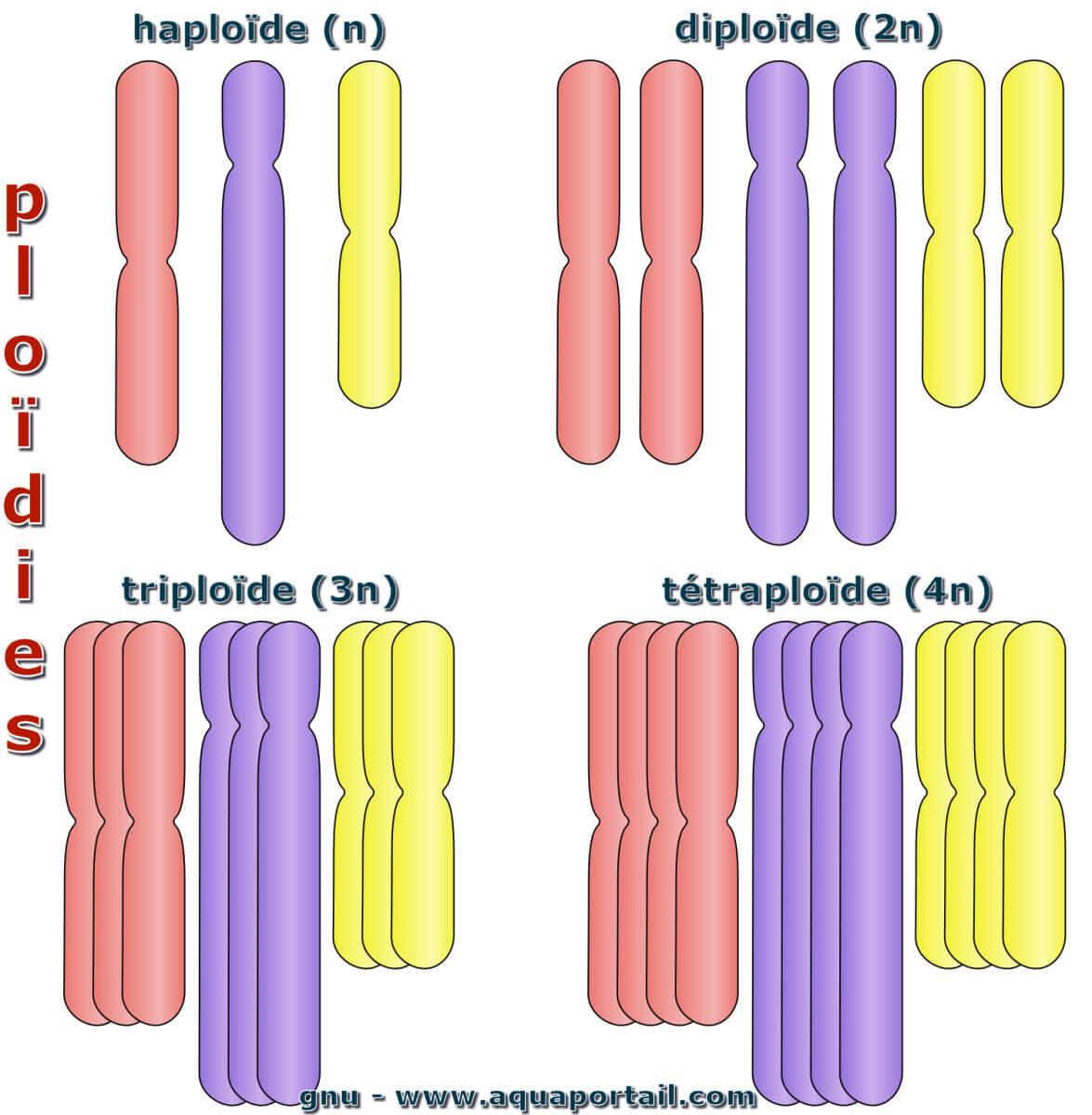
A haploid organism has cells possessing 1n chromosomes (the basic minimal chromosome number).
