Extensive aquaculture
noun phrase (n. phr.)
Definition
Extensive aquaculture generally refers to aquaculture practiced in medium- to large-sized ponds or bodies of water. Fisheries production relies solely on the natural productivity of the water, which is only slightly or moderately enhanced.An extensive aquaculture area:

Some fish farms are able to maintain profitability and improve the quality of their products while minimizing their environmental impact: this is extensive aquaculture.
Explanations
External inputs in extensive aquaculture are limited; costs remain low; capital investment is limited; and the quantity of fish produced per unit area is low. Control over production factors is kept at a low level. Labor efficiency is high.
Aquaculture is one of the fastest-growing food production sectors in the world, and there is strong hope that it will supplement declining wild fisheries. Fish is the most important source of protein in many diets, particularly those of rural and coastal communities. Extensive aquaculture is the alternative form of fish farming. Extensive aquaculture contrasts with intensive or accelerated aquaculture.
Extensive aquaculture describes an aquaculture production system characterized by:
- a low degree of control (over environment, nutrition, predators, competitors, and pathogens)
- low initial costs, simple technology, and low production efficiency (maximum yield of 500 kg/ha/year, or 446 lb/acre/year)
- high dependence on local climate and water quality, use of natural water bodies (such as lagoons or bays), and often unspecified natural organisms as farmed feed.
⭐ Intensive aquaculture (intensive fish farming), by contrast, involves producing a large quantity of fish per unit of farming area. To intensify cultivation, production factors such as feeding">feeding, water quality, and the quality of stocked fry are controlled to optimize growing conditions. There is constant monitoring throughout the production cycle.
See also aquaculture production, inland aquaculture, aquaculture economics.
Semi-extensive aquaculture
Semi-extensive aquaculture is a farming system characterized by a production of 0.5 to 5 metric tons/ha/year (0.22 to 2.23 short tons/acre/year), occasional supplementary feeding with low-grade feeds, stocking of wild or hatchery-produced fry, regular use of organic or chemical fertilizers, water supply via rainfall or tides with or without limited water exchange, and simple water quality monitoring; it is normally practiced in traditional or improved ponds, as well as in cages, for rearing small fry feeding on zooplankton.
This growth comes at a cost: chemicals and antibiotics used on fish farms leach into surrounding waters; fecal contamination triggers harmful algal blooms; sensitive coastal and wetland areas are disrupted or destroyed; and wild fish stocks are depleted to supply feed for carnivorous farmed animals.
The hydrological stability of extensive fish ponds promotes massive growth of microalgae that filter excess organic matter from the water, particularly nitrogen and phosphorus produced as waste (fecal contamination), thereby preventing harmful algal blooms.
Microalgae, along with sediment-associated algae and bacteria involved in decomposition, are consumed by a diverse aquatic microfauna including worms, insects, crustaceans, and small fish, which in turn serve as natural food for farmed fish.
Bottom culture
Bottom culture is a form of extensive farming of mussels, oysters, scallops, and clams in which grow-out takes place on the seabed. Following an appropriate grow-out period, the shellfish are harvested by dredging. This method is also used for cultivating marine seaweeds.
Synonyms, antonyms
Spanish translation: acuicultura extensiva
1 synonym (similar meaning) for "extensive aquaculture":
- semi-extensive aquaculture
1 antonym (opposite meaning):
Related words and expressions to EXTENSIVE AQUACULTURE are directly connected by general or specific meaning.
The expression EXTENSIVE AQUACULTURE is listed on page 1 of words starting with E in the dictionary glossary.
Related to "extensive aquaculture"
aquaculture

Aquaculture is the farming, breeding, and harvesting of fish, crustaceans, algae, and other organisms in all types of aquatic environments.
freshwater aquaculture

Freshwater aquaculture refers to a type of farming of freshwater aquatic organisms in which the final product is cultivated (or reared) in freshwater...
arboriculture

Arboriculture is the specialized form of cultivating trees, shrubs, and woody subshrubs in horticulture.
E=mc2
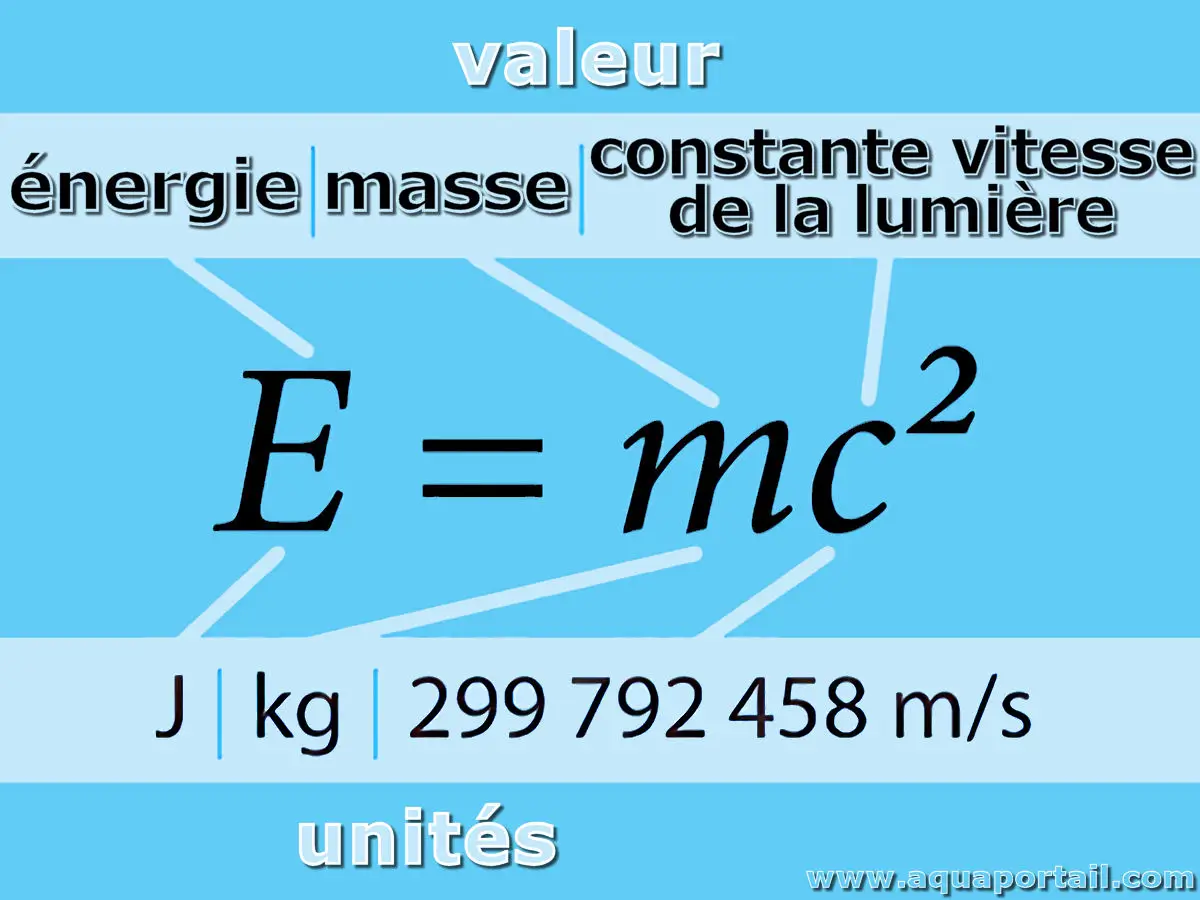
The formula E=mc2 (E = m. c²) is a mass-energy equivalence equation according to the theory of relativity developed by Albert Einstein. It expresses that...
