Coelenterate
noun (n.)
Definition
Coelenterates are radiate animals, often used as an obsolete synonym for the phylum Cnidaria (Coelenterata), historically also encompassing another phylum: the ctenophores (comb jellies). A hydra, for example, is a coelenterate animal. The mouth of a coelenterate is called an actinostome.
Coelenterates of the former group Coelenterata:
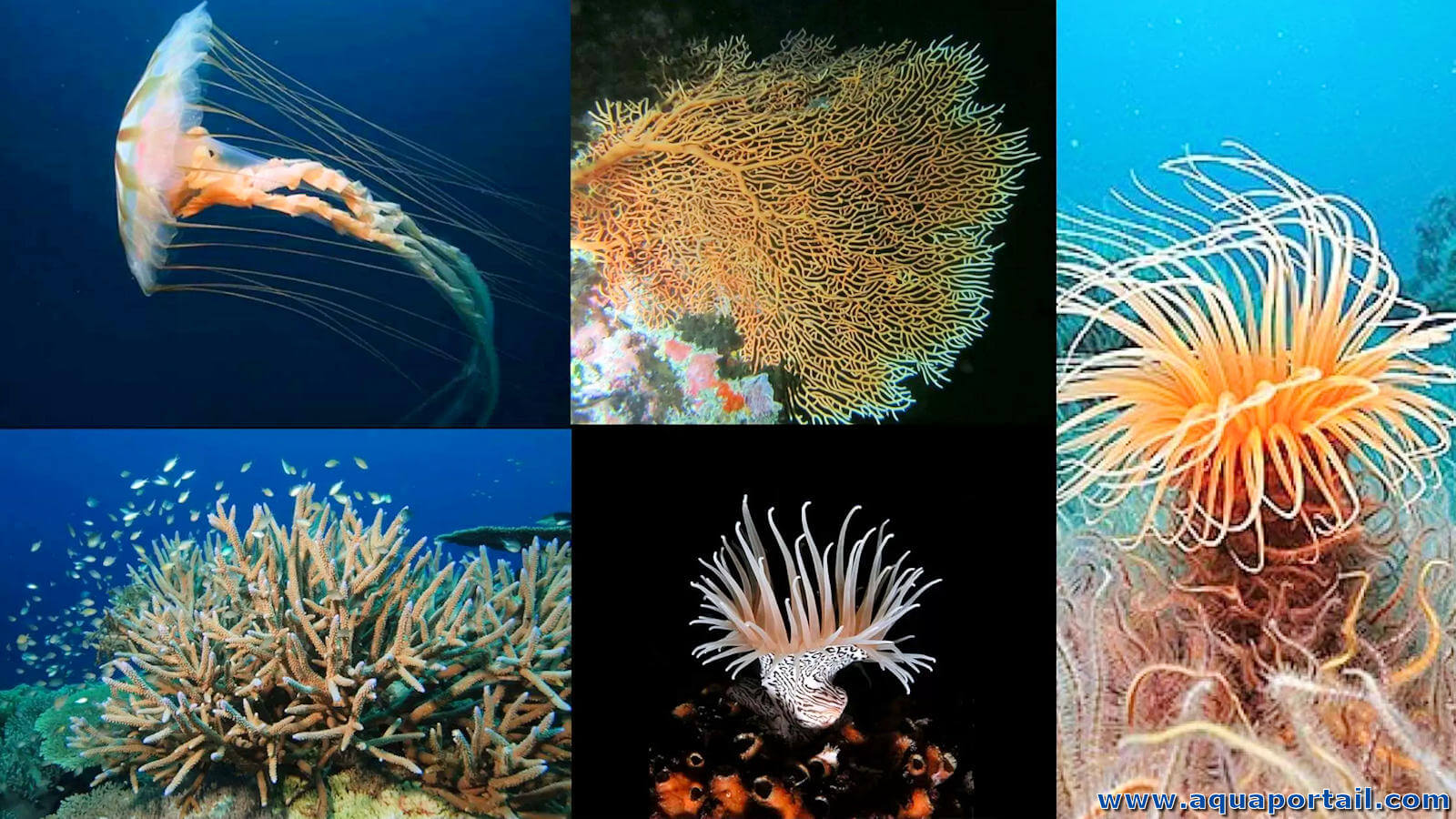
Coelenterates (Coelenterata) represent one of the major levels of organization within aquatic tissue-bearing animals (Eumetazoa). They include the two animal phyla of cnidarians (Cnidaria) and ctenophores (Ctenophora).
Explanations
Coelenterates represent one of the major grades of organization among aquatic eumetazoans (Eumetazoa). They comprise the two animal phyla Cnidaria and Ctenophora. Common to both are a more or less radially symmetrical body plan, a diffuse nerve net, and a basic organization of only two cell layers—the epidermis (ectoderm) and gastrodermis (endoderm)—which is why they are also referred to as diploblastic animals. Between these two cell layers lies a gelatinous zone in both groups, the mesoglea (or mesenchyme).
Traditionally, coelenterates ("hollow-gutted animals") represented a phylum or superphylum uniting the two taxa today regarded as separate phyla: cnidarians (Cnidaria) and comb jellies or ctenophores (Ctenophora).
Today, coelenterates are no longer considered a natural monophyletic group, since the shared similarities are not regarded as synapomorphies (shared derived characters), but rather as ancestral traits (plesiomorphies), which should therefore not be used to define a clade. According to certain phylogenetic hypotheses, the closest relatives of ctenophores (or cnidarians) are the bilaterally symmetrical bilaterians (Bilateria), sometimes grouped in a proposed clade called Acrosomata. This group was named after the shared structure of the acrosome in ctenophores and bilaterians, a cap-like vesicle at the tip of the spermatozoon that initiates fertilization upon contact with the egg. Enzymes stored in acrosomal vesicles, small membrane-bound organelles involved in local dissolution of the egg coats, are essential in this process. Cnidarians and sponges (Porifera) possess multiple small pro-acrosomal vesicles, whereas ctenophores and bilaterians typically possess a single large acrosome.
⭐ The actinostome corresponds to the mouth or oral opening of a coelenterate animal. An actinostome is the name given to the mouth (stoma) of sea anemones (actinians), or of any animal whose mouth is radially symmetrical, such as the peristome of an echinoderm.
Synonyms, antonyms
Spanish translation: celentéreo
1 synonym (similar meaning) for "coelenterate":
0 antonyms (opposite meaning).
Related words and expressions to COELENTERATE are directly connected by general or specific meaning.
The word COELENTERATE is listed on page 1 of words starting with C in the dictionary glossary.
Related to "coelenterate"
chelicerate
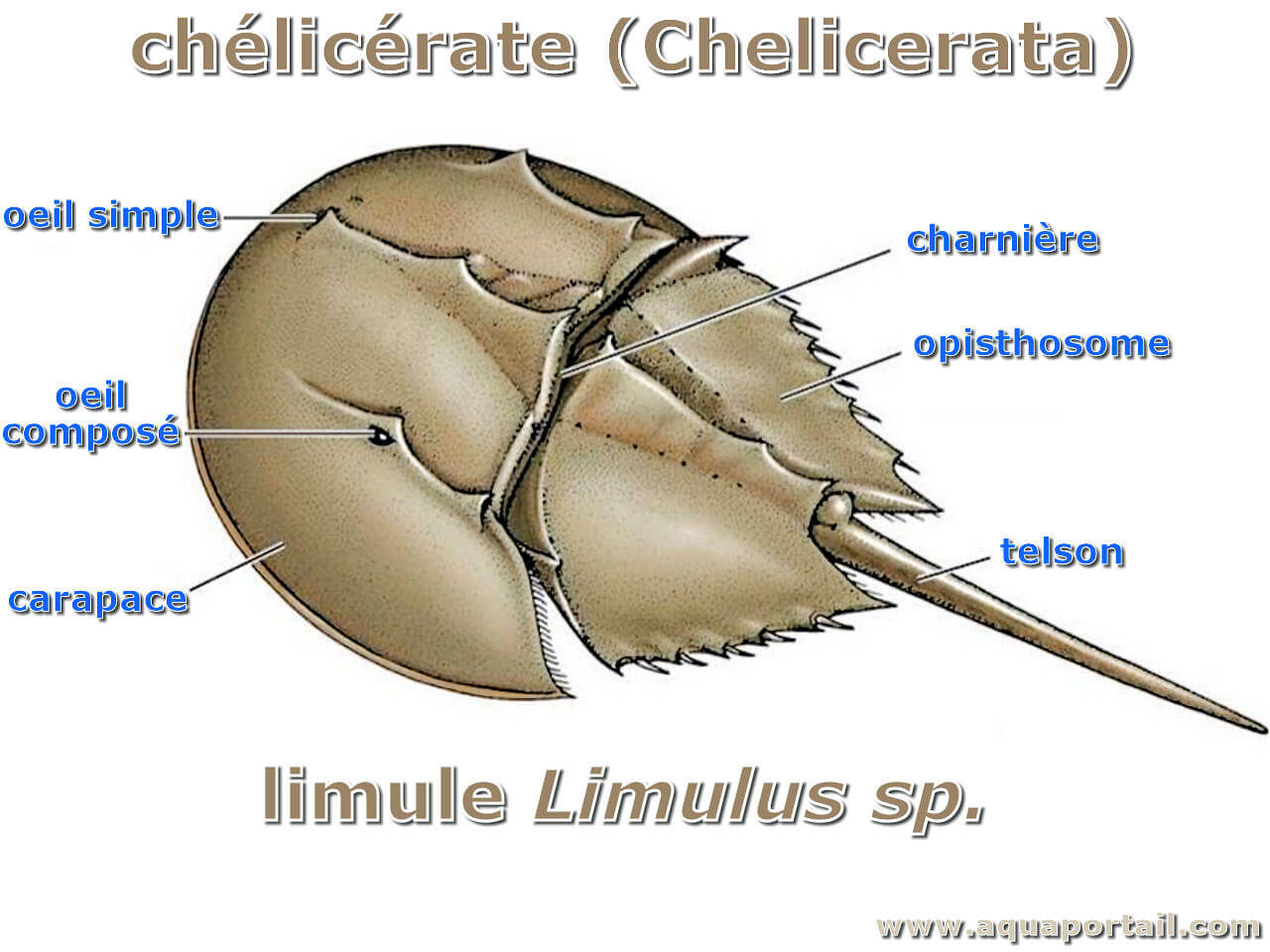
A chelicerate belongs to the subphylum Chelicerata within the phylum Arthropoda. Chelicerates are characterized by the presence of chelicerae...
cactus

A cactus is a thick, fleshy plant that grows in many hot, dry regions of the world. Cacti do not have leaves, and many are covered with spines.
caecilian

A caecilian (gymnophione) is a limbless, burrowing, worm-like amphibian whose legs are vestigial or absent.
calcified

A structure is calcified when calcium carbonate (or calcium salts) has been deposited in it.
