Coenobium
noun (n.)
Definition
A coenobium, or coenobe, is a colony of unicellular organisms, generally flagellated, whose number of cells is genetically fixed. Coenobia are formed by cell division from a mother cell (not to be confused with a coenocyte, a giant multinucleate cell). Coenobia form a generally spherical or discoid colony of unicellular organisms surrounded by a common wall or matrix; the term specifically designates a colony having a defined number and specific arrangement of cells.
A coenobium:
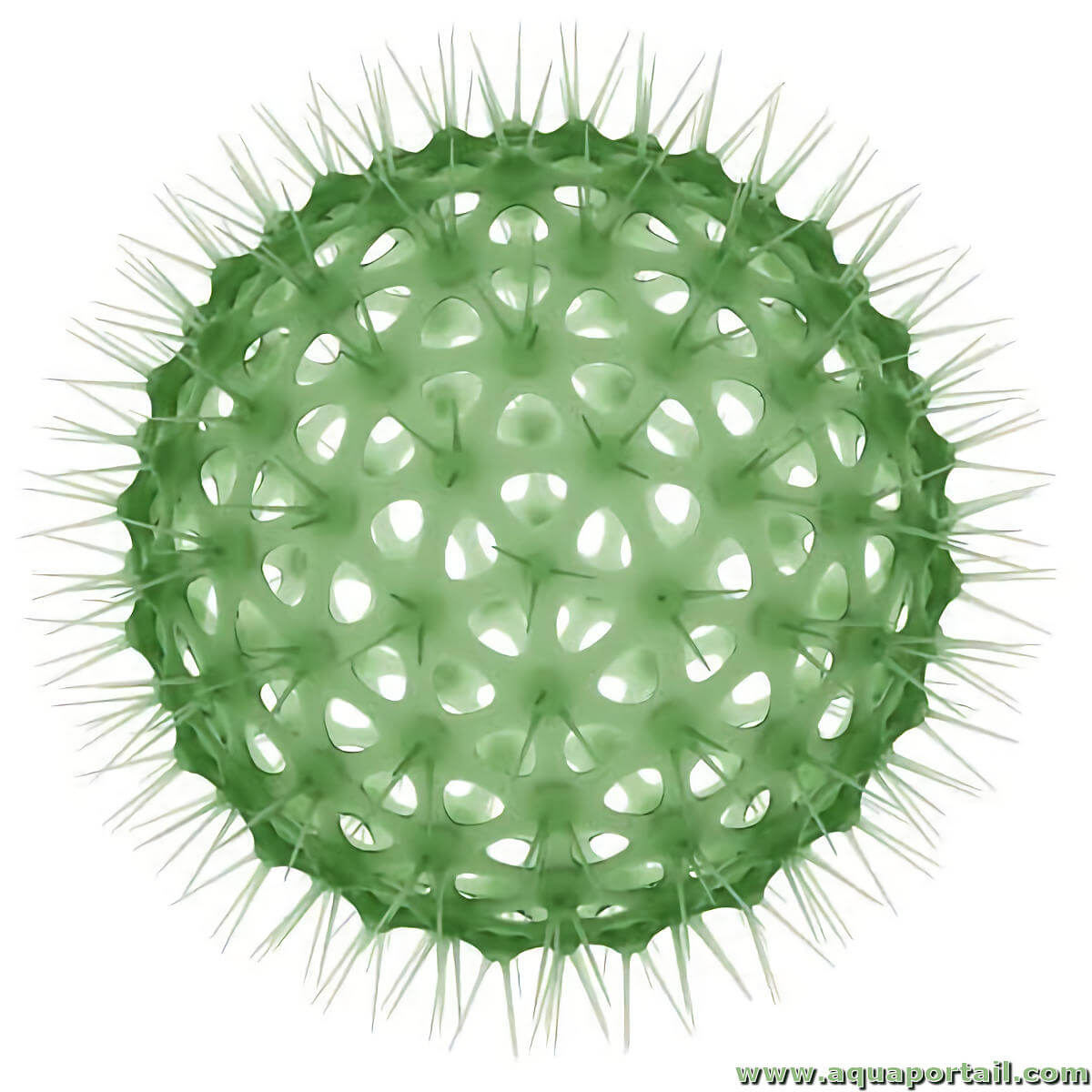
Algal colonies with a fixed number of uninucleate cells are called coenobia (as distinguished from multinucleate coenocytes).
Explanations
Research suggests that coenobium formation may be a defense against grazing in certain species.
For example, a coenobial colony of Volvox is an aggregate of flagellated cells, retaining the organization of unicellular flagellates.
The cells of a coenobium are uninucleate (unlike a multinucleate coenocyte), and most coenobia are composed of a distinct, fixed number of cells, often a power of two (4, 8, 16, etc.).
A coenobium is a colony containing a fixed number of cells, with little or no specialization. They occur in several groups of algae. The cells are often embedded in a mucilaginous matrix and may be motile or non-motile.
For example, Volvox (a green alga) forms a hollow sphere in which about 20,000 cells can live; some of them are reproductive while others carry out photosynthesis. The cells of these coenobia are interconnected by fine protoplasmic strands.
Synonyms, antonyms
Spanish translation: cenobio
1 synonym (similar meaning) for "coenobium":
0 antonyms (opposite meaning).
Related words and expressions to COENOBIUM are directly connected by general or specific meaning.
The word COENOBIUM is listed on page 1 of words starting with C in the dictionary glossary.
Related to "coenobium"
Rhizobium
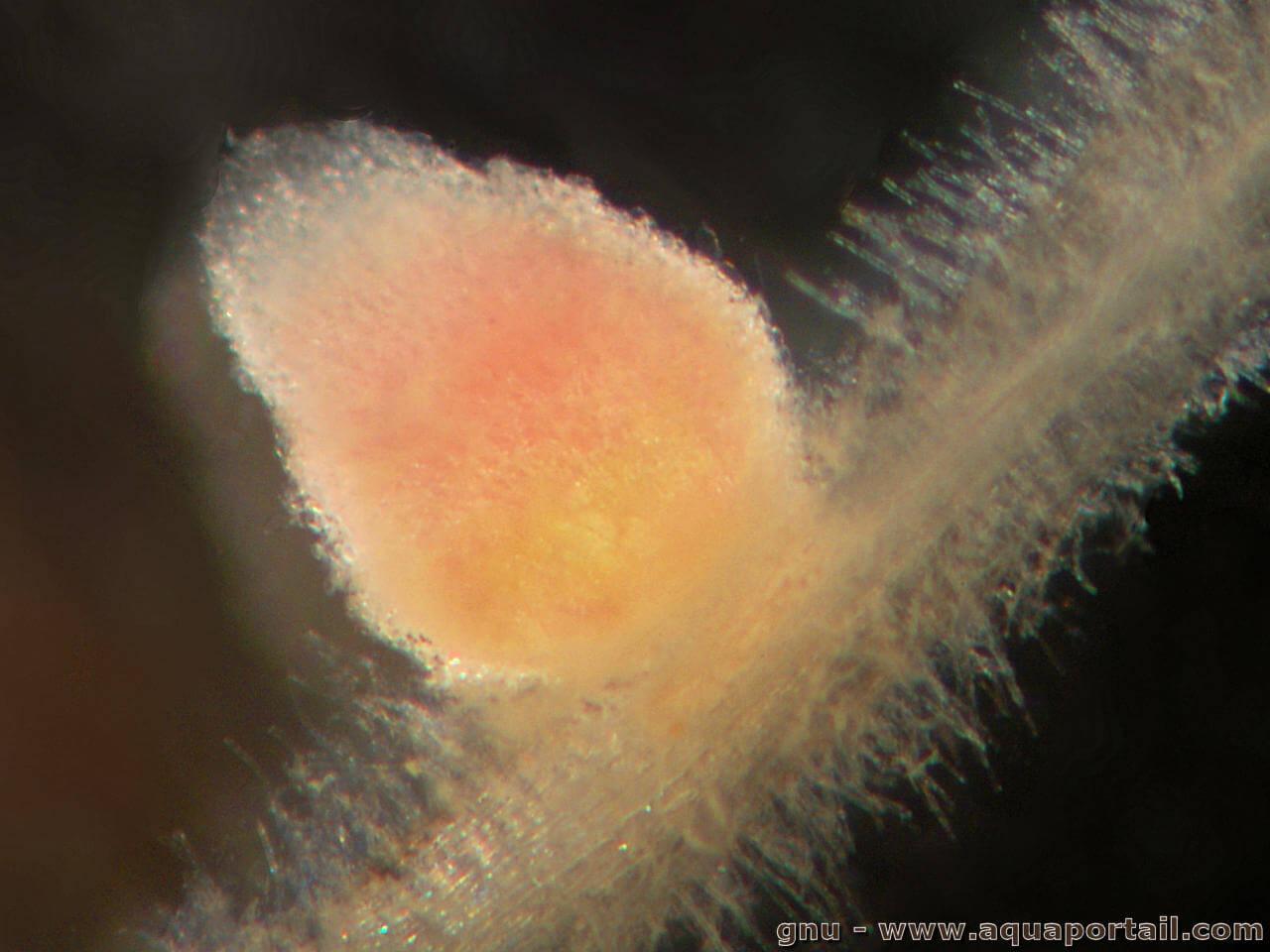
Rhizobium is a genus of aerobic, Gram-negative, diazotrophic soil bacteria that fix atmospheric nitrogen.
cactus

A cactus is a thick, fleshy plant that grows in many hot, dry regions of the world. Cacti do not have leaves, and many are covered with spines.
caecilian

A caecilian (gymnophione) is a limbless, burrowing, worm-like amphibian whose legs are vestigial or absent.
calcified

A structure is calcified when calcium carbonate (or calcium salts) has been deposited in it.
