Protoplast
noun (n.)
Definition
A protoplast is a cell stripped of its cell wall. It is a plant cell, bacterium, or fungus that has completely or partially lost its cell wall. Enzymatic mechanisms have degraded the structural components of the wall (peptidoglycans in bacteria, cellulose in plants, or chitin in fungi).
When the cell wall is completely removed, protoplasts are formed. When the wall is only partially removed, spheroplasts are formed.
The chlorophyllous cell contains chloroplasts within its protoplast:

Protoplasts can be used to study the membrane in biology, including the uptake of macromolecules, bacteria, and viruses. They are also used in somaclonal variation for fusion.
Explanations
The protoplast has several biological definitions:
- a protoplast is a plant, bacterial, or fungal cell whose cell wall has been wholly or partially removed using either mechanical or enzymatic means. In protoplasts, the cell wall is entirely removed; in spheroplasts, the cell wall is only partially removed
- more generally, protoplasts refer to the living unit of the cell composed of the plasma membrane, nucleus, and protoplasmic materials.
Obtaining and maintaining protoplasts
Protoplasts are obtained from Gram-positive bacteria and spheroplasts from Gram-negative bacteria; in plants, protoplasts are obtained from leaf mesophyll, and also from cell suspensions.
They are maintained in a cell culture medium that allows the cell to be properly nourished; this involves supplying macronutrients and micronutrients, including necessary organic molecules such as vitamins.
These cells, lacking the mechanical framework provided by the cell wall, are more susceptible to destruction by osmotic pressure differences relative to the medium. In the case of a medium hypertonic relative to the intracellular environment, crenation (or plasmolysis) of the protoplast may occur. Conversely, a hypotonic medium can induce cytolysis of the protoplast. Therefore, the maintenance medium must be adjusted so that there are no significant osmotic differences with the cells themselves.
Likewise, the temperatures at which protoplasts are maintained must be controlled, depending on the type of protoplast (fungal, bacterial, or plant).
Furthermore, plant protoplasts require control of culture lighting.
See also periplast, chloroplast, protoplast fusion, L-form bacteria, phaeoplast.
Uses
Protoplasts are used in studying the behavior of the plasma membrane, including the uptake of macromolecules and viruses.
They are also widely used in the genetic transformation of bacteria and plant cells. Being devoid of a cell wall, it is easier to introduce exogenous DNA into protoplasts than into intact bacteria or plant cells. Consequently, protoplasts are extensively used in bacterial genetic engineering and in studying transient gene expression in plants. Moreover, from a single protoplast, a complete plant can be regenerated using micropropagation, a modern technique used in plant tissue culture.
Finally, protoplasts are also used in plant breeding. For this purpose, a technique known as protoplast fusion is used, in which protoplasts from different plants are induced to fuse to generate hybrid tissues. In this way, one can generate:
- polyploid plants, by fusing two cells of the same species, leading to a duplication of chromosome number compared to the parent plants
- somatic hybrids possessing chromosomes from different species or varieties within the same plant, resulting from the fusion of two different plants.
Synonyms, antonyms
Spanish translation: protoplasto
0 synonyms (similar meaning) for "protoplast".
0 antonyms (opposite meaning).
Related words and expressions to PROTOPLAST are directly connected by general or specific meaning.
The word PROTOPLAST is listed on page 1 of words starting with P in the dictionary glossary.
Related to "protoplast"
proto-Earth
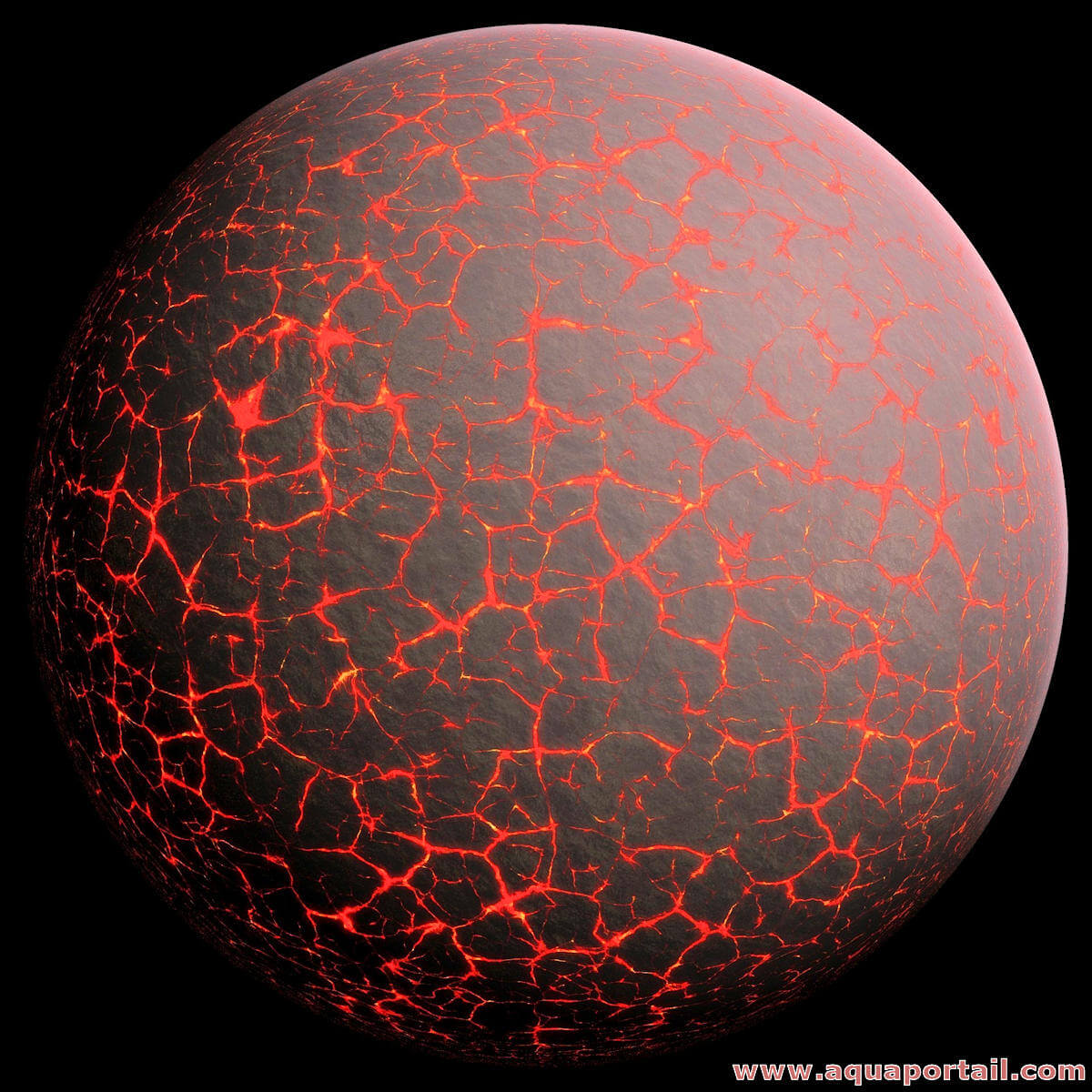
Proto-Earth is the earliest geological stage of Earth, sometimes called Gaia, when Earth did not yet have a Moon.
protonema
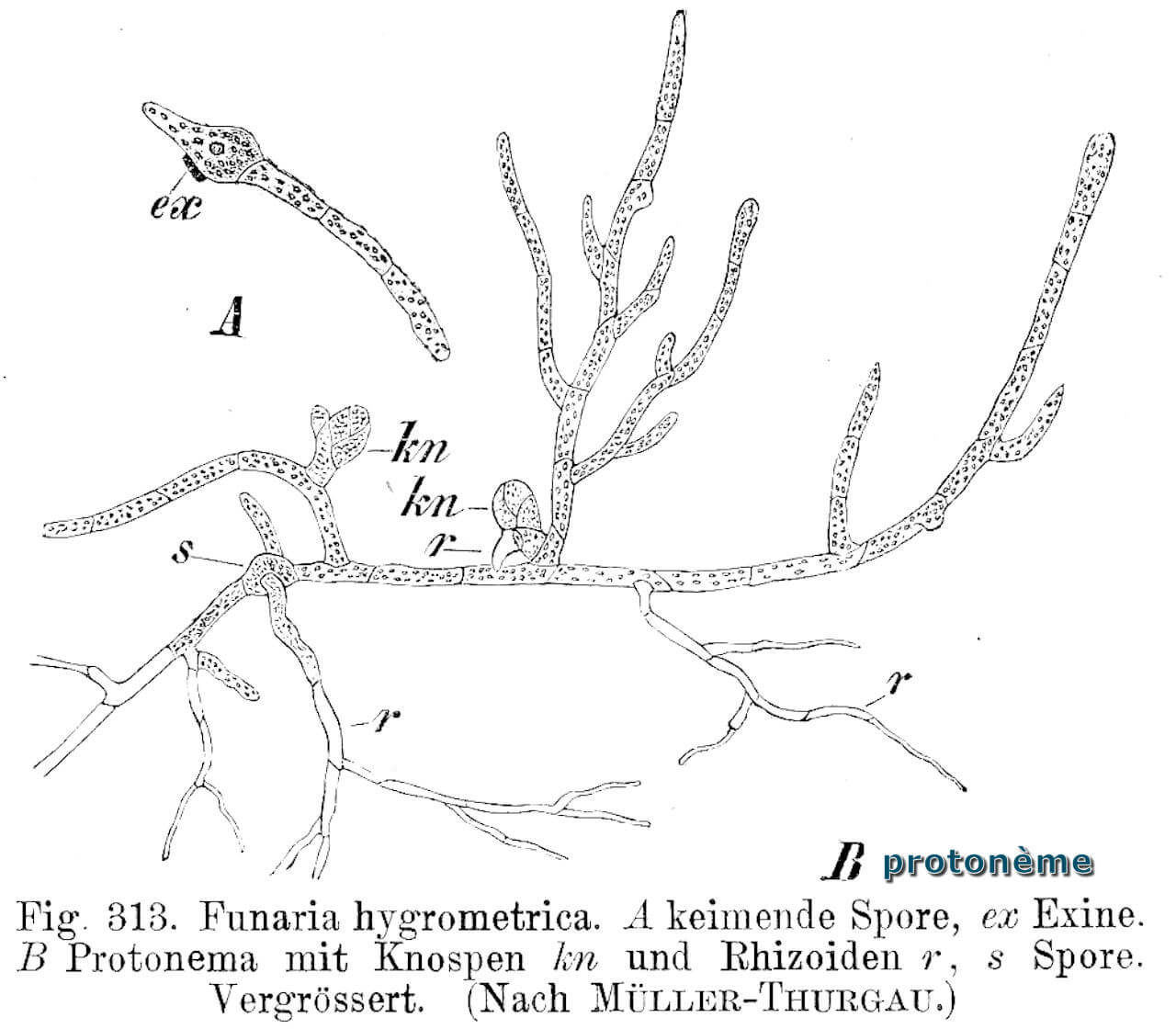
The protonema of a moss or liverwort is a thread-like chain of chlorophyllous cells constituting the initial haploid phase—the earliest developmental stage...
prototype
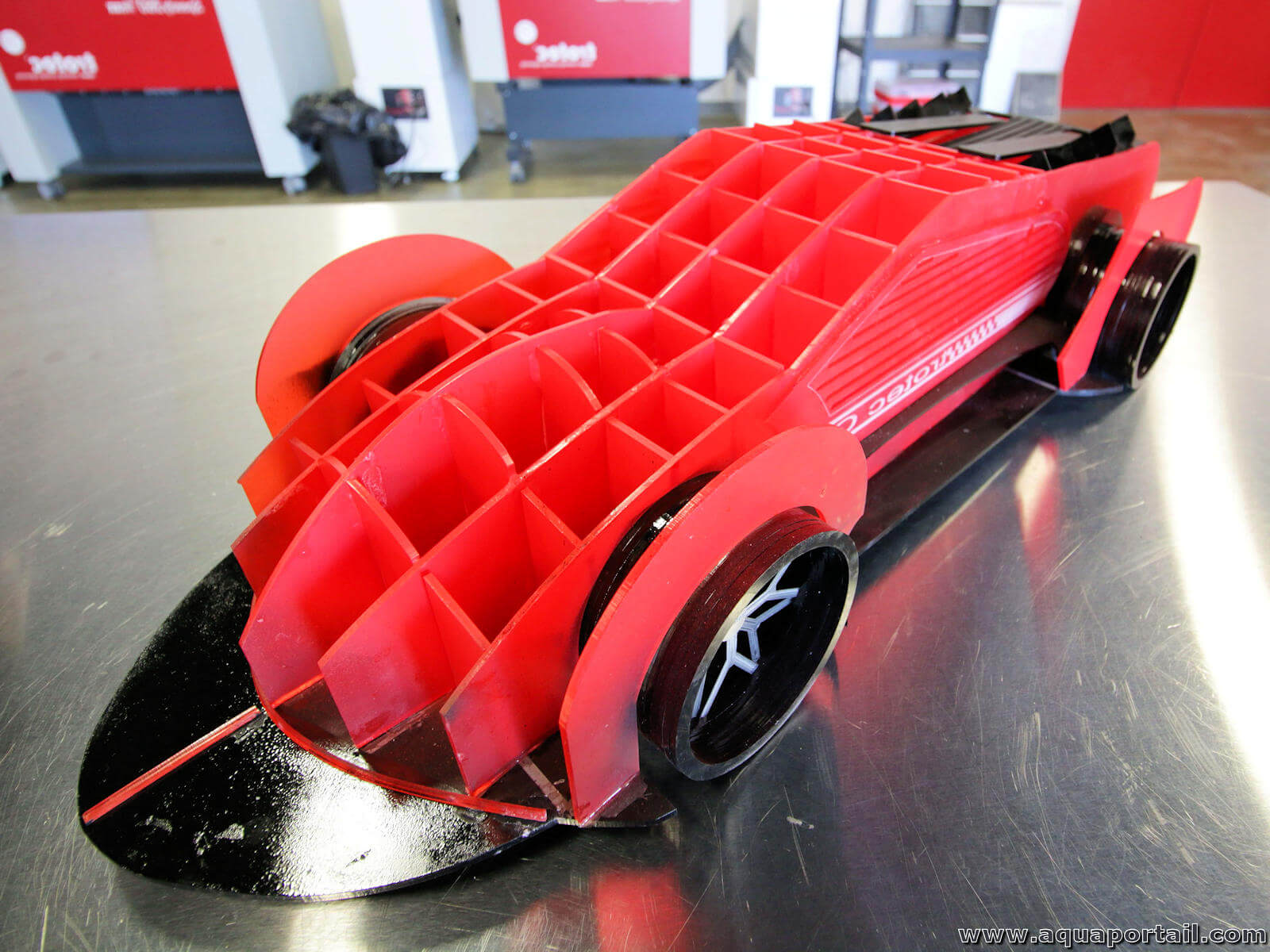
A prototype is an early, typical, or preliminary model of something—particularly a machine—from which other forms are developed or copied.
amyloplast
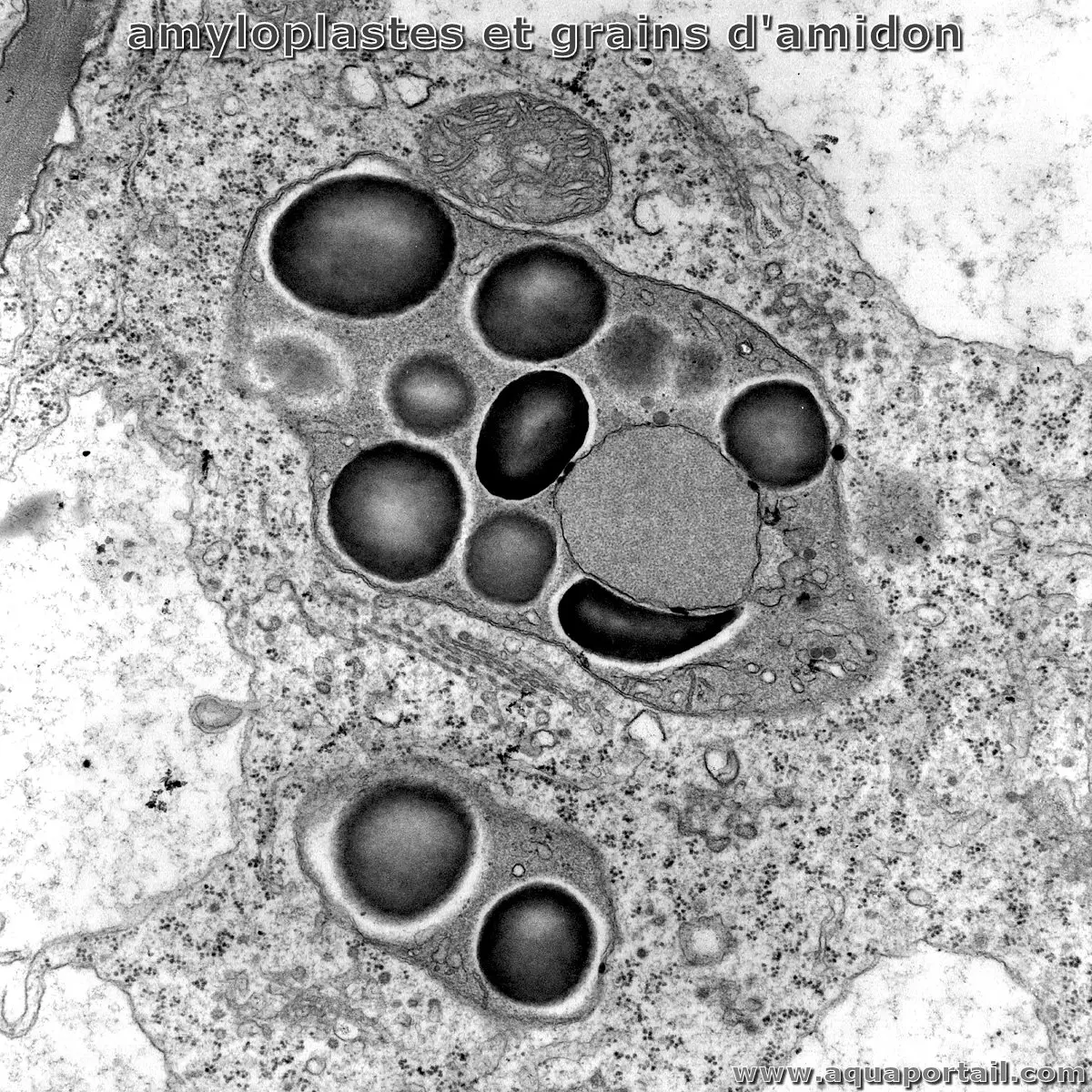
An amyloplast is a colorless plastid that accumulates starch, widespread in the plant kingdom.
