Plasmolysis
noun (n.)
Definition
Osmotic plasmolysis is a contraction of a cell's cytoplasm due to the outflow of vacuolar water. It occurs during the exertion of outward osmotic pressure, via exosmosis, when the cell is immersed in a hypertonic solution. Plasmolysis leads to cell death.
Example of plasmolysis:

Plasmolysis under the microscope with onion cells.
Explanations
Plasmolysis is thus the process by which cells lose water in a hypertonic solution. The reverse process, cytolysis, can occur if the cell is in a hypotonic solution obtained in an external medium of lower osmotic pressure and a net flow of water into the cell. By observing plasmolysis and deplasmolysis, it is possible to determine the tonicity of the cell's environment, as well as the rate at which solute molecules cross the cell membrane.
See also turgor, lysis, dissolution.
In biology, plasmolysis is the shrinkage of the protoplast of a plant cell, with the plasma membrane detaching from the cell wall. To achieve this, the cell must be exposed to a plasmolytic agent. This is a hypertonic solution, a solution that contains many salts or sugar components and therefore has more dissolved particles than the cell sap of the vacuole.
In this case, water flows osmotically from the vacuole across the membranes (tonoplast, plasmalemma) into the more concentrated surrounding medium, so that the cell sap space becomes smaller and separates the plasma tube adhering to the vacuole with the plasmalemma from the cell wall. If the plasma does not adhere to the wall, detachment is rounded (convex plasmolysis); if the wall adheres strongly, unusual shapes form in which the plasma is stretched into thin threads (Hechtian strands) (concave plasmolysis). This process is reversible, that is, reversible by deplasmolysis (provided the cell has not been damaged by excessive plasmolysis).
The state in which the protoplast detaches directly from the cell wall (so that the cell is no longer turgid, yet not fully plasmolyzed) is called "incipient plasmolysis" or "limiting plasmolysis". This occurs in an isotonic medium. ⭐ Incipient plasmolysis, in plants, is a method for determining the osmotic potential of cell sap by finding the concentration of the external solution that just induces plasmolysis, namely in 50% of the tissue's cells.
At the particle level, the process can be described as follows: salt ions (for example Na+ and Cl-, i.e., sodium and chloride ions) form a hydration shell around themselves. This means that polar water molecules organize accordingly around the ions and are thus immobilized. Consequently, the probability that a water molecule from the saline (hypertonic) solution diffuses across the membrane is lower than the reverse. In the less concentrated solution (during plasmolysis: inside the vacuole), water molecules are therefore more mobile. As a result, they diffuse more easily across the membrane to the other side of the vacuole.
Synonyms, antonyms
Spanish translation: plasmólisis
0 synonyms (similar meaning) for "plasmolysis".
1 antonym (opposite meaning):
Related words and expressions to PLASMOLYSIS are directly connected by general or specific meaning.
The word PLASMOLYSIS is listed on page 1 of words starting with P in the dictionary glossary.
Related to "plasmolysis"
ozonolysis

Ozonolysis is an organic reaction in which the unsaturated bonds of alkenes, alkynes, or azo compounds are cleaved with ozone.
plasma

Blood plasma is the colorless liquid portion of blood, lymph, or milk, in which red blood cells or fat globules are suspended.
paedomorphosis

Paedomorphosis (juvenilization) is a phylogenetic change involving the retention of juvenile or even larval traits into a later (adult) stage.
painkiller
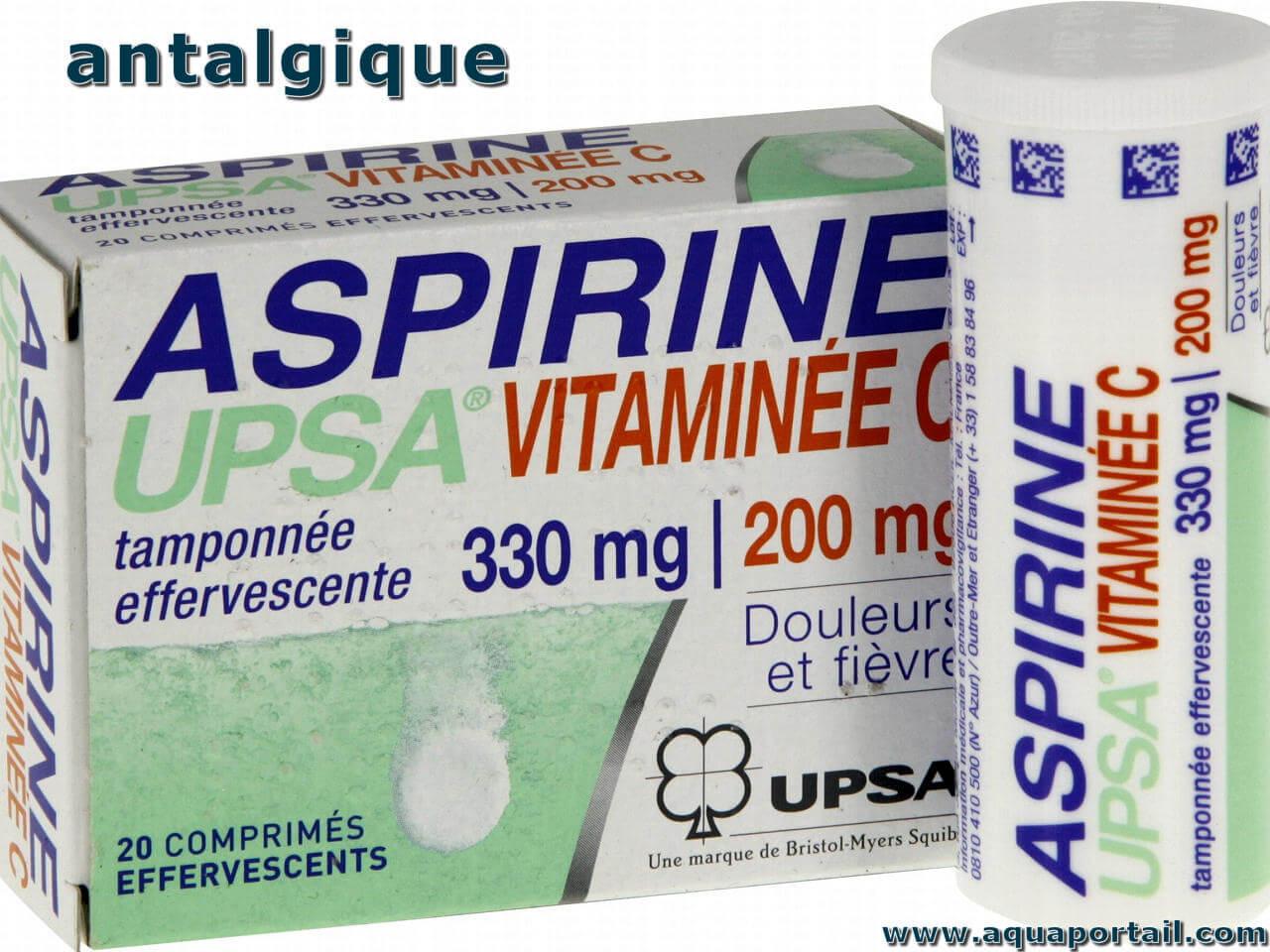
A painkiller, or analgesic, is a pain reliever, a medication used to soothe or eliminate pain, whether headaches, muscle aches, arthritis, etc.
