Peptidoglycan
noun (n.)
Definition
A peptidoglycan is a structural molecule of the bacterial cell wall, consisting of a carbohydrate backbone associated with lateral tetrapeptides. It stiffens the murein wall of bacteria. It contains molecules of N-acetylglucosamine and N-acetylmuramic acid.
Structure of a peptidoglycan:

The structure of peptidoglycan shows the glycan strands (composed of GlcNAc and MurNAc), stem peptides (with 4–3 or 3–3 cross-links), and target bonds cleaved by various PG hydrolases. The peptidoglycan backbone consists of alternating sugar units: N-acetylglucosamine and N-acetylmuramic acid.
Explanations
✅ Peptidoglycan is a distinctive polymer present in the cell walls of most bacteria, where it provides structural integrity and protection against osmotic pressure. It imparts rigidity and defines the shape of the bacterial cell. It protects bacteria from bursting by counteracting osmotic pressure caused by water influx. The polymer provides a platform for other surface molecules of the bacterial cell.
Peptidoglycan is composed of repeating carbohydrate units (glycans) consisting of N-acetylglucosamine and N-acetylmuramic acid, cross-linked by short peptide chains. This rigid, mesh-like structure is essential for maintaining bacterial shape and viability. Its structural features differ across bacterial species and form the basis of the Gram stain, which distinguishes Gram-positive from Gram-negative bacteria.
Peptidoglycan is the primary component of the bacterial cell wall. This essential macromolecule determines bacterial shape, confers resistance to osmotic pressure, and serves as a scaffold for surface molecules.
Commonly called peptide polysaccharides, peptidoglycans (glycoprotein glycans) are macromolecules composed of sugars and amino acids found in the cell wall of bacteria, the murein wall.
Gram-positive and Gram-negative bacteria possess a strength-conferring peptidoglycan layer in their cell wall. Wall thickness differs, with Gram-positive walls measuring 20 to 80 nm (0.79 to 3.15 µin) and Gram-negative walls measuring less than 10 nm (0.39 µin), with the exception of mycoplasmas and spiroplasmas belonging to the domain Bacteria, which lack a cell wall and thus a murein wall, as well as Planctomycetes, which possess an S-layer (protein-rich layer).
Properties
A peptidoglycan is a bacterial wall component that maintains cell shape and provides mechanical protection against osmotic pressure.
Peptidoglycan is a large polymer forming a meshwork around the bacterial cytoplasmic membrane. Peptidoglycan synthesis is essential at several stages of the bacterial cell cycle: for structural expansion during cell elongation and for septum formation during cell division.
Peptidoglycan or murein (mucocomplex, mucopeptide) is a copolymer formed by an alternating sequence of N-acetylglucosamine and N-acetylmuramic acid linked by beta-1,4 bonds. Peptidoglycan is highly resilient, protects bacteria from osmotic lysis in aquatic environments, and gives bacteria their various shapes. The chain is straight and unbranched. It constitutes the basic cell wall structure of bacteria and Prochlorophyta. archaea lack murein, though some (such as methanobacteria) possess a pseudopeptidoglycan formed of N-acetylglucosamine linked to N-acetyltalosaminuronic acid via a beta-1,3 bond.
D-amino acids are specific to the bacterial cell wall and are never found in ribosomal proteins.
Wall thickness is markedly greater in Gram-positive bacteria and is in direct contact with the extracellular environment. Conversely, in Gram-negative bacteria, peptidoglycan is thinner and sandwiched between two plasma membranes. This difference accounts for the distinct reactivity of these two cell types to the Gram stain, forming the basis for the dichotomous">dichotomous classification of bacteria into "Gram-positive" and "Gram-negative".
🚩 Penicillins inhibit the final step of peptidoglycan synthesis, a cross-linking step called transpeptidation. Transpeptidation joins newly formed peptidoglycan to existing peptidoglycan. When this synthesis is inhibited, cell lysis mechanisms (not yet fully understood) are triggered: penicillins thus exert a bactericidal effect, like other antibiotics of the beta-lactam family.
See also proteoglycan and glycosaminoglycan.
✅ Because peptidoglycan is indispensable for bacterial survival and absent from human cells, it serves as an effective target for antibiotics such as penicillin. Its unique structure enables host cells to identify bacteria via specific receptors, contributing to immune defense mechanisms.
Constituents
Peptidoglycans consist of strands of two beta(1 → 4) glycosidically linked sugar derivative molecules, N-acetylglucosamine and N-acetylmuramic acid, forming the backbone as linear-chain molecules. From each N-acetylmuramic acid molecule (linked to its lactyl group), an oligopeptide chain extends to an N-acetylmuramic acid molecule on an adjacent strand. Composition in Gram-positive and Gram-negative bacteria is not always uniform.
Most Gram-positive cocci possess L-lysine instead of diaminopimelic acid (DAP). Sometimes the amino acid at position 2 is additionally hydroxylated. An important feature of the tetrapeptide is the presence of D-amino acids such as D-alanine or D-glutamic acid, enzymatically formed by racemases from the corresponding L-enantiomer.
Parallel strands are cross-linked. An enzyme is required for this connection, joining the peptide chains together as a transpeptidase. This transpeptidase is also known as penicillin-binding protein (PBP) because it is the target of beta-lactam antibiotics. It can adopt different structures and thus confer resistance to these antibiotics.
✅ Short peptide chains, often called stem peptides, are attached to N-acetylmuramic acid residues. These peptide chains undergo cross-linking, creating a strong, mesh-like structure that encases the bacterial cell.
In Escherichia coli and other Gram-negative bacteria, the two tetrapeptides are directly linked. Here, the amino group of diaminopimelic acid on one peptide is bound to the carboxyl group of the terminal D-alanine of the neighboring peptide.
In Staphylococcus aureus and other Gram-positive bacteria, an interpeptide bridge composed of five glycine molecules (synonym pentaglycine bridge, pentapeptide bridge) connects two tetrapeptides.
Because the linker can contain different amino acids from one organism to another, more than 100 different types of peptidoglycans are known. Amino acid sequence variance is greater in Gram-positive bacteria than in Gram-negative bacteria. Only histidine, arginine, or proline have not yet been detected in a linker.
Through cross-linking, murein forms a flat network extending over the bacterial cell surface (murein sacculus). In all cases, the carbohydrate backbone shares the same structure.
Gram staining differences
The composition and thickness of the peptidoglycan layer are key criteria for bacterial classification:
- Gram-positive bacteria: characterized by a thick, multilayered peptidoglycan cell wall
- Gram-negative bacteria: exhibit a thin peptidoglycan layer covered by an outer membrane.
Amino acid sequences and cross-linking patterns of peptide chains vary considerably among bacterial species.
Synonyms, antonyms
Spanish translation: peptidoglicano
4 synonyms (similar meaning) for "peptidoglycan":
- mucocomplex
- mucopeptide
- murein
- peptide polysaccharide
0 antonyms (opposite meaning).
Related words and expressions to PEPTIDOGLYCAN are directly connected by general or specific meaning.
The word PEPTIDOGLYCAN is listed on page 1 of words starting with P in the dictionary glossary.
Related to "peptidoglycan"
murein wall

The murein wall is a cell wall of eubacteria containing a layer of murein, composed of peptidoglycans.
glycopeptide
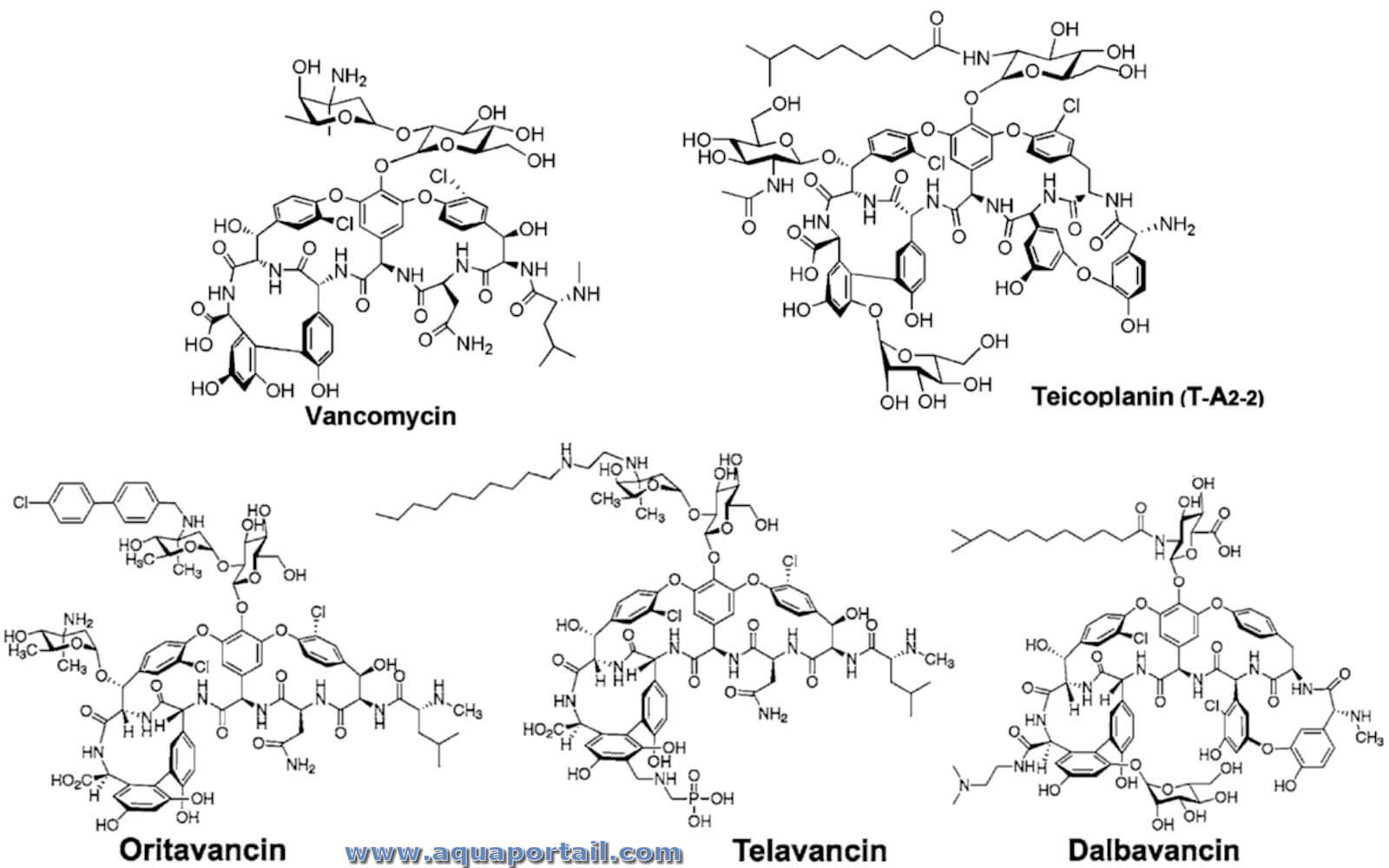
A glycopeptide is a compound formed of a peptide covalently linked to a carbohydrate moiety.
peptide

A peptide is a molecule comprising at least two amino acid residues linked by a CO-NH peptide bond, formed by dehydration condensation between the NH₂ group...
signal peptide
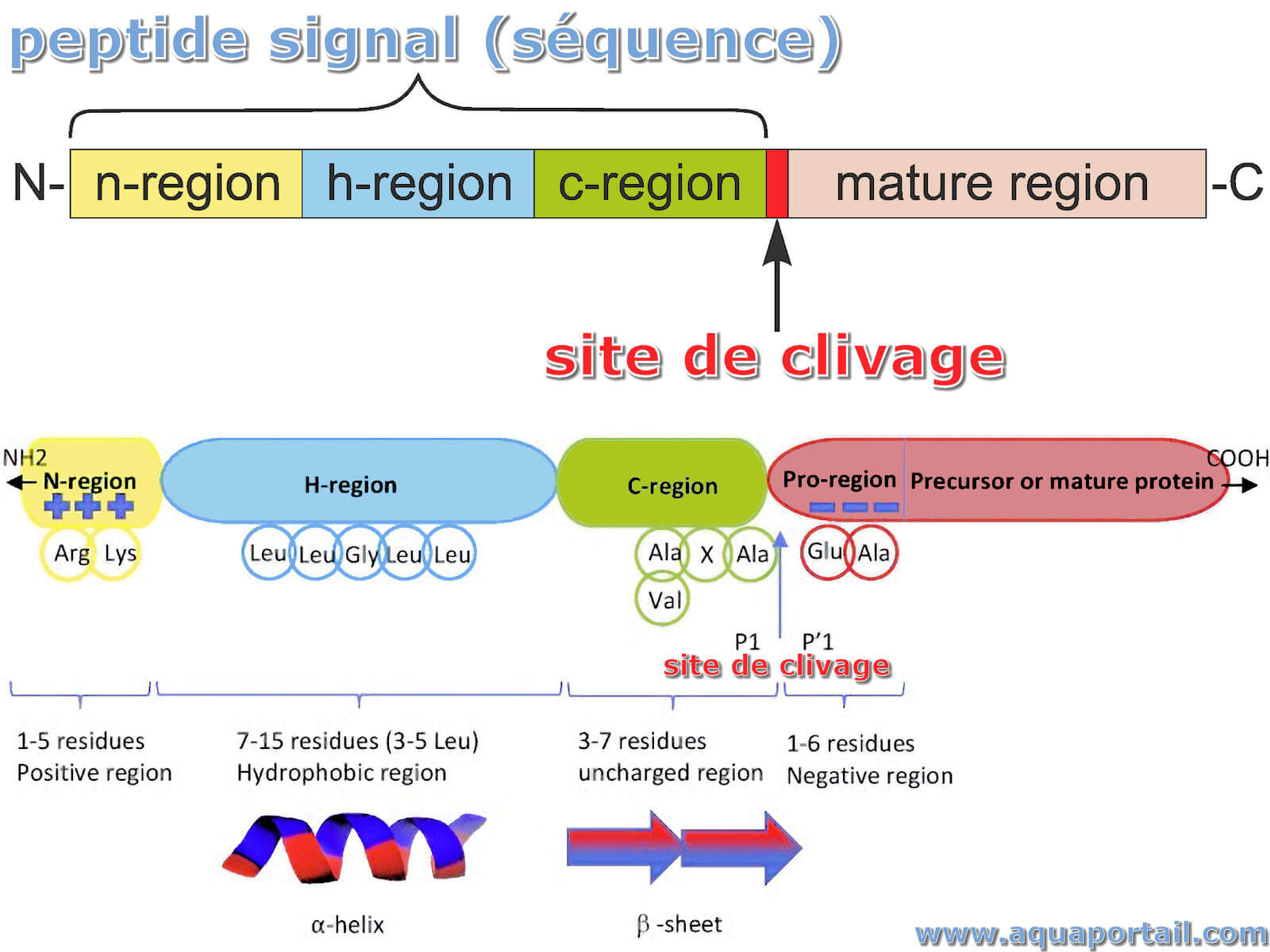
A signal peptide is a short peptide located at the N-terminus of a protein, carrying information for protein secretion.
Simple summary
Peptidoglycan is a complex polymer that forms a protective layer in the cell wall of most bacteria. It is composed of sugars and amino acids forming a mesh-like structure that provides structural support and shape to the bacterial cell. This layer also maintains cell integrity and protects against environmental stresses.
