Lipoprotein
noun (n.)
Definition
Lipoproteins are spherical, water-soluble macromolecular complexes composed of proteins and lipids that transport fats in bulk throughout the body. Many enzymes, antigens, and toxins are lipoproteins.
Structure of a chylomicron lipoprotein:

The structure of a lipoprotein (chylomicron) shows the apolipoproteins ApoA, ApoB, ApoC, ApoE, triacylglycerols T, cholesterol C, and phospholipids (in green).
Explanations
A lipoprotein is a heteroprotein comprising a lipid moiety associated with a protein moiety. plasma lipoproteins are spherical, water-soluble particles formed by a core of nonpolar lipids (esterified cholesterol and triglycerides) surrounded by a 2 nm polar outer monolayer composed of apolipoproteins, phospholipids, and free cholesterol.
Types
The apolipoproteins of lipoproteins serve, among other functions, to stabilize lipid molecules such as triglycerides, phospholipids, and cholesterol in an aqueous environment like blood. They act like a detergent and also serve as markers identifying the specific lipoprotein type. Cellular lipoprotein receptors can thus recognize different lipoprotein classes, directing and regulating their metabolism.
This complex results from the association of proteins with lipids and circulates in the extracellular medium. It is the transport form of glycerides and cholesterol in the body. Lipoproteins are classified into distinct groups according to increasing density and protein content (values are given for a healthy adult weighing about 70 kg / 154 lb):
- chylomicrons (density below 0.95 g/mL)
- very-low-density lipoproteins (VLDL, 0.95 to 1.006 g/mL), synthesized in the liver from lipids and cholesterol; genetic deficiency causes hypolipoproteinemia or abetalipoproteinemia
- intermediate-density lipoproteins (IDL, 1.006 to 1.019 g/mL)
- low-density lipoproteins (LDL, 1.019 to 1.063 g/mL), the primary form transporting cholesterol to tissues
- high-density lipoproteins (HDL, above 1.063 g/mL), which carry cholesterol derived from cell and membrane turnover back to the liver.
Each lipoprotein class has a characteristic composition and proportion of apolipoproteins.
For a lipase, see also lipoprotein lipase.
Structure
Lipoproteins are spherical molecular aggregates surrounded by a layer approximately 20 Å thick formed by amphiphilic lipids, such as unesterified cholesterol and phosphatidylcholines, within which apolipoproteins are embedded. These molecules orient their hydrophobic nonpolar regions inward and their hydrophilic charged groups outward, where they interact with water.
Because fats cannot dissolve in an aqueous medium (they are hydrophobic) due to their nonpolar nature, they require coat proteins to expose only polar domains at the surface and thereby solubilize lipids in plasma.
Chylomicrons
Chylomicrons are large spherical particles that transport dietary triglycerides from intestinal absorption to tissues via lymph and blood. Apolipoproteins bind and stabilize fat particles in an aqueous environment such as blood, acting as emulsifying agents. Cellular lipoprotein receptors can thereby identify the different types of lipoproteins and regulate their metabolism.
Very-low-density lipoproteins (VLDL)
Very-low-density lipoproteins, also called VLDL, are precursor lipoproteins composed mainly of triacylglycerols and cholesteryl esters synthesized in the liver; in the capillaries of extrahepatic tissues (adipose tissue, mammary gland, muscles, adrenal glands), they are hydrolyzed by the enzyme lipoprotein lipase, which releases triacylglycerols and converts them into free fatty acids.
In adipose tissue, this enzyme exhibits a high Km and is regulated by insulin. The product of this enzymatic action is an IDL, which subsequently, as its relative cholesterol concentration increases, becomes an LDL.
Low-density lipoproteins (LDL)
Low-density lipoproteins (LDL) are cholesterol-carrying lipoproteins derived from the catabolism of VLDL and IDL via hepatic lipase (HTGL), which hydrolyzes triglycerides in VLDL/IDL molecules and converts them into LDL. LDLs have a simple structure with a cholesteryl ester core and an outer shell bearing apolipoprotein B100. This apoprotein enables recognition by the LDL receptor in peripheral tissues. LDL particles transport cholesterol from the liver to other tissues, such as steroid-synthesizing tissues, lymphocytes, kidneys, and hepatocytes themselves. Excess LDL particles not taken up by peripheral tissues become oxidized and are engulfed by scavenger receptors of the mononuclear phagocyte system (macrophages).
Cholesterol circulates predominantly in LDL particles; when elevated, these particles deposit in the arterial intima where they are retained, particularly at sites of hemodynamic turbulence (such as arterial bifurcations). There, retained particles undergo oxidation. Oxidized LDLs promote inflammatory processes and attract macrophages that engulf oxidized LDLs and transform into foam cells, initiating atherosclerotic plaque formation.
Atherosclerosis is a serious cardiovascular risk factor. Consequently, LDLs are commonly called "bad cholesterol", although this label is overly simplistic since they perform an essential physiological role under normal conditions.
High-density lipoproteins (HDL)
High-density lipoproteins (HDL) are a class of lipoproteins that transport cholesterol from peripheral tissues back to the liver. HDLs are the smallest and densest lipoproteins and contain a high proportion of apolipoproteins. The liver and intestine synthesize these lipoproteins as lipid-poor discoidal particles, and after collecting cholesterol, they expand into spherical particles as they circulate in the bloodstream.
✅ Men generally have significantly lower HDL levels than women.
HDL is commonly referred to as "good cholesterol", creating the simplistic impression that high levels alone prevent disease (see the section "Good cholesterol vs. bad cholesterol" below).
Although epidemiological studies show that high HDL concentrations (above 60 mg/dL) are associated with lower cardiovascular risk (ischemic heart disease and myocardial infarction) and, conversely, low HDL concentrations (below 35 mg/dL) correlate with increased risk, clinical trials have not shown that artificially raising HDL alone confers protection. HDL levels therefore reveal little when interpreted in isolation.
Good cholesterol vs. bad cholesterol
HDL is known as good cholesterol because it can remove excess cholesterol from arterial walls and return it to the liver for excretion (the reverse cholesterol transport pathway), in contrast to LDL, called bad cholesterol.
However, this is an extreme oversimplification of the true function of lipoproteins and their physiological roles, which are far more complex, so this popular way of labeling HDL and LDL is not strictly accurate scientifically and fosters the misconception that one is purely beneficial (HDL) and the other purely harmful (LDL).
According to current clinical studies, more informative lipoprotein markers for assessing cardiovascular risk include the LDL-c/HDL-c ratio (cholesterol carried in LDL divided by cholesterol carried in HDL) and LDL-p, which measures the number of LDL particles per unit volume of blood.
Synonyms, antonyms
Spanish translation: lipoproteína
0 synonyms (similar meaning) for "lipoprotein".
0 antonyms (opposite meaning).
Related words and expressions to LIPOPROTEIN are directly connected by general or specific meaning.
The word LIPOPROTEIN is listed on page 1 of words starting with L in the dictionary glossary.
Related to "lipoprotein"
lipophenol
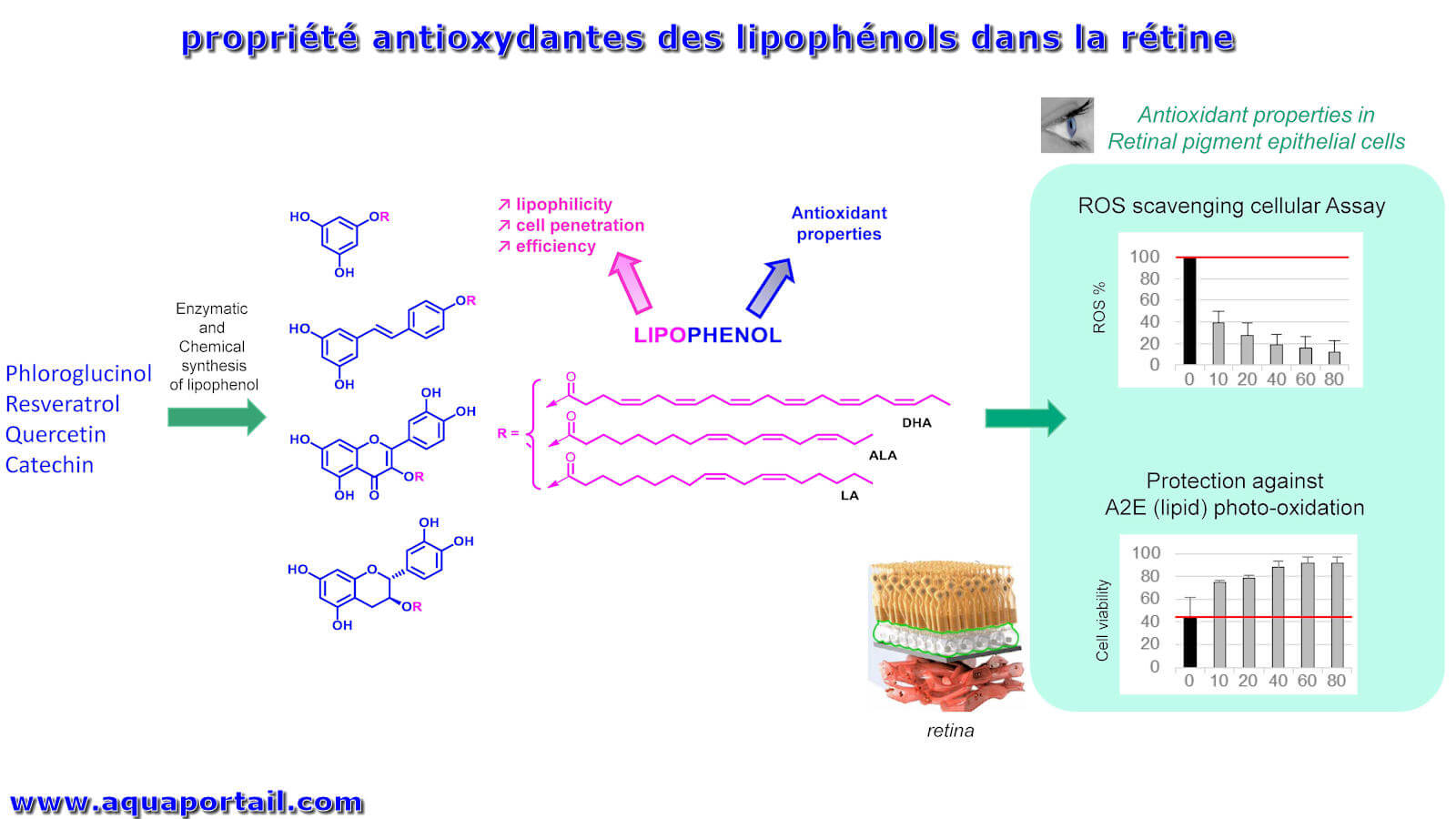
Lipophenol (or phenolipid) is a natural compound, generally plant-derived, that has the ability to block the accumulation of intracellular reactive oxygen...
lipophilic
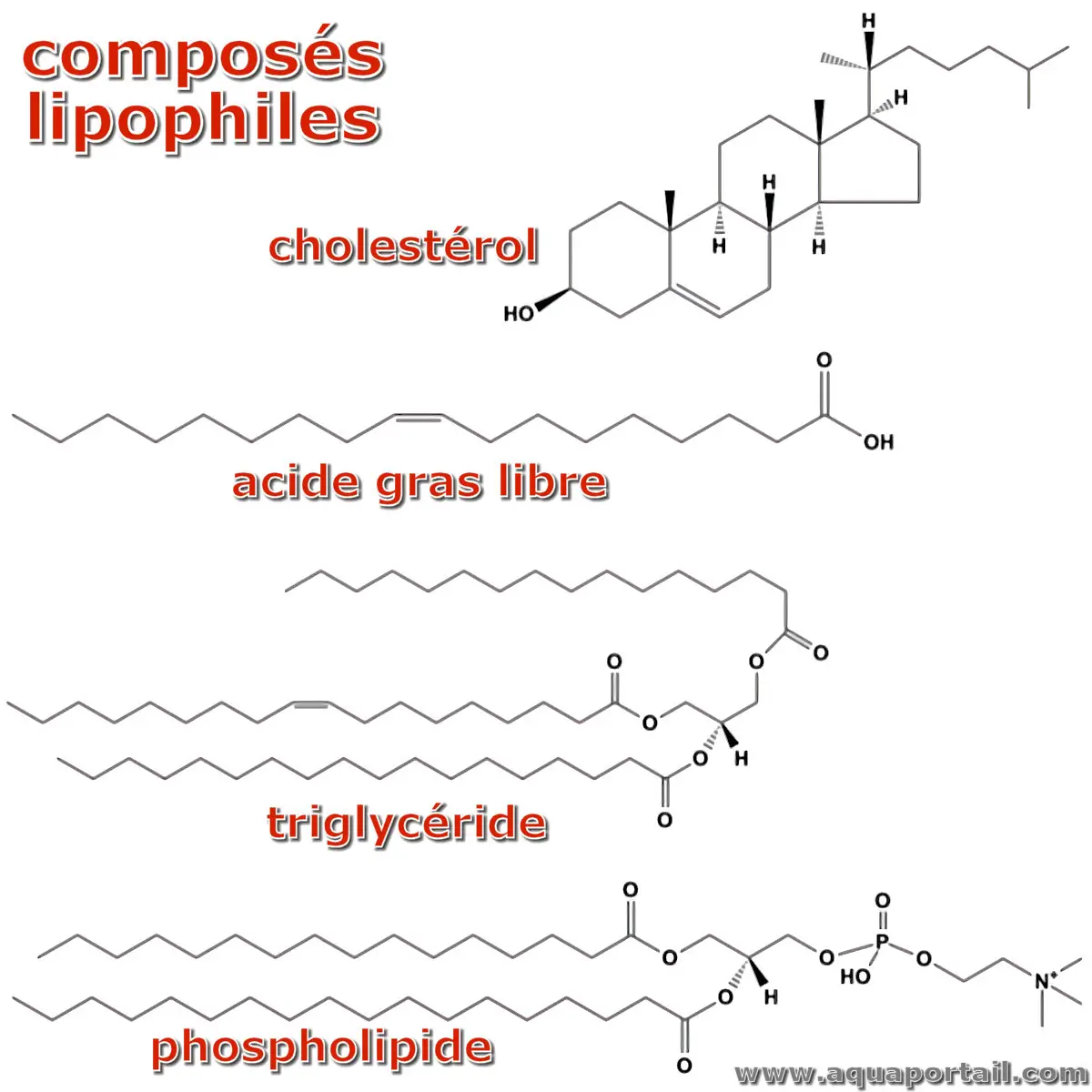
A lipophilic molecule has an affinity for lipids and fats, being hydrophobic. Any substance that tends to combine with or dissolve in lipids or fats...
biliprotein

A biliprotein is a protein whose prosthetic group is a tetrapyrrole chain. The best-known phycobiliproteins derived from biliproteins are phycoerythrin...
glycoprotein

A glycoprotein is a heteroprotein consisting of a peptide moiety covalently linked to a carbohydrate moiety.
