Lipophilic
adjective (adj.)
Definition
A lipophilic molecule has an affinity for lipids and fats, being hydrophobic. Any substance that tends to combine with or dissolve in lipids or fats is lipophilic.
Lipophilic compounds:
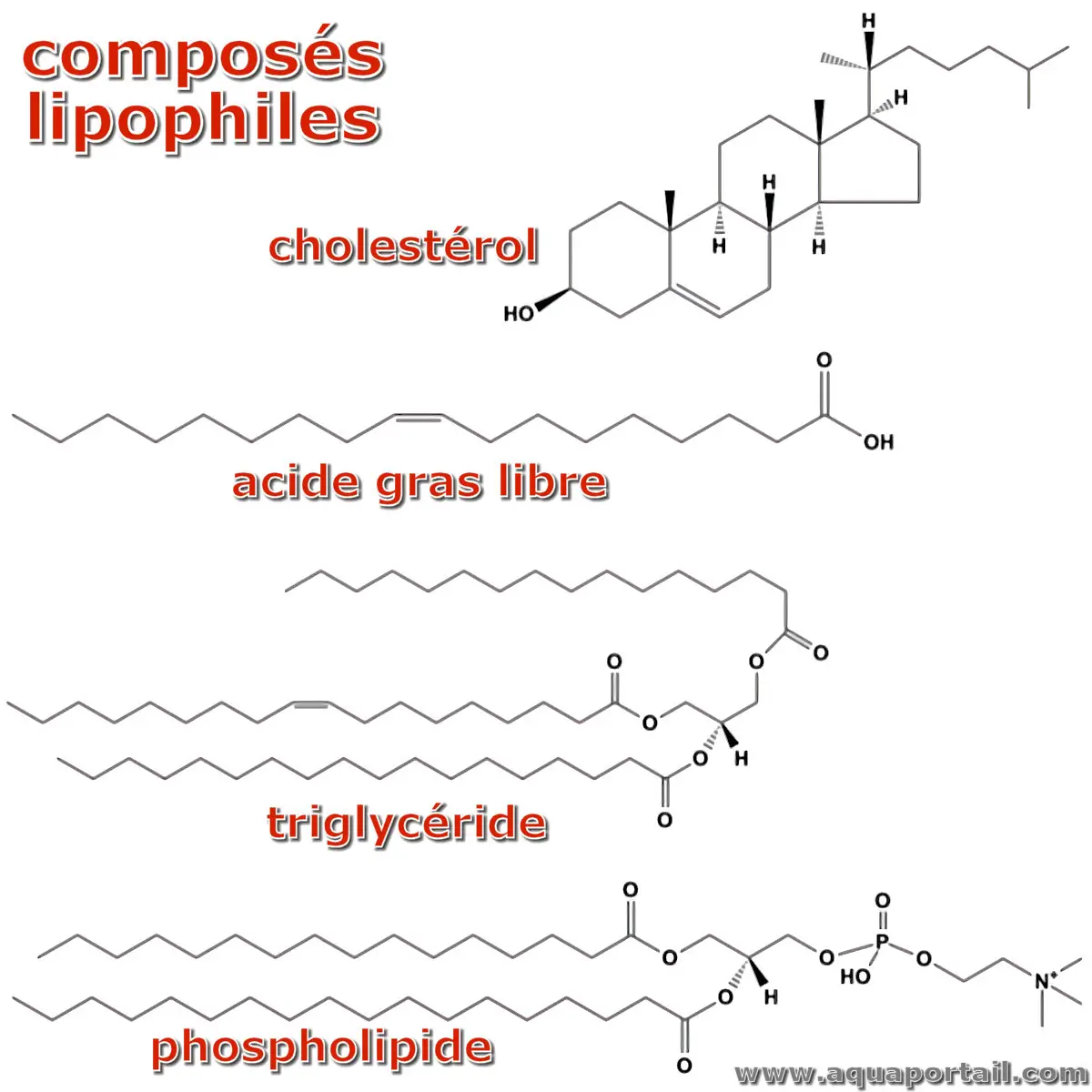
4 lipophilic compounds (2D structures): cholesterol, free fatty acid, triglyceride, phospholipid.
Explanations
In a solution or colloid, lipophilic particles tend to approach and remain in contact with lipids. A lipophilic substance can dissolve in fats, oils, lipids, and non-polar solvents such as hexane or toluene. These non-polar solvents are themselves lipophilic, or fat-soluble.
Many lipophilic substances (e.g., fat-soluble vitamins, cholesterol, triglycerides) are essential to life. The body must therefore absorb and transport them efficiently to their target. However, body fluid is predominantly hydrophilic; thus, these substances cannot dissolve in it directly. Consequently, the body uses "carriers" that can bind to lipophilic substances and transport them to their target.
Certain proteins, called lipoproteins such as lipoprotein lipase, are lipophilic. Dissolution, within the concept of lipophilicity, is referred to as the lipid phase.
Lipophilic substances tend to dissolve in other lipophilic substances, whereas hydrophilic substances tend to dissolve in water and other hydrophilic substances. See also amphiphilic.
A lipophilic compound is the opposite, the antonym, of a lipophobic compound (see lipophobicity).
For example, soaps have one part of the molecule that is hydrophilic (and in turn lipophobic) and another part that is lipophilic (and in turn hydrophobic).
Synonyms, antonyms
Spanish translation: lipófilo
2 synonyms (similar meaning) for "lipophilic":
2 antonyms (opposite meaning):
Related words and expressions to LIPOPHILIC are directly connected by general or specific meaning.
The word LIPOPHILIC is listed on page 1 of words starting with L in the dictionary glossary.
Related to "lipophilic"
lipophenol
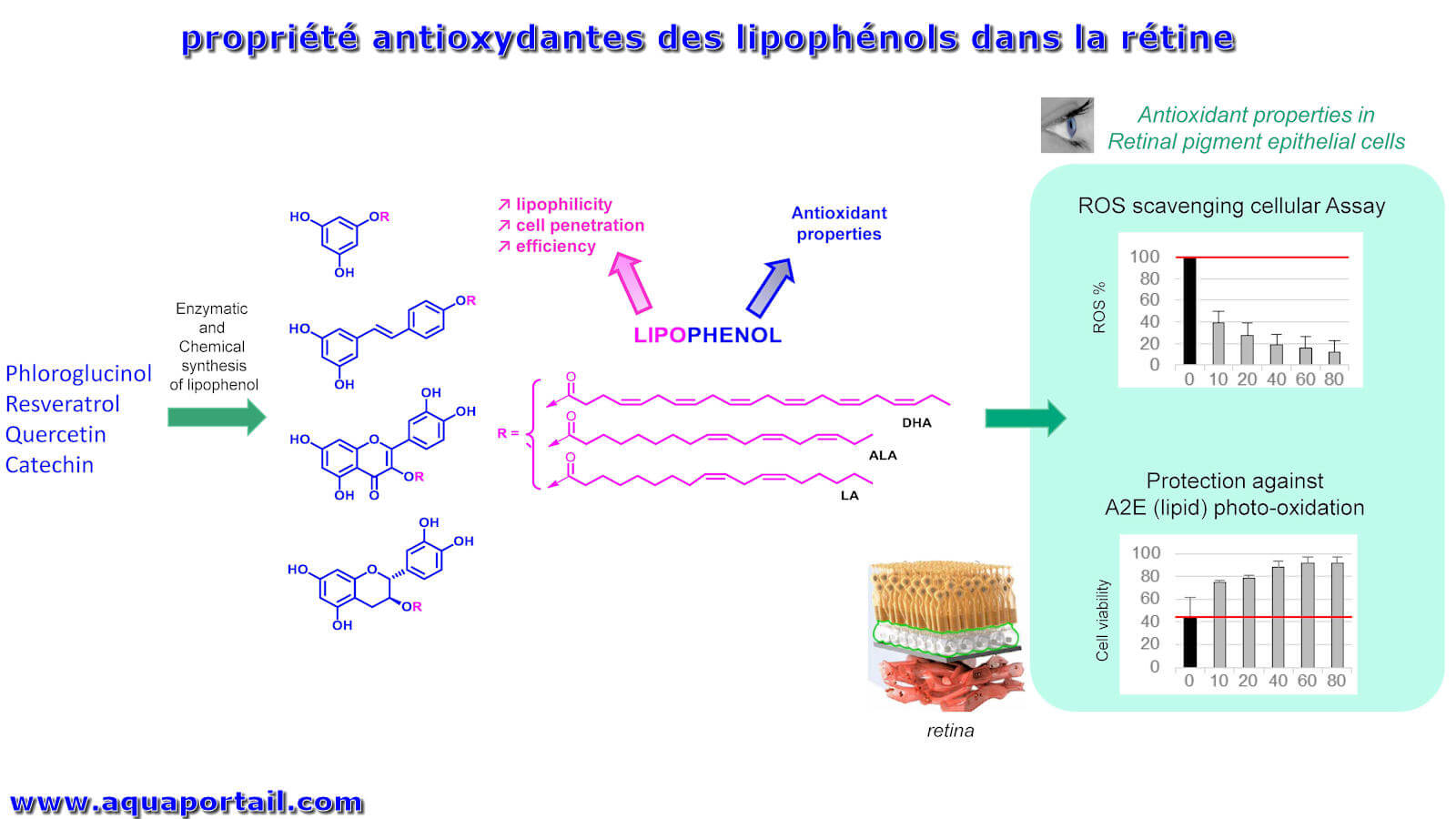
Lipophenol (or phenolipid) is a natural compound, generally plant-derived, that has the ability to block the accumulation of intracellular reactive oxygen...
lipoprotein

Lipoproteins are spherical, water-soluble macromolecular complexes composed of proteins and lipids that transport fats in bulk throughout the body.
osmiophilic
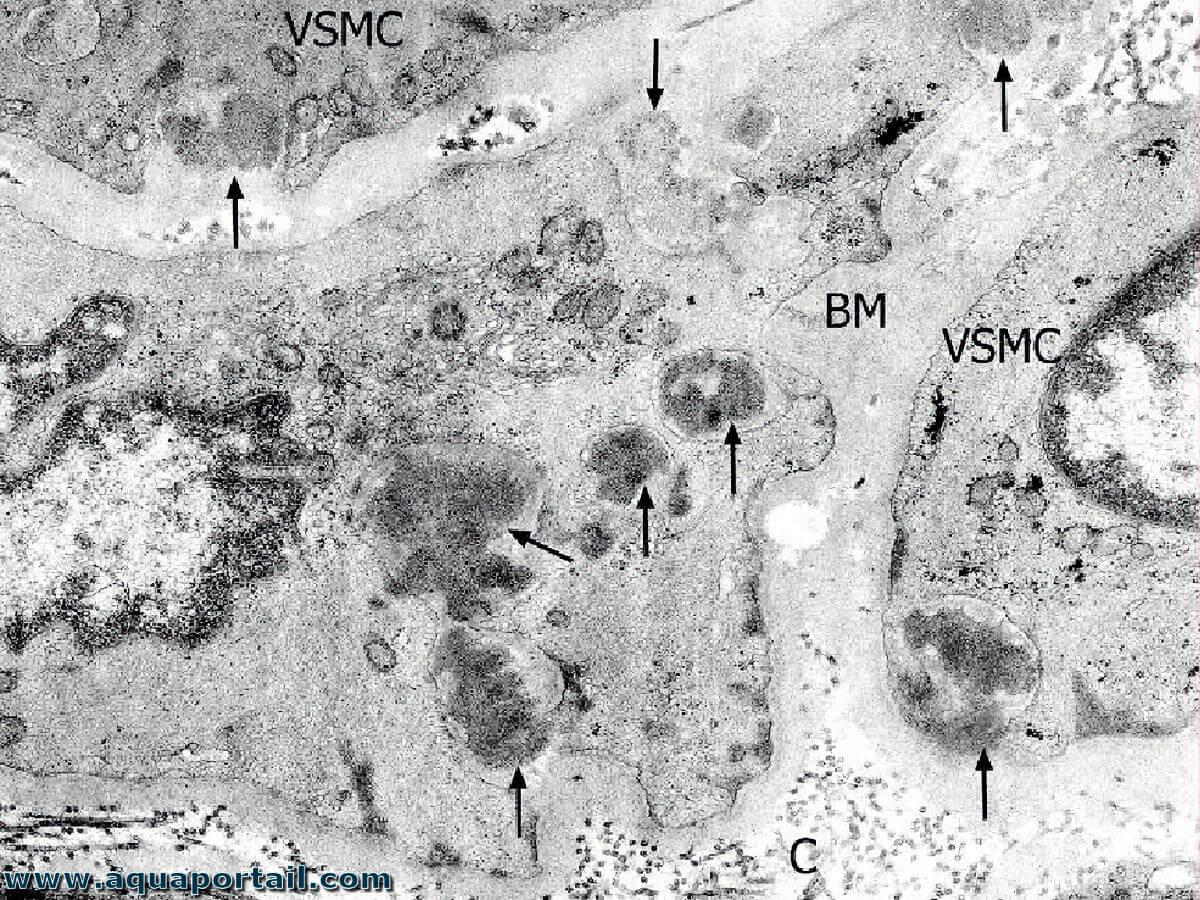
An osmiophilic compound describes a structure or compounds that bind osmic acid or osmium tetroxide in the case of biological membranes and appear dark...
L-form bacteria
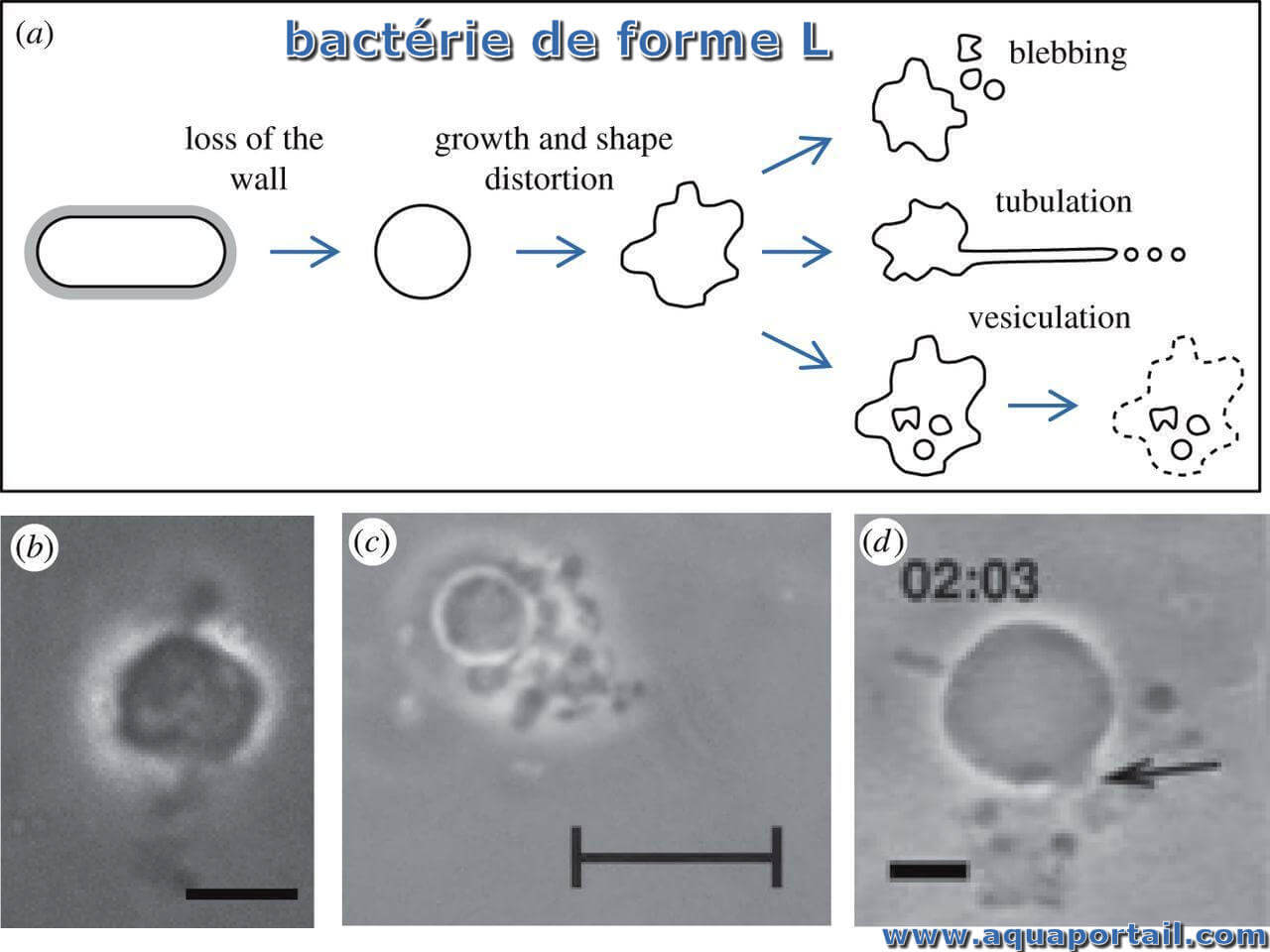
L-form bacteria originate from a strain of bacteria that lack cell walls while retaining the ability to grow.
