Saurian
noun and adjective (n. / adj.)
Definition
A saurian is a reptile-like animal fairly similar to a lizard. Size varies from a few centimeters (about an inch) to over one meter (3.3 ft) from head to tail.
Under the suborder Lacertilia, saurians group together most living reptiles such as monitor lizards, iguanas, chameleons, lizards, geckos, and certain very remarkable fossil forms, such as the mosasaurs of the Late Cretaceous.
The desert iguana is a saurian:

Usually, a saurian has four legs for terrestrial or arboreal forms (illustrated here by the species Dipsosaurus dorsalis), though snake-like forms experience atrophy of the locomotor limbs; these atrophied limbs are sometimes even absent.
Explanations
Along with the suborders of snakes and blind worm lizards, the more than 6,200 species of saurians form the order Squamata. The name Saurians (Sauria) is now applied to the largest clade of reptiles that includes most diapsids.
The words saurian and dinosaur (which features the Greek root sauros, literally "lizard") share the same etymology.
Most saurians have a system of movable eyelids (with the notable exception of many geckos). Sizes vary widely, ranging from a few centimeters (about an inch) for geckos up to about 3 meters (9.8 ft) for the Komodo dragon.
Biology
Certain snake-like saurian species lack functional legs, despite skeletal traces of limbs. These species are distinguished from true snakes by the presence of tympanic openings and eyelids. Their body is long and well-developed with a tail.
Saurians (lizards) of the infraorder Scincomorpha often have iridescent colors that appear glossy and wet. Yet like other saurians, they have dry skin, generally preferring to avoid water (although all saurians can swim if necessary).
Many saurians can change color in response to their environment or in case of danger. The most typical example is the chameleon, though more subtle color changes can also occur in other saurian species.
⛔ The crocodile is not a saurian in the strict sense (of lizards) but belongs to the Archosaurs. Likewise, turtles are excluded from the group.
Certain species are able to break off and detach their tails, through autotomy, when in danger or captured by a predator. This autotomy feature is due to the presence of specialized fracture planes in the caudal vertebrae.
After autotomy, the tail regenerates, though the new growth is not identical to the lost portion; indeed, vertebrae cannot be regenerated and are replaced by an unsegmented cartilaginous tube.
Saurians usually feed on insects or rodents, and small mammals or birds suited to their size. A few species are omnivorous and can also eat plants.
Among the few venomous genera is Heloderma, which includes the species Heloderma suspectum (Gila monster) and Heloderma horridum (beaded lizard). These species live in western Mexico and southern Texas, and have two venom glands in the jaw.
However, in 2009, it was demonstrated that the Komodo dragon is also venomous, following the discovery of a pair of venom glands in its lower jaw. Yet the exact role of the venom after a bite remains under investigation.
Most saurians are active during the day and rest at night. Geckos, however, are generally active from dusk to dawn. Different types of lizards move in different ways.
Most run on four legs, though some run faster on their hind legs, simply lifting the front of the body. Legless saurians move in the same manner as snakes.
Reproduction
Most saurians are oviparous in their sexual reproduction: they lay eggs, although a few species retain eggs with internal gestation; these are then ovoviviparous (or viviparous) species.
The breeding season of saurians falls in late spring, when temperatures are favorable for the full activity of these species. The female lays 3 to 8 eggs in ground depressions she digs with her forelegs, while pushing back the excavated earth using her hind legs.
The eggs are small and whitish and the shell is parchment-like, not rigid as in chelonians and birds, for example. The young break the shell with a horny outgrowth, called an egg tooth, located at the tip of the snout and reabsorbed immediately after birth.
Distribution and habitat
Species of the suborder Lacertilia are present almost everywhere in the world, except in the far north of North America and the far north of Asia.
Most species prefer humid tropical and subtropical habitats, though certain species live in more temperate zones or have adapted to arid and semi-arid environments.
Saurians are ectothermic (cold-blooded) animals. That is why most of them seek warm places to live. Many species inhabit humid tropical regions or dry deserts.
Saurians live underground, on the ground, or in trees and plants. Some species spend part of their time in water.
Etymological origin
The term "saurians" was coined in 1800 by Alexandre Brongniart (and adopted in German by Lorenz Oken in 1816). In the third part of his work on natural history, Oken used it as an alternative name for his order "furrowed reptiles" (Furchenlurche), which encompassed both crocodiles and numerous species that, in classical systematics still in use, are grouped under the name "Lacertilia" (lizards in the narrow sense).
Confusingly, the name "Sauria" is also used as a synonym for "Lacertilia", so that one can recognize only from context or the respective author which taxon is intended. From a cladistic perspective, saurians in the Linnaean systematic sense form a paraphyletic group.
Synonyms, antonyms
Spanish translation: saurio
2 synonyms (similar meaning) for "saurian":
0 antonyms (opposite meaning).
Related words and expressions to SAURIAN are directly connected by general or specific meaning.
The word SAURIAN is listed on page 1 of words starting with S in the dictionary glossary.
Related to "saurian"
lizard
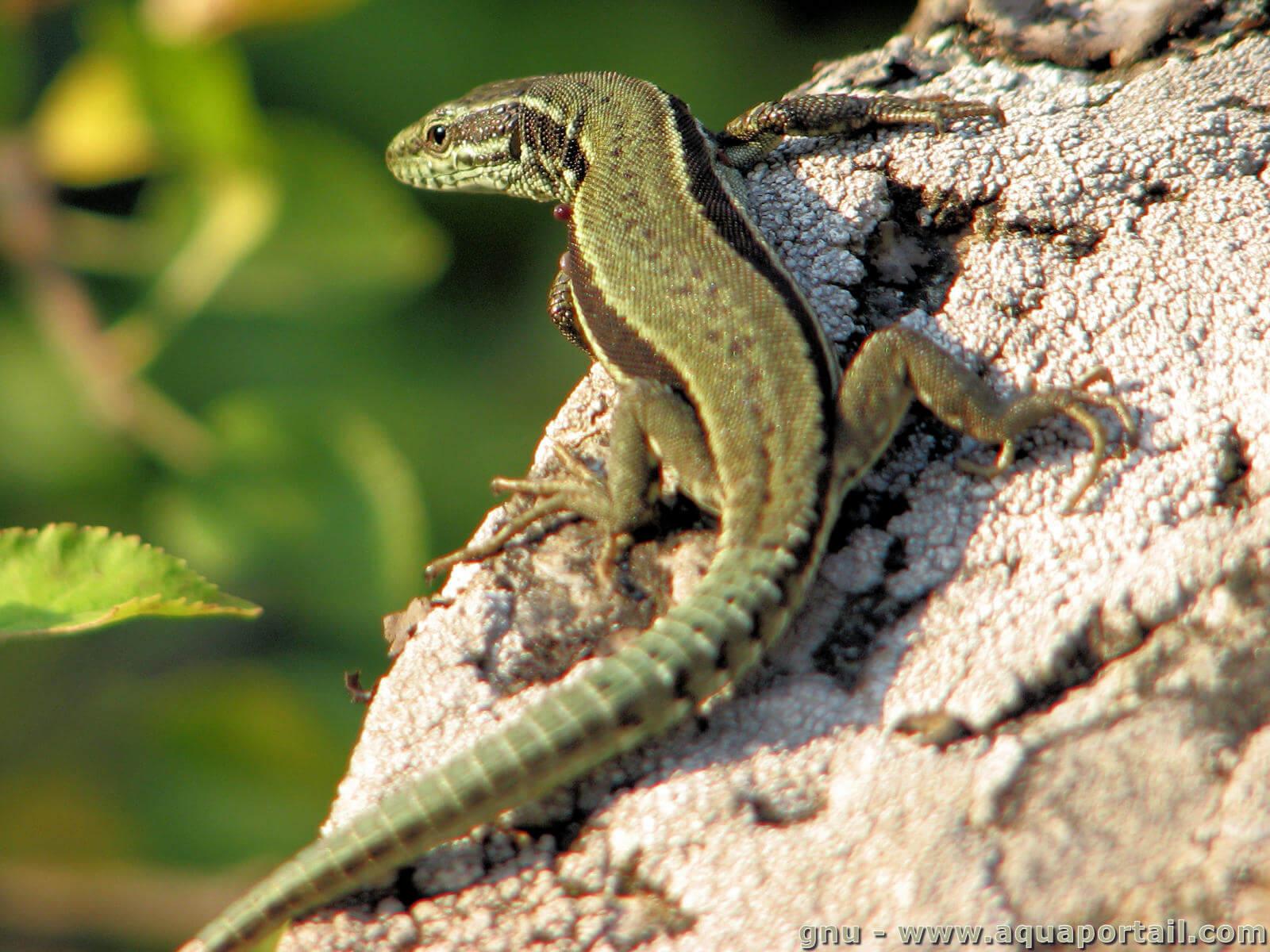
A lizard names certain or all species of certain genera of the families Lacertidae and Gekkonidae among squamate reptiles.
reptile

A reptile is a tetrapod vertebrate whose skin is covered with a keratinized epidermis forming scales.
saccharide
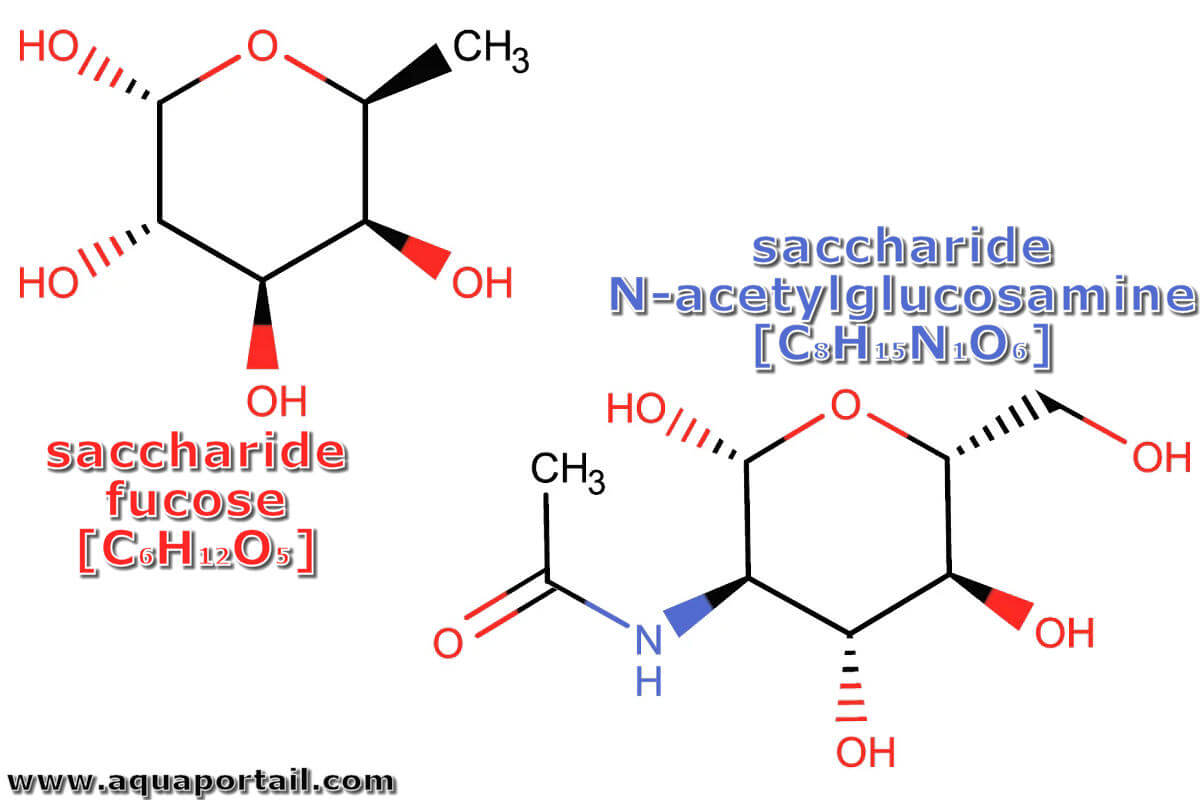
A saccharide is a carbohydrate, a biomolecule composed of carbon, hydrogen, and oxygen atoms, usually with a hydrogen-to-oxygen atomic ratio of 2 :1.
sagittocyst

A sagittocyst is a capsule containing a spindle-shaped needle produced by epidermal cells of certain flatworms (acoels).
