Kinesis
noun (n.)
Definition
Kinesis is an unoriented movement (to be distinguished from taxis or tropism), sometimes accompanied by a change in locomotor activity. It constitutes a mechanism allowing the modulation of non-directional movement in a living organism. The organism's activity increases or decreases depending on the intensity of an environmental stimulus, such as exposure to a gas, light intensity, or ambient temperature. If the stimulus is chemical, it is chemokinesis; if it alters the frequency of directional changes, it is klinokinesis (and thigmokinesis if related to touch).The kinesis of a woodlouse:

The kinesis, or activity, of woodlice (here the species Oniscus asellus) decreases as humidity increases. A woodlouse's locomotion is related to humidity. With increasing humidity, the percentage of time during which woodlice remain stationary increases.
Explanations
It is important to understand that, unlike taxes, kinesis is not a directional movement and therefore represents the most elementary level of behavioral movement control. Unlike taxes, the response to the given stimulus is non-directional. The organism does not orient toward or away from the stimulus source, but moves slowly or rapidly depending on its "comfort zone". In this case, rapid (unoriented) movement means the animal is seeking to leave an unfavorable zone, whereas slow movement indicates it has found its comfort zone.
For example, woodlice exhibit less activity in humid environments than in dry environments, which actually means they are more likely to congregate in a humid environment (simply because they slow down there and do not flee).
⭐ Among other things, the term "kinesis" LED to the term kinematics in physics. The ethology of kinesis indicates one of the most elementary mechanisms, causing an animal to remain longer in a favorable environment than in an unfavorable one.
Akinesia
Conversely, akinesia refers to a very low or absent degree of physical activity extending to immobility. In neurology, it is one of the main symptoms of Parkinson's disease.
Orthokinesis
Orthokinesis is a movement in which the individual's speed of locomotion depends on the intensity of the stimulus.
Chemokinesis
Chemokinesis is a kinesis, a non-directional, unoriented movement (unlike chemotactism and chemotaxis) of a cell or gamete under the action of a chemical attractant.
Chemokinesis is the motor response of unicellular organisms, eukaryotic or prokaryotic, to chemical substances that cause the cell to alter its migratory or swimming behavior. Changes involve an increase or decrease in speed, alterations in the frequency or amplitude of turns, and direction.
However, unlike chemotaxis, it generally exhibits a random, non-vectorial trajectory. Because of this random nature, techniques for evaluating chemokinesis differ in part from those used in chemotaxis research. One of the most valuable tools for measuring chemokinesis is computer-assisted image analysis (see ImageJ) and checkerboard analysis, which provides data on the migration of identical cells.
Klinokinesis
Klinokinesis, or chemo-thigmo-klinokinesis, is a kinesis in which the frequency of directional changes depends on stimulus intensity; in certain gametes, it corresponds to movement under the action of a chemical attractant, initially non-directional, then exhibiting a touch reaction following a periodically inclined and increasingly tight trajectory near an object. See also chemokinesis. The etymology of this word is based on the Arabic word al-kimiyâ (which gave rise, according to the Robert dictionary, to Medieval Latin alchimia and then chimia), as well as the Greek roots thigmatos, touch, klino, incline, and kinêsis, movement.
Synonyms, antonyms
Spanish translation: quinesia
1 synonym (similar meaning) for "kinesis":
1 antonym (opposite meaning):
Related words and expressions to KINESIS are directly connected by general or specific meaning.
The word KINESIS is listed on page 1 of words starting with K in the dictionary glossary.
Related to "kinesis"
gametogenesis

Gametogenesis is the process by which cells undergo meiosis to form haploid gametes. It takes place in the gonads (female ovaries or male testes).
lipogenesis

Lipogenesis is the biosynthesis of fatty acids (lipids) and triglycerides from non-lipid precursors such as glucose or other substrates.
megasporogenesis
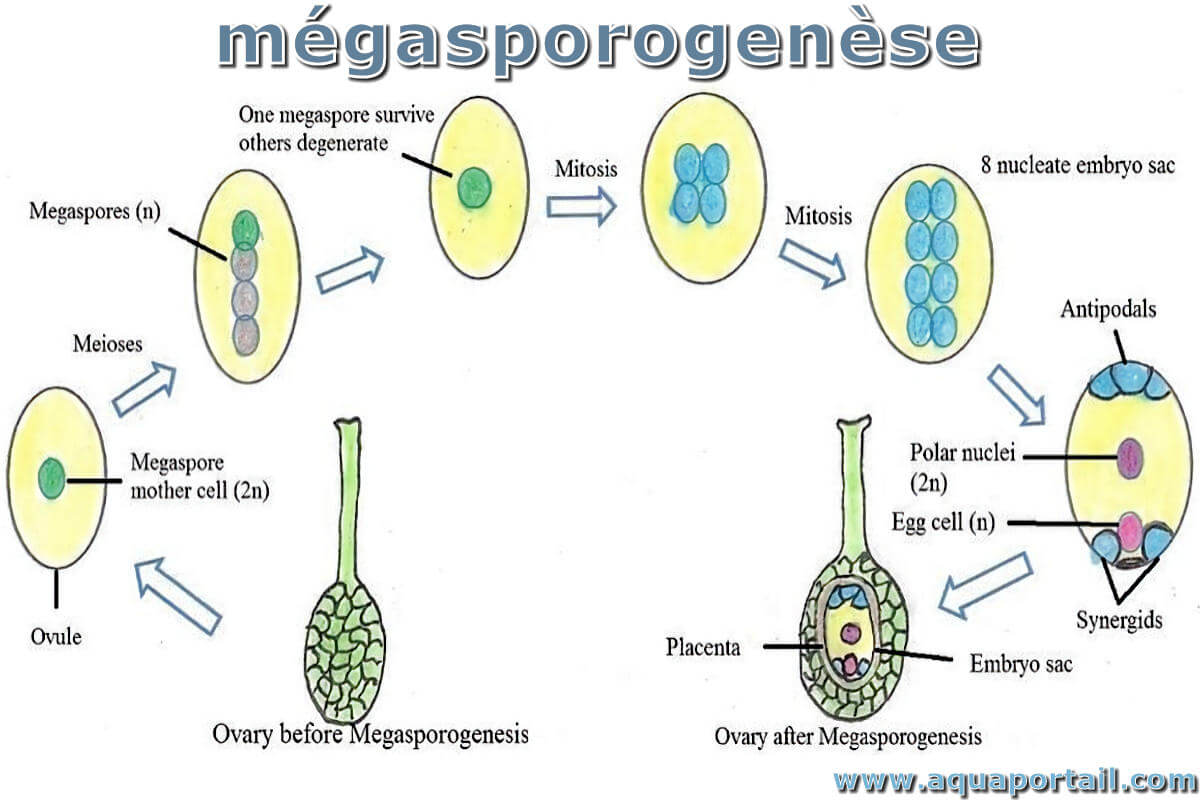
Megasporogenesis is the process of development of a megaspore from a megasporocyte mother cell.
methanogenesis
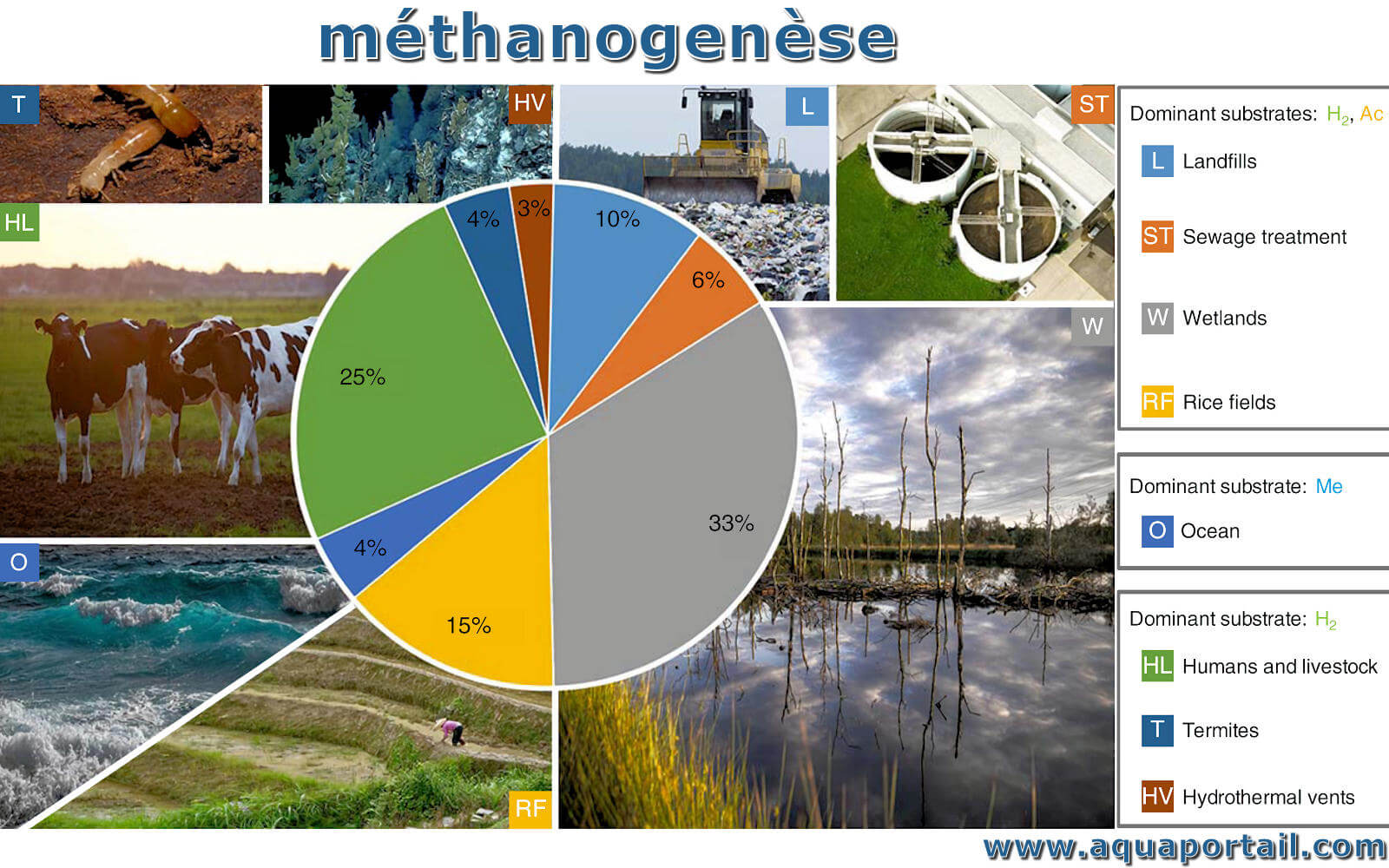
Methanogenesis, or biomethanation, is the formation of methane by methanogenic archaea. It occurs when biomass is decomposed by these microorganisms under...
