Kilogram
noun (n.)
Definition
The kilogram (abbreviated as kg) is the SI unit of mass equal to 1,000 grams, corresponding to the exact value of 1 liter (0.264 gal, or 1 cubic decimeter) of pure water at 4 °C (39.2 °F).
The prefix kilo (symbol k) denotes one thousand (1,000) of a unit. The kilogram is the only unit in the metric International System of Units that includes a prefix, with the gram serving as a subunit.
The gram and its multiples:

The gram, like all other SI units, is used with its multiples and submultiples (kilogram = kg, petagram = Pg, milligram = mg, etc.).
Explanations
The metric kilogram is equivalent to approximately 2.205 lb (1 pound = 453.59237 g, or 16 oz), or ≈4.595 × 10⁷ mP (Planck mass unit constant, which is the mass of a Planck particle, or 21.76 µg (micrograms)).
The gram entered the French metric system on August 1, 1793, defined as the mass of one cubic centimeter (1.0 × 10⁻⁶ m3) of water at a temperature of 3.98 °C (39.16 °F) at standard atmospheric pressure. This particular temperature was chosen because water reaches its maximum density at that point. On April 7, 1795, the kilogram appeared as its multiple (1 kg = 1,000 g). The inverse multiple of the kilogram (103 g) is the milligram (10-3 g).
✅ 1 myriagram = 10 kg (22.05 lb); 1 quintal = 100 kg (220.46 lb); 1 metric ton (megagram) = 1,000 kg (2,204.62 lb). These terms are not recognized within the SI system.
1 kilogram (measuring weight):

Before 2019, the kilogram was the last measurement standard in the International System of Units still based on a physical object: a single cylinder of platinum and iridium the size of a golf ball kept in a vault just outside Paris.
The 26th General Conference on Weights and Measures, held in Versailles from November 13 to 16, 2018, introduced a new definition, as for the other SI base units, effective May 20, 2019: the kilogram refers to a physical constant, specifically the Planck constant via a measurement using the Kibble-watt balance.
Until May 20, 2019, the kilogram was defined as the mass of a specific cylinder with a height and diameter of 4 cm (1.57 in) made of a platinum-iridium alloy housed at the International Bureau of Weights and Measures in Sèvres, France, also known as the International prototype.
The kilogram is the only SI unit of measurement that, until May 20, 2019, remained defined in relation to an artifact rather than a physical property. In other words, it still followed the approach typical of a technical system.
Synonyms, antonyms
Spanish translation: kilogramo
1 synonym (similar meaning) for "kilogram":
1 antonym (opposite meaning):
Related words and expressions to KILOGRAM are directly connected by general or specific meaning.
The word KILOGRAM is listed on page 1 of words starting with K in the dictionary glossary.
Related to "kilogram"
tongue

In anatomy, the tongue is a muscular organ located in the oropharynx and oral cavity (mouth) of most vertebrates.
kelp

Kelp is a large brown seaweed of the order Laminariales within the class Phaeophyceae. Kelps are seaweeds encompassing several dozen species across seven...
kidney
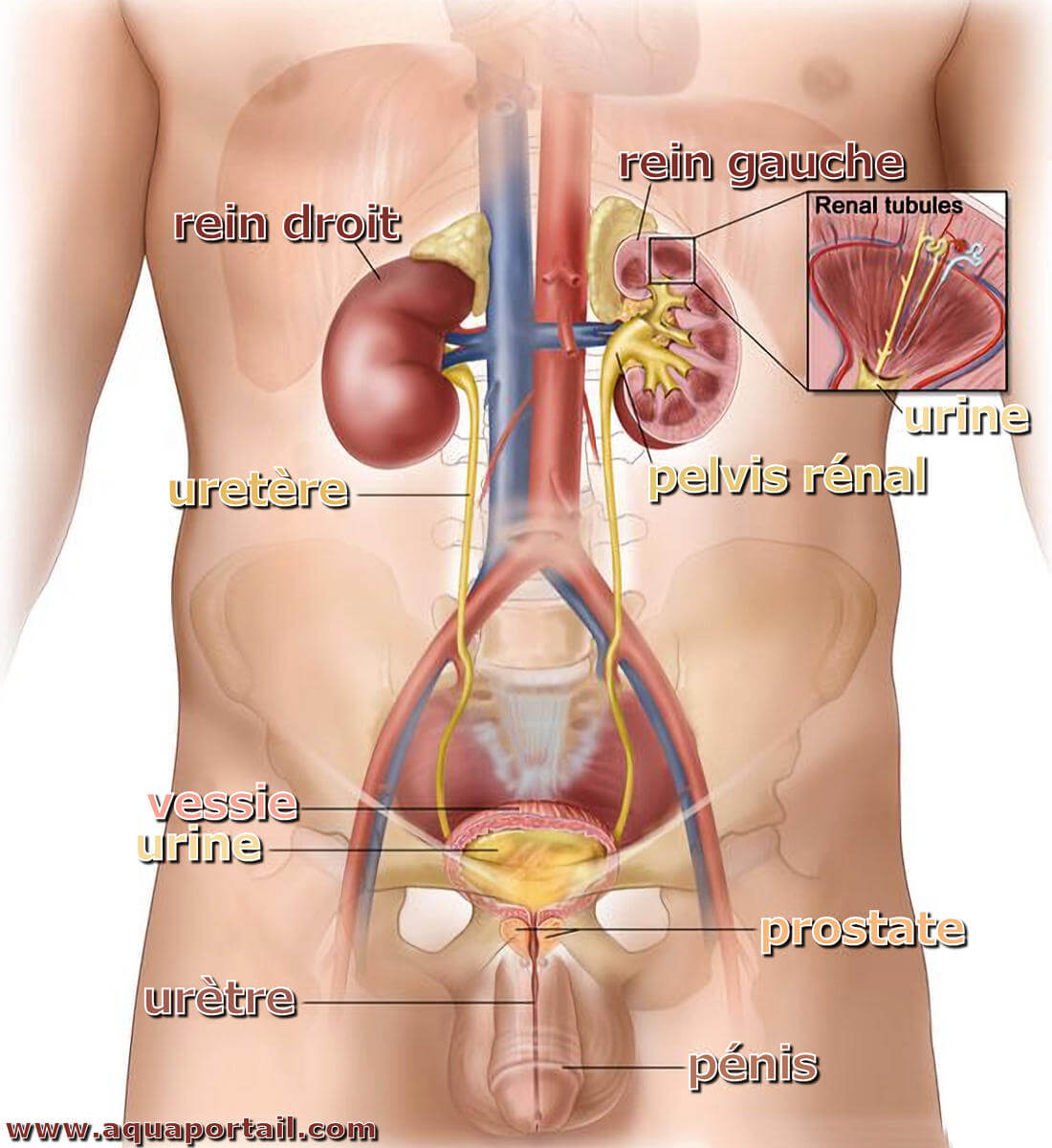
A kidney is one of two bean-shaped, fist-sized organs in the abdomen. A kidney is responsible for removing waste products and excess water from the blood...
kieselguhr

Kieselguhr is a German term referring to certain diatoms, particularly diatomaceous celite, a form of diatomite derived from diatomaceous earth.
