Mixotroph
noun and adjective (n. / adj.)
Definition
A mixotroph designates an organism capable of feeding through both autotrophy (photosynthesis, chemosynthesis) and heterotrophy (absorption or ingestion of food). Mixotrophs can be eukaryotic or prokaryotic.
Mixotrophic ciliates:
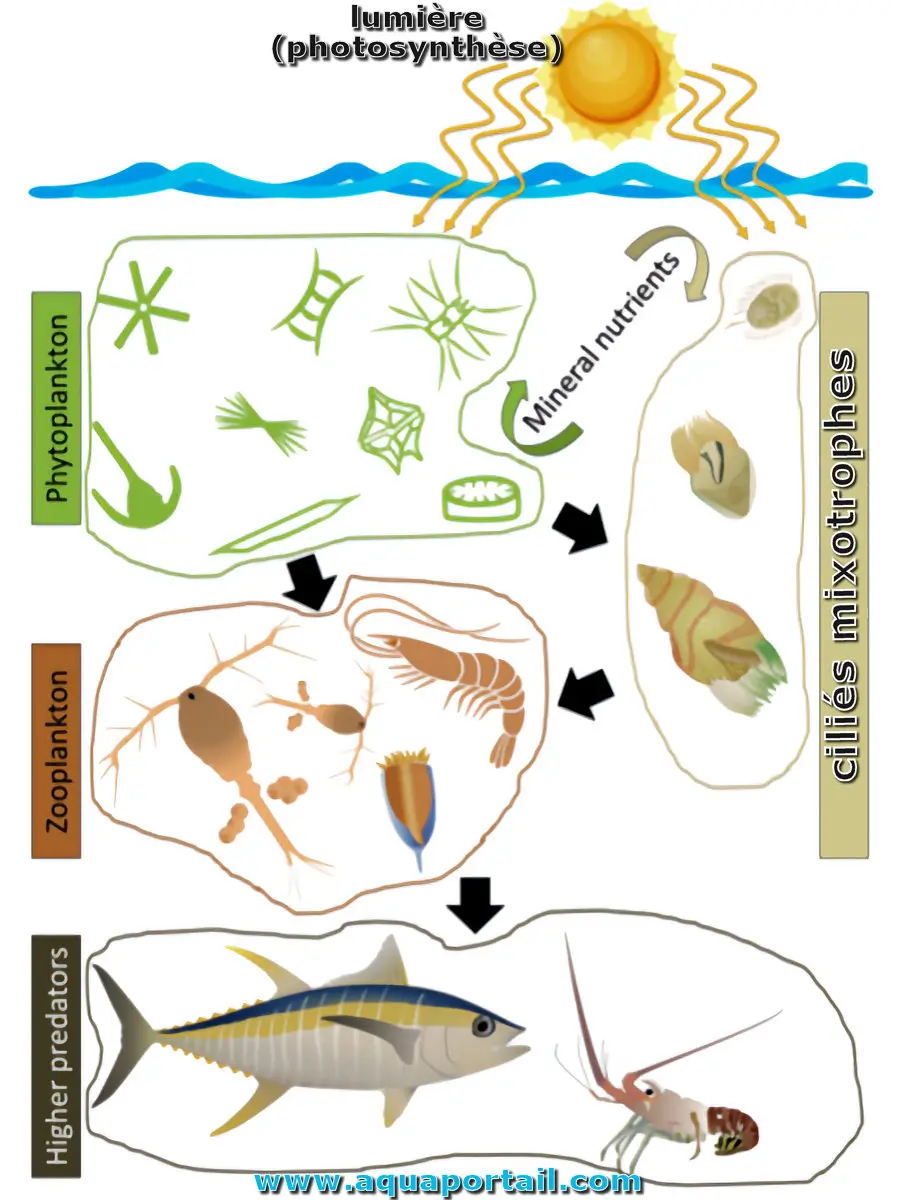
Example of a marine food web with the presence of mixotrophic ciliates. Golden arrows represent photosynthesis (autotrophy) and black arrows imply predation (heterotrophy). These ciliates exploit mixotrophy.
Explanations
In botany, mixotrophic plants can simultaneously utilize various sources of mineral and organic nutrients through widely varying combinations of processes.
If a trophic mode is obligate, it will always be required to support growth and maintenance, whereas if it is facultative, it can be used as a supplementary source. Certain organisms have an incomplete Calvin cycle, rendering them unable to fix carbon dioxide and requiring them to use organic carbon sources.
A mixotrophic protist combines two distinct trophic modes, or ways of obtaining food. A mixotroph can produce its own food like a plant (called autotrophic) and hunt like an animal (called heterotrophic), all within a single organism.
✅ Many ciliate species (though not all) in the oceans are mixotrophs, meaning they are voracious predators yet capable of producing their own food by utilizing the chloroplasts of others (kleptoplasty). Mixotrophic and heterotrophic ciliates exhibit profound physiological differences, and these differences are key to understanding their role in the oceans.
The term mixotrophic (an alternative to mixotroph) can describe organisms (usually algae, bacteria) capable of obtaining metabolic energy from both photosynthesis and other living organisms. These organisms can use light as an energy source or derive it from organic or inorganic compounds. They can take up simple compounds osmotically (by osmotrophy) or by engulfing particles (by phagocytosis or myzocytosis). Also included in this group of mixotrophs are prokaryotes that obtain energy from the oxidation of inorganic compounds while using organic compounds as a carbon source.
See also phototrophs, chemolithoautotrophs, etc.
Mixotrophic protists
Mixotrophic protists, cells capable of both phagotrophy and photosynthesis, can account for half of bacterial mortality in coastal and offshore systems. Bacterial grazing by heterotrophic or mixotrophic protists is the first step in a multi-step food chain, during which bacterial production is largely respired and inorganic nutrients bound in bacterial biomass (often enriched in P and N) are released.
Thus, the main ecological roles of phagotrophic picoeukaryotes consist of controlling the abundance of bacteria (and other picoplankton) and remineralizing inorganic nutrients in the euphotic zone, thereby sustaining primary production in oligotrophic systems.
Synonyms, antonyms
Spanish translation: mixótrofo
2 synonyms (similar meaning) for "mixotroph":
- chemolithoautotroph
- photolithoautotroph
0 antonyms (opposite meaning).
Related words and expressions to MIXOTROPH are directly connected by general or specific meaning.
The word MIXOTROPH is listed on page 1 of words starting with M in the dictionary glossary.
Related to "mixotroph"
mixotrophy
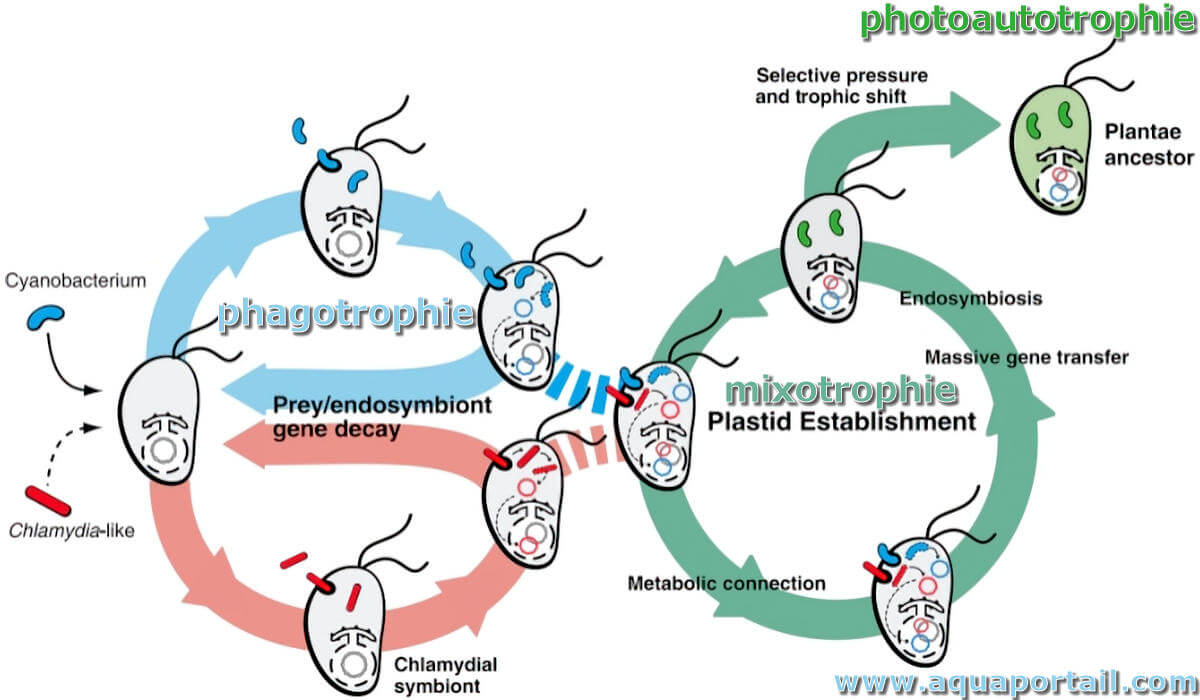
Mixotrophy is a mode of nutrition of organisms capable of feeding through both autotrophy and heterotrophy.
autotroph

An autotroph is an organism that synthesizes organic matter from inorganic matter using minerals, light energy, or chemical energy.
autotrophy

Autotrophy is the trophic mode of an organism capable of synthesizing organic matter from inorganic matter.
auxotrophy
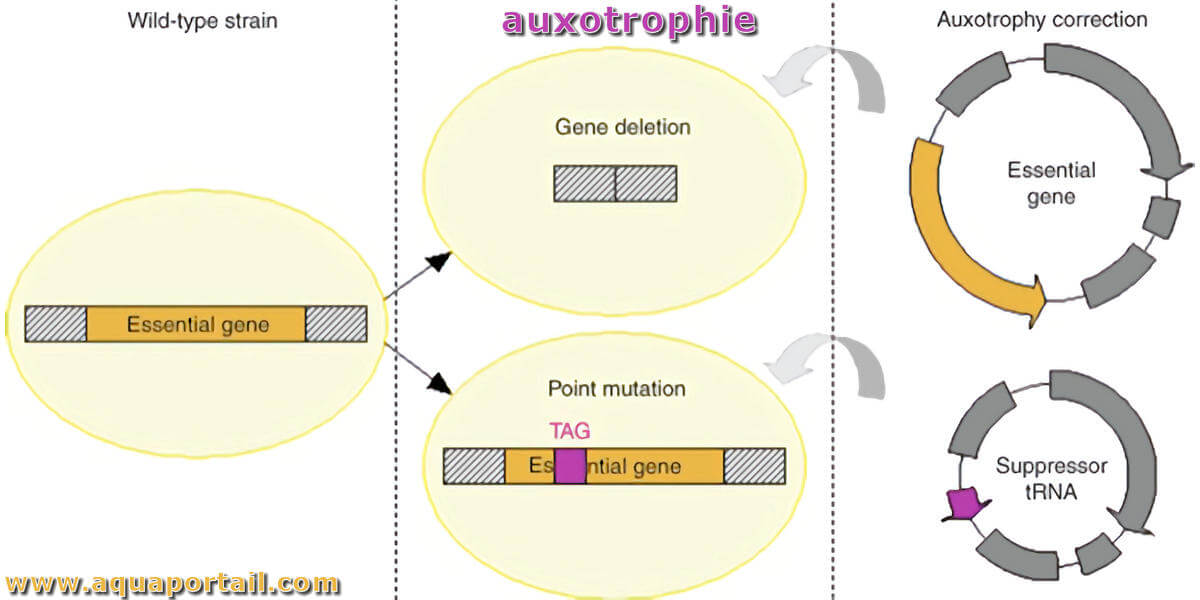
Auxotrophy is a trophic mode characterizing organisms, autotrophic for the vast majority of their needs, that cannot synthesize certain essential molecules...
