Mucilage
noun (n.)
Definition
Mucilage is a sticky polysaccharide substance, sometimes bound to proteins (polysaccharide biopolymers), generally unctuous or gelatinous in consistency. Certain mucilages are gelling agents that absorb water to form a viscous gel used to protect tissues.A carnivorous plant such as the Cape sundew produces mucilage:

The mucilage of certain carnivorous plants, as seen here with the Cape sundew, is located at the tips, forming sticky droplets intended to trap insects captured by this substance. The mucilage is supplied by mucilage canals.
Explanations
Mucilage production is primarily carried out by plants, such as carnivorous plants, succulents (including cacti), and kelp algae, though microorganisms also produce mucilaginous substances.
In the case of gelling agents, mucilage is a carbohydrate substance of plant origin having the property of swelling in water and forming gels. A mucilage cell is sticky.
Carnivorous plants such as sundews are muciparous to trap insects. Animal mucilages consist of glycoproteins, whereas plant mucilages consist mainly of heteropolysaccharides.
Uses of mucilage
Mucilage is edible and used in medicine, as it has the property of soothing mucous membrane irritation by forming a protective film. Traditionally, marshmallows were made from the extract of the mucilaginous root of marshmallow Althaea officinalis as a cough remedy. The inner bark of slippery elm Ulmus rubra, a North American tree, has long been used as an emollient and is still commercially produced for this purpose.
Plants high in mucilage such as aloe, flaxseed, narrowleaf plantain, Iceland moss, marshmallow, mallow, and linden (flowers) are used in various medicinal applications, notably to protect the mucous membranes of the digestive and respiratory tracts (for example, narrowleaf plantain and marshmallow in streptococcal pharyngitis), as a laxative (for example, flaxseeds) because mucilage swells in the intestines and acts as a lubricant, and as a soothing protective layer on wounds.
Mucilage mixed with water is used in place of glue, particularly for adhering paper items such as labels, postage stamps, and envelope flaps.
Because mucilages are often heat-sensitive, plant macerations are prepared in cold or lukewarm water, with the plant steeping in water for hours, unlike hot herbal infusions.
Relationship with humans
Algal mucilages are not digested by humans. For this reason, they are used as "fiber" in dietetics, much like the cellulose in the salads we consume. Furthermore, they possess the property of absorbing large amounts of water and, while imparting a smooth texture to foods, they curb hunger by filling the stomach with their volume without providing nutritional value. They are therefore widely used in "low-calorie" products.
Directly related, see mucilage-secreting cell or mucilage-secreting bodies. See also agar">agar, carrageenan, and alginates.
Synonyms, antonyms
Spanish translation: mucílago
0 synonyms (similar meaning) for "mucilage".
0 antonyms (opposite meaning).
Related words and expressions to MUCILAGE are directly connected by general or specific meaning.
The word MUCILAGE is listed on page 1 of words starting with M in the dictionary glossary.
Related to "mucilage"
mucilage ducts
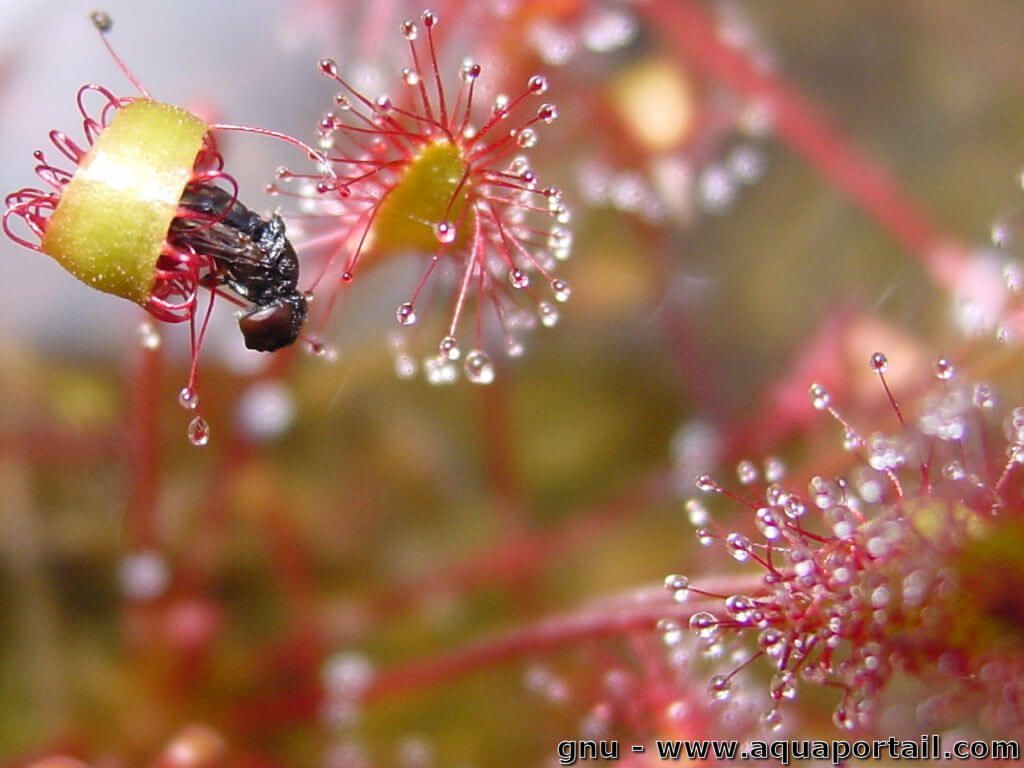
Mucilage ducts (mucilage canals) are anastomosing conduits formed by the separation of cortical cells; encountered in many species of kelps and carnivorous...
mucus
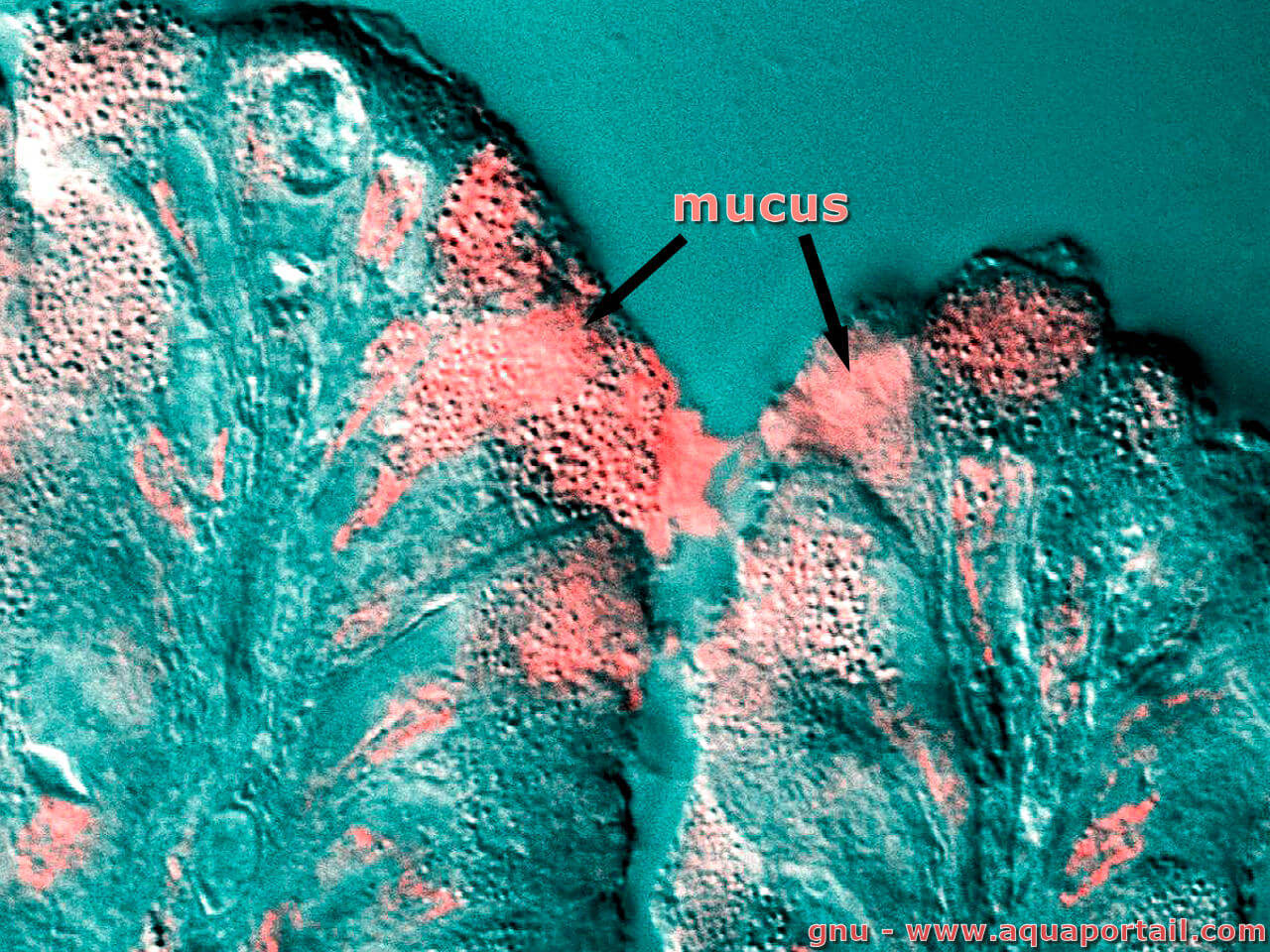
Mucus is a viscous, aqueous organic secretion produced by mucous glands throughout the body, contributing to lubrication and protection.
cartilage
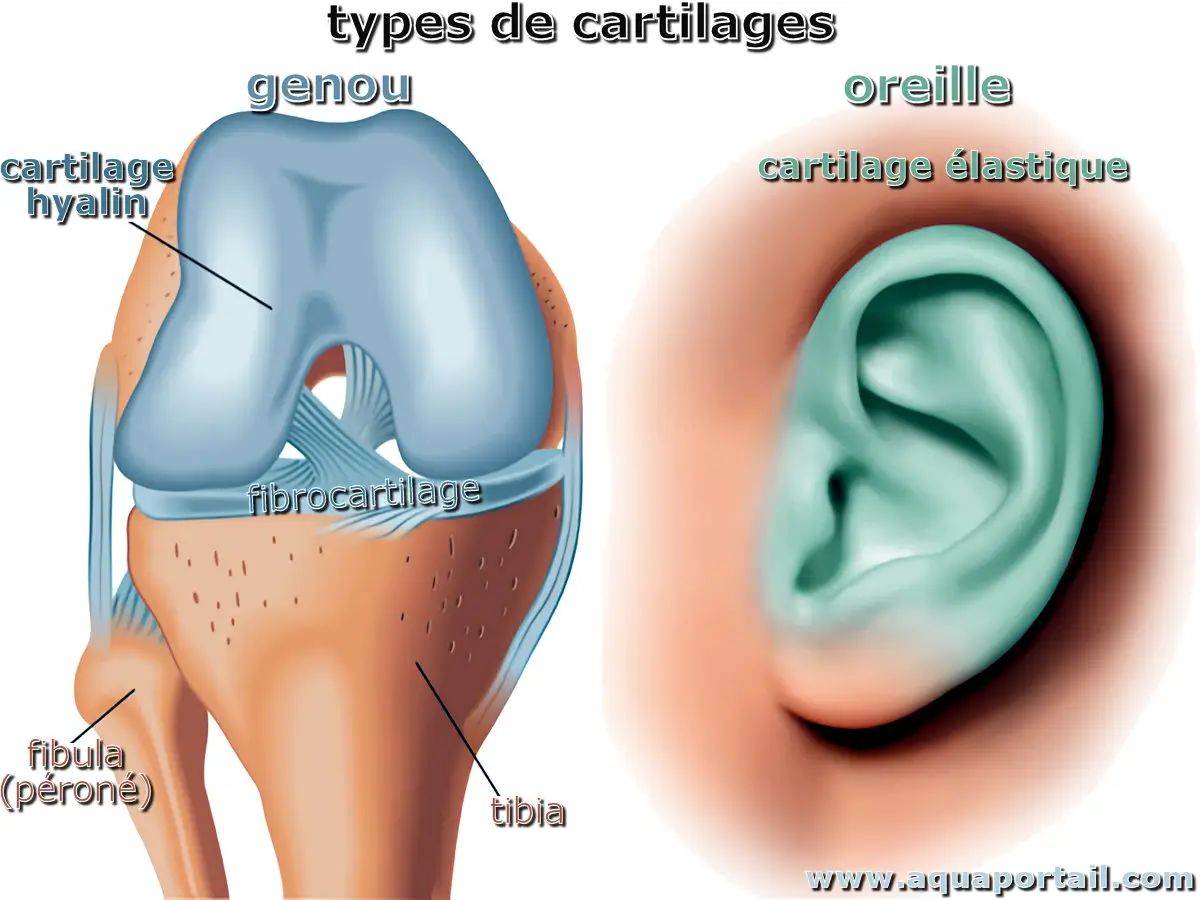
Cartilage is a connective skeletal tissue—a smooth, elastic connective tissue whose cells, enclosed within lacunae, are separated from one another by a ground...
macro-organism

A macro-organism, unlike a microorganism, is a living organism visible to the naked eye, regardless of its classification in the animal or plant kingdom.
