Morality
noun (n.)
Definition
Morality is a set of values considered ethical with a code of conduct fostering sincere understanding between individuals. It measures whether an act is good or bad. It implies respect for others.The principles of morality:

Morality encompasses principles concerning the distinction between notions of right and wrong, or between good and bad behavior. In academic discourse, the study of morality generally involves examining its cognitive, emotional, and social dimensions, as well as its implications for human conduct and societal norms.
Explanations
Morality is a subjective behavior, depending on innate or acquired values regarding the opposition between good and evil. In all cases, it involves integrity and ethics according to a fairly standardized code of moral values within a society.
Several forces influence our morality, notably evolution, intellectual reasoning, emotions, and sociocultural factors. While evolution takes centuries to manifest, other factors, such as intellectual reasoning, can bring about moral change within one or two generations. sociology determines what the moral factors are within a group of people who adopt similar behaviors.
Its opposite, immorality (or worse, amorality), describes behavior that conscientiously goes against accepted morality, that is, appropriate ideas and beliefs about how to behave in a manner considered right and good by the majority of a society.
✅ Morality is the act of conforming to morals, which deal with good and evil at the individual level.
Normative sense
In the normative sense, "morality" refers to a code of conduct that would be endorsed by anyone meeting certain intellectual and volitional conditions, almost always including that of being rational. That a person meets these conditions is typically expressed by saying they are a moral agent.
However, merely showing that a certain code would be adopted by any moral agent is not enough to show that it is the moral code. It might well be that all moral agents would also endorse a code of prudence or rationality, yet this would not by itself show that prudence is part of morality. Something further must therefore be added.
For example, that the code can be understood as involving a certain form of impartiality, or that it can be understood as having the function of enabling individuals to live together in groups.
Descriptive sense
Descriptively, the term "morality" refers to certain codes of conduct adopted by a society or group (such as a religion), or accepted by an individual for their own behavior.
Any definition of "morality" in the descriptive sense will need to specify which of the codes adopted by a society or group are regarded as moral. Even in small homogeneous societies lacking written language, distinctions are sometimes drawn between morality, law, and religion. And in larger, more complex societies, these distinctions are often very sharp. Thus, "morality" cannot be taken to refer to all codes of conduct adopted by a society.
Synonyms, antonyms
Spanish translation: moralidad
14 synonyms (similar meaning) for "morality":
- ethics
- fairness
- honesty
- honor
- integrity
- irreproachable
- loyalty
- merit
- normality
- probity
- purity
- respect
- righteousness
- virtue
2 antonyms (opposite meaning):
Related words and expressions to MORALITY are directly connected by general or specific meaning.
The word MORALITY is listed on page 1 of words starting with M in the dictionary glossary.
Related to "morality"
emotion
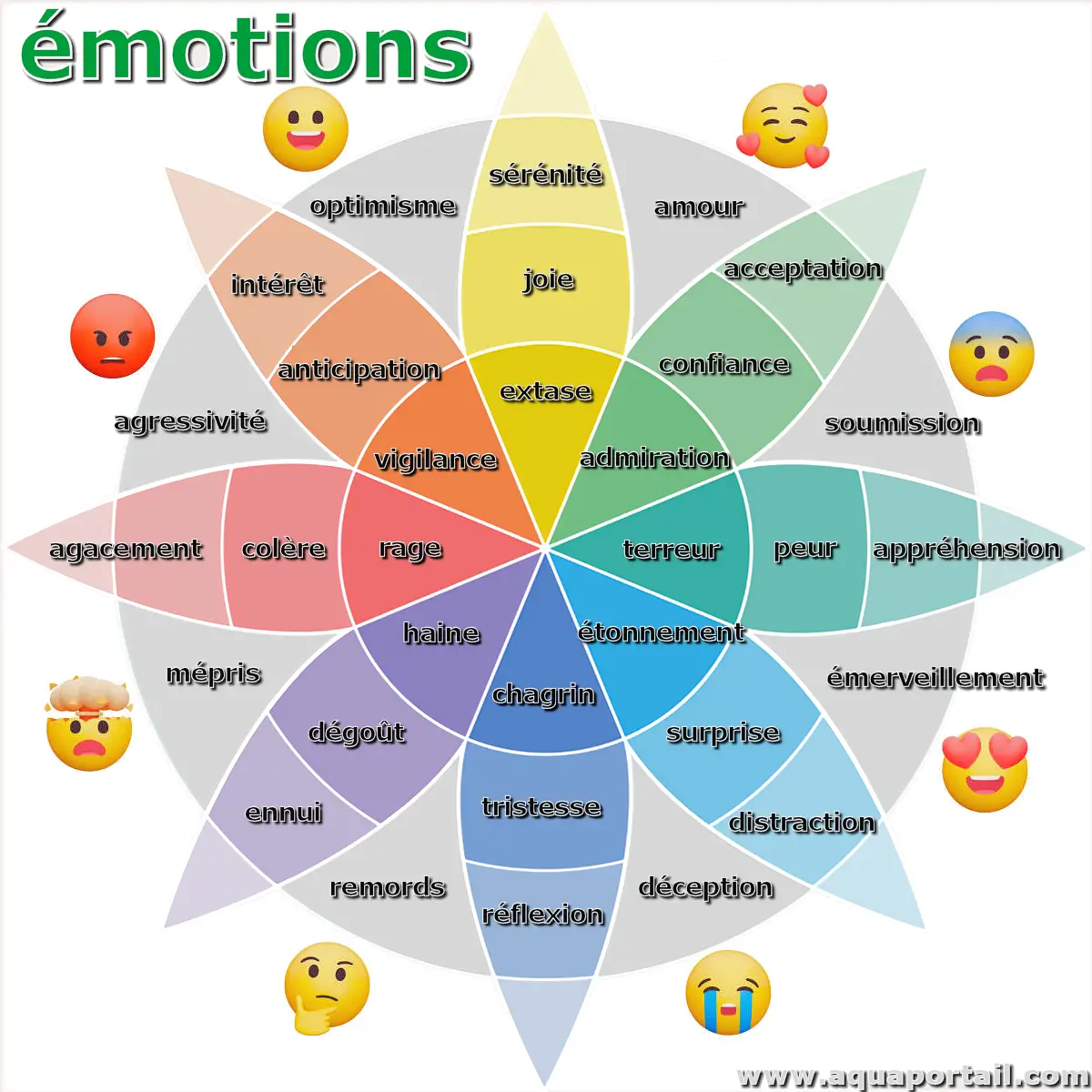
An emotion is a conscious mental reaction (anger, fear, etc.) subjectively experienced as a strong feeling directed toward a specific object.
integrity
Integrity is the act of leaving a thing, an idea, or an individual whole and indivisible without deceit or aggression.
sociology
Sociology is the study of the development, structure, and functioning of a society (all types of organisms).
causality

Causality is the relationship between one event (the cause) and a second event (the effect following the first event), where the second event is understood...
Simple summary
Morality refers to a system or set of principles used to distinguish right behavior from wrong behavior. It encompasses the ethical standards that govern the actions, decisions, and interactions of individuals within society. Often guided by cultural, religious, or philosophical beliefs, morality serves as a framework for evaluating whether actions and intentions are morally acceptable or unacceptable.
