Beach wrack
noun phrase (n. phr.)
Definition
Beach wrack consists of algae, marine phanerogams (seagrasses), dead animals, debris, or various objects washed ashore along the coastline by tidal action. The stranded seaweed present in this beach wrack shelters numerous detritivorous invertebrates: insect larvae and adults, crustaceans of the family Talitridae (sandhoppers), and sea slaters (ligias).Beach wrack accumulates on beaches:
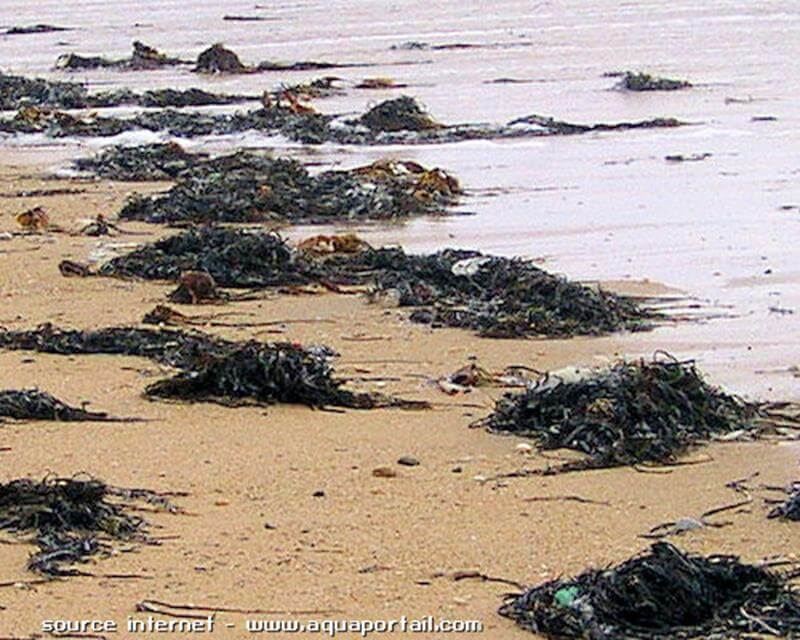
Beach wrack appears in the intertidal zone after a high tide.
Explanations
Beach wrack appears primarily in the foreshore (intertidal zone), the part of the land near the sea lying between the limits reached by high tide and low tide, or any section of that land (beach) devoid of grass or buildings.
Marine biologists divide the intertidal region into three zones (low, middle, and high), based on the overall average exposure of the area. The lower intertidal zone, which borders the shallow subtidal zone, is exposed to air only at the lowest of low tides and is predominantly marine in character. The middle intertidal zone is regularly exposed and submerged by average tides. The high intertidal zone is covered only by the highest of high tides and spends much of its time as a terrestrial habitat. The high intertidal zone borders the splash zone (the area above the highest neap/high-water mark that still receives sea spray). On shores exposed to strong wave action, the intertidal zone is further influenced by waves, as spray from breaking waves extends the intertidal zone upward, promoting wrack deposition.
Depending on the substrate and coastal topography, additional features may be observed. On rocky shores, tide pools form in depressions that fill with water as the tide rises.
Because the foreshore is alternately covered by the sea and exposed to the air, organisms living in this environment must possess adaptations for both wet and dry conditions. Hazards include being crushed or swept away by heavy waves, exposure to dangerously high temperatures, and desiccation. Typical inhabitants of the rocky intertidal shore include sea urchins, sea anemones, barnacles, chitons, crabs, isopods, mussels, sea stars, and numerous marine gastropod mollusks such as limpets and whelks. Within beach wrack deposits, jellyfish, Portuguese man-of-war, by-the-wind sailors (velellas), etc., are also found.
Synonyms, antonyms
Spanish translation: arribazón
0 synonyms (similar meaning) for "beach wrack".
0 antonyms (opposite meaning).
Related words and expressions to BEACH WRACK are directly connected by general or specific meaning.
The expression BEACH WRACK is listed on page 1 of words starting with B in the dictionary glossary.
Related to "beach wrack"
alga

An alga is any organism of a group of aquatic, primarily photosynthetic plant-like protists, ranging from unicellular forms to large multicellular forms.
foreshore

A foreshore is a coastal zone subject to tidal variations, under the influence of the rise and fall of the tides, in the intertidal or tidal zone.
intertidal zone
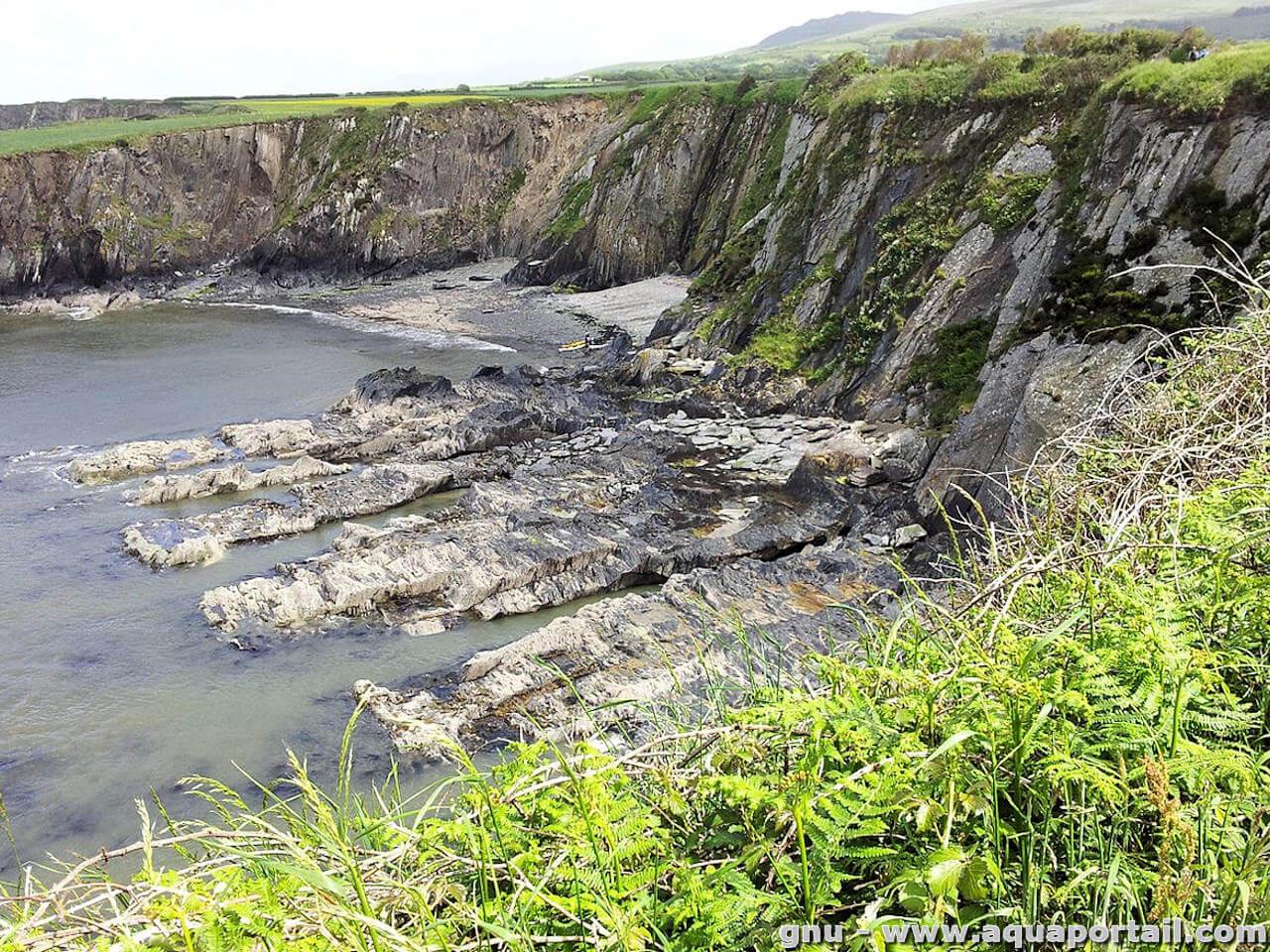
The intertidal zone is an area of the foreshore subjected to tides, often in the spring tidal range zone.
phanerogam

A phanerogam is a plant bearing flowers and seeds, hence a flowering or seed plant. The term distinguishes marine flowering plants (seagrasses) from algae.
