Rock salt
noun phrase (n. phr.)
Definition
Rock salt is composed of unrefined mineral halite, which is sodium chloride (NaCl). Rock salt samples can be white, transparent, blue, pink, yellow, red, and violet. edible pink salt is a rock salt found in the Himalayas.Pink rock salt from the Himalayas:
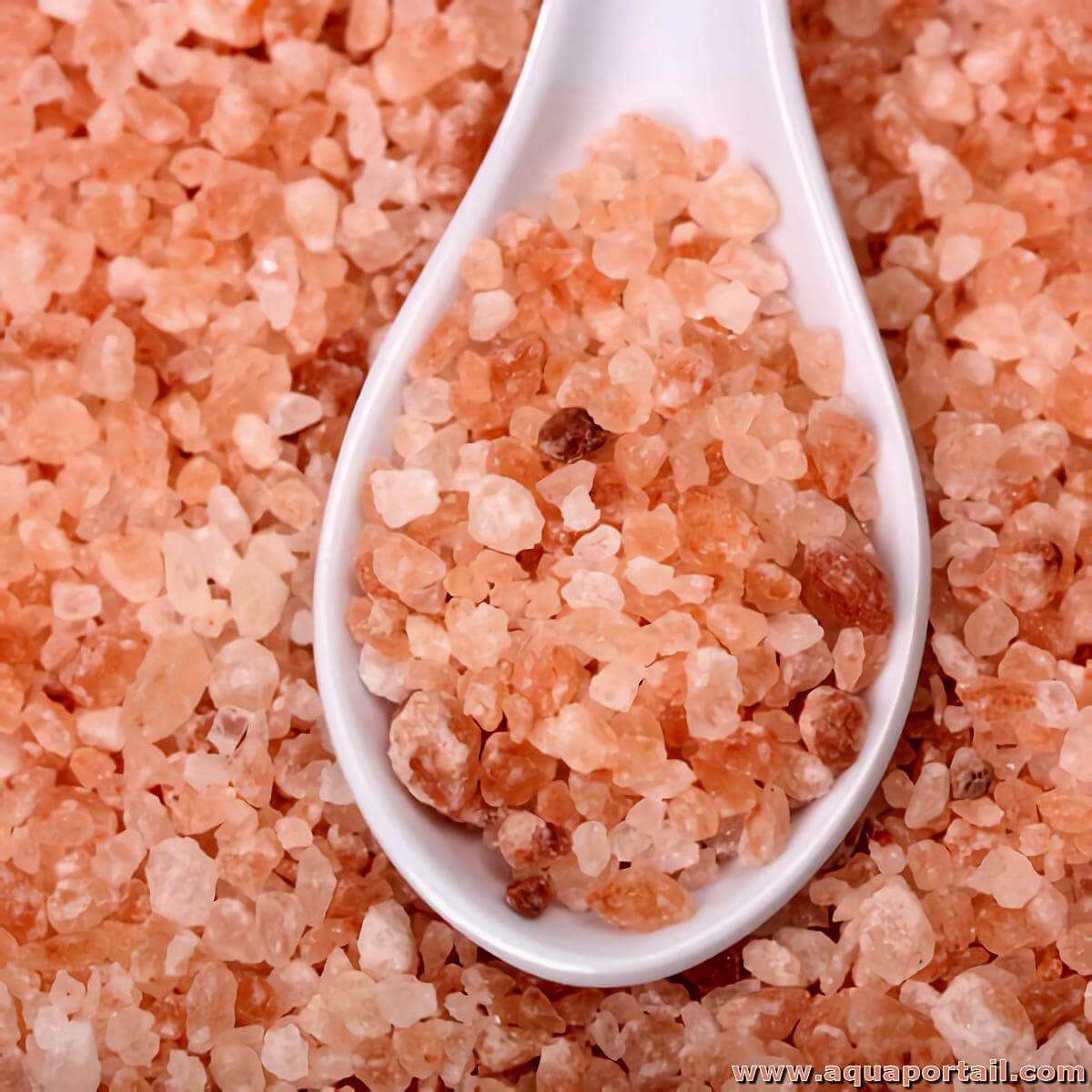
Coarse-grained rock salt is produced from salt deposits left behind millions of years ago and long-term high-pressure rock salt sources that crystallized without refining.
Explanations
Rock salt adds flavor to meals thanks to its mineral profile. One can supplement mineral intake by consuming natural coarse-grained rock salt.
Rock salt mines formed as a result of the evaporation of vast bodies of saltwater such as ancient seas or salt lakes. Some of these deposits are located down to about 1,200 m (3,940 ft) below the surface or deeper.
Rock salt is a natural mineral used for centuries to preserve food for long periods. Today, rock salt is a cost-effective and versatile resource across a variety of industries, including the chemical industry, textiles, healthcare, and de-icing, as well as domestic use.
The purity of rock salt extracted from each mine varies depending on the geological setting in which the rock salt deposit occurs. In its natural state, rock salt may also contain traces of dozens of different elements and minerals, including iron (Fe), sulfur (S), magnesium (Mg), calcium (Ca), and potassium (K).
The natural color of rock salt comes from these inclusions and foreign substances. When natural rock salt is analyzed, clay, fluid or fossil micro-inclusions, and other mineral substances can be identified within the evaporite rock.
While refined rock salt is suitable for industrial use because it is stripped of all other minerals, it loses its original mineral composition. Consequently, it should be kept in mind that refined salt contains virtually only sodium chloride, which can be harmful to health if consumed in excess.
Characteristics
On the Mohs hardness scale of 1 to 10, rock salt ranks between 2 and 2.5, meaning it is a soft mineral with approximately the same hardness as a fingernail. Salt can be scratched with a copper coin, a pocket knife, or a steel file. Rock salt crystals have a vitreous luster, a white streak, and a salty taste.
Sodium ions (Na+) and chloride ions (Cl-) make up the formula of rock salt (NaCl). In its purest form, it is composed by mass of approximately 39.3% sodium and 60.7% chlorine.
Rock salt has a melting point of 801 °C (1,474 °F) and a boiling point of 1,413 °C (2,575 °F; 1,465 °C depending on conditions). Mixed with alcohol acting as fuel, rock salt colors the flame yellow-orange (sodium emission spectrum).
✅ A decorative alternative to a traditional wood fire involves using a mixture of rock salt and denatured alcohol in a suitable burner: the alcohol burns smokelessly while the salt imparts a bright yellow flame (exercise caution with flammable alcohol vapors, however).
Uses
Rock salt is very commonly used in manufacturing sodium carbonate (Na2CO3) and sodium bicarbonate (NaHCO3) via the Solvay process. The second largest area of use for rock salt is road de-icing. Contrary to popular belief, domestic food use of rock salt accounts for the smallest percentage of total production.
Processed rock salt is used to manufacture chemical feedstocks, notably soda ash, chlorine gas, and sodium hydroxide (via electrolysis). These feedstocks are commonly used in manufacturing glass, paper, ceramics, plaster, toothpaste, soap, detergent, pharmaceuticals, pesticides, various other chemical compounds, in coal desulfurization, and in regenerating zeolites.
Rock salt is used in highway de-icing without prior chemical refining: it is simply crushed and screened to the appropriate grain size. Salt does not melt ice through heat, but rather lowers the freezing point of water (freezing-point depression). Moist rock salt adheres well to asphalt and concrete, reducing scatter losses and the total amount of salt required.
✅ For everyday cooking, alternatives to rock salt such as iodized table salt and sea salt work well, though for certain curing processes, brine making, or traditional canning, natural non-iodized rock salt remains preferred.
Synonyms, antonyms
Spanish translation: sal gema
4 synonyms (similar meaning) for "rock salt":
- halite
- Himalayan salt
- ignigenous salt
- pink salt
1 antonym (opposite meaning):
Related words and expressions to ROCK SALT are directly connected by general or specific meaning.
The expression ROCK SALT is listed on page 1 of words starting with R in the dictionary glossary.
Related to "rock salt"
salt evaporation pond
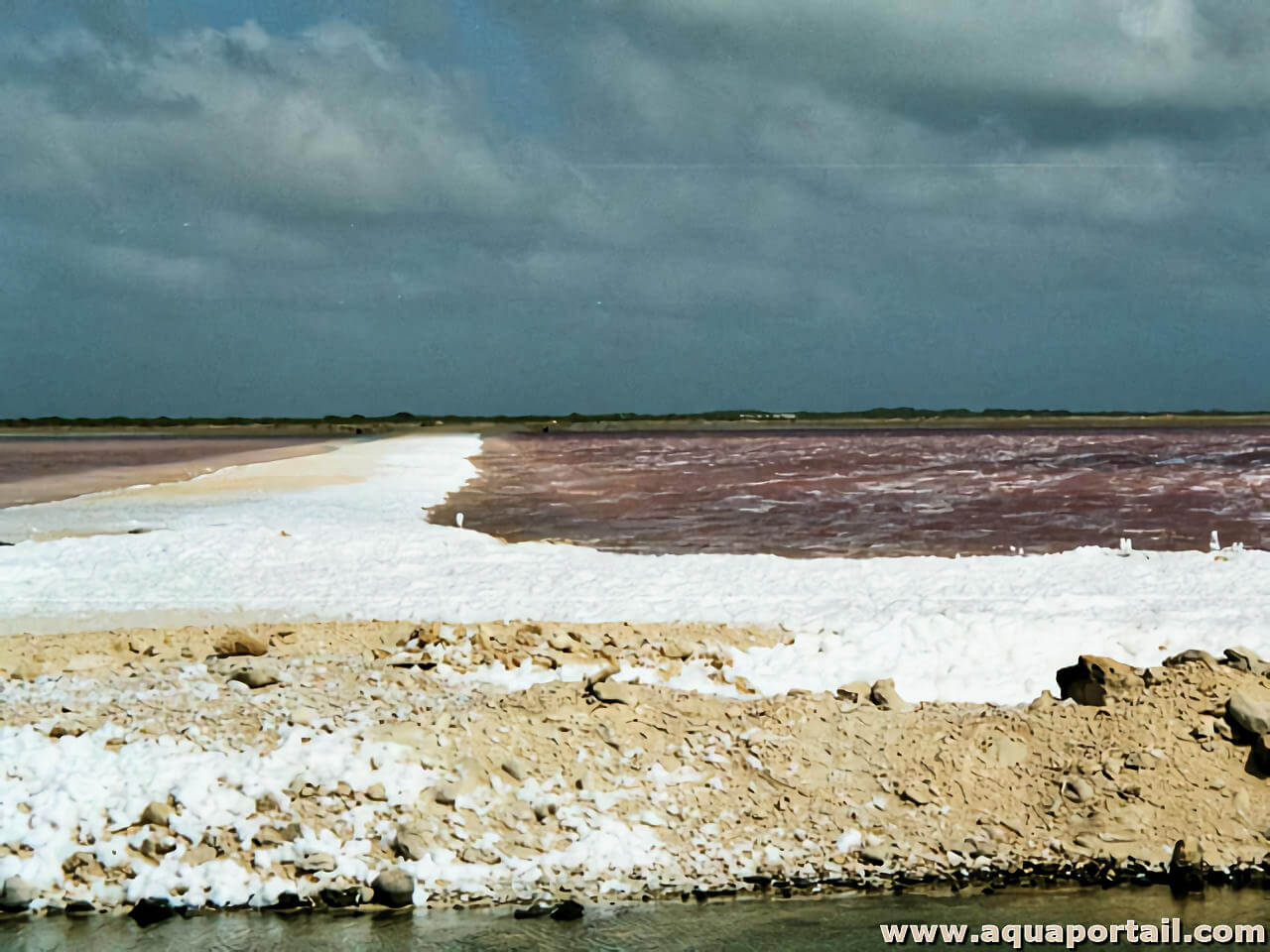
A salt evaporation pond (salina) is an artificial site for producing salt by evaporating seawater in a salt marsh, which may be ancient and no longer active.
salt marsh lamb
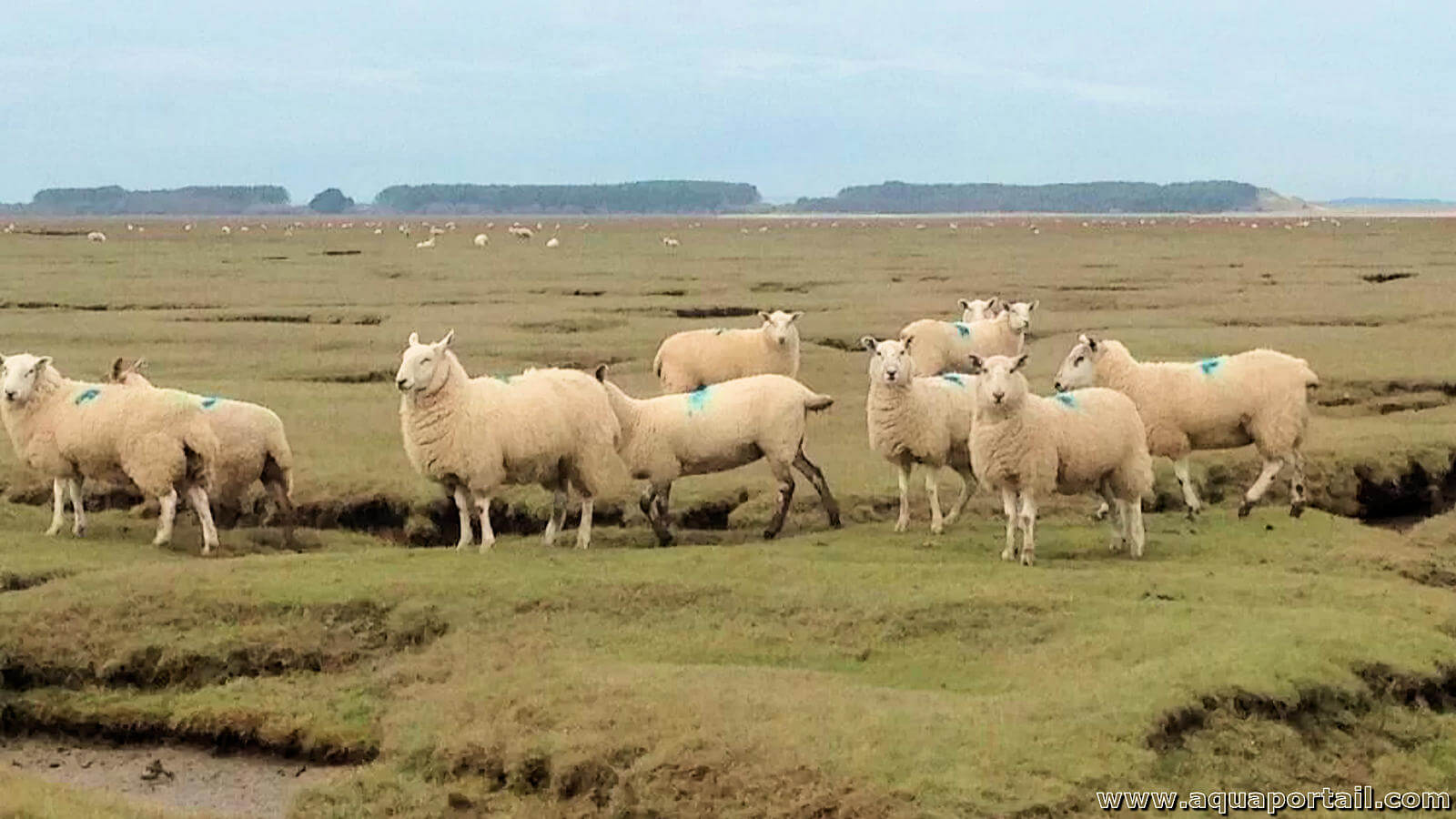
A salt marsh lamb (pré-salé) is a sheep that grazes habitually on coastal salt marshes, feeding on salt-tolerant grasses and herbs.
saltwater treatment
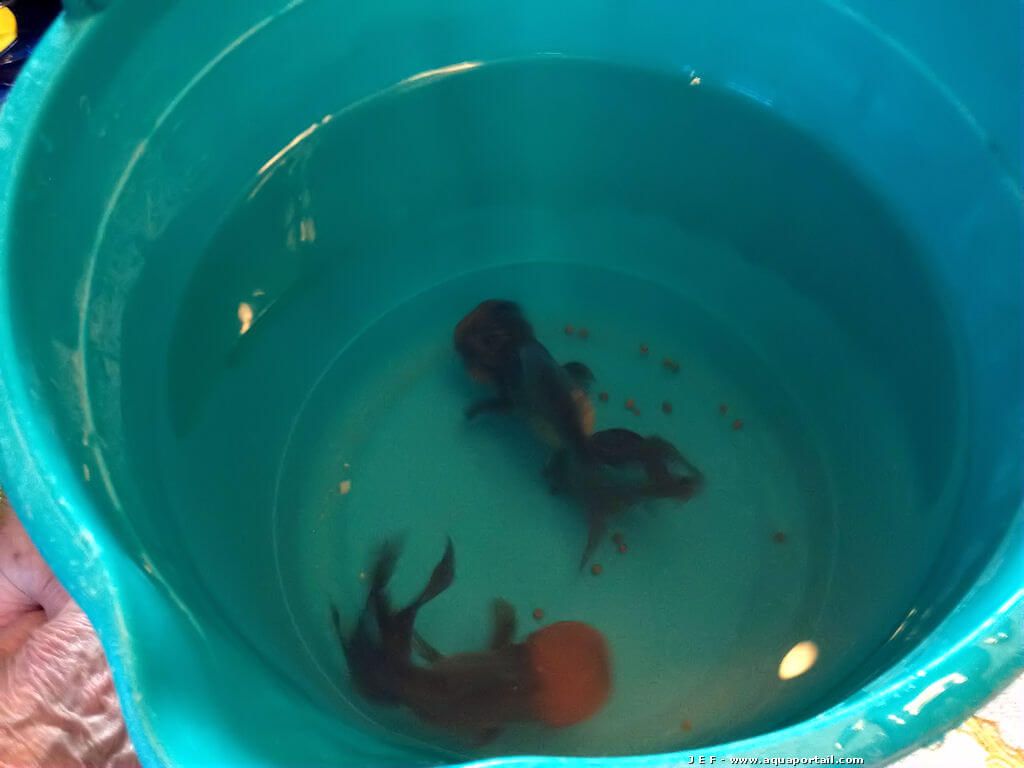
The saltwater bath method, or aquarium salt treatment, helps halt potential external infections via osmotic shock.
ramification

Ramification is a mode of subdivision of an axis, such as the branching of a plant; the term is defined differently in mathematics, chemistry, and in botany...
