Flagellin
noun (n.)
Definition
Flagellin is a protein that forms the helical tube of prokaryotic bacterial flagella. The flagellar filament is composed of a single protein, flagellin, containing neither cysteine nor tryptophan. Flagellins are the primary structural component of bacterial flagella.Flagellin and the flagellar filament:

Structure of flagellin and cross-sectional and top views of the flagellar filament. Flagellin is the principal structural protein of flagella in Gram-negative bacteria. The flagellin protein has a molecular weight of 30 to 60 kDa. Note that the TLR5 recognition region is inaccessible within intact flagella. Silencing TLR5 gene expression via siRNA reduces flagellin-induced upregulation of TSLP gene expression in human keratinocytes (KCs). Notably, the presence of flagellin in household dust, whose airway administration can elicit TLR5-dependent allergic respiratory responses in mice, has been demonstrated.
Explanations
The archaeal flagellin protein (archaellin) is synthesized as a precursor with a positively charged leader peptide that must be cleaved by a specialized membrane peptidase before incorporation into the filament.
Flagellin is a structural protein of the flagellum, a surface filament dedicated to bacterial motility. The flagellar filament is composed of as many as 20,000 flagellin subunits.
In pathogenic bacteria, flagella and the chemotaxis machinery contribute to virulence. Flagellin size varies from 250 to 1,250 amino acids depending on the bacterial species. Flagellins can undergo specific post-translational modifications, particularly in pathogenic microorganisms, such as N-methylation of lysine residues in Salmonella enterica serovar Typhimurium or glycosylation in Campylobacter jejuni, Burkholderia cenocepacia, or Pseudomonas aeruginosa.
Primary sequences of flagellin display well-conserved terminal regions (approximately 170 residues at the N-terminal region and 100 at the C-terminus) flanking a central hypervariable region.
The best-characterized flagellin is the FliC molecule of Salmonella Typhimurium, a protein 494 amino acids long (when the terminal methionine is excluded). In the core of the filament, the conserved N- and C-terminal chains of flagellin form tightly packed α-helical structures, constituting domains D0 and D1. These domains are essential for polymerization and motility-related functions of the flagellum.
The central region of flagellin is variable and exposed as a β-sheet and folded structure (domains D2 and D3) on the outer surface of the filament. This central portion determines the flagellin serotype (H-typing). Flagellin monomers are compactly folded as in the flagellum, except for the extreme terminal regions (domain D0), which remain disordered.
TLR5
TLR5 recognizes flagellin, a protein present in the flagellar structure of many bacteria. TLR5 is expressed in epithelial cells of the lung and intestine, as well as in resident dendritic cells, such as those located in the intestinal lamina propria. TLR5 can act both as an immune sensor and as a receptor to capture flagellated bacteria.
Flagellin is a potent immune activator, stimulating diverse biological effects involved in both innate inflammatory responses and the development of adaptive immunity. Flagellin signaling through TLR5 enhances response diversity by engaging the MyD88-dependent pathway to activate pro-inflammatory responses.
Primarily due to its ease of engineering, the proteinaceous nature of flagellin is considered advantageous for numerous immunotherapeutic applications, such as a vaccine adjuvant.
Evolution
The development of a well-defined flagellin-based nanoparticle stimulator provides a novel mechanism-of-action model explaining how flagellin-triggered innate immunity evolved to favor localized rather than potentially debilitating systemic immune stimulation. cell-free protein synthesis (CFPS) was used to facilitate mutational analysis and precisely oriented display of flagellin on hepatitis B core protein (HBc) virus-like particles (VLPs).
The need for product stability and an understanding of the mechanism of action prompted research showing that the D0 domain of flagellin is susceptible to amino acid sequence-independent hydrolysis, apparently due to the structural flexibility required during natural flagellin polymerization. When D0-stabilized flagellin was attached to HBc VLPs with the D0 domain facing outward, flagellin's tendency to polymerize caused VLP precipitation. Conversely, anchoring the D0 domain to the VLP surface yielded a stable nanoparticle adjuvant.
Remarkably, displaying just 2 flagellins per VLP delivered the same 1 pM potency as VLPs bearing roughly 33 attached flagellins, indicating that the TLR5 receptor is highly efficient at transducing its intracellular signal. These findings suggest that flagellin's protease sensitivity, aggregation propensity, and ultra-high affinity for TLR5 receptors restrict its systemic spread to promote localized immune stimulation.
Developmental signaling
Bacterial flagellin is recognized as a pathogen invasion signal in both animals and plants.
In animals, flagellin is sensed by cell-surface receptor proteins, Toll-like receptors (TLRs), characterized by tandem LRR copies in the ectodomain responsible for flagellin binding, followed by receptor dimerization and initiation of intracellular immunity.
In plants, the flagellin receptor was the first pattern recognition receptor (PRR) identified. Through screening of Arabidopsis mutant plants insensitive to flg22, a conserved 22-amino-acid peptide in the N-terminus of bacterial flagellin sufficient to trigger PTI, an LRR-RLK, FLAGELLIN-SENSITIVE 2 (FLS2), was identified as the putative flg22 receptor.
Synonyms, antonyms
Spanish translation: flagelina
0 synonyms (similar meaning) for "flagellin".
0 antonyms (opposite meaning).
Related words and expressions to FLAGELLIN are directly connected by general or specific meaning.
The word FLAGELLIN is listed on page 1 of words starting with F in the dictionary glossary.
Related to "flagellin"
bacterial flagellum

A bacterial flagellum is a prokaryotic flagellum found in bacteria or monerans. It is essential for motility, adhesion, and colonization, and forms part...
eukaryotic flagellum

A eukaryotic flagellum (vs. prokaryotic) is a flexible, whip-like cellular organelle composed of an axoneme and a kinetosome, used for locomotion in motile...
flagellum
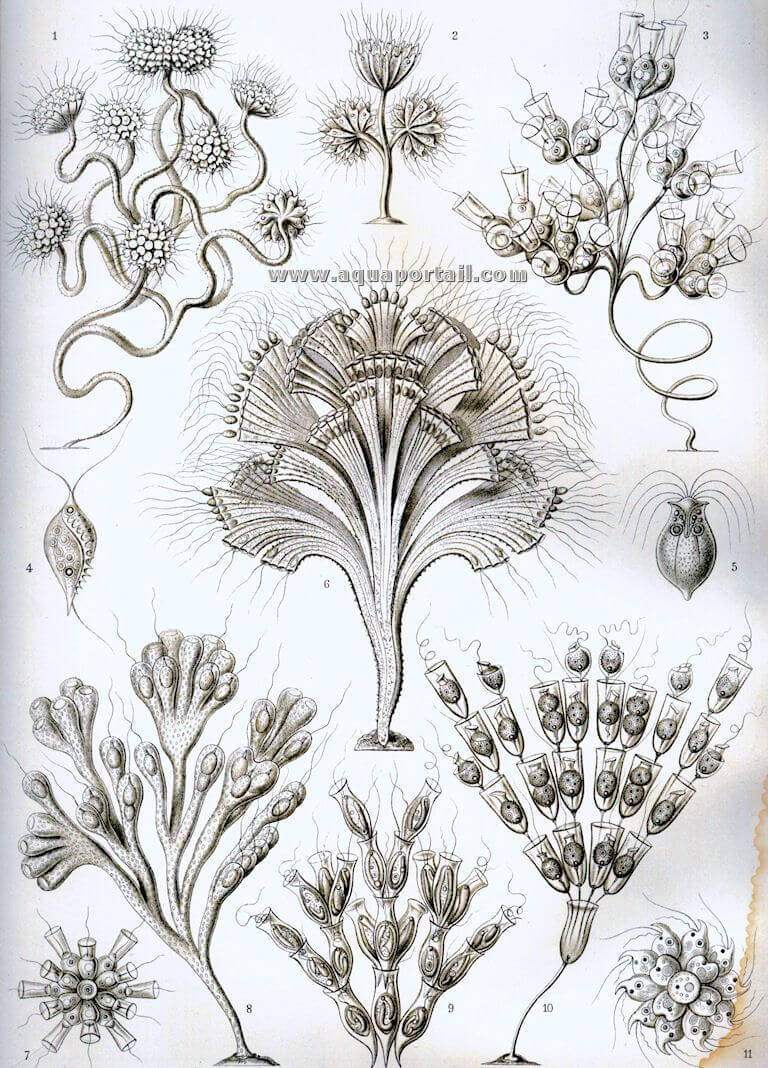
In biology, a flagellum is a motile cellular appendage equipped with a long, thin whip or tail, present in many unicellular organisms, including flagellates...
flagellate

Flagellates, or mastigophorans, are a heterogeneous group of protozoans characterized by the presence of one or more long flagella during one or all stages...
