Spoil
noun (n.)
Definition
Spoil is the heap of earth removed during an excavation (digging a hole). Spoils are the waste materials dug up during excavation, dredging, or mining operations. Fill (backfill) is the opposite: it is used to fill in a hole. Spoil results from any digging, such as excavating to build a pond.Spoils from a mine:
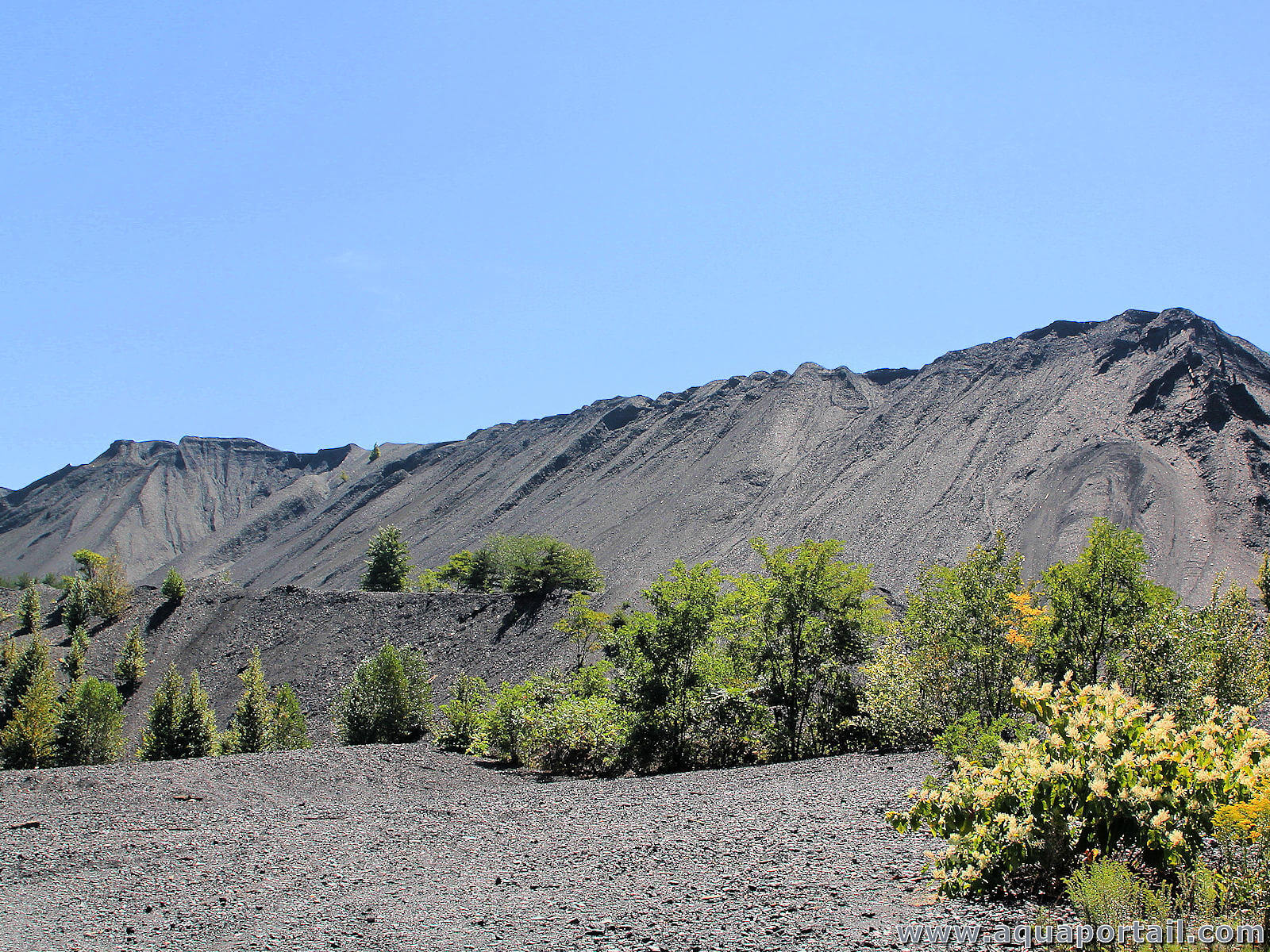
The hill in this photo is a heap of mine spoils. It appears gray due to the waste extracted from the mines.
In civil engineering
In civil engineering, a cut (excavation) is the site where the ground level must be lowered to a given elevation by removing a certain quantity of earth. It is also the earth itself thus removed. These are crushed materials, stone or rock waste, or gangue extracted from the site to be disposed of outside a mine or quarry.
Mine spoil
Mine spoil (mine waste) consists of materials excavated from a mine, underground matter brought to the surface; when referring to waste heaps, they may be termed "spoil tips" (slag heaps). Mine spoil is the overlying material removed during extraction in order to access the ore in the mineral deposit beneath.
Most human extraction of earth materials, such as clay for pottery or coal for electricity generation, produces waste. Raw materials are rarely pure, so unwanted refuse is discarded, generally near the extraction site. Over the past two centuries, exponential industrial growth has LED to massive increases in mine spoil production, making the management of this waste an increasingly critical issue.
Surface mining accounts for most mining waste, though underground workings also contribute. Metallic ores, sand, gravel, and building stone, including concrete aggregates, are typically extracted from open-pit mines. Surface mining is efficient where resources lie in sedimentary strata and is particularly used for coal, phosphate, and gypsum. Much of the waste from surface mining comes from overburden removal. Dredging is used to extract sand and heavy placer deposits such as gold and tin; it reintroduces large amounts of river sediment into flowing water. Hydraulic mining with high-pressure hoses is common in goldfields; devastating effects remain visible in the foothills of certain mountains more than a century later.
Rehabilitation of spoil heaps
Rehabilitation of mine spoil heaps is carried out using the vetiver system technology. The potential impact associated with unstable spoil heaps from mining operations is a major concern for the mining industry, environmental regulatory agencies, and the public. It is therefore essential that post-mining areas and generated wastelands be rapidly revegetated. The vetiver system is a soil and water conservation approach promoted by Vetiver Network International, an international non-governmental organization. Soil from iron ore mine waste and dumps normally contains less organic carbon and high concentrations of toxic heavy metal particles such as Fe, Mn, Zn, Cu, Pb, Ni, Cr, Cd, etc., making it highly unstable and inhospitable to natural plant growth.
Vetiver (Chrysopogon zizanioides) is a heavy-metal-tolerant plant. Vetiver can be used as an effective method for remediating and restoring iron ore mine soils. Phytoremediation based on the vetiver system thus plays a major role in the phytostabilization and reclamation of post-mining areas.
Synonyms, antonyms
Spanish translation: desmonte
4 synonyms (similar meaning) for "spoil":
1 antonym (opposite meaning):
Related words and expressions to SPOIL are directly connected by general or specific meaning.
The word SPOIL is listed on page 1 of words starting with S in the dictionary glossary.
Related to "spoil"
deterioration

Deterioration is a progressive degradation or alteration in the quality, functioning, or condition of something.
clearing
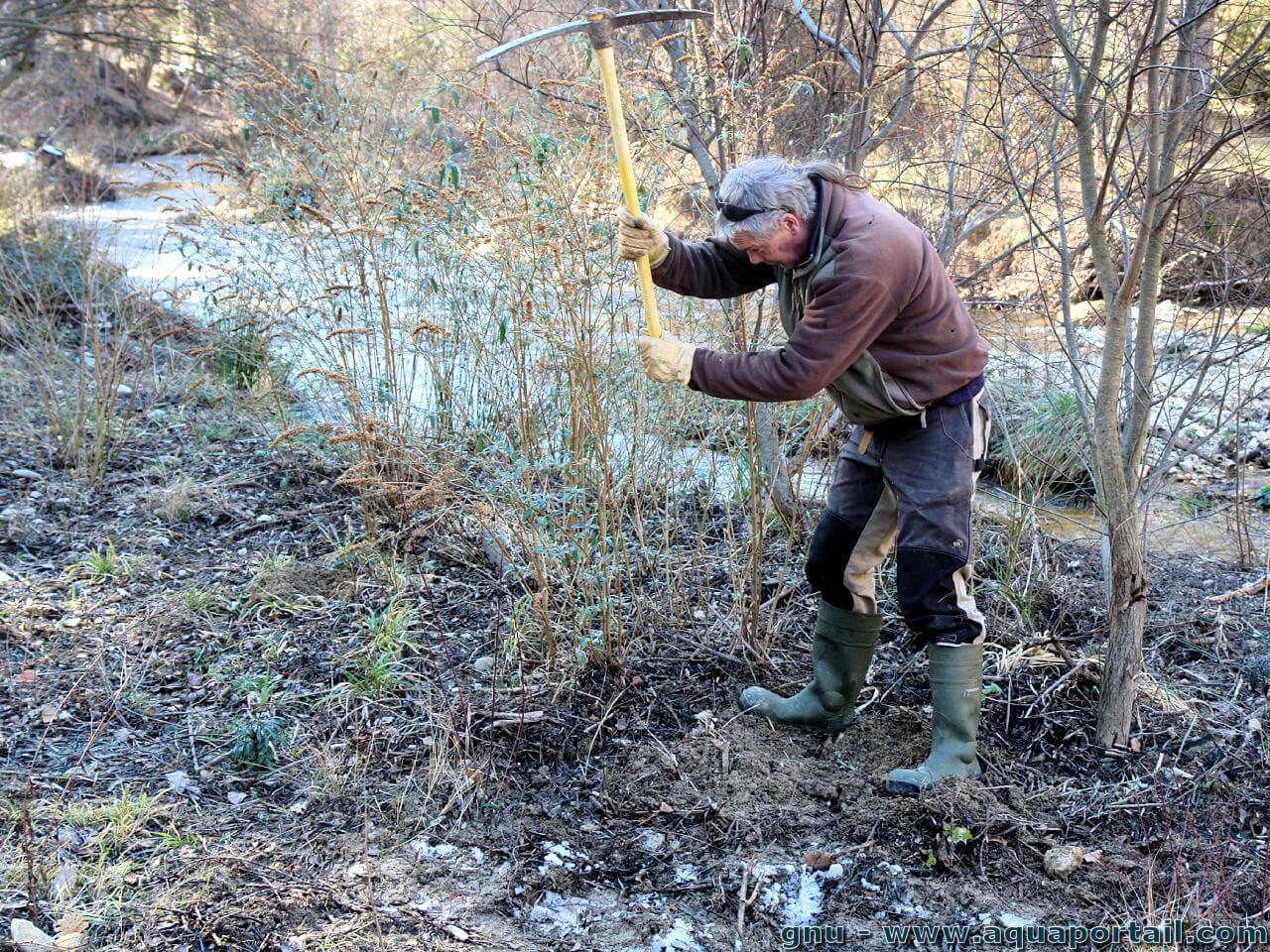
Land clearing (essartage in French) is the process of clearing woodland, scrub, or thicket by removing brush, trees, and their roots.
digging

Digging (spading) soil consists of loosening the earth by turning it over with a spade, spading fork, or digging fork.
saccharide

A saccharide is a carbohydrate, a biomolecule composed of carbon, hydrogen, and oxygen atoms, usually with a hydrogen-to-oxygen atomic ratio of 2 :1.
