Spring tide
noun phrase (n. phr.)
Definition
Spring tide describes a tide of large amplitude during a syzygy period and contrasts with neap tide. Between the two, there is a tidal oscillation phenomenon. The plural form spring tides, not to be confused with whitewater, is more common in hydrological terminology.Explanations
Spring tides refer to tides whose range between high and low water is greater due to a special configuration of the Sun-Earth-Moon alignment. Spring high tide is higher than the average high tide. Spring low tide falls lower than the average low water.
Spring tide is the tidal period during which the difference between high and low waters is greatest. Not only are high waters above average, but low waters are also below average.
Spring tide occurs once every 14 days and follows by an average of two days the moment when the tidal forces of the Moon and the Sun act in the same direction and reinforce each other. This happens when the Sun, Moon, and Earth are aligned (syzygy), namely during the new moon and full moon. Spring tide therefore occurs twice per synodic month.
⭐ The opposite of spring tide is neap tide, when high and low waters are less pronounced than the average value.
The moment when rising water (rising tide or flood) transitions into falling water (falling tide or ebb), or vice versa, and when flow velocity is minimal for a period of time, is called slack low water or slack high water and has nothing to do with neap tide.
✅ The flood of February 1, 1953, in the southwestern Netherlands was triggered by a storm surge caused by a deep depression and a severe northwesterly gale, combined with spring tides.
Synonyms, antonyms
Spanish translation: marea viva
1 synonym (similar meaning) for "spring tide":
1 antonym (opposite meaning):
Related words and expressions to SPRING TIDE are directly connected by general or specific meaning.
The expression SPRING TIDE is listed on page 1 of words starting with S in the dictionary glossary.
Related to "spring tide"
ebb tide

Ebb tide designates the outgoing, falling tide of the sea that begins at high water, also known as reflux.
glycopeptide
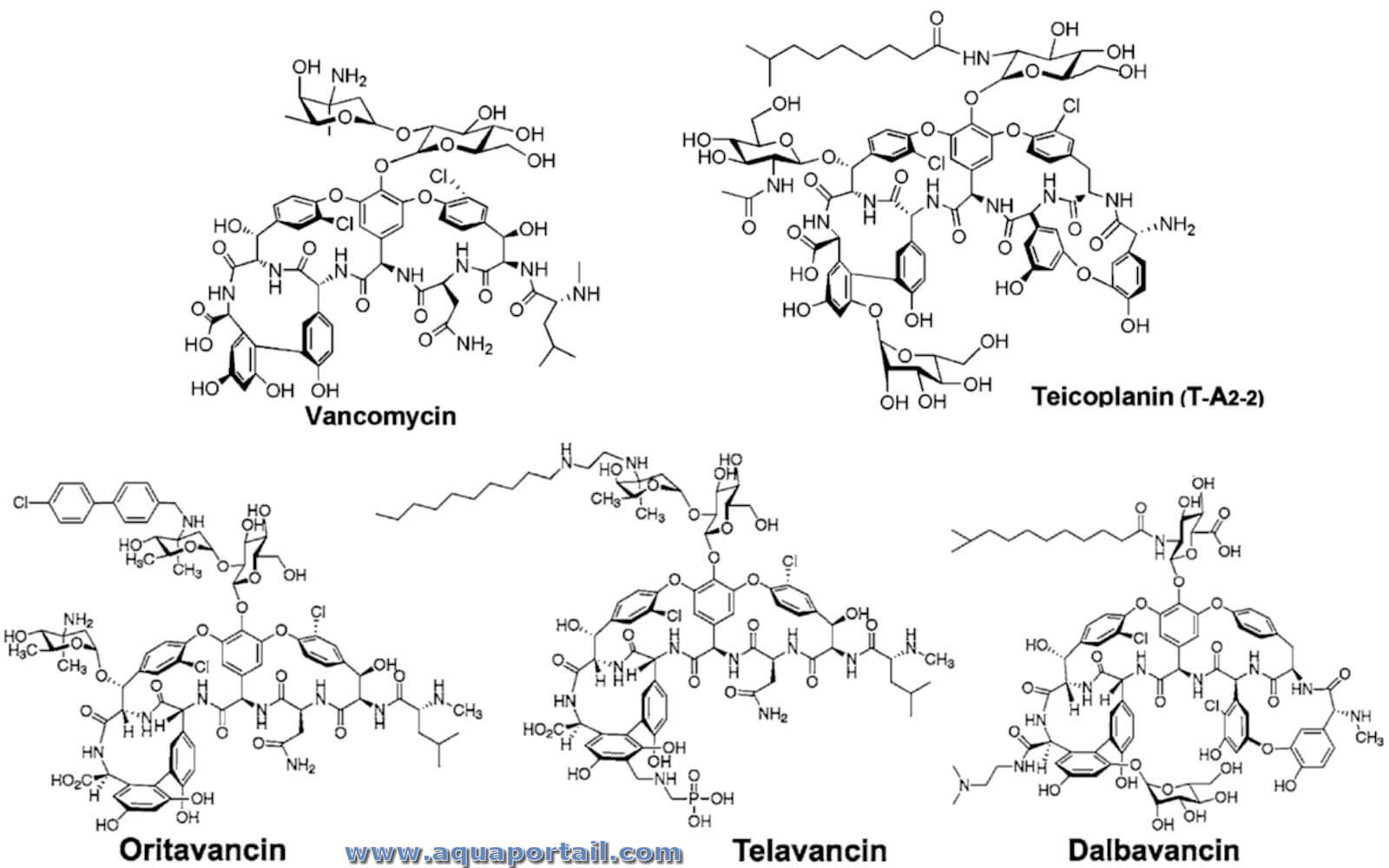
A glycopeptide is a compound formed of a peptide covalently linked to a carbohydrate moiety.
peptide

A peptide is a molecule comprising at least two amino acid residues linked by a CO-NH peptide bond, formed by dehydration condensation between the NH₂ group...
signal peptide
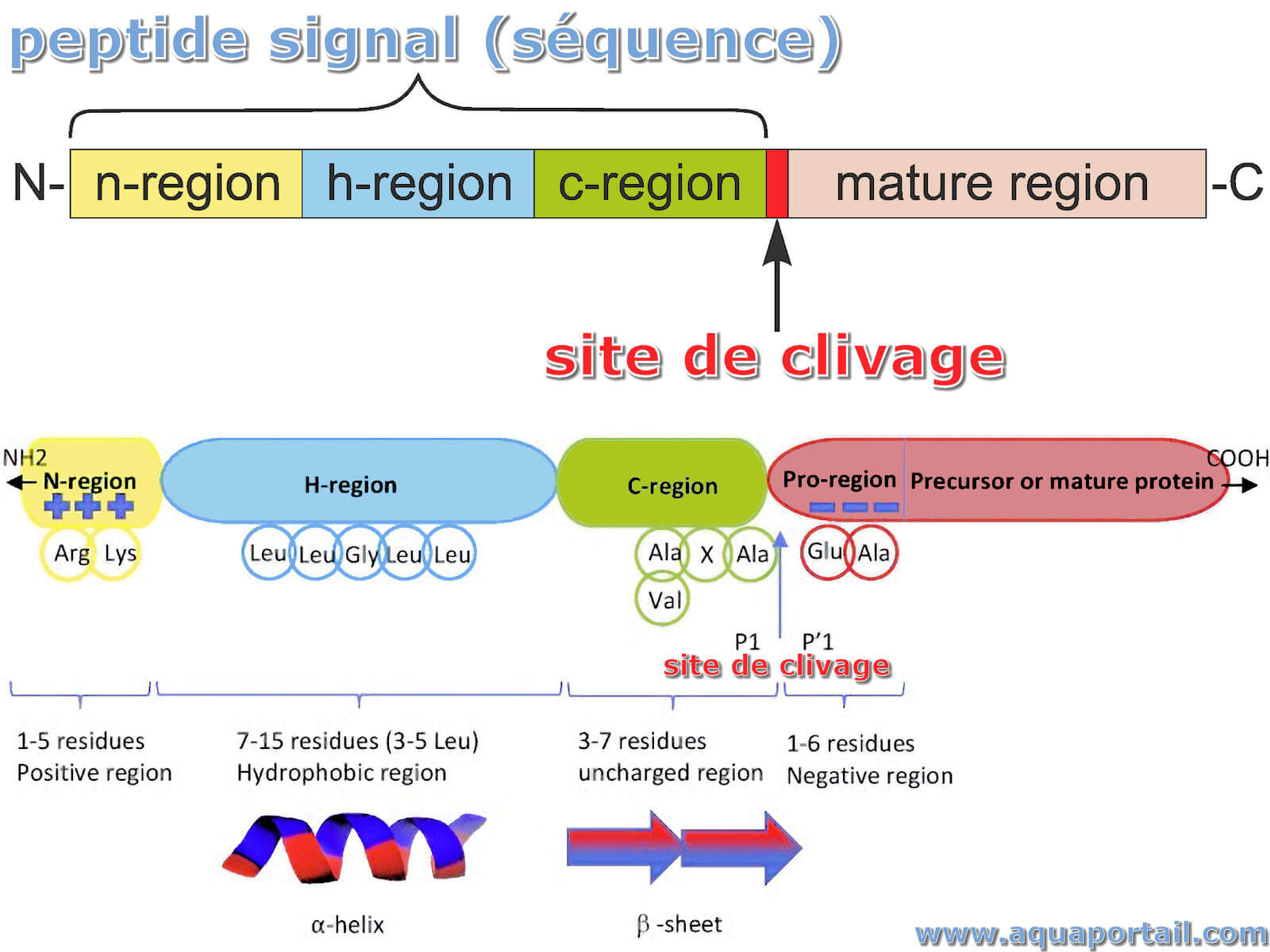
A signal peptide is a short peptide located at the N-terminus of a protein, carrying information for protein secretion.
