Silicate
noun (n.)
Definition
In mineralogy, a silicate is a crystalline (sometimes amorphous) mineral formed from the basic chemical compound SiO2. Silicate minerals make up 95% of Earth's crust. In chemistry, a silicate results from the combination of silica with various metal oxides. It is a salt produced by combining silicic acid with a base.
A silicate, mica:
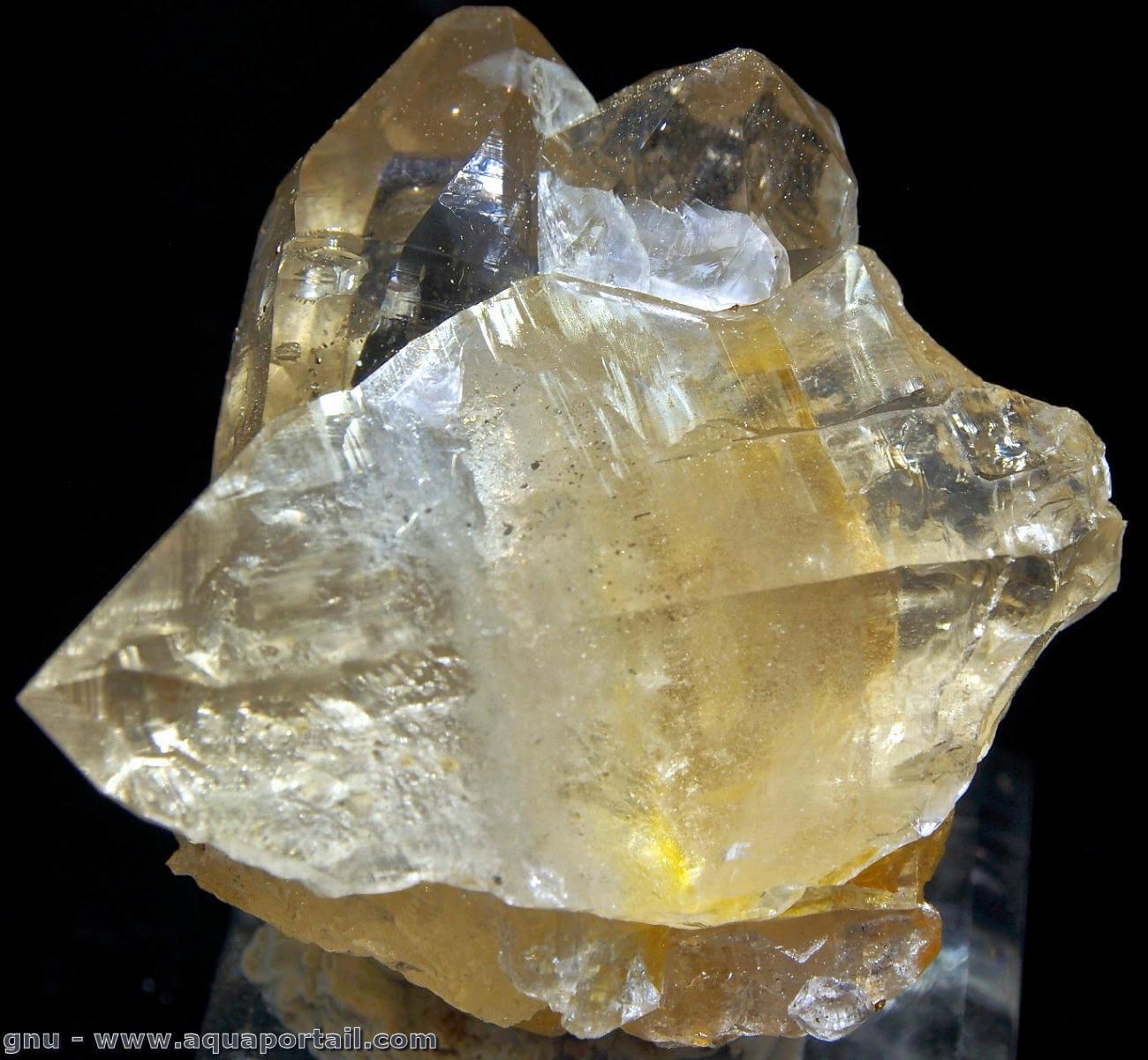
A silicate is one of numerous minerals composed primarily of SiO44- combined with metal ions, forming a major component of rocks in Earth's crust.
Explanations
Silicates can be analyzed for their bulk chemical composition using a variety of classical and wet-chemical methods, as well as newer instrumental methods including atomic absorption and X-ray fluorescence.
Most silicates are sufficiently transparent to allow identification in transmitted light from their refractive index (or indices, if anisotropic) and optical characteristics, while opaque materials can be examined in reflected light using metallographic techniques.
A silicate is a compound containing anions composed of silicon and oxygen. This family includes orthosilicate SiO44- (x = 0) and metasilicate SiO32-. Silicate anions are generally large polymeric molecules with a wide range of structures, including rings and chains.
Uses
Silicates are widely used as binders and cements. Alkali metal silicates such as sodium and potassium silicates are water-soluble binders with a wide variety of applications ranging from cardboard adhesives to binders in refractory insulation boards.
Silicate phosphor
Silicate phosphors are characterized by chemical and physical stability, particularly exceptional water-resistance properties. Moreover, silicate-based phosphors also offer numerous advantages such as high luminous intensity, varied luminescent colors ranging from blue to red, thermal stability, and low-cost synthesis.
The silicate host is of particular interest to materials scientists due to its use in long-persistence phosphors. Consequently, silicate-based phosphors have broad commercial applications.
More importantly, the raw materials for synthesizing such silicates are abundant and inexpensive. Following doping of rare-earth and transition-metal ions into a silicate host phosphor, the afterglow properties of the phosphor increase. Generally, silicate phosphors are manufactured via the solid-state reaction method.
Layered silicates
Layered silicates, also known as nanoclays, are the most commonly used nanofillers in the synthesis of polymer layered silicate nanocomposites. Among these layered silicates, phyllosilicates (2:1) are widely used in preparing clay-based nanocomposites. The crystalline arrangement in silicate layers consists of two tetrahedrally coordinated sheets fused to an edge-shared octahedral sheet.
The dispersibility of layered silicates into individual sheets is governed by their ability to undergo surface modification via ion-exchange reactions that replace interlayer inorganic ions with organic cations. Renewable polyesters are mostly organophilic compounds, whereas pristine silicate layers are miscible only with hydrophilic polymers.
Silicate layers can be made miscible with hydrophobic polymers by introducing or exchanging interlayer cation galleries (Na+, Ca2+, etc.) of layered silicates with organic compounds.
Alkali silicates
Alkali silicates have the general formula (Na2SiO2)nO, and different grades are characterized by their SiO2:Na2O ratio. They are manufactured by reacting hydrothermal caustic soda with quartz sand.
The most widely used metal silicate is hydrated calcium silicate (CaO-SiO2-H2O system), otherwise known as Portland cement, which is produced in huge quantities worldwide. It is manufactured by heating limestone and a siliceous material, such as clay, together at about 1,450 °C (2,642 °F) in a rotary kiln.
Synonyms, antonyms
Spanish translation: silicato
2 synonyms (similar meaning) for "silicate":
- aluminosilicate
- phyllosilicate
0 antonyms (opposite meaning).
Related words and expressions to SILICATE are directly connected by general or specific meaning.
The word SILICATE is listed on page 1 of words starting with S in the dictionary glossary.
Related to "silicate"
silica

Silica (silicon dioxide, SiO₂) is a very hard mineral chemical compound found in large quantities in Earth's crust.
siliceous
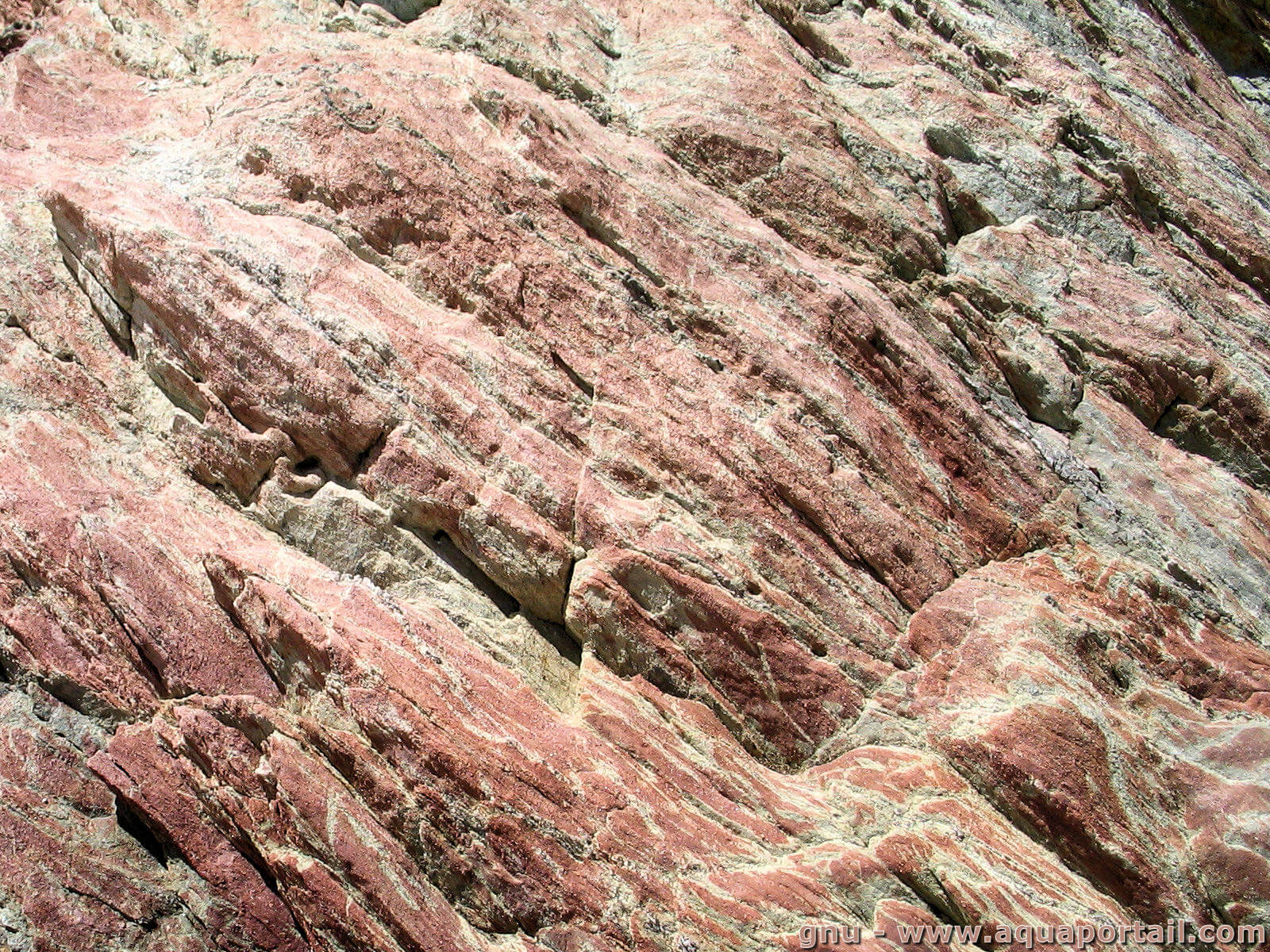
Siliceous describes what is formed of silica, or composed of or containing silicon dioxide. By extension, a glass-like substance is siliceous.
tunicate

A tunicate is a marine invertebrate belonging to the protochordate group Tunicata, comprising sessile Ascidiacea (sea squirts) and pelagic Thaliacea (salps...
saccharide
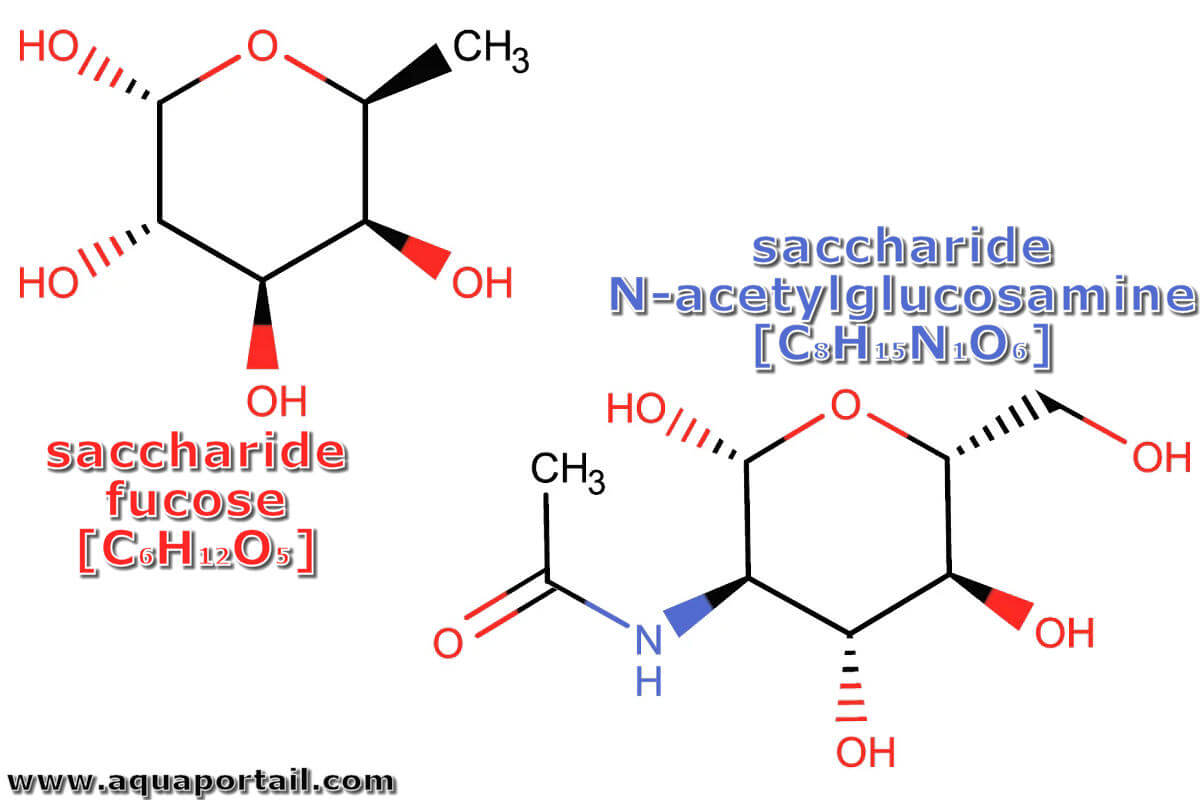
A saccharide is a carbohydrate, a biomolecule composed of carbon, hydrogen, and oxygen atoms, usually with a hydrogen-to-oxygen atomic ratio of 2 :1.
Simple summary
A silicate is a compound containing silicon and oxygen, often combined with one or more metals. Silicates constitute the largest and most abundant class of minerals in Earth's crust, forming the main components of rocks, sand, and soils. Their structure is generally based on silicate tetrahedra (where one silicon atom is surrounded by four oxygen atoms) capable of linking into various configurations such as chains, sheets, or three-dimensional frameworks.
