Reversion
noun (n.)
Definition
In genetic biology, reversion is the appearance of a trait resembling an ancestral morphology. Reversion is the evolutionary reversal of a previously existing trait. It is the return of an ancestral characteristic (plesiomorphy) that had previously been lost. In other words, it occurs when a particular population trait reappears after having been modified or lost.
Diagram of an evolutionary reversion:

evolution caused the antlers (an ancestral trait) of this cervid to disappear, but a reversion caused them to reappear over the course of a lineage's evolution over time.
Explanations
Subsequently, the phenomenon of reversion was extended to the cellular level through regressive genetic mutation. Thus, an organism (or even a cell) that has undergone reversion is called a revertant. Reversions counteract or aid evolutionary convergences, depending on the case.
For example, the aquatic lifestyle of cetaceans (dolphins and whales) is the same as that of their ancestors, the earliest vertebrates, which were also aquatic. However, along the evolutionary path of the lineage, this characteristic was lost with the terrestrialization of the animals that gave rise to mammals, and then resumed with the return of cetaceans to the aquatic environment. Thus, there was a reversal (reversion) of lifestyle in cetaceans, from aquatic to terrestrial and finally back to an aquatic lineage. The reversed feature may be morphology, lifestyle, behavior, or reading frame.
In hermaphroditic species, sex reversion may occur.
Reversions counteract the effects of mutations:
- reversions are genetic alterations that reverse the effect of mutations
- some revertants result from compensatory changes in genes different from the one carrying the original mutation.
Reversion occurs when the effects of a mutation are counteracted by a second mutation. Reversion specifically refers to the phenotype. Rarely, the original base sequence is restored, which is then called a true reversion. Usually, a second base change cancels out the effect of the first base change. In this case, the reversion is called a second-site reversion (false reversion). The second mutation is called a suppressor mutation.
Suppressor reverse mutation
A reverse mutation, also called reversion, refers to any mutational process or mutation that restores the wild-type phenotype to cells already carrying a phenotype-altering forward mutation. Forward mutations confer a gene sequence and phenotype different from those conferred by the wild-type gene. True reversions restore the wild-type gene sequence, whereas pseudoreversions restore the wild-type phenotype via a compensatory gene sequence change. Pseudoreversions can occur within the same gene as the original forward mutation or in a different gene or sequence. Particularly useful mutation assays that employ reversion are reviewed. Stress-induced mutagenesis, the increase in mutation rate in response to cellular stress, often under the control of stress responses, has been studied primarily using reversion assays.
Differences between reversion, inversion, and regression
In the literature, evolutionary reversion is often used as a synonym for inversion, or worse, regression implying a backward step. However, regression reflects a biologically erroneous notion that evolution is a linear, hierarchical, and teleological phenomenon. Consequently, these terms must not be used synonymously. Finally, it can be said that the principle of evolutionary reversal runs counter to Dollo's law of the irreversibility of complex structures over the course of evolution.
Synonyms, antonyms
Spanish translation: reversión
5 synonyms (similar meaning) for "reversion":
- evolutionary inversion
- evolutionary reversal
- evolutionary turnaround
- reverse mutation
- suppressor mutation
0 antonyms (opposite meaning).
Related words and expressions to REVERSION are directly connected by general or specific meaning.
The word REVERSION is listed on page 1 of words starting with R in the dictionary glossary.
Related to "reversion"
evolution

Evolution refers to development—a process of change across all forms. Change in the genetic composition of a biological population across successive...
parallel evolution

In biology, parallel evolution, or biological parallelism, is an evolutionary phenomenon in which two distinct branches within a clade (group of species)...
reverse transcriptase
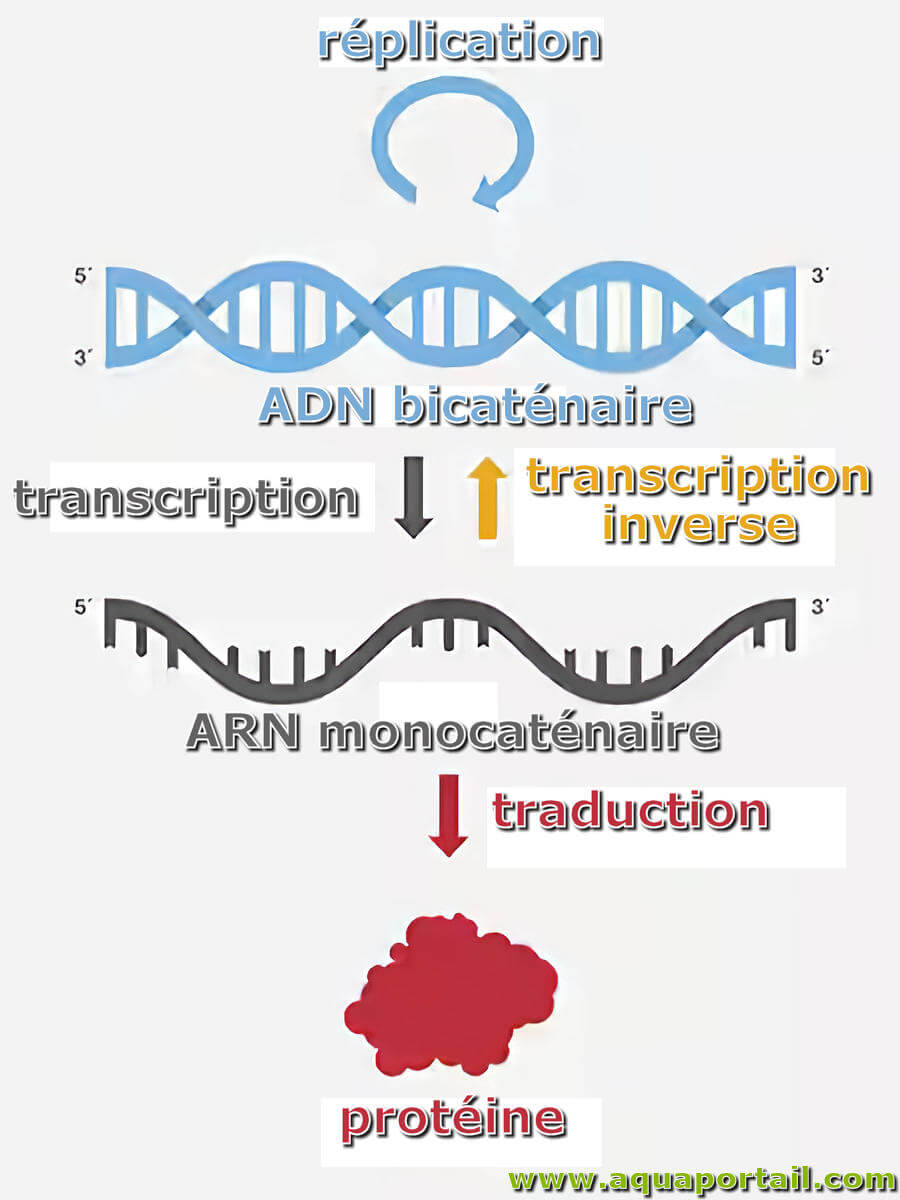
Reverse transcriptase, also called retrotranscriptase and RNA-dependent DNA polymerase, is a DNA polymerase that transcribes single-stranded RNA into DNA.
reversed lichen
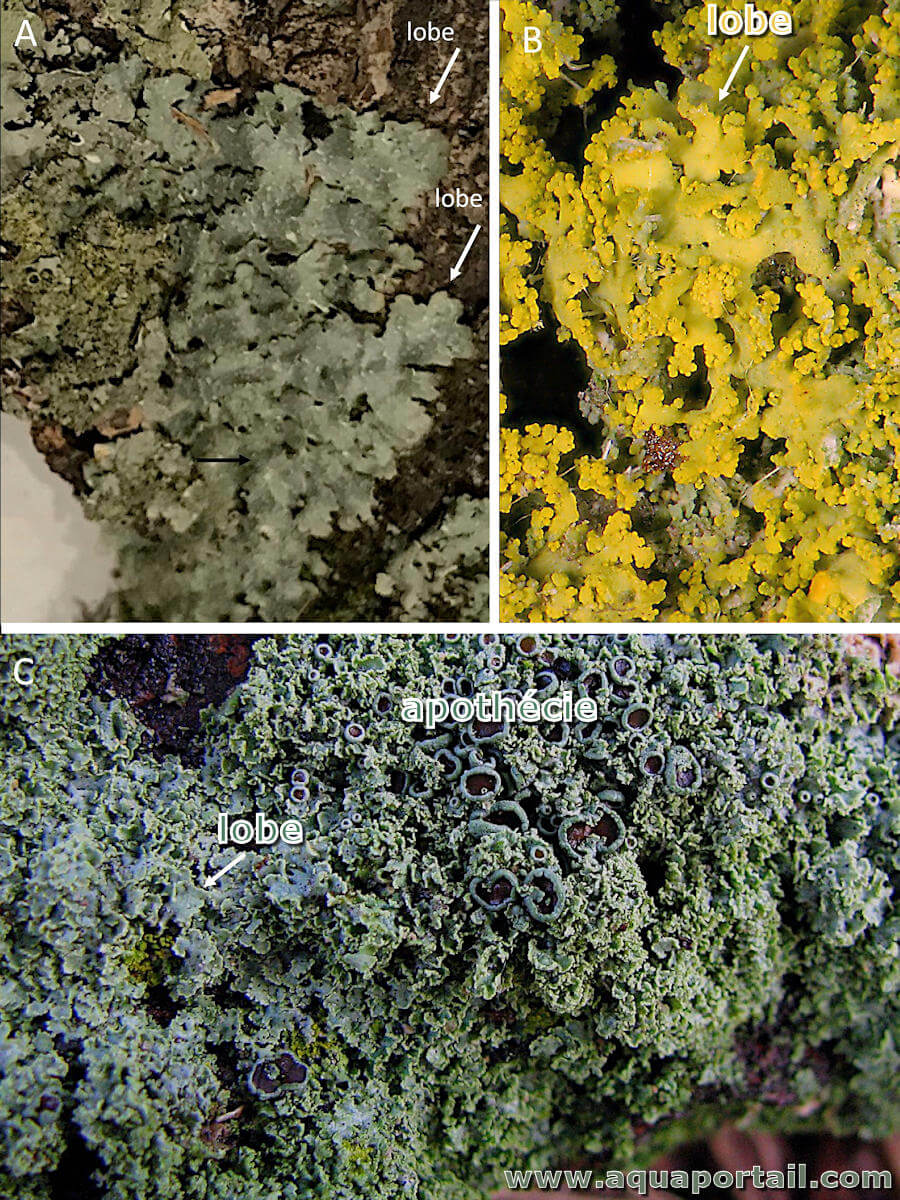
A reversed lichen belongs to a few genera of lichens that differ from other types of lichens by an inversion of the mycobiont/phycobiont association.
