Parallel evolution
noun phrase (n. phr.)
Definition
In biology, parallel evolution, or biological parallelism, is an evolutionary phenomenon in which two distinct branches within a clade (group of species) undergo a similar evolutionary change. Parallel evolution and convergent evolution form homoplasy. This long process leads to biodiversity.
It is the evolutionary phenomenon during which two distinct biological groups undergo similar anatomical or physiological evolution. The term homoplasy encompasses the concepts of convergence and parallelism. Homoplasy refers to traits that have evolved independently in two species or clades. Convergence (convergent) and parallelism refer to the causal mechanisms that explain homoplasy.
Parallel evolution (vs. divergent and convergent):

The main types of evolution are compared: divergent on the left, parallel in the center, and convergent on the right.
Explanations
The concept of parallelism can be broadened to include cases where the ontogenetic development of structures is known to occur due to a generative developmental homology, even though there are no homologous structures in the phenotype of the common ancestor.
A clear example of parallel evolution: the separate development of a four-chambered heart in birds and mammals. There is no doubt that the common ancestor of both groups, fairly close to the base of amniotes, lacked this feature. The four-chambered heart is an independent acquisition completing in each of the two groups the separation of the two circulatory circuits (systemic and pulmonary) already initiated in the ancestors of amphibians.
See also evolutionary theory, a biogenetic law with Haeckel's law (recapitulation theory).
Parallel evolution refers to the evolutionary process in which two or more species in the same environment develop a similar adaptation or characteristics. Example of parallel evolution: the North American cactus and the African spurge (euphorbia), which developed a similar adaptation, namely thick stems and sharp spines to survive hot and arid climates. These two plant species belong to different plant families yet live in the same type of environment. Another example is the evolution of similar adaptive characteristics between two groups of organisms living in comparable habitats, such as marsupial mammals in Australia and placental mammals on another continent.
Parallel evolution is similar to convergent evolution insofar as two species not closely related develop similar traits. However, in parallel evolution, both species developed the same traits while evolving from a similar ancestral body plan or in the same type of environment, whereas in convergent evolution, two distantly related species acquire similar traits. Divergent evolution differs from both. In divergent evolution, an ancestral population or species diverges into two or more descendant species, causing once-similar or related species to become increasingly different.
Homoiology
To express what homoiology is, there is certainly no other possibility than homology and convergent adaptation to explain similarity between different living beings. Indeed, a single structural analogy may very well rest on both phenomena simultaneously.
The wings of pterosaurs (flying saurians) and bats are homologous with respect to the presence of the same skeletal elements; on the other hand, the formation of the wing membrane most certainly results from an independent evolutionary process in reptiles and mammals. We can give another example of this type: ichthyosaurs and whales have forelimbs formed from the same bones!
This identity of skeletal characters is certainly based on homology; however, these bones are not merely widened and flattened in species of these two lineages: in both, at the level of the metacarpal bones, the phalanges and epiphyses have detached from the diaphyses (the long central shaft of a long bone), so that a skeletal element has divided into three. All of this serves to make the limbs broader and more flexible, which is particularly useful for the efficient functioning of a flipper. This analogy is undeniably based on a phenomenon of convergent adaptation.
This type of convergent adaptation on homologous organs is designated, in taxonomy, under the name homoiology.
Synonyms, antonyms
Spanish translation: evolución paralela
2 synonyms (similar meaning) for "parallel evolution":
- divergent evolution
- parallelism
1 antonym (opposite meaning):
Related words and expressions to PARALLEL EVOLUTION are directly connected by general or specific meaning.
The expression PARALLEL EVOLUTION is listed on page 1 of words starting with P in the dictionary glossary.
Related to "parallel evolution"
evolution

Evolution refers to development—a process of change across all forms. Change in the genetic composition of a biological population across successive...
P680-P700
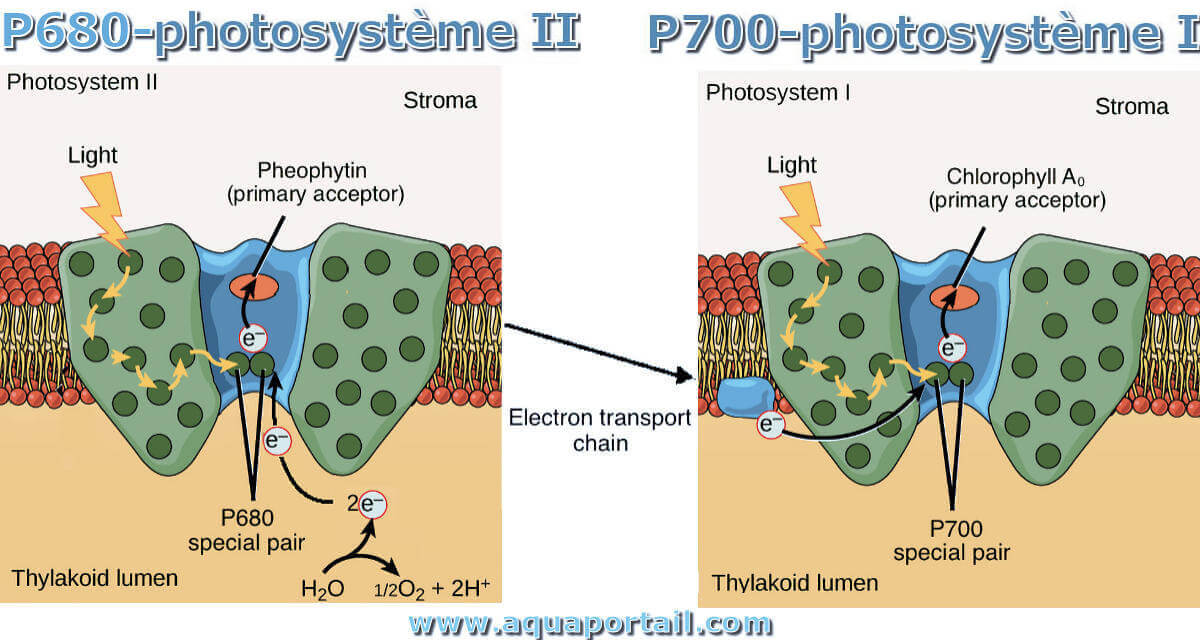
P680-P700 is an association of chlorophyll a molecules absorbing at 680 nm and 700 nm, respectively, possessing particular photochemical properties.
paedomorphosis

Paedomorphosis (juvenilization) is a phylogenetic change involving the retention of juvenile or even larval traits into a later (adult) stage.
painkiller

A painkiller, or analgesic, is a pain reliever, a medication used to soothe or eliminate pain, whether headaches, muscle aches, arthritis, etc.
